How Often to Change Water Softener Filter 2026: Worth Buying
Figuring out how often to change your water softener filter isn't a set-it-and-forget-it deal. The truth is, there's no single magic number that works for every home. Your filter's lifespan really hinges on a few key factors, and understanding them means you can keep your water soft and your system running efficiently.
Manufacturer specifications for many common sediment filters suggest replacement every 3 to 6 months, but that's just a starting point. The real answer depends on your unique water conditions and how much water you use daily. Let's break down what truly impacts your filter's life and how to know when it's time for a swap.
Your Water Softener Filter: When Does It Need a Swap?
So, how often do you actually need to change your water softener filter? The most straightforward answer is: it depends. Think of it like this: if you’re driving a car through desert sand versus smooth city streets, your tires will wear out at different rates. Your water softener filter is similar.
It's designed to catch impurities, but just how much gunk it has to deal with, and how much water flows through it, are the biggest drivers of its lifespan.

This means a generic recommendation of, say, every six months might be too long for some, and too short for others. We need to look at the specifics of your situation to nail down the right schedule for you.
Why Filter Replacement Isn't One-Size-Fits-All
The reason there's no single answer to "how often to change water softener filter" comes down to a few critical variables. These aren't just minor details; they can dramatically affect how quickly your filter becomes saturated with contaminants and loses its effectiveness.
- Water Quality: This is probably the biggest factor. If your tap water is loaded with sediment, iron, manganese, or has high levels of hardness, your filter is essentially working overtime to catch it all. The more it has to filter, the faster it gets clogged.
- Water Usage: A busy household with multiple bathrooms, a dishwasher running daily, and laundry cycles happening frequently will push far more water through the system than a single person or a couple. High volume means more strain and a shorter filter life.
- Filter Type: Not all water softener filters are created equal. Some are designed primarily for sediment, others for chlorine or specific mineral removal. The material and manufacturing process influence how long they can effectively perform their job.
The Big Factors: What Determines Filter Life?
Let’s dive a bit deeper into these elements, because understanding them is your best bet for setting a realistic filter change schedule. Ignoring these can lead to reduced water quality, or worse, damage to your water softener system itself.
Your Water Quality: The Dirtier, The Quicker
Our research on water treatment systems confirms that raw water quality is paramount. If you live in an area known for high iron content or a lot of dissolved solids, your filter cartridges are going to load up much faster. Manufacturer specs often test filters under ideal conditions, but real-world water can present significant challenges.
For instance, if your municipal water report (often available on your city’s website) shows high levels of turbidity or specific metals, you’ll likely need to replace your filter more frequently than the general guideline.
How Much Water Your Household Uses
Think about your daily water consumption. A family of five uses considerably more water than a single occupant. This isn't just about gallons; it's about the continuous flow that passes through your filter. When water is constantly being drawn, the filter media is continuously exposed to whatever is in the water.
Aggregate consumer feedback indicates that households with high water usage often find their filters lasting closer to the lower end of recommended intervals, sometimes even less.
The Specific Type of Filter You Have
Water softener systems can incorporate different types of filtration, and each has its own operational lifespan.
- Sediment Filters: These are your first line of defense against dirt, sand, and rust particles. They can clog rapidly if your water has a lot of particulate matter.
- Carbon Filters: Often used to improve taste and odor by removing chlorine and organic compounds, these have a finite capacity for absorption.
- Specialty Filters: Filters designed to tackle specific issues like iron or manganese have a limited lifespan based on how much of that contaminant they can capture before becoming overwhelmed.
Signs Your Water Softener Filter is Begging for a Change
Your water softener is a pretty good communicator, if you know what to listen and look for. Ignoring the subtle (and sometimes not so subtle) signs that your filter needs replacing can lead to a cascade of problems, affecting not just your water quality but also the health of your entire softening system.
Less Water Pressure? Check Your Filter!
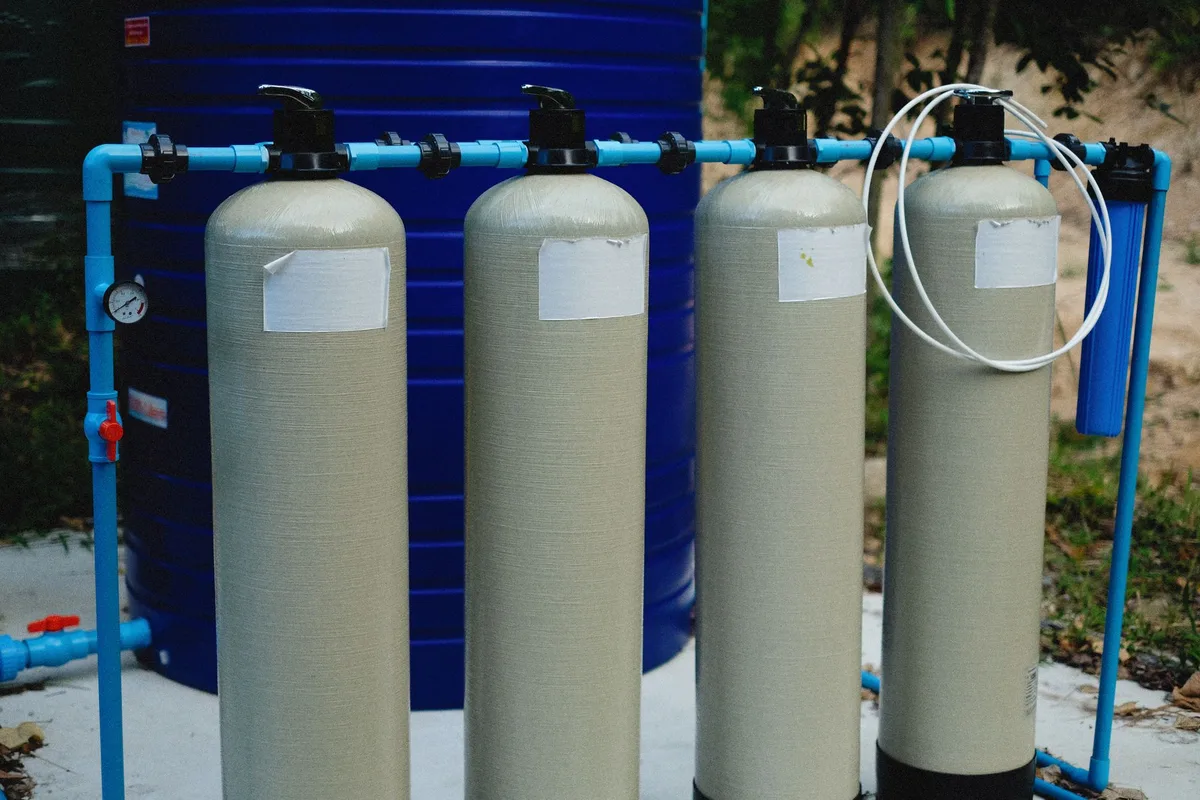
One of the most common indicators that your filter is getting clogged is a noticeable drop in water pressure throughout your home. If your shower flow seems weaker, your faucets aren't as strong, or it just takes longer to fill the washing machine, a blocked filter is a prime suspect. This restriction happens because the accumulated debris inside the filter makes it harder for water to pass through.
Changes in Water Taste or Smell
Your filter, especially carbon filters, plays a big role in the aesthetic qualities of your water. If you start noticing a metallic taste, a chlorine smell that wasn't there before, or any other off-putting flavor or aroma, it's a strong signal that the filter's absorbent capacity is exhausted. It can no longer effectively trap the compounds responsible for these undesirable characteristics.
Visible Sediment or New Scale Buildup
Sometimes, less obvious changes are still critical. If you start seeing tiny particles or a cloudy appearance in your water when it’s standing still, your filter might be allowing sediment to pass through. This can happen if the filter media has become too densely packed with debris, or if it’s breaking down. Similarly, if you're suddenly seeing more hard water spots on your dishes or fixtures despite your softener working, it could mean pre-filters are failing, reducing the softener's efficiency.
A Practical Filter Replacement Decision Guide
Given that there’s no single calendar date for filter changes, let’s set up a system to help you decide when it’s time. This isn't about rigid rules, but about informed decision-making based on your specific home.
Step 1: Consult Your Manual (Your First Clue!)
This might seem obvious, but digging out your water softener or filter system’s manual is your absolute best starting point. Manufacturer specifications typically provide a recommended replacement interval based on average usage and water quality assumptions. For most common sediment or carbon block filters, this range often falls between 3 to 12 months.
Step 2: Know Your Water (A Quick Test Can Help)
If you’re unsure about your incoming water quality, consider a basic water test. Many municipal water departments offer free or low-cost testing, or you can purchase at-home kits. Knowing if you have high levels of iron, hardness (measured in grains per gallon, or GPG), or sediment can help you adjust the general replacement guidelines. For example, water with over 10 GPG is considered very hard and will put more stress on your filtration.
Step 3: Observe Your System (Listen and Look)
Pay attention to the everyday performance of your water. Are you noticing any of the signs we discussed, decreased water pressure, changes in taste or smell, or visible particles? These are direct indicators that your filter is working harder than it should or is no longer capable of its primary function.
Step 4: Factor in Household Size (More People = More Use)
As discussed, your household size directly impacts water usage.
- Single Person/Couple: You might be able to lean towards the longer end of the manufacturer’s recommendation (e.g., 6-12 months) if your water quality is good.
- Family of 3-4: A mid-range replacement schedule, perhaps every 4-8 months, is often more appropriate.
- Large Family (5+ people) or High Usage: You’ll likely need to consider replacements at the shorter end, around every 3-6 months, especially if your water quality isn't pristine.
This workflow helps you move from general advice to a personalized plan.
General Timelines: What to Expect (with Caveats!)
While it’s best to tailor your filter changes to your specific situation, it helps to have some general numbers in mind. Most manufacturers aim for a pretty broad range because they can’t account for every home’s unique water conditions. For standard sediment or carbon block filters found in many whole-house systems, a timeline of 3 to 6 months is a frequently cited average.
However, if your water quality is exceptionally good, low hardness, minimal sediment, no significant iron issues, you might be able to stretch some filters to up to 12 months. Conversely, homes with very challenging water, like those with high iron content or very sandy well water, might find filters only lasting 1 to 3 months. These shorter lifespans are primarily for pre-filters designed to catch larger particles before they reach the main softening resin.
Common Filter Replacement Mistakes to Avoid
We've all been there, putting off a chore that seems minor until it becomes a bigger issue. When it comes to your water softener filter, there are a few common pitfalls that can cost you in the long run. One of the most frequent mistakes is simply ignoring the signs. Relying solely on a calendar date without checking your water can lead to missed opportunities to catch problems early.
Another common slip-up is using the incorrect filter type. Water softener systems often have multiple stages of filtration, and using the wrong cartridge can either be ineffective or even damage the system. Always double-check that the replacement filter you're buying is compatible with your specific water softener model.
Keeping Your System Running Smoothly: Maintenance Tips
Beyond just the filter itself, a little regular attention to your entire water softener system can go a long way. Think of it as preventative care, small actions now can prevent bigger headaches later. At a minimum, our editorial analysis of water treatment systems suggests a quick visual inspection of your softener should happen at least quarterly.
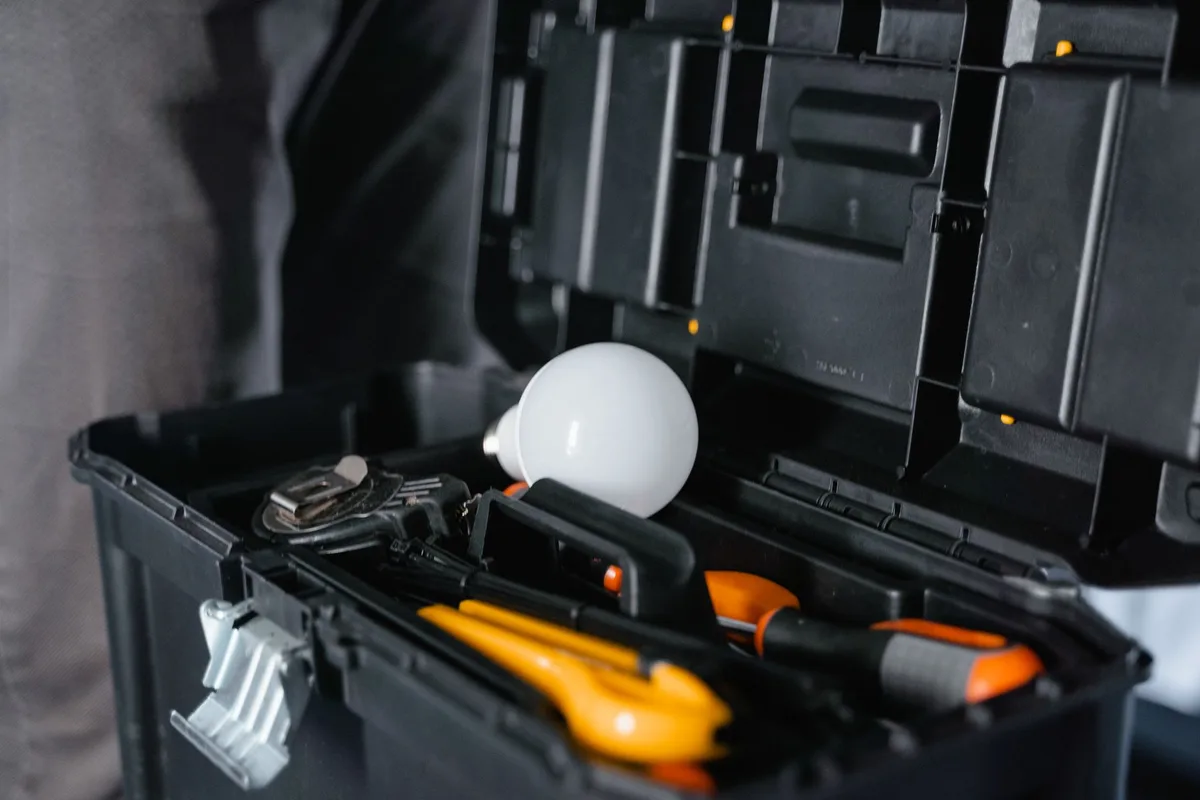
This means checking for any leaks around the unit, ensuring the salt levels are appropriate (if it’s a salt-based system), and making sure the control panel is functioning without error codes. Some advanced systems might even have diagnostic features that can alert you to potential issues before they become critical.
How Do I Know Which Filter is Which?
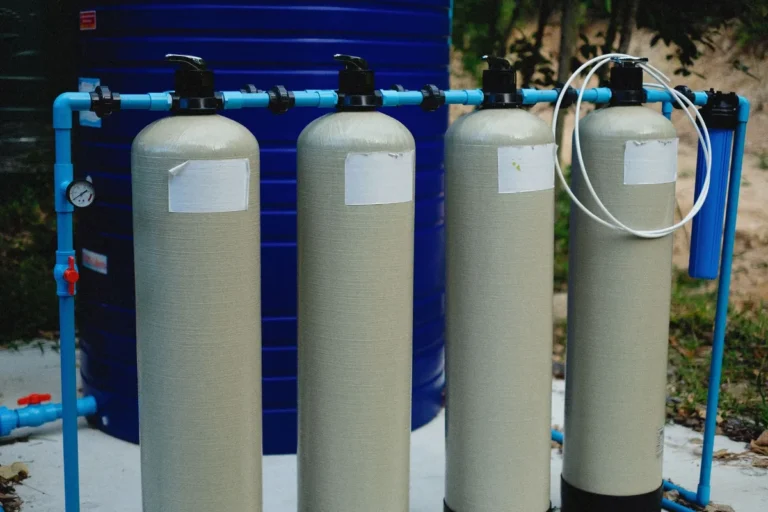
If your water softener system has multiple filter cartridges, it's crucial to know what each one does. They're typically arranged in a sequence, with the first one catching the largest debris and subsequent filters handling finer particles or specific contaminants. For instance, a typical setup might have a coarse sediment pre-filter (often 5-50 microns) followed by a finer carbon block filter (often 1-5 microns).
Knowing this order helps in troubleshooting. If your water pressure drops drastically, the first sediment filter is the most likely culprit. If taste or odor issues persist despite a clean sediment filter, the carbon filter is probably at its limit. Always refer to your system’s manual to confirm the type and micron rating of each cartridge in the sequence.
How Long Can a Clogged Filter Last Before Causing Damage?
While a clogged filter won't typically cause immediate, catastrophic damage, it can certainly lead to problems over time. If a filter becomes severely blocked, it restricts water flow dramatically. This can increase pressure within the plumbing lines before the filter, potentially stressing fittings. More critically, a saturated filter can become a breeding ground for bacteria if not replaced promptly.
Manufacturer data indicates that running a water softener with a severely depleted pre-filter can also reduce the efficiency of the softening resin itself, as more sediment and contaminants bypass the first stage, increasing the load on the resin beads. This means your water might not be as soft as it should be, and you could be heading towards more costly repairs for the entire water softener unit.