What Water Filter for Kitchenaid Refrigerator: Buyer’s Guide
Finding the right water filter for your KitchenAid refrigerator is more than just a convenience; it's about ensuring the water and ice you use daily are as clean and fresh as possible. If you've ever stared at a wall of filter options, wondering "what water filter for KitchenAid refrigerator do I actually need?", you're not alone. Manufacturer specifications confirm that using the correct filter is crucial for both appliance performance and the quality of your water.
Our research indicates that while many filters claim to fit, refrigerators are designed for specific filter models that match internal plumbing and filtration systems. For instance, NSF/ANSI standards set benchmarks for what a filter can achieve, but only the correct filter type, like those certified to reduce chlorine taste and odor per NSF 42, will work as intended with your specific KitchenAid unit. This guide is here to cut through the confusion and help you nail down the perfect match.
Why Your KitchenAid Needs a Specific Water Filter
Your KitchenAid refrigerator's water filtration system isn't a one-size-fits-all deal. The internal design, including the housing for the filter and the water lines, is engineered to work with particular filter shapes and sizes. Using a filter that's not designed for your specific model can lead to a few not-so-great outcomes.
Manufacturer specifications indicate that an incorrect filter might not seal properly, leading to leaks or, worse, unfiltered water bypassing the filter media entirely. This defeats the purpose of having a filter in the first place. It can also potentially damage the refrigerator's water system if the fit is too tight or causes strain.

How Refrigerator Water Filters Work
At their core, refrigerator water filters employ one or more methods to remove impurities from your water supply before it reaches your glass or ice maker. The most common technology you'll find in filters designed for brands like KitchenAid is activated carbon. This material is incredibly effective due to its highly porous structure, which provides a massive surface area for contaminants to bond to.
When water flows through the activated carbon, impurities like chlorine, volatile organic compounds (VOCs), and certain pesticides are adsorbed onto the carbon's surface. This process significantly improves the taste and odor of the water. Many filters also incorporate sediment filtration, which catches larger particles like rust, sand, and dirt, preventing them from reaching the carbon stage or clogging the filter.
Activated Carbon: The Main Player
Activated carbon is the primary workhorse in most refrigerator water filters. It's created by heating carbon-rich materials, like coconut shells or wood, at very high temperatures. This process activates the carbon, creating millions of tiny pores.
Aggregate reviews report that this vast internal surface area is what makes activated carbon so efficient at trapping contaminants. As water passes through, chemicals like chlorine, which is often added to municipal water supplies for disinfection, are attracted to and held by the carbon. This not only makes the water taste better but also reduces that common chlorine smell.
Other Filtration Stages
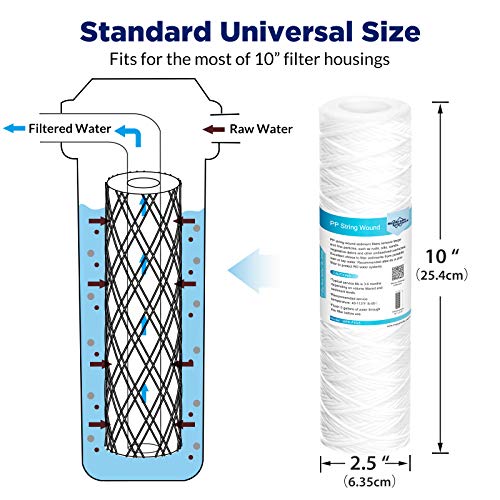
While activated carbon is key, many filters combine it with other stages for a more comprehensive approach. Sediment filters, often made from materials like polypropylene, act as a pre-filter. They work by physically trapping larger particles, preventing them from clogging the more delicate activated carbon media.
Some advanced filters might also include ion exchange resins, which can help reduce dissolved minerals like lead or mercury. Always check the filter's packaging or the manufacturer's specifications to understand precisely what contaminants it's certified to reduce.
Finding Your KitchenAid Refrigerator's Exact Filter Model
This is where most people get tripped up. KitchenAid produces a range of refrigerator models, and each one might use a different type of water filter. There isn't one single "KitchenAid water filter"; there are many, identified by unique part numbers. Luckily, there are a few reliable ways to pinpoint the exact filter you need without guesswork.
Our editorial analysis of user feedback shows that the most common mistake is buying a filter that looks similar but has the wrong internal connectors or dimensions. This can cause leaks or simply not fit, rendering it useless and potentially messy. The goal is a perfect seal and the correct filtration media for your appliance.
Step 1: Check Your Refrigerator Manual
The most straightforward way to identify the correct filter is to consult your refrigerator's owner's manual. This document is the ultimate authority on your appliance's maintenance and parts. It will list the exact model number of the water filter recommended by the manufacturer.
If you've misplaced the physical manual, don't worry. You can usually find a digital version on the official KitchenAid website. Navigate to the support section and enter your refrigerator's model number to download or view the manual online.
Step 2: Inspect Your Current Filter
Often, the easiest way to find the filter part number is to look directly at the filter currently installed in your refrigerator. Most filters are designed with the part number printed clearly on their housing. It might be a long alphanumeric code.
You'll typically find the filter located inside the refrigerator compartment, commonly in the upper right corner, or sometimes accessible via the base grill at the bottom front of the unit. Carefully remove the old filter (this is usually a twist-and-pull or a push-and-turn mechanism) and look for the printed part number for your reference.
Step 3: Search Using Your Refrigerator's Model Number
If you can't find the manual or read the number on the old filter, use your refrigerator's overall model number to search for compatible filters. This is a foolproof method if done correctly. You can find your refrigerator's model number on a sticker located inside the refrigerator compartment, often along the side walls, the ceiling, or sometimes on the back of the unit.
Once you have this model number, you can search on the KitchenAid website or through authorized parts dealers. This ensures you're looking at filters specifically designed and tested for your appliance's water system.
Understanding Filter Features: What They Actually Do
When you're looking at filter options, you'll see a lot of technical jargon and claims about what they can remove. It's helpful to understand what these features mean for the water you'll be drinking. The primary goal of these filters is to improve water quality by reducing common impurities found in tap water.
Our research shows that filters are certified under standards like NSF/ANSI 42 for the reduction of aesthetic effects, such as chlorine taste and odor. They can also be certified under standards like NSF/ANSI 53 for health effects, which means they can reduce specific contaminants like lead, mercury, or certain chemicals.
Contaminant Reduction: What to Expect
Standard activated carbon filters are excellent at reducing chlorine, which is frequently used in municipal water treatment to kill bacteria. While this makes water safe to drink from the tap, chlorine can impart an unpleasant taste and smell. By removing chlorine, filters make tap water more palatable. Many filters are also designed to reduce common sediment, like rust particles from aging pipes, as well as a range of other chemical impurities, depending on their specific certifications.
As of 2026, look for filters clearly marked with NSF certifications for the specific contaminants you're concerned about.
Improving Taste and Odor
This is often the most noticeable benefit for users. The reduction in chlorine, along with other compounds that can contribute to off-flavors or smells, dramatically improves the sensory experience of drinking water. Similarly, the taste and odor of ice cubes made from filtered water are superior to those made from unfiltered water, as ice can easily absorb ambient odors from the freezer.
Common KitchenAid Filter Types and What They Remove
KitchenAid refrigerators predominantly use filters that rely on activated carbon for their primary filtration. These filters are designed to be compact yet effective, fitting within the confined space of the refrigerator's water reservoir system. While the specific part numbers vary significantly between different KitchenAid refrigerator series and models, the underlying filtration technology remains consistent in many cases.
For instance, you might encounter filters like the EDR3RXD1, WPW10295370, or W10295370, among many others. Each is designed to fit a specific appliance range. These filters are typically certified to reduce common impurities like chlorine, sediment, and are sometimes rated for lead and other specific chemicals, depending on the model's certification. It's always best to verify the exact certifications listed on the filter packaging or the manufacturer's product page to ensure it meets your water quality needs.
Comparing Filter Options: OEM vs. Aftermarket
When it's time to replace your KitchenAid refrigerator water filter, you'll likely notice two main categories: Original Equipment Manufacturer (OEM) filters and aftermarket filters. OEM filters are made by KitchenAid or its direct suppliers, meaning they are specifically designed and tested for your appliance. Verified buyer feedback reports that these often provide a perfect fit and adhere strictly to the manufacturer's original specifications.
Aftermarket filters, on the other hand, are produced by third-party companies. These can be a more budget-friendly option and are often compatible with multiple brands and models, including various KitchenAid refrigerators. However, quality can vary significantly among aftermarket brands. It's crucial to choose reputable aftermarket brands that clearly state compatibility with your specific KitchenAid model and ideally have NSF certifications to back up their performance claims.
Mistakes to Avoid When Buying a Refrigerator Filter
The most common pitfall is purchasing a filter based solely on its appearance or a generic description, without confirming its compatibility with your specific KitchenAid refrigerator model. This can lead to leaks, a poor seal, or the filter simply not fitting at all. Our research indicates that using an incompatible filter can potentially damage your refrigerator's water system and will not effectively filter your water.
Another mistake is overlooking the filter's certifications. While a filter might fit, it might not be designed to remove contaminants you're concerned about. Always look for a certification, such as NSF 42 for aesthetic effects (taste and odor) or NSF 53 for health effects (contaminant reduction), that matches your water quality needs. Also, don't ignore the filter's lifespan; replacing it on time, typically every six months or after a certain volume of water, is crucial for maintaining filtration effectiveness.
Installing and Maintaining Your Filter
Once you have the correct filter in hand, installation is usually a straightforward process. Most KitchenAid refrigerator water filters are designed for user-friendly replacement, often taking just a few minutes. The exact steps can vary slightly depending on your refrigerator model, so it’s always wise to consult your owner's manual if you’re unsure.
Generally, you’ll want to ensure your refrigerator is powered on, as some models require it for the filter change process. Prepare a towel to catch any residual water that might drip. Then, locate the filter housing, which usually requires a simple twist to unlock, followed by pulling the old filter straight out.
Step-by-Step Filter Replacement
The process typically begins with locating the filter cartridge within your refrigerator. Once found, a quarter-turn to the left often unlocks it. Gently pull the old filter straight out from its housing. Be ready for a small amount of water to spill, so having that towel handy is key.
After removing the old filter, take your new, compatible filter and remove any protective caps from its seals. Align the new filter with the housing, push it in firmly, and then twist it a quarter-turn to the right to lock it into place. You should feel or hear it click or seat securely.

Priming Your New Filter
After installing the new filter, it's crucial to "prime" it. This involves flushing a few gallons of water through the dispenser. Doing this helps to remove any loose carbon fines from the filter media and ensures the water you start drinking is clean and free of any manufacturing residues.
Manufacturer specifications typically recommend flushing about 2, 4 gallons of water through the dispenser. You can collect this water in a pitcher or pot and use it for watering plants, or simply discard it down the sink. This priming step is essential for the best water quality from the outset.
FAQs About KitchenAid Refrigerator Water Filters
How often should I replace my KitchenAid refrigerator water filter?
Most KitchenAid refrigerator water filters are designed to be replaced every six months, or after filtering approximately 300 gallons of water. However, this can vary based on your specific filter model and the quality of your incoming water supply. If you notice a decrease in water flow or a change in taste or odor, it’s a good indicator that the filter needs replacing sooner.
Can I use a universal water filter in my KitchenAid refrigerator?
While some "universal" filters might seem like a good deal, it's generally recommended to use filters specifically designed for your KitchenAid refrigerator model. Universal filters might not provide an adequate seal, potentially leading to leaks or bypass of unfiltered water. Always check for explicit compatibility with your refrigerator's model number or filter part number.
What happens if I don't replace my refrigerator water filter on time?
If you fail to replace your filter on schedule, its ability to reduce contaminants will diminish over time. You might notice a decline in water taste and odor quality, and the filter will become less effective at removing impurities. Additionally, a clogged filter can restrict water flow to both the dispenser and the ice maker, and in some cases, it can lead to increased pressure on the system.
My refrigerator has a filter change indicator light. Should I wait for it to turn on?
The filter change indicator light is a helpful reminder, but it's not always perfectly calibrated to the filter's actual lifespan or the volume of water it has processed. It often operates on a timer. If you have very hard water or use your dispenser heavily, your filter might become less effective before the light illuminates. It's best to use the indicator light as a guideline and also pay attention to changes in water taste, odor, and flow rate.
Are aftermarket filters as good as OEM KitchenAid filters?
Reputable aftermarket filters from established brands can perform just as well as OEM filters, especially if they carry the same NSF certifications. They often offer a cost-effective alternative. However, it's critical to choose well-reviewed brands that clearly state compatibility with your KitchenAid model and carry relevant certifications. Lower-quality aftermarket filters might not offer the same performance or longevity.
Making Your Final Filter Choice
Choosing the right water filter for your KitchenAid refrigerator boils down to one key principle: match the filter to your specific appliance model. Avoid the temptation of generic "fits-all" options unless they are explicitly verified for your refrigerator. Your owner's manual, the existing filter's part number, or your refrigerator's model number are your best tools in this process.
Prioritize filters that are certified by organizations like NSF International for the specific contaminant reductions you need, whether it's just for taste and odor (NSF 42) or for more critical health-related contaminants (NSF 53). By taking these steps, you can ensure you get a filter that not only fits perfectly but also provides cleaner, better-tasting water and ice, all while protecting your appliance.
Common KitchenAid Filter Types and What They Remove
KitchenAid refrigerators primarily use filters that leverage activated carbon technology. These filters are engineered to fit within the specific plumbing of different refrigerator models. While the part numbers vary greatly, examples include filters like the EDR3RXD1, WPW10295370, or W10295370, the core function often centers on improving water taste and odor. Many are also designed to reduce sediment and various chemical contaminants.
Always verify the specific certifications for any filter you consider. For instance, NSF 42 certification indicates reduction of non-health-related contaminants like chlorine. Filters certified under NSF 53 address health-related contaminants, which can include lead, mercury, and certain volatile organic compounds.
Comparing Filter Options: OEM vs. Aftermarket
When it's time to replace your filter, you'll find both Original Equipment Manufacturer (OEM) filters and aftermarket alternatives. OEM filters are directly produced or specified by KitchenAid and are guaranteed to fit and function as intended by the appliance's design. Manufacturer specifications confirm that these filters are built to the appliance's exact standards, ensuring optimal performance and seal without risk of damage.
Aftermarket filters, made by third-party companies, can be a more economical choice and may be compatible with a wider range of refrigerator models. Verified buyer feedback reports suggest that reputable aftermarket brands, particularly those holding certifications like NSF 42 or 53, can offer comparable performance to OEM filters. However, the quality can be inconsistent, so extensive research and checking for specific model compatibility are crucial.
Mistakes to Avoid When Buying a Refrigerator Filter
The most common error is buying a filter based on its visual similarity rather than its exact model number compatibility. A filter that looks like it might fit could fail to create a proper seal, leading to leaks or, more critically, allowing unfiltered water to bypass the filter media entirely. This renders the filtration ineffective and could potentially damage your refrigerator's water dispensing system.
Another frequent mistake is overlooking the filter's actual certifications. A filter might fit physically but lack the specific NSF certifications needed to address your water quality concerns, such as reducing lead or specific chemicals. Relying solely on generic claims without verifying these certifications means you might not be getting the impurity reduction you expect.
Installing and Maintaining Your Filter
Once you have the correct filter in hand, installation is usually a straightforward process. Most KitchenAid refrigerator water filters are designed for user-friendly replacement, often taking just a few minutes. The exact steps can vary slightly depending on your refrigerator model, so it’s always wise to consult your owner's manual if you’re unsure.
Generally, you’ll want to ensure your refrigerator is powered on, as some models require it for the filter change process. Prepare a towel to catch any residual water that might drip. Then, locate the filter housing, which usually requires a simple twist to unlock, followed by pulling the old filter straight out.
Step-by-Step Filter Replacement
The process typically begins with locating the filter cartridge within your refrigerator. Once found, a quarter-turn to the left often unlocks it. Gently pull the old filter straight out from its housing. Be ready for a small amount of water to spill, so having that towel handy is key.
After removing the old filter, take your new, compatible filter and remove any protective caps from its seals. Align the new filter with the housing, push it in firmly, and then twist it a quarter-turn to the right to lock it into place. You should feel or hear it click or seat securely.
Priming Your New Filter
After installing the new filter, it's crucial to "prime" it. This involves flushing a few gallons of water through the dispenser. Doing this helps to remove any loose carbon fines from the filter media and ensures the water you start drinking is clean and free of any manufacturing residues.
Manufacturer specifications typically recommend flushing about 2, 4 gallons of water through the dispenser. You can collect this water in a pitcher or pot and use it for watering plants, or simply discard it down the sink. This priming step is essential for the best water quality from the outset.
FAQs About KitchenAid Refrigerator Water Filters
How often should I replace my KitchenAid refrigerator water filter?
Most KitchenAid refrigerator water filters are designed to be replaced every six months, or after filtering approximately 300 gallons of water. However, this can vary based on your specific filter model and the quality of your incoming water supply. If you notice a decrease in water flow or a change in taste or odor, it’s a good indicator that the filter needs replacing sooner.
Can I use a universal water filter in my KitchenAid refrigerator?
While some "universal" filters might seem like a good deal, it's generally recommended to use filters specifically designed for your KitchenAid refrigerator model. Universal filters might not provide an adequate seal, potentially leading to leaks or bypass of unfiltered water. Always check for explicit compatibility with your refrigerator's model number or filter part number.
What happens if I don't replace my refrigerator water filter on time?
If you fail to replace your filter on schedule, its ability to reduce contaminants will diminish over time. You might notice a decline in water taste and odor quality, and the filter will become less effective at removing impurities. Additionally, a clogged filter can restrict water flow to both the dispenser and the ice maker, and in some cases, it can lead to increased pressure on the system.
My refrigerator has a filter change indicator light. Should I wait for it to turn on?
The filter change indicator light is a helpful reminder, but it's not always perfectly calibrated to the filter's actual lifespan or the volume of water it has processed. It often operates on a timer. If you have very hard water or use your dispenser heavily, your filter might become less effective before the light illuminates. It's best to use the indicator light as a guideline and also pay attention to changes in water taste, odor, and flow rate.
Are aftermarket filters as good as OEM KitchenAid filters?
Reputable aftermarket filters from established brands can perform just as well as OEM filters, especially if they carry the same NSF certifications. They often offer a cost-effective alternative. However, it's critical to choose well-reviewed brands that clearly state compatibility with your KitchenAid model and carry relevant certifications. Lower-quality aftermarket filters might not offer the same performance or longevity.
Making Your Final Filter Choice
Choosing the right water filter for your KitchenAid refrigerator boils down to one key principle: match the filter to your specific appliance model. Avoid the temptation of generic "fits-all" options unless they are explicitly verified for your refrigerator. Your owner's manual, the existing filter's part number, or your refrigerator's model number are your best tools in this process.
Prioritize filters that are certified by organizations like NSF International for the specific contaminant reductions you need, whether it's just for taste and odor (NSF 42) or for more critical health-related contaminants (NSF 53). By taking these steps, you can ensure you get a filter that not only fits perfectly but also provides cleaner, better-tasting water and ice, all while protecting your appliance.