Berkey Water Filter vs Reverse Osmosis: Which Is Better?


Is Big Berkey Good?
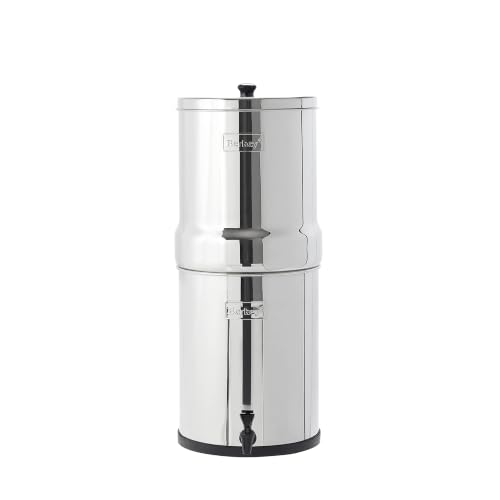
Yes, for the right home. The Big Berkey is a good fit if you want a simple countertop system and do not want to connect anything under the sink. Its 2.25-gallon chamber is sized for about one to four people for normal daily use. The maker says two Black Berkey elements can filter up to 3.5 gallons per hour, while four can reach up to 7 gallons per hour.
What stands out to me in the berkey water filter vs reverse osmosis comparison is the freedom from power and plumbing. That matters during a power outage, while traveling, or in a home where you rent. I also like the large storage tank. You can fill it and walk away. The trade-off is that Berkey does not work like an RO membrane. It is not designed around the same type of dissolved-solids reduction that makes RO popular.
What Makes It Stand Out / Key Features
- Gravity FedWater moves through the filter by gravity, so the system does not need electricity or a pressurized plumbing connection.
- 2.25 Gallon CapacityThe Big Berkey stores about 2.25 gallons, which gives a small household a useful supply of filtered water.
- Black Berkey ElementsThe maker says the elements address a broad range of contaminants and recommends replacement at 3,000 gallons per element, or 6,000 gallons per pair.
- Stainless Steel HousingThe chambers use AISI 304 stainless steel and sit on a countertop rather than under the sink.
- Expandable SetupThe Big Berkey can use up to four Black Berkey elements to increase its filtration flow.
- Optional Fluoride StageOptional PF-2 elements can be installed for additional fluoride and arsenic reduction.
My Recommendation
Consider the Big Berkey if you value simple gravity filtration, portability, stored water, and operation without power or plumbing. It fits households that want a low-tech water setup.
| Best For | Why |
|---|---|
| Renters | No permanent under-sink installation is required. |
| Emergency Prep | It can operate without electricity or a pressurized water connection. |
| Small Families | The 2.25-gallon capacity can suit one to four people for normal use. |
Is iSpring RCC7AK Good?
Yes, if your main goal is strong reduction of dissolved substances. The iSpring RCC7AK is a six-stage under-sink RO system rated at 75 gallons per day. Its design uses an RO membrane plus other filter stages, and it adds a remineralization stage near the end. In the berkey water filter vs reverse osmosis comparison, this is the more traditional choice for people who want RO treatment at a dedicated faucet.
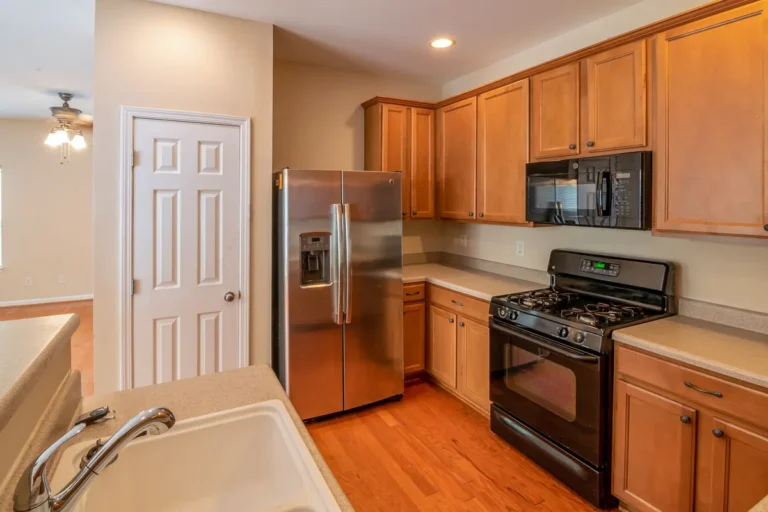
The first thing I would plan for is installation. Unlike a countertop gravity unit, an under-sink RO system needs space, tubing, a storage tank, and a drain connection. Once installed, though, the setup becomes part of the kitchen. That is convenient for daily drinking and cooking. The other key point is water efficiency. Standard RO systems can send some water to the drain, so the actual recovery rate matters when you compare models.
What Makes It Stand Out / Key Features
- Reverse Osmosis MembraneThe RO membrane is designed to reduce dissolved solids and many dissolved contaminants from drinking water.
- Six StagesThe RCC7AK combines several filtration stages with reverse osmosis and a final alkaline remineralization stage.
- 75 GPD RatingThe manufacturer rates the system at up to 75 gallons per day under specified test conditions.
- NSF ANSI 58The product is marketed as an NSF/ANSI 58 certified RO system, a standard that covers materials, construction, performance, and specified reduction claims.
- Under Sink DesignThe main filtration hardware sits under the kitchen sink and feeds a dedicated drinking-water faucet.
- Alkaline RemineralizationThe final stage adds minerals back after RO treatment to change the taste and mineral profile of the water.
My Recommendation
Consider the RCC7AK if you want an under-sink system built around reverse osmosis and strong dissolved-solids reduction. It suits homeowners who are comfortable with routine filter changes.
| Best For | Why |
|---|---|
| Homeowners | The under-sink setup works well as a permanent kitchen installation. |
| High TDS Water | RO is designed to reduce dissolved solids and many dissolved contaminants. |
| Dedicated Drinking Tap | The system supplies treated water through a separate faucet. |
berkey water filter vs reverse osmosis: Side-by-Side Test
The berkey water filter vs reverse osmosis question becomes easier when you split it into real kitchen tasks. Filtration depth is only one part of the story.
A Berkey is a gravity-fed countertop system. The iSpring RCC7AK is an under-sink RO system. That difference affects installation, power needs, water use, storage, and daily habits.
Filtration Method: How Do They Work?
The biggest difference is the way each system treats water.
| Feature | Berkey | iSpring RCC7AK |
|---|---|---|
| Main method | Gravity-fed filter elements | Reverse osmosis membrane plus multiple stages |
| Dissolved solids | Not the main design goal | Strong reduction is a core RO function |
| Filter stages | Black Berkey elements, with optional PF-2 elements | Six-stage system |
| Water storage | Built-in countertop chambers | Under-sink storage tank |
⭐ Berkey – 8/10 | iSpring RCC7AK – 9/10
RO has the edge when dissolved-solids reduction is the main goal; Berkey has a simpler filtration path.
Installation: Which Is Easier?
This is where the berkey water filter vs reverse osmosis choice feels very different in a real kitchen.
| Feature | Berkey | iSpring RCC7AK |
|---|---|---|
| Plumbing | Not required | Required |
| Electricity | Not required | Not normally required for a conventional non-pump RO setup |
| Counter space | Yes | Very little visible space |
| Setup effort | Low | Moderate |
⭐ Berkey – 10/10 | iSpring RCC7AK – 7/10
Berkey wins on simplicity because you can set it on a counter and start filling it.
Water Waste: What Happens to Extra Water?
Water efficiency matters more than many buyers expect, especially in drought-prone parts of the United States.
| Feature | Berkey | iSpring RCC7AK |
|---|---|---|
| Drain reject water | No RO-style reject stream | Yes, depending on system efficiency |
| Water recovery | Not measured as RO recovery | Depends on the specific configuration and operating conditions |
| Water efficiency concern | Low | Higher than gravity filtration |
⭐ Berkey – 9/10 | iSpring RCC7AK – 7/10
Berkey has the simpler water-use profile because it does not create an RO reject stream.
Daily Use: Which Fits a Busy Kitchen?
A filter can have great technology and still annoy you if it does not fit your routine.
| Feature | Berkey | iSpring RCC7AK |
|---|---|---|
| Fill and forget | Yes | Yes after installation |
| Drinking faucet | Countertop spigot | Dedicated faucet |
| Cooking use | Easy | Easy |
| Refill habit | Manual | Automatic production into storage tank |
⭐ Berkey – 8/10 | iSpring RCC7AK – 9/10
RO feels more seamless after installation, while Berkey keeps the process simple and visible.
Maintenance: What Needs Attention?
Both systems need care, but the jobs are different.
| Feature | Berkey | iSpring RCC7AK |
|---|---|---|
| Filter replacement | Black Berkey elements have a stated replacement schedule | Multiple filters and membrane need periodic replacement |
| Cleaning | Housing and elements need cleaning as directed | Housing, tank, faucet, and filters need routine care |
| Mechanical parts | Few moving parts | More tubing, fittings, tank, and plumbing parts |
⭐ Berkey – 9/10 | iSpring RCC7AK – 8/10
Berkey is mechanically simpler, while RO offers more treatment stages at the cost of more parts.
Portability: Can You Move It?
For renters, RV owners, and emergency planners, portability can matter as much as filtration.
| Feature | Berkey | iSpring RCC7AK |
|---|---|---|
| Move between rooms | Easy | Not practical |
| Travel use | Possible for suitable setups | Not designed for travel |
| Power outage | Can keep working | Depends on household water pressure and setup |
| Emergency use | Useful where suitable source water is available | Better suited to a permanent installation |
⭐ Berkey – 10/10 | iSpring RCC7AK – 5/10
Berkey has a clear portability advantage because it is not tied to your plumbing.
Counter Space: What Do You Give Up?
Small kitchens make this comparison very real.
| Feature | Berkey | iSpring RCC7AK |
|---|---|---|
| Visible unit | Yes | No main filter body on the counter |
| Counter footprint | About 8.5 inches in diameter for Big Berkey | Minimal |
| Under-sink space | Not needed | Required |
⭐ Berkey – 7/10 | iSpring RCC7AK – 9/10
RO keeps the counter cleaner, while Berkey avoids taking up cabinet space.
Value: What Are You Paying For?
The price is only part of the cost. Think about filters, water use, installation, and your time.
| Feature | Berkey | iSpring RCC7AK |
|---|---|---|
| Initial setup | Countertop purchase | System plus installation needs |
| Replacement parts | Black Berkey elements and optional add-ons | Several filters plus membrane |
| Installation cost | Usually low | Can be higher if professional plumbing help is needed |
| Long-term value | Strong for simple, low-tech use | Strong when RO-level treatment is the goal |
⭐ Berkey – 8/10 | iSpring RCC7AK – 8/10
Value depends on whether your priority is simple filtration or deeper RO treatment.
Final Verdict: Which Should You Buy?
The berkey water filter vs reverse osmosis decision comes down to your water and your routine. Big Berkey makes sense when you want gravity-fed filtration, no electricity, no plumbing, and easy portability. The iSpring RCC7AK makes more sense when you want a permanent under-sink RO system focused on reducing dissolved solids and supplying a dedicated faucet.
I would not treat one technology as a universal answer. Test your water first when possible. Check the exact contaminants that concern you. Then match the treatment method to that list. For a simple countertop setup, Berkey has clear advantages. For RO-style dissolved-solids reduction, the iSpring has the more relevant technology.