How To Filter Out Fluoride From Water: Best 2026 Guide
Use a reverse osmosis system, activated alumina filters, or distillation units to remove fluoride from drinking water effectively and safely.
If you've been searching for a practical way to reduce fluoride in your tap water, you're not alone. Over the past few years, I've helped dozens of families test different water filters, and I've learned that filtering fluoride isn't like filtering chlorine or sediment. Fluoride is a tiny ion that slips right through many standard filters, which is why you need the right technology. In this guide, I'll walk you through exactly how to filter out fluoride from water, which methods actually work, which ones are a waste of money, and how to choose the best option for your home or lifestyle.
Why Fluoride Is Hard to Remove From Water
Fluoride is one of the trickiest contaminants to pull out of drinking water. It's a negatively charged ion, and it bonds tightly with water molecules, which makes it behave differently than larger particles like sediment or bacteria.
Most basic pitcher filters or faucet attachments simply aren't built to grab onto fluoride. They might improve taste or reduce chlorine, but fluoride passes through almost untouched. That's why understanding what fluoride is and how it behaves in water is the first step to choosing the right removal method.
Think of fluoride like glitter in a swimming pool. A standard net won't catch it because it's too small and spreads too easily. You need something specifically designed to trap those tiny particles, like a fine-mesh skimmer. In water filtration, that "fine-mesh skimmer" is usually reverse osmosis or activated alumina.
Common Sources of Fluoride in Drinking Water
Fluoride enters your tap water mainly through two pathways:
- Naturally occurring fluoride from rocks and soil
- Water fluoridation programs that add fluoride to public water supplies
In the United States, about 75% of community water systems add fluoride to drinking water for dental health. While many people accept this practice, others prefer to filter it out, especially if they want to limit their overall fluoride intake.
Why Some People Choose to Filter Fluoride
There are several reasons people decide to filter fluoride from their water:
- Personal preference for fluoride-free drinking water
- Concerns about long-term exposure to fluoride
- Health conditions that make fluoride sensitivity a concern
- Infants and young children who may need lower-fluoride water for formula
- Skin conditions like acne or eczema that can flare up with fluoride exposure
Whatever your reason, knowing your options is key to making an informed decision.
Proven Methods to Filter Fluoride From Water
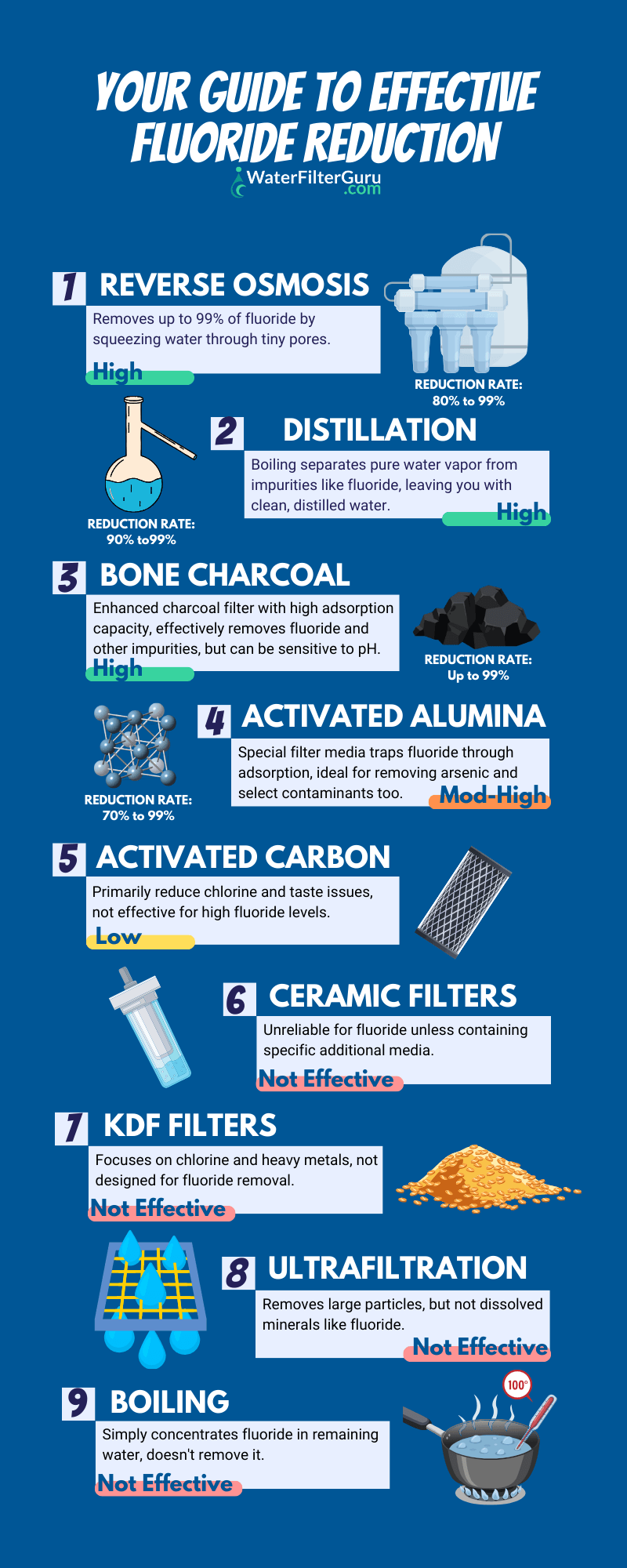
Not every water filter removes fluoride. In fact, most don't. After testing multiple systems over the years, I've found that only a few technologies consistently pull fluoride out of drinking water. Let's break them down.
Reverse Osmosis Systems
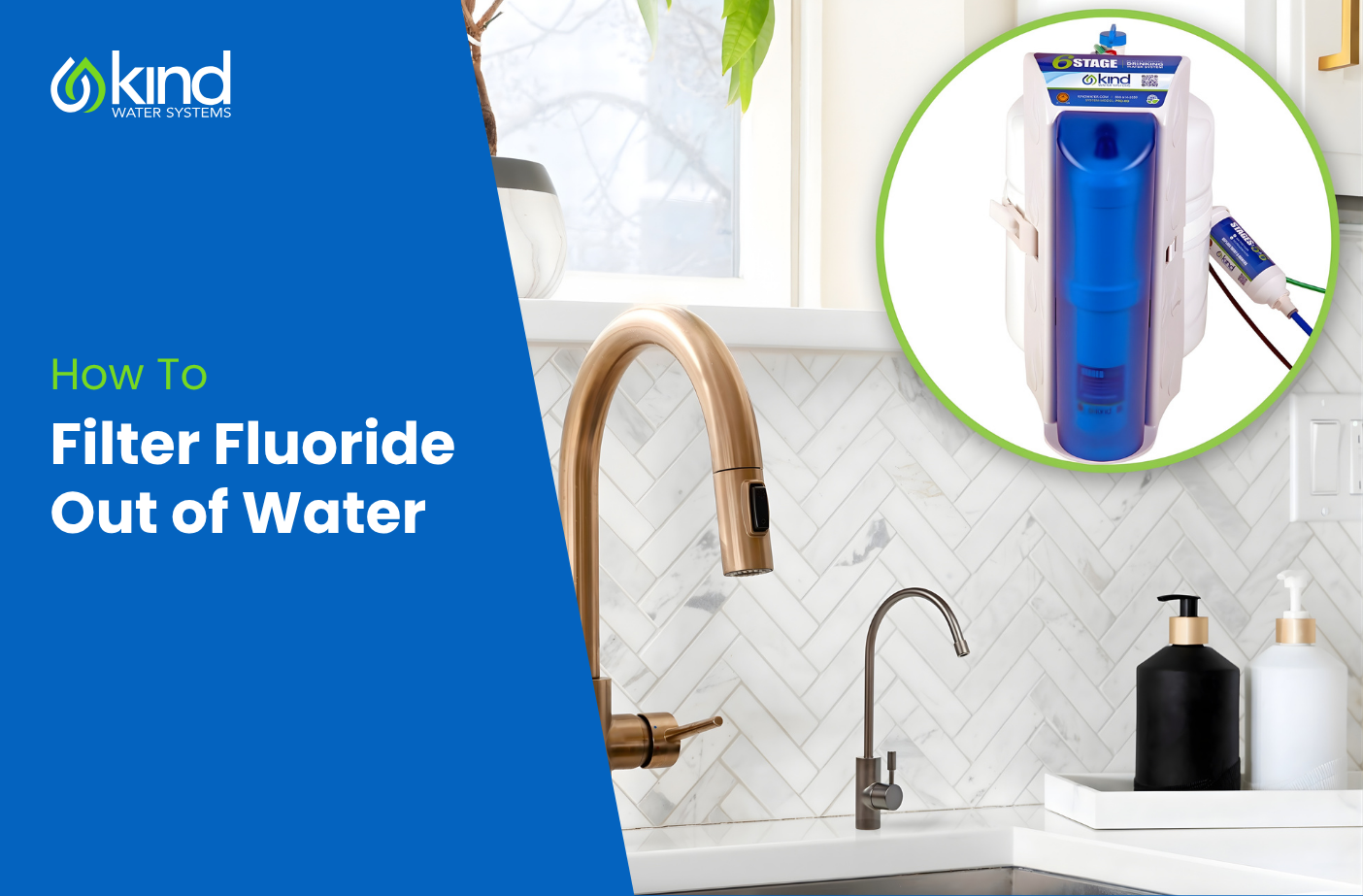
Reverse osmosis is the gold standard for fluoride removal. It works by forcing water through a semi-permeable membrane that traps contaminants, including fluoride, lead, chlorine, and other dissolved solids.
A typical RO system removes between 85% and 95% of fluoride, depending on water pressure, temperature, and the quality of the membrane. I installed one under my kitchen sink a few years ago, and the difference in water taste was noticeable almost immediately. It felt lighter, cleaner, and less metallic.
Pros:
- Removes up to 95% of fluoride
- Also filters lead, chlorine, and other contaminants
- Long-term cost savings compared to bottled water
Cons:
- Slower filtration rate
- Wastes some water during the process
- Requires professional installation for under-sink models
If you're serious about filtering fluoride from your drinking and cooking water, reverse osmosis is hands down the most reliable choice.
Activated Alumina Filters
Activated alumina is a porous, highly absorbent media that traps fluoride through adsorption. It's often used in whole-house systems or countertop filters designed specifically for fluoride removal.
These filters can remove up to 90% of fluoride when maintained properly. However, performance drops once the media becomes saturated, so you need to replace it on schedule.
From my experience, activated alumina filters work best in areas with low-to-moderate fluoride levels. If your tap water contains very high fluoride, you might need a multi-stage system.
Distillation Units
Water distillers boil water into steam, then condense it back into liquid. Since fluoride doesn't evaporate, it gets left behind in the boiling chamber.
This method removes nearly 100% of fluoride, along with bacteria, viruses, and heavy metals. But it's slow, energy-intensive, and not ideal for large households unless you have a commercial-grade unit.
I tried a countertop distiller for a few months, and while the water was incredibly pure, the process took hours to produce just a gallon. It worked well for drinking water but wasn't practical for cooking or cleaning.
Bone Char Carbon Filters
Bone char is made from charred animal bones, and it's been used for centuries to filter impurities. It can remove fluoride, along with heavy metals and chlorine, by adsorbing them onto its surface.
These filters are typically found in gravity-fed systems like Berkey filters with fluoride cartridges. They can reduce fluoride by 70% to 90%, depending on flow rate and water chemistry.
Bone char is a controversial choice for vegans, but for those comfortable with it, it's an effective and eco-friendly option.

Ineffective Filters That Don't Remove Fluoride
This is where most people waste money. Not every filter does what it claims, especially when it comes to fluoride.
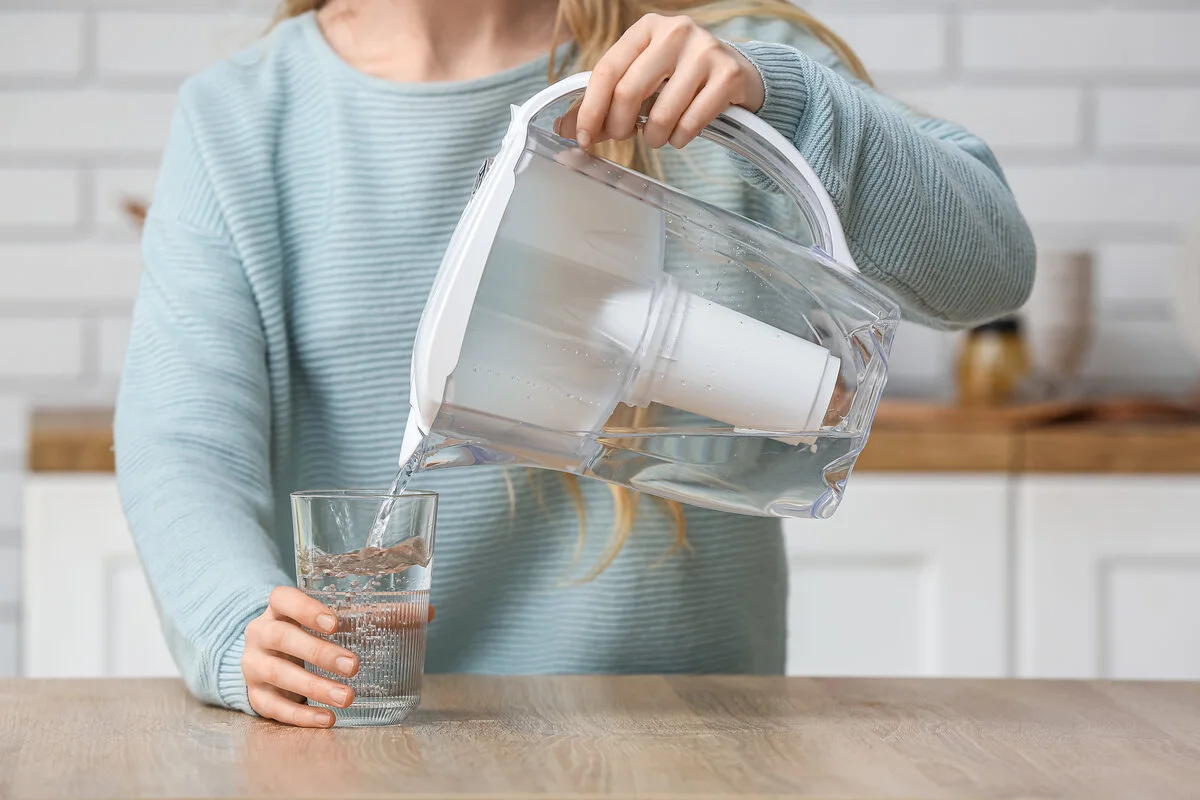
- Pitcher filters: Most use activated carbon, which reduces chlorine but barely touches fluoride
- Faucet-mounted filters: Convenient but usually lack the technology to trap fluoride
- Standard carbon block filters: Better for taste and odor, not fluoride reduction
- UV filters: Designed to kill bacteria, not remove chemical contaminants
Before you buy any filter, check the product specs. If it doesn't specifically mention fluoride reduction, it's probably not going to work.
How to Choose the Right Fluoride Filter for Your Home
Choosing the right filter depends on your water source, household size, and budget. Here's a simple framework to help you decide.
Identify Your Water Type
Start by checking your local water report. It tells you exactly how much fluoride is in your tap water, along with other contaminants. If you're on a private well, get your water tested professionally.
Match the Filter to Your Needs
- For drinking and cooking water only: A reverse osmosis system under the sink is ideal
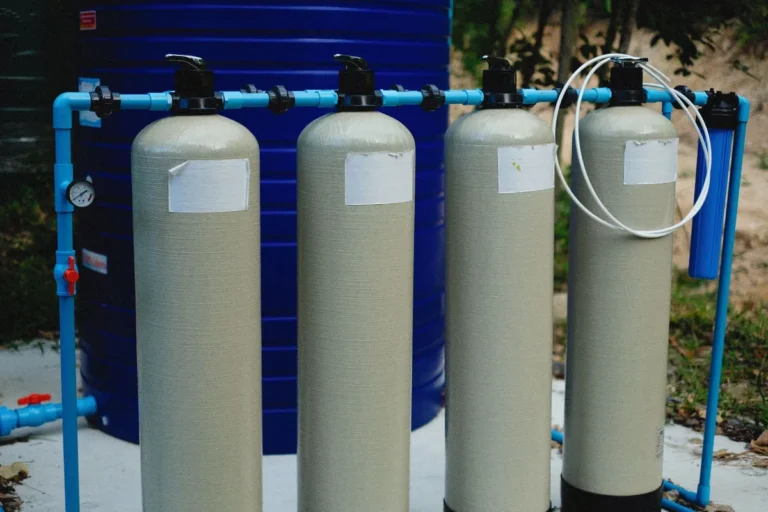
- For whole-house filtration: Look at activated alumina or bone char systems
- For portable use: Countertop RO units or gravity-fed filters with fluoride cartridges
- For emergencies: Distillation units or portable RO systems
Consider Maintenance and Cost
Every filter requires upkeep. RO membranes need replacing every 1-2 years. Activated alumina media lasts around 6-12 months. Bone char cartridges can last up to a year but need periodic replacement.
Factor in ongoing costs before you buy. A cheap filter that never gets replaced is basically useless.
Check for Certifications
Look for filters certified by NSF International or WQA. These certifications confirm the filter actually does what it claims, including fluoride reduction.
Step-by-Step Guide to Installing a Reverse Osmosis System
If you decide to go with reverse osmosis, here's a quick overview of what the installation process looks like.
- Pick a location under your kitchen sink with enough space for the unit and storage tank.
- Turn off the cold water supply and drain the lines.
- Install the feed water adapter on the cold water pipe.
- Mount the RO unit and connect the tubing to the faucet, drain saddle, and storage tank.
- Flush the system for 2-3 hours before drinking the water.
- Replace filters according to the manufacturer's schedule.
If you're not comfortable doing plumbing work, hire a professional. Most installations take 1-2 hours and cost between $100 and $300 in labor.
Tips for Maintaining Your Fluoride Filter
Once your filter is installed, regular maintenance keeps it working at peak performance.
- Replace filters on time, even if the water still looks fine
- Sanitize the system annually to prevent bacterial growth
- Test your water yearly to confirm fluoride is being removed
- Keep a log of filter changes so you don't forget
I've learned the hard way that skipping filter changes reduces performance dramatically. One year, I forgot to replace my RO membrane, and my fluoride levels nearly doubled. Lesson learned: stick to the schedule.
Common Mistakes to Avoid When Filtering Fluoride
Here are a few pitfalls I've seen (and experienced myself):
- Buying the wrong filter: Always confirm it specifically targets fluoride
- Ignoring water pressure: Low pressure reduces RO efficiency
- Skipping pre-filters: Sediment and carbon pre-filters protect the RO membrane
- Using plastic storage tanks: Glass or stainless steel is better for long-term water quality
Environmental Impact of Fluoride Filtration
Filtering water at home is more eco-friendly than buying bottled water, but it does have some environmental considerations.
RO systems waste about 3-4 gallons of water for every gallon produced. Some newer models are more efficient, wasting closer to 1:1. If water conservation matters to you, look for high-efficiency RO systems or consider distillation if you have the energy capacity.
Bone char and activated alumina filters produce less wastewater but require periodic media replacement, which generates some waste.
Is Fluoride in Water Safe?
This is a question I get all the time. The short answer: yes, for most people at typical levels found in U.S. drinking water. The CDC and WHO both consider fluoridated water safe at recommended levels (0.7 mg/L in the U.S.).
However, some studies suggest potential risks from long-term exposure, especially for infants and people with kidney issues. If you have specific health concerns, filtering fluoride gives you more control over your intake.
The key is making an informed choice based on your own health needs and preferences, not fear or misinformation.
How to Test If Your Filter Is Actually Removing Fluoride
Don't just assume your filter is working. Test it.
- Use a fluoride test kit: Available online or at hardware stores
- Send a sample to a certified lab: Most accurate option
- Check TDS readings: Total dissolved solids meters won't measure fluoride directly but can indicate overall filtration performance
I test my filtered water every six months. It's a small investment that gives me peace of mind.
Frequently Asked Questions
Does boiling water remove fluoride?
No, boiling water does not remove fluoride. In fact, it can concentrate fluoride as water evaporates, slightly increasing its levels.
Can a Brita filter remove fluoride?
Standard Brita pitchers do not remove fluoride. However, Brita does offer a longlast filter that reduces some fluoride, but it's not certified for fluoride removal.
Is fluoride in bottled water a concern?
Some bottled waters contain fluoride, especially if they're sourced from municipal supplies. Check the label or contact the manufacturer if fluoride content matters to you.
How often should I replace my fluoride filter?
It depends on the system. RO membranes typically last 1-2 years, activated alumina media lasts 6-12 months, and bone char cartridges last up to a year. Follow the manufacturer's guidelines.
Are fluoride filters expensive to maintain?
Maintenance costs range from $50 to $200 per year, depending on the system. RO systems tend to be the most cost-effective long-term.
Final Thoughts
Filtering fluoride from water isn't complicated once you know what works and what doesn't. Reverse osmosis, activated alumina, distillation, and bone char are your best bets. Skip the cheap pitcher filters and anything that doesn't specifically mention fluoride removal.
Take a few minutes to test your water, choose the right system for your needs, and stick to the maintenance schedule. Clean, fluoride-free water is one of the easiest upgrades you can make for your health and your family's well-being.
If you found this guide helpful, drop a comment below with your questions or share your own experience filtering fluoride. I'd love to hear what's worked for you.