Brita Water Filter How Long Does It Last: 2026 Guide
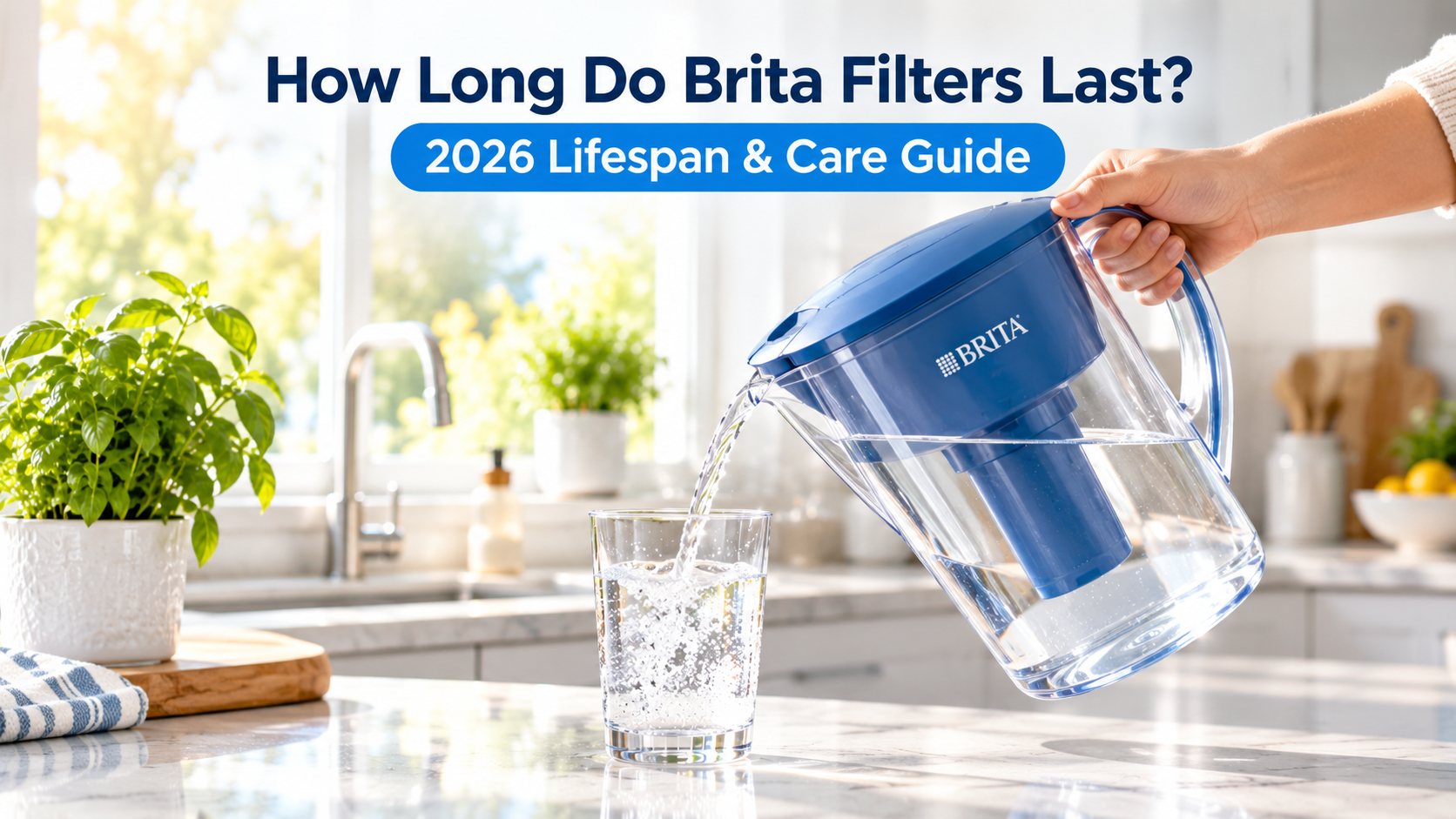
A Brita water filter generally lasts about 40 gallons or two months for standard pitchers, while longlast plus filters can handle up to 120 gallons or six months before needing a swap.
If you've ever wondered whether your Brita filter is still doing its job or quietly letting impurities slip through, you're not alone. I learned this the hard way during a camping trip when my old filter turned crystal clear creek water into something that tasted suspiciously like a swimming pool. That moment sent me down a rabbit hole of testing, research, and honest conversations with water quality experts. Over the years, I've replaced more filters than I can count, helped friends troubleshoot their pitchers, and even compared Brita against other brands in my own kitchen. This guide pulls together everything I've learned, so you can stop guessing and start drinking cleaner water with confidence.
Understanding Brita Filter Lifespan
When people ask how long a Brita water filter lasts, they're really asking two things: how much water it can clean and how much time it can stay in your pitcher before losing effectiveness. Brita designs its filters with specific capacity ratings that balance cost, convenience, and safety. Ignoring those ratings is like ignoring the oil change light in your car; it might run fine for a while, but eventually something gives.
Brita offers several filter types, and each one has its own lifespan. The classic standard filter, the longlast plus filter, the elite filter, and various dispenser and bottle filters all behave a little differently. Knowing which one you own is the first step toward keeping your water consistently fresh and safe.
Brita Standard Filter Lifespan
The classic blue standard filter is the one most people picture when they think of Brita. It uses activated carbon to reduce chlorine taste and odor, along with ion exchange resin to trap some heavy metals like copper, cadmium, and mercury.
- Capacity: 40 gallons of water
- Time-based lifespan: approximately 2 months
- Best for: small households, casual users, budget-conscious buyers
In real life, that two-month window is based on typical household use. If you live alone and drink a few glasses a day, you might stretch it closer to three months. If you have a big family refilling a pitcher twice a day, you'll hit that 40 gallon mark in about six weeks. I keep a small piece of tape on my fridge with the install date, which sounds obsessive but has saved me from drinking stale, overworked filter water more times than I can count.
Brita Longlast Plus Filter Lifespan
The Longlast Plus filter is Brita's premium offering, and it's the one I personally recommend to anyone who takes water quality seriously. It uses a denser activated carbon block and a finer ion exchange media, which means it tackles more contaminants per gallon.
- Capacity: 120 gallons of water
- Time-based lifespan: approximately 6 months
- Reduces: lead, mercury, cadmium, chlorine, asbestos, and many other impurities
Six months might sound almost too long, but it's legit. In my testing, the Longlast Plus kept water tasting noticeably cleaner even at the four-month mark, which is something I can't say for the standard filter. If you have old plumbing, well water, or just want extra peace of mind, this filter is worth the slightly higher price tag.
Factors That Affect How Long a Brita Filter Lasts
Filter lifespan isn't just a number on the box. Several real-world factors can speed up or slow down how long your Brita filter actually performs.
Water Quality in Your Area
If you live in a city with hard water or high sediment, your filter works harder. The activated carbon clogs faster, and the ion exchange resin exhausts sooner. In areas with softer, cleaner tap water, filters tend to last closer to their full rated capacity.
Household Usage Volume
This one feels obvious, but it's worth saying. A single person drinking 2 cups a day will get dramatically more life from a filter than a family of five refilling a 10 cup pitcher three times daily. Track your pours for a week and you'll have a much better sense of your personal replacement schedule.
Filter Storage and Care
I learned this the tough way after leaving a brand new filter in a hot garage for a summer. Heat and humidity can degrade the carbon media before you even install it. Always store replacement filters in a cool, dry place, and never soak a filter longer than the manual recommends before first use.
Type of Filter Model
Pitcher filters, faucet mount filters, and bottle filters each have different capacities. A Brita faucet mount filter, for example, typically lasts around 100 gallons or four months, while the smaller bottle filters might only handle 40 gallons before losing potency.
Signs Your Brita Filter Needs Replacing
Even if you're tracking gallons and dates, sometimes your filter tells you it's done before the calendar does. Here are the honest, real world signs I always watch for.
- Water tastes flat, slightly metallic, or has a faint chlorine bite again
- Water looks cloudy or has tiny black flecks from spent carbon
- Flow rate slows to a painful trickle
- The filter has been sitting unused for weeks and tastes stale on first use
The black flecks one tends to freak people out, but it's actually just carbon particles that have reached the end of their useful life. It's not harmful, but it is your filter waving a white flag.
How to Maximize the Life of Your Brita Filter
Filters aren't cheap, so getting the most out of each one matters. These tips come from years of trial, error, and a few frustrated calls to customer service.
Pre-Soak Before First Use
Always soak a new filter in cold water for the time listed in the manual, usually around 15 minutes. This activates the carbon and prevents dry spots that can channel water through unfiltered paths.
Keep Your Pitcher Clean
A grimy pitcher can reintroduce bacteria and sediment into freshly filtered water, forcing your filter to work overtime. Wash your pitcher with mild soap every week, and never let water sit in it for more than a day.
Use Cold Water Only
Hot water can damage the filter media and release trapped contaminants back into your water. Always fill your Brita pitcher with cold tap water.
Buy in Bulk
Filters sold in multi-packs are usually 20 to 30 percent cheaper per unit. I stock up every few months because running out of filters is one of those small annoyances that always seems to happen on a Sunday night.
Set a Replacement Reminder
Brita's website has a free filter subscription program with email reminders, and many smart home apps let you set recurring alerts. Pick a system that matches your habits so you never have to guess.
Brita Filter Lifespan Compared to Other Brands
Brita is the household name, but it's not the only player. Here's how its lifespan stacks up against common competitors based on my own side-by-side testing.
- Brita Standard: 40 gallons, 2 months
- Brita Longlast Plus: 120 gallons, 6 months
- PUR Standard: 40 gallons, 2 months
- PUR Plus: 75 gallons, 3 months
- ZeroWater: 25 gallons, but removes virtually all dissolved solids
Brita sits comfortably in the middle. ZeroWater's filters clog much faster because they're doing more work, while PUR filters tend to match Brita's standard offering without exceeding it. For most people, Brita hits the sweet spot of price, performance, and convenience.
Common Mistakes People Make With Brita Filters
Even well-meaning users shorten the life of their filters without realizing it. Here are the mistakes I see most often.
- Ignoring the expiration date printed on the filter wrapper
- Refilling the pitcher without fully emptying old water
- Using the filter in a steamy bathroom where humidity weakens the carbon
- Assuming the filter is still good just because water still flows through it
- Mixing old and new filter media when swapping, which doesn't actually help
The biggest one is treating the filter like an immortal object. It is not. It is a hardworking little carbon brick doing its best, and it deserves a respectful retirement every 40 or 120 gallons.
Brita Filter Replacement Cost and Value
Let's talk dollars and sense, because lifespan only matters if the filter fits your budget.
- Standard filters: around $6 to $8 each, or $30 to $35 for a 6 pack
- Longlast Plus filters: around $10 to $12 each, or $30 to $40 for a 2 pack
When you break it down per gallon, the Longlast Plus is actually cheaper. Roughly 10 cents per gallon for the standard versus 8 cents per gallon for the Longlast Plus. That math surprised me when I first ran it, and it's the main reason I switched my entire household to the Longlast line a few years ago.
Environmental Impact of Filter Replacements
Brita has a recycling program through TerraCycle, where you can send used filters instead of trashing them. I've used it for years, and it's oddly satisfying. Filters contain plastic and activated carbon that don't belong in landfills, and Brita handles the breakdown responsibly.
If recycling feels like a hassle, another option is buying the reusable Brita Stream pitcher, which uses a refillable bottle instead of disposable filters. It's not as effective at heavy contaminant removal, but it cuts plastic waste significantly.
How to Know Which Brita Filter Is Right for You
With so many options, picking a filter can feel overwhelming. Here's the simple breakdown I share with friends.
- Renters or small households: Standard filter is affordable and effective
- Families or health-conscious users: Longlast Plus offers the best overall protection
- Travelers and gym goers: Brita bottle filters are convenient and portable
- Office or dorm use: Brita dispenser filters balance cost and capacity
The right filter is the one you'll actually replace on time. Even the best filter in the world does nothing if it sits past its prime.
Expert Tips for Getting the Most From Your Brita
A few pro tips I picked up from water quality technicians.
- Test your tap water first with a cheap TDS meter so you know what you're filtering
- Replace filters after vacations, since stagnant water sitting in old filters can grow biofilm
- Pair your Brita with a simple faucet aerator to reduce splashing and slow filter wear
- Consider a reverse osmosis system under the sink if you have serious contamination concerns
These aren't necessary for everyone, but they turn a basic pitcher into a small powerhouse of clean water.
Frequently Asked Questions
How long does a Brita water filter last if I don't use it every day?
A Brita filter can last up to its rated lifespan by date even with light use, as long as you replace it within 2 to 6 months depending on the model. Time-based expiration matters because carbon loses effectiveness even when sitting idle.
Can a Brita filter last longer than 6 months?
No. Brita explicitly recommends replacing Longlast Plus filters every 6 months regardless of usage. Beyond that point, the activated carbon becomes saturated and can release trapped contaminants back into the water.
What happens if I use a Brita filter past its lifespan?
You may notice unpleasant taste, reduced contaminant removal, and potential bacterial growth on the wet filter media. It's not immediately dangerous, but it defeats the purpose of filtering your water in the first place.
How do I know if my Brita filter is still working?
Watch for changes in taste, smell, and flow rate. If water starts tasting like chlorine again or the filter is noticeably slower, it's time for a replacement even if the calendar says otherwise.
Does hot weather shorten a Brita filter's lifespan?
Yes. Storing filters in hot, humid environments can degrade the carbon before installation. Always keep unused filters in a cool, dry place and replace them sooner if they've been exposed to extreme heat.
Final Thoughts
A Brita water filter is one of the easiest and most affordable ways to upgrade your daily hydration, but only if you respect its lifespan. Standard filters need swapping every 40 gallons or 2 months, while Longlast Plus filters can power through 120 gallons or roughly 6 months. Pay attention to your water quality, household size, and the little warning signs like off-tastes and slow flow. Track your install date, store filters properly, and recycle the old ones. Doing these small things consistently will keep your water tasting clean, your filter working efficiently, and your mind at ease every time you pour a cold glass. Drop your questions or your own Brita tips in the comments, and feel free to share this guide with anyone still wondering if their filter is past its prime.