How Often Should I Change My Brita Water Filter: 2026 Guide
Most Brita water filters need to be replaced every 40 gallons or about every two months for standard pitchers, while some specific models can last longer. If you've ever stared at your Brita pitcher wondering whether it's still doing its job, you're definitely not alone. I've been there too—second-guessing that slim filter tucked inside my fridge. Let me walk you through everything you need to know about how often you should change your Brita water filter, so you can keep your water clean, fresh, and safe without any guesswork.

Understanding Brita Filter Lifespan
Brita filters don't last forever, and the exact lifespan depends on the type you own. Standard Brita pitcher filters typically need replacing after filtering around 40 gallons of water, which works out to roughly two months for the average household. If you live alone and drink less water, your filter might stretch a bit longer. If you have a big family that guzzles water daily, you'll probably hit that 40-gallon mark faster.
The company designs each filter with a specific capacity in mind. When you exceed that capacity, the activated carbon inside the filter becomes saturated and stops effectively trapping contaminants. Think of it like a sponge that has absorbed all it can—once it's full, it can't soak up anything more. That's exactly what happens inside your Brita filter as it works hard to clean your tap water.
Different Brita Filter Types and Their Replacement Schedules
Brita makes several filter types, and each one has its own replacement timeline. Knowing which one you have is the first step to keeping your water quality high.
Standard Pitcher Filters
These are the classic blue and white filters most people recognize. They generally last about 40 gallons or two months. They're affordable, easy to find, and do a solid job reducing chlorine taste and odor, copper, cadmium, and mercury.
Longlast+ Filters
If you want fewer replacements, Brita's Longlast+ filters are a game-changer. They can filter up to 120 gallons, which translates to about six months of use for most people. They're more expensive upfront, but the convenience of changing them just twice a year is worth it for many households. These filters also reduce more contaminants, including lead and asbestos.
Stream and Bottle Filters
Brita's filtered water bottles and on-the-go filters typically have shorter lifespans because they're designed for travel and smaller capacities. Most bottle filters need replacing after about 40 gallons or every two months, similar to pitcher filters. Stream filters, which attach directly to your faucet, often last around 100 gallons or four months before needing a swap.
Smart Filters and Indicator Models
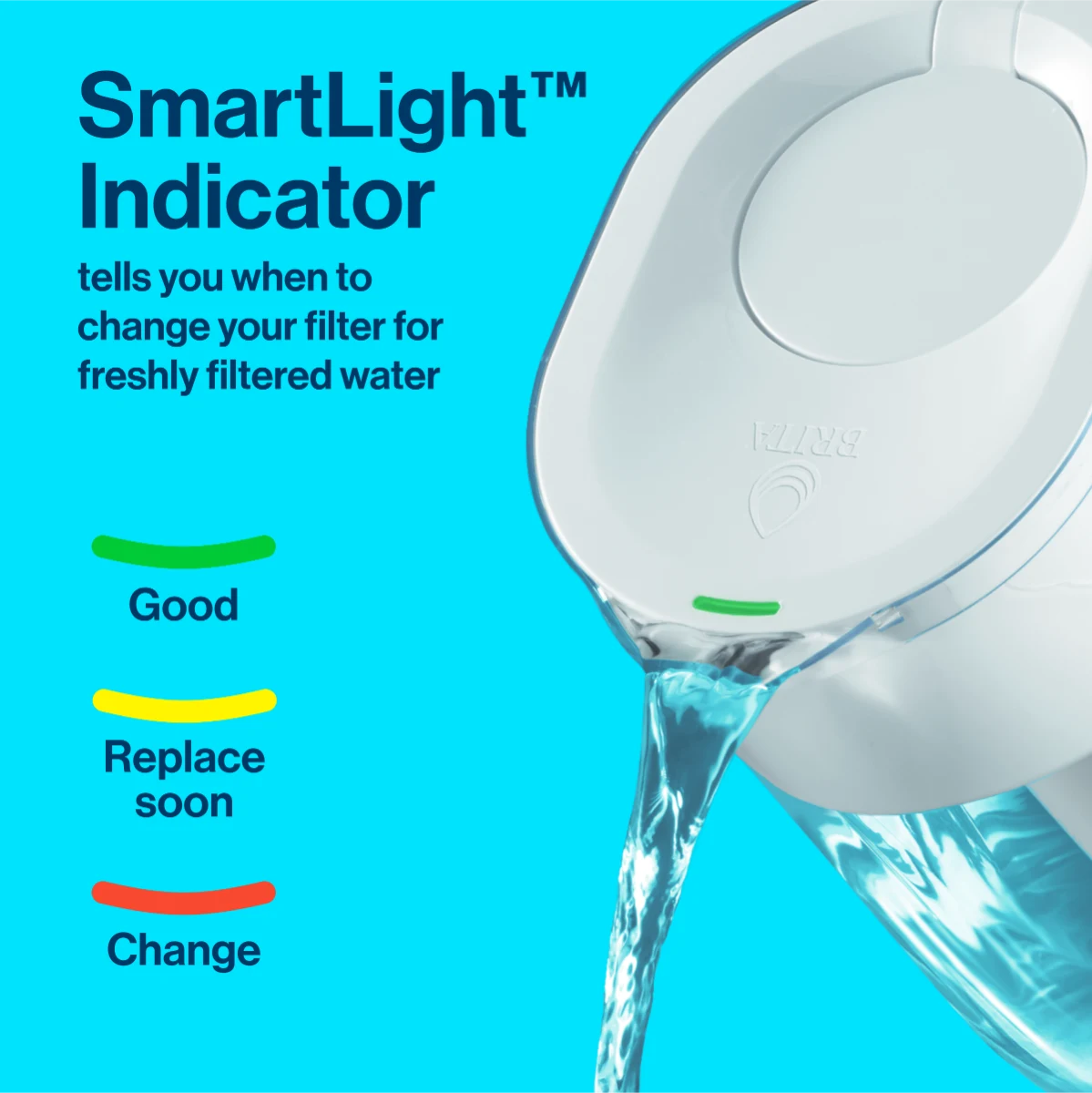
Some newer Brita pitchers come with electronic indicators that track usage and tell you exactly when to change the filter. These take the guesswork out completely. The indicator uses algorithms based on time and water flow to remind you precisely when performance starts dropping.
Why Regular Replacement Matters
You might wonder why you can't just leave the same filter in forever. Here's the thing—skipping replacements actually makes your water less safe over time. A worn-out filter can't trap new contaminants, and worse, it can become a breeding ground for bacteria.
Think about it this way: a filter works by trapping particles and impurities. Once those trapped particles build up, they create the perfect environment for microbial growth. An old filter can actually release bacteria and accumulated gunk back into your water, which defeats the entire purpose of filtering in the first place.
Beyond safety, an expired filter also affects taste. Water from a tired filter often tastes flat, stale, or even slightly funky. If your water doesn't taste as crisp as it used to, that's a red flag that your filter needs attention.
Signs Your Brita Filter Needs Changing
Even without an indicator, your Brita gives you little clues when it's time for a new filter. Here are the signs I always watch for:
- Water tastes different or has a strange odor
- Water flow slows down noticeably during pouring
- The filter has been in use for two months or longer
- You notice particles or cloudiness in your water
- It's been sitting unused for a long period, especially if it was already used
If you've recently refilled the reservoir but the water still tastes like tap, that's your filter telling you it's done its job and is ready to retire.
How to Replace Your Brita Filter
Changing a Brita filter is one of the simplest home maintenance tasks you can do. Here's a quick walkthrough:
- Remove the old filter from the reservoir
- Discard it in your regular trash
- Rinse your new filter under cold water for about 15 seconds
- Soak the new filter in cold water for 15 minutes if it's a standard model, or follow the specific instructions on the packaging
- Insert the new filter into the reservoir
- Run two pitchers of water through before drinking
The soaking step activates the carbon and helps the filter perform at its best right from the start. Don't skip it, especially with new filters.
Maximizing Your Filter's Lifespan
There are a few simple habits that can help you get the most out of every filter. First, always use cold water—hot water can damage the filter's carbon structure and reduce effectiveness. Second, store your pitcher in the fridge, especially if you don't use it daily. Cooler temperatures slow bacterial growth in both the filter and the water.
Another tip: keep your pitcher clean. Rinse it regularly and wash it with mild soap and water every couple of weeks. A clean pitcher means fewer particles for your filter to capture, which can extend its useful life slightly.
Avoid letting water sit in the pitcher for days on end. Fresh water is always better, so try to refill your pitcher as you use it rather than letting it sit stale.
Common Mistakes to Avoid
I've made some of these mistakes myself, so trust me when I say they're easy to overlook. One big mistake is ignoring the replacement schedule because the water still "looks" fine. Contaminants are invisible, and clarity doesn't equal purity.
Another mistake is reusing old filters by rinsing them out. Brita filters aren't designed to be cleaned and reused. Once they've reached their capacity, they're finished—no amount of rinsing will restore their filtering power.
Some people also forget to remove the filter wrapper before installing, which can cause water flow issues or leave plastic bits in your water. Always double-check that you've removed all packaging before soaking and installing.
The Cost of Replacement Filters
Replacement costs add up over time, but they're manageable if you plan ahead. Standard Brita filters cost around $6 to $8 each, while Longlast+ filters run about $20 to $30 but last three times longer. Buying in bulk or subscribing to Brita's delivery service can save you money and ensure you never forget to replace a filter.
When you break it down, filtering your own water at home costs just pennies per gallon compared to bottled water. It's one of those small investments that pays off in both health and savings.
Environmental Impact of Regular Replacement
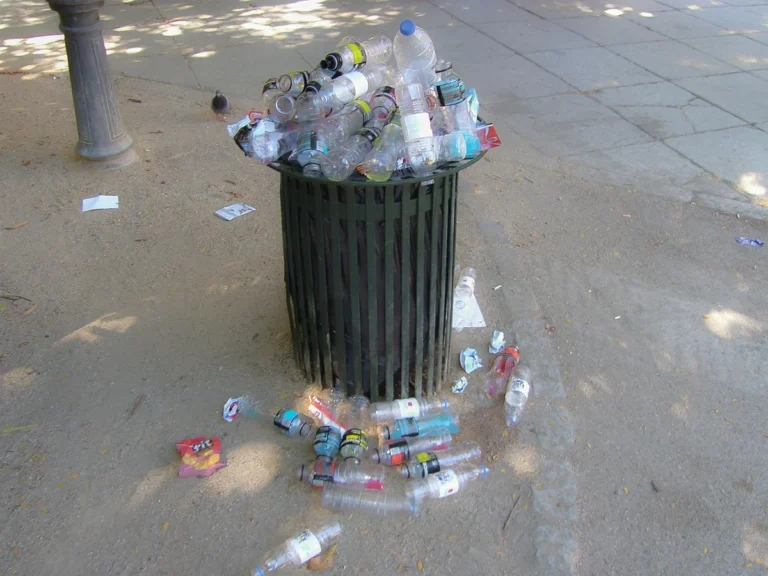
Here's something to feel good about: using a Brita pitcher significantly reduces your reliance on single-use plastic water bottles. Every filter replacement keeps dozens of plastic bottles out of landfills. When you do swap out your filter, just toss it in the trash—Brita doesn't have a recycling program for used filters, but some local recycling centers accept them.
Brita Filter Replacement for Specific Use Cases
Large Families
If you have four or more people using filtered water daily, you'll likely need to replace your standard pitcher filter every month or so. Consider switching to Longlast+ filters to reduce the hassle and cost of frequent replacements.
Small Households or Single Users
If you're the only one drinking filtered water, your filter can easily last two to three months. Just keep track of the install date so you know when it's time.
Office or Shared Spaces
Offices often go through filters faster because multiple people fill bottles throughout the day. Plan to replace filters every four to six weeks, and keep extras on hand so you never run out.
Vacation Homes or Occasional Use
If your Brita sits unused for weeks, change the filter before your next stay. Stagnant water in an old filter can harbor bacteria, and it's better to start fresh.
How Brita Compares to Other Filter Brands
Brita is one of the most recognized names, but it's worth knowing how it stacks up. PUR filters generally have similar lifespans and contaminant reduction. ZeroWater filters purify water more thoroughly but need replacing more often because they filter more contaminants. Clearly Filtered and Epic Water Filters are premium options with longer lifespans, but they cost more.
For most households, Brita offers the best balance of price, performance, and availability. The replacement filters are easy to find at any grocery store, pharmacy, or online retailer.
What Happens If You Use an Expired Filter
Using an expired filter is risky, but how risky depends on how long it's been overdue. A filter that's a week or two past its lifespan won't necessarily harm you, but it will lose effectiveness. Contaminants like chlorine, lead, and mercury can pass through without being trapped, leaving your water no cleaner than unfiltered tap water.
A filter that's months overdue is a different story. Bacterial growth becomes a real concern, and you might notice unpleasant tastes or odors. If you've forgotten about a filter for a long time, don't drink the water—just replace the filter and run a few pitchers through before using it again.
Keeping Track of Replacement Schedules
Life gets busy, and it's easy to forget when you last swapped your filter. Here are some tricks that work:
- Set a phone reminder for two months after each replacement
- Write the install date on the filter with a permanent marker
- Use Brita's app if you have a smart indicator model
- Keep a small notebook on your fridge to track filter changes
- Buy filters in bulk and mark your calendar when you open a new package
Consistency matters more than perfection. Even if you miss the exact replacement window by a week or two, you're still way ahead of people who never replace their filters at all.
Filter Storage Tips
If you buy filters in advance, store them in a cool, dry place. Avoid storing them in humid bathrooms or near heat sources, which can degrade the carbon. Sealed filters stay good for years, so buying in bulk is a smart move if you find a good deal.
:max_bytes(150000):strip_icc()/how-long-do-brita-filters-last-01-2000-94dd7c6f38294a2ab0c2476c16fc5309.jpg)
Frequently Asked Questions About Brita Filter Replacement
How do I know exactly when my Brita filter needs changing?
Most standard Brita filters should be replaced every 40 gallons or about two months. If your pitcher has an electronic indicator, it will alert you automatically. Otherwise, track your install date or watch for changes in water taste and flow.
Can I use my Brita filter longer than the recommended time?
It's not recommended. Once a filter reaches its capacity, it stops effectively removing contaminants and can harbor bacteria. Sticking to the replacement schedule keeps your water safe and clean.
Do unused Brita filters expire?
Sealed Brita filters don't expire quickly, but they can lose effectiveness if stored in poor conditions. Keep them sealed in a cool, dry place, and they'll stay effective for years.
What if my Brita filter gets wet before I install it?
If a filter gets wet before installation, it may start the activation process prematurely. It's best to install it right away rather than letting it sit wet for days.
Is it safe to drink water from an old Brita filter?
Water from an expired filter isn't necessarily dangerous, but it may not be cleaner than tap water. Old filters can release trapped contaminants and bacteria back into your water, so it's best to replace them on schedule.
Final Thoughts on Brita Filter Replacement
Staying on top of your Brita filter replacement is one of the easiest ways to ensure your drinking water stays clean, safe, and great-tasting. Whether you stick with standard filters and swap them every two months or upgrade to Longlast+ filters for six months of hassle-free use, the key is consistency. Don't wait for your water to taste off—set a reminder, buy filters in bulk, and make replacement part of your routine. Your taste buds and your health will thank you.
If you found this guide helpful, feel free to share it with friends or family who use Brita pitchers. Got questions or tips of your own? Drop them in the comments below—I love hearing how other people make their water filter routines work for them.