How Long Does Water Filter Last In Refrigerator: 2026 Guide
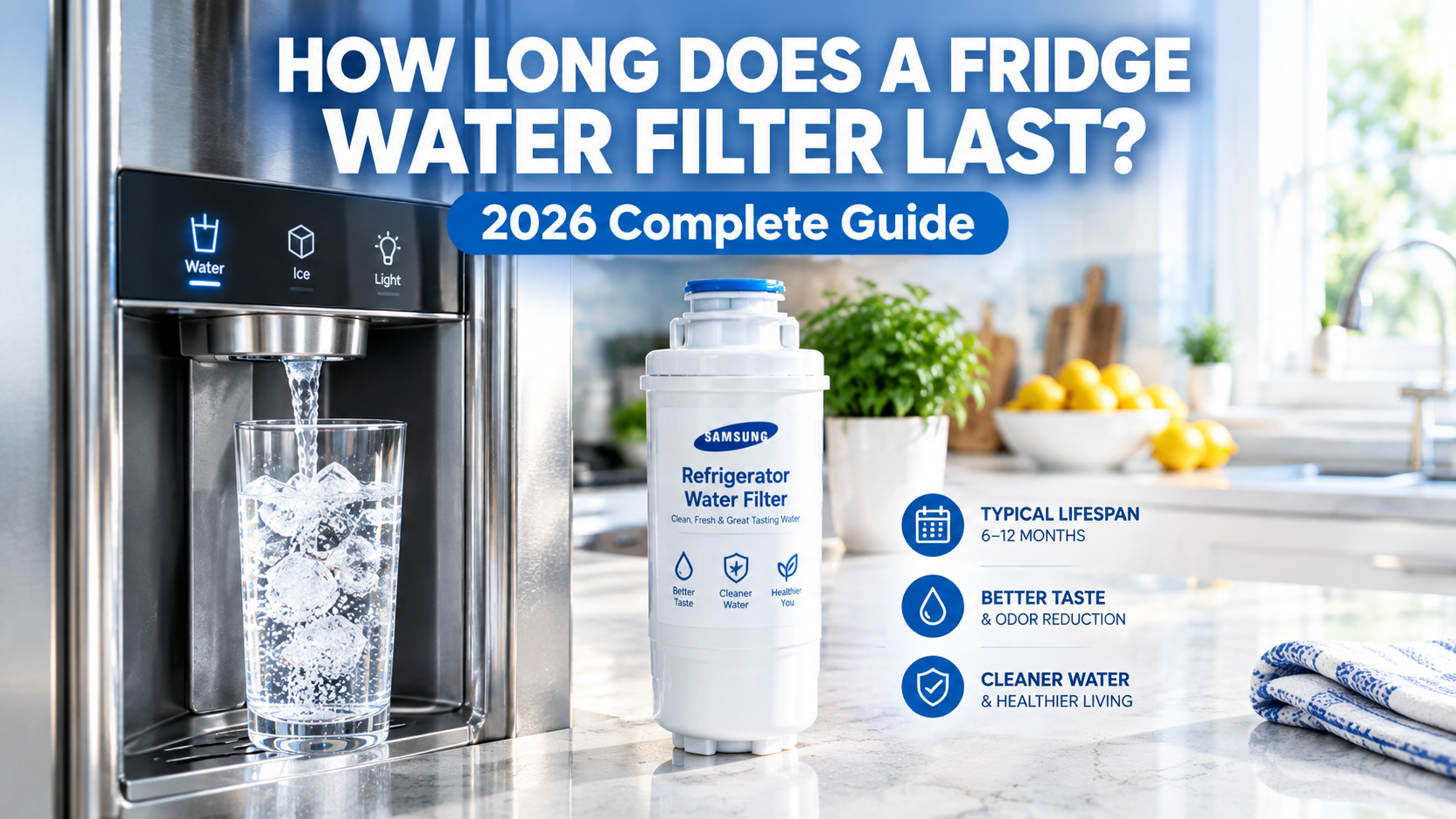
Most refrigerator water filters last about six months or 200 gallons, whichever comes first, depending on usage and water quality.
If you've ever taken a sip from your fridge dispenser and noticed the water tastes a little off, your filter might be waving a white one. I remember the first time I ignored that weird taste for months, thinking, "It's just fridge water, how bad could it be?" Turns out, pretty bad. After swapping in a new filter, the difference was night and day. That moment kicked off my deep dive into how long these little cartridges really last, and what makes them wear out faster or slower. In this guide, I'll walk you through everything I've learned from years of testing filters, chatting with appliance techs, and yes, forgetting to change them more times than I'd like to admit. By the end, you'll know exactly when to swap yours, how to spot the early warning signs, and how to squeeze the most life out of every filter.
How Long Does a Refrigerator Water Filter Actually Last
The lifespan of a refrigerator water filter isn't a one-size-fits-all number. Most manufacturers, from Whirlpool to Samsung to GE, recommend changing the filter every six months or after filtering about 200 gallons of water. Some high-capacity models can go up to a full year or 400 gallons, but those are the exception, not the rule.
In my experience, the "six months" rule is a solid baseline, but your actual usage matters more. If you fill a single water bottle a day, you might stretch it closer to eight or nine months. If your family goes through filtered water like it's going out of style, you might hit that 200-gallon mark in just three or four months.
Think of your filter like a sponge. It can only absorb so much before it gets clogged and stops doing its job. Sediment, chlorine, lead, and other contaminants slowly build up on the filter media until it either gets blocked or starts releasing trapped particles back into your glass.

Factors That Affect Filter Lifespan
Not all water is created equal, which means not all filters age the same way. Here are the biggest factors that determine how long your filter will actually last.
Water Quality in Your Area
This is the number one game-changer. If you live in an area with hard water, your filter works overtime to remove minerals like lime and calcium. In places with old pipes, there's more sediment and rust to catch. Municipal water that smells heavily of chlorine will clog carbon filters faster because the carbon is working hard to absorb all that chlorine.
When I moved from a city with soft, well-treated water to a place with hard municipal water, my filter life dropped by almost two months. The ice maker even started producing cloudy cubes, which was my first clue that something had changed.
Household Usage Patterns
A single person living alone will put way less demand on the filter than a family of five. If you're constantly filling pitchers, making iced tea, and running the dispenser for the kids, your filter cycles through its capacity much faster.
Here's a simple way to estimate your usage. The average person drinks about eight cups of water per day, which is about half a gallon. If you have four people in your house, that's two gallons a day. Multiply that by 30 days, and you're at 60 gallons a month, putting you right at the 200-gallon mark in just over three months.
Filter Type and Brand
Different brands use different filtration media. Basic carbon filters typically last six months. More advanced filters with multiple stages, like those that remove lead and cysts, might have a shorter lifespan because they have more work to do. Third-party filters, which are often cheaper, sometimes have lower capacity ratings than OEM ones. Always check the specs before you buy.

Signs Your Refrigerator Water Filter Needs Changing
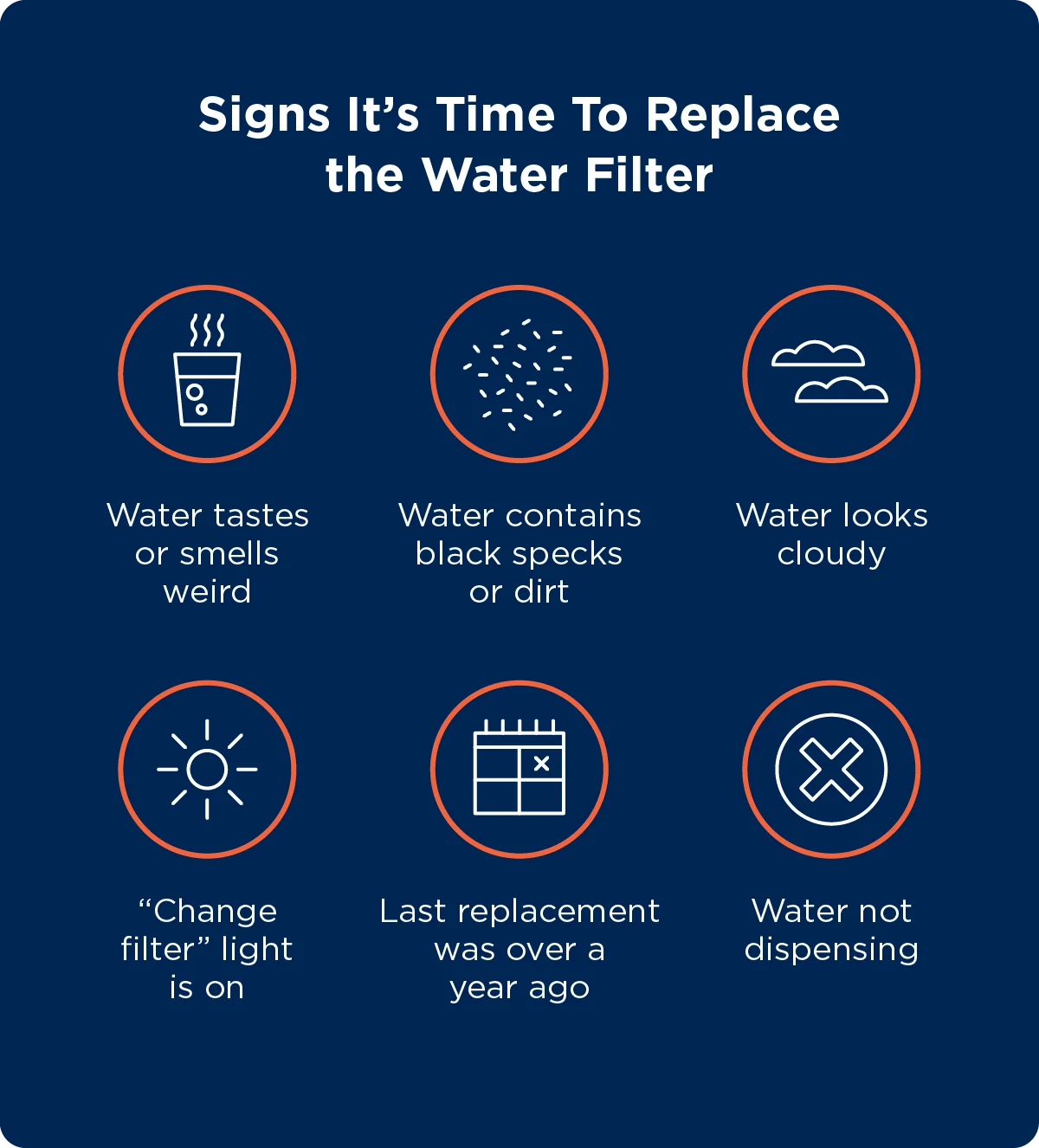
Most modern fridges have a filter indicator light, but those timers are often based on months, not actual water flow. So even if the light hasn't come on, your filter might be due. Here are the real-world signs I always tell people to watch for.
Changes in Water Taste or Odor
This is the most obvious sign. If your water starts tasting flat, metallic, or has a faint plastic or chemical flavor, your filter is likely exhausted. Fresh carbon filters should leave your water tasting clean and crisp. When that taste fades, it's time for a swap.
Reduced Dispenser Flow
If water used to come out in a steady stream and now trickles out slowly, your filter is probably clogged. This is especially common in areas with hard water, where mineral buildup restricts water flow through the filter media.
Cloudy Ice or Ice with Particles
Take a close look at your ice. If the cubes look cloudy or you see small specks floating in your glass, your filter is past its prime. Cloudy ice often means the filter is no longer catching fine sediments.
Filter Indicator Light Is On
This might seem obvious, but many people ignore the little light on their fridge. If it's yellow or red, change the filter. Don't wait. Even if the water still tastes fine, the filter's capacity to trap contaminants has likely dropped significantly.
How to Extend the Life of Your Water Filter
While you shouldn't push a filter past its limits, there are a few smart habits that can keep it working efficiently for as long as possible.
Use a Pre-Filter If You Have Hard Water
If your home has very hard water, consider installing a whole-house pre-filter or a sediment filter on the main water line. This catches the big stuff before it reaches your fridge, which means your fridge filter doesn't have to work as hard. I added one of these a few years ago, and my fridge filter now consistently lasts the full six months.
Keep Your Fridge's Water Lines Clean
Every once in a while, wipe down the area around your dispenser and ice maker. Dust and debris can sometimes get into the system and speed up clogging. Also, if you don't use the dispenser often, run a few cups through it every week to keep water fresh and prevent stagnation in the filter.
Track Your Replacement Date
Don't rely on memory or that little indicator light alone. Mark your calendar or set a phone reminder for every six months. I keep a small sticker on the inside of my fridge door with the install date. It takes two seconds and saves me from guessing later.
Choose the Right Filter for Your Needs
If your water is already pretty clean and you just want basic filtration, a standard carbon filter will do. If you have specific concerns like lead or chlorine, invest in a filter certified for those contaminants. Using the right filter for your water means it doesn't have to work overtime.

Common Mistakes People Make With Refrigerator Filters
Over the years, I've seen some pretty filter fumbles. Here are the biggest mistakes that can shorten your filter's life or compromise your water quality.
Ignoring the Filter Indicator
I get it, life gets busy. But that little light is there for a reason. Most people wait until the water starts tasting funky, which means they've gone way past the recommended change interval. By then, contaminants that should be trapped are passing right through.
Buying Cheap Knock-Off Filters
It's tempting to save a few bucks on a third-party filter, but not all aftermarket filters meet the same standards. Some use lower-grade media, which means they don't filter as effectively or last as long. Always look for filters certified by NSF International, which is the industry gold standard for water filtration.
Forgetting to Flush New Filters
Every new filter needs to be flushed before you use it. That means running about two to four gallons of water through it to clear out loose carbon particles and manufacturing residue. If you skip this step, your first glass of water might have black specks or taste like a charcoal briquette.
Installing the Filter Incorrectly
It sounds simple, but a filter that isn't seated properly can let unfiltered water bypass the media entirely. Always follow the manufacturer's instructions, and make sure the filter clicks or twists securely into place.

How to Choose the Right Replacement Filter
When it's time to swap, you'll face the choice between OEM filters and third-party options. Here's how to decide.
OEM filters are made by your fridge's manufacturer, like Whirlpool, Samsung, or LG. They're guaranteed to fit and typically meet the same filtration standards as the original. They cost more, but you know exactly what you're getting.
Third-party filters can be a great deal if you choose carefully. Look for brands that are NSF certified and have good reviews. Some off-brand filters actually perform as well as OEM ones, but you have to read the details.
I usually recommend people stick with OEM filters for the first year of ownership, just to make sure everything works as expected. After that, if you find a certified third-party filter you trust, it's a fine way to save some money.
What Happens If You Don't Change Your Filter
Letting your filter overstay its welcome isn't just about taste. There are real consequences that can affect your health and your fridge.
First, filtration effectiveness drops off a cliff. A clogged filter can't trap new contaminants, and in some cases, it can actually release trapped bacteria into your water. Carbon filters can also become breeding grounds for bacteria if they stay wet too long.
Second, your fridge works harder. A clogged filter reduces water flow, which can put extra strain on the water pump and valve. I've seen cases where people had to replace their entire water dispenser assembly because they ignored restrictions for too long.
Third, your water quality suffers. The whole point of a filter is to remove things like chlorine, lead, and microbial cysts. When the filter is shot, all of that goes right into your glass.
Frequently Asked Questions
Do I really need to change my filter if my water tastes fine?
Yes. Taste is just one small sign. Your filter's ability to trap invisible contaminants like heavy metals or bacteria drops over time, even if the water still tastes okay. The six-month rule is there to protect you, not just your palate.
Can I extend my filter life by using filtered water less often?
Not in a meaningful way. The filter ages based on time and total water flow, but the biggest factor is usually the volume of water passing through. If you barely use your dispenser, time is the bigger factor. Either way, six months is still the safest interval.
Are refrigerator water filters the same as pitcher filters?
No. Refrigerator filters are plumbed into your water line and typically have higher flow rates and capacity. Pitcher filters use gravity and have much smaller capacities. They're both effective for what they do, but they're not interchangeable.
Is it safe to use a filter past its expiration date?
It's not recommended. Once carbon is saturated, it can release trapped contaminants and may even harbor bacterial growth. If you're not sure how old it is, go ahead and swap it. A new filter is cheap insurance.
Do all refrigerators have the same filter replacement process?
Most are very similar, typically a twist-off or push-button release. Always check your owner's manual for the exact steps. Some models have filters inside the fridge, while others have them in the base grout.
The Bottom Line on Refrigerator Water Filter Lifespan
Here's the short version. Most refrigerator water filters last about six months or 200 gallons, whichever comes first. Your actual lifespan will depend on your water quality, how much water you drink, and the type of filter you use. The best thing you can do is mark your calendar, watch for changes in taste and flow, and never ignore that little indicator light.
Changing your filter on time is one of the easiest ways to keep your water safe and your fridge running smoothly. It's a small habit that makes a big difference. If you're unsure where to start, grab a replacement filter today, flush it well, and toss your install date on the fridge. Future you will thank present you when every glass tastes as fresh as it should.