How To Filter Bath Water: Best Methods for Clean Soaks
Filtering bath water is simple when you match the right method to your needs, from whole-house systems to simple inline filters. Whether you're worried about chlorine, hard minerals, or skin irritation, there's a filtering solution that can turn your everyday bath into a cleaner, gentler experience.
I've spent the better part of a decade testing water treatment options for my own home, and I can tell you this: not every bath filter is worth your money. Some are lifesavers. Others are just fancy showerheads with a marketing team. Let me walk you through what actually works, why it matters, and how to filter bath water without wasting a fortune or your weekends on a complicated install.
By the end of this guide, you'll know exactly which type of bath water filter fits your situation, how to maintain it properly, and what realistic results to expect.
Why You Might Want to Filter Bath Water
Your skin is your largest organ, and it absorbs a lot during a long soak. Hot water opens your pores, which means everything dissolved in your bathwater chlorine, chloramines, heavy metals, even volatile organic compounds (VOCs) has a direct route into your body.
Here are the most common reasons people start looking into bath filtration:
- Dry, itchy skin that worsens after bathing
- Brittle or fading hair, especially colored treatments
- Respiratory sensitivity to chlorine fumes
- Living in an area with hard water or aging plumbing
- Wanting softer skin without resorting to lotions
I noticed a real difference within two weeks of filtering my bathwater. My skin stopped feeling tight after showers, and my towels even seemed softer. It wasn't magic. It was chemistry.
Understanding What's Actually in Your Bath Water
Before you pick a filter, it helps to know what you're filtering out. Municipal tap water is generally safe to drink, but it's not optimized for bathing.
Common contaminants and their effects:
- Chlorine: Added as a disinfectant, but it strips natural oils from skin and scalp
- Chloramines: A longer-lasting disinfectant used in some cities, harder to remove than chlorine
- Heavy metals: Lead, copper, and mercury can leach from old pipes
- Hard water minerals: Calcium and magnesium leave residue on skin and hair
- VOCs: Volatile organic compounds from industrial runoff or aging infrastructure
- PFAS: "Forever chemicals" found in some water supplies, linked to health concerns
- Sediment: Rust, sand, and dirt from municipal lines
A simple test kit can tell you what's in your specific water. I recommend testing before buying any filtration system. It saves you from spending money on a solution that doesn't match your problem.
The Main Types of Bath Water Filters
There are four popular approaches, each with pros and cons. Your choice depends on your budget, plumbing comfort, and water quality goals.
Whole-House Filtration Systems
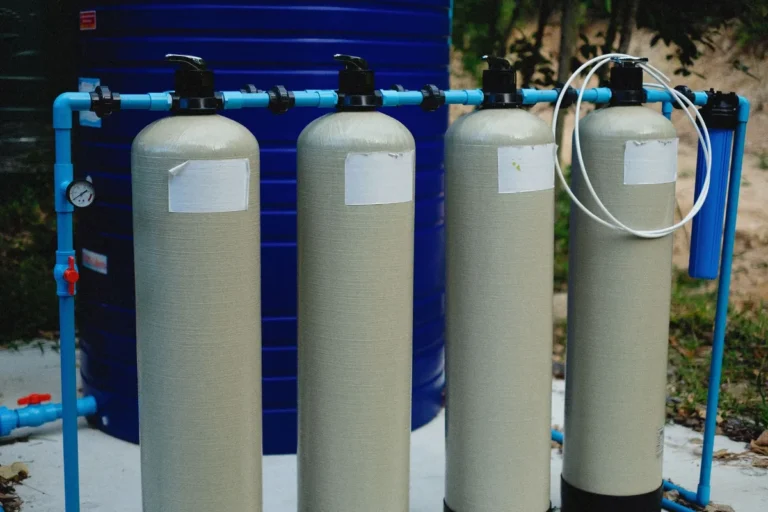
A whole-house filter treats every drop before it enters your home. It's installed on the main water line and typically uses a multi-stage system.
Common stages include:
- Sediment pre-filter
- Activated carbon for chlorine and VOCs
- KDF (Kinetic Degradation Fluxion) media for heavy metals
- Water softener for hard minerals
Pros:
- Treats shower, bath, and drinking water at once
- Long filter life, often 6 to 12 months
- Higher flow than point-of-use options
Cons:
- Higher upfront cost, typically $800 to $2,500 installed
- Requires professional plumbing
- Not ideal for renters
Bath Tub Inline Filters
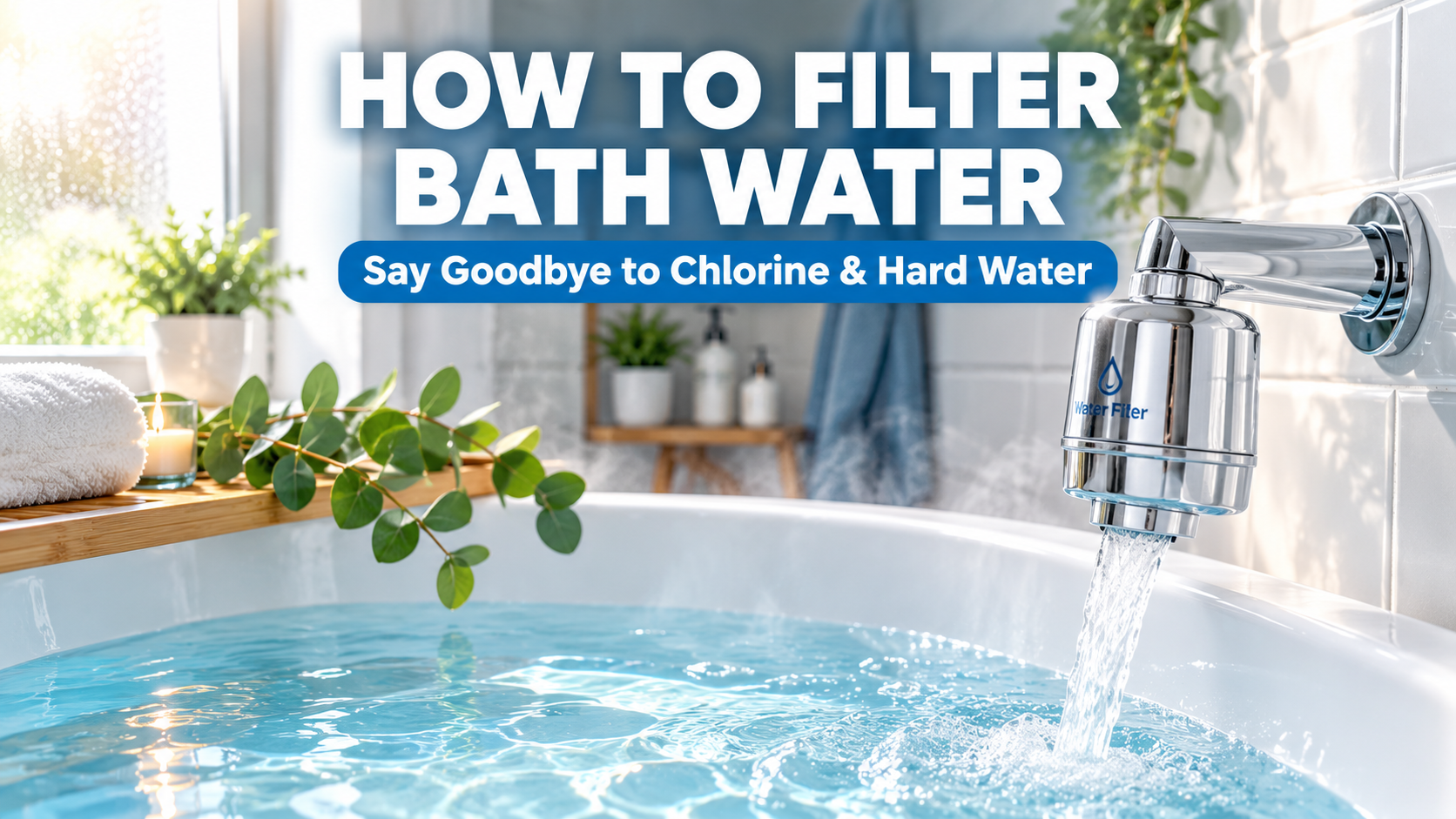
These attach directly to your bathtub faucet and filter water as it fills the tub. They're one of the most popular choices because they're affordable and renter-friendly.
Most use activated carbon and sometimes KDF media. A good inline filter can remove chlorine, chloramines, and some heavy metals in a single bath cycle.
Pros:
- Affordable, usually $40 to $120
- No tools or plumber needed
- Easy to swap out, most last 3 to 6 months
Cons:
- Slower fill time due to filtration
- Only treats bathwater, not sink or shower
- Not effective for hard water
Bath Bombs and Additives
Filtration additives like Vitamin C (ascorbic acid) neutralize chlorine and chloramines on contact. You add them directly to bathwater before getting in.
Pros:
- Cheap and portable, perfect for travel
- Works within minutes
- No installation
Cons:
- Only treats one bath at a time
- Doesn't remove sediment or heavy metals
- May affect bath salts and oils
Shower Filter Attachments
If you shower more than you bathe, a shower filter is a smart alternative. They screw onto your existing showerhead in minutes.
Cons:
- Limited contact time, less effective for long soaks
How to Filter Bath Water Step by Step
Here's the exact process I use whenever I set up a new bath filter. It works whether you've got a tub spout filter or a built-in system.
Step 1: Test your water. Use a home test kit or request a free one from your local utility.
Step 2: Choose your filter type. Match the filter media to your test results. Activated carbon for chlorine, KDF for metals, vitamin C for chloramines.
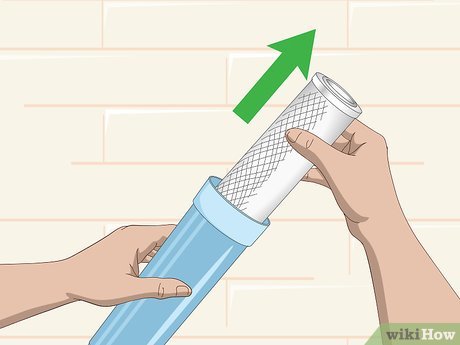
Step 3: Install the filter. For inline tub filters, unscrew the aerator from your spout, attach the filter, and hand-tighten. No Teflon tape needed.
Step 4: Run water through before first use. Let cold water run through the new filter for 3 to 5 minutes to flush carbon dust and activate the media.
Step 5: Monitor your skin and hair. Give it 2-4 weeks. If you notice softer skin, less scalp irritation, or longer-lasting hair color, the filter is working.
Step 6: Replace on schedule. Most bath filters need replacing every 3 to 6 months, depending on household size and water quality.
Common Mistakes to Avoid
I've made a few of these myself, so you don't have to.
- Skipping the flush step: New filters can release carbon dust. Always flush before bathing.
- Buying the cheapest option: Some filters use low-grade carbon that loses effectiveness within weeks.
- Ignoring water pressure changes. If your tub fills half as fast as it used to, your filter may be clogged.
- Forgetting the filter exists. Set a calendar reminder to replace it.
- Filtering only one source. If you shower and bathe, consider both.
Maintenance Tips for Long-Lasting Filters
A little care goes a long way. Here's how I keep my filters working like new.
- Replace carbon filters every 3 to 6 months
- Sanitize filter housing during replacements
- Keep spare cartridges on hand so you never go without filtration
- Check fittings for leaks monthly
- Store spare cartridges in a cool, dry place
When Filtering Isn't Enough
Sometimes bath water filtration alone won't solve your issues. Here's when you might need more.
- Extreme hard water: A water softener may be required, as carbon filters don't handle calcium and magnesium well.
- Well water with bacteria: Filtration won't kill pathogens. You need UV treatment or shock chlorination.
- High PFAS levels: Standard carbon filters may not be enough. Look for reverse osmosis or specialized PFAS filters.
- Persistent skin conditions: Talk to a dermatologist. Filtered water helps, but may not be the full answer.
Real-World Results You Can Expect
After testing multiple filters over the years, here's a realistic timeline of what most people notice.
- Week 1: Less chlorine smell in steam
- Week 2: Skin feels less tight after bathing
- Week 3: Hair holds color longer
- Week 4: Noticeably softer towels and less soap scum on tub
Your results may vary, but if you see no difference after 6 weeks, the filter may be low-quality or the wrong type for your needs.
Comparing Popular Bath Filter Brands
Here's a quick comparison of what I've personally tested or researched extensively.
- Filtered showerheads with carbon cartridges: Affordable, easy install, good for chlorine only.
- Multi-stage inline tub filters: Higher capacity, last longer, handle more contaminants.
- Vitamin C shower filters: Best for sensitive skin, eco-friendly, no plastic cartridges.
- Whole-home systems: Best for serious filtration needs, highest cost.
Filtration vs. Water Softening: What's the Difference?
This comes up a lot, so let's clear it up.
- Filtration: Removes chlorine, chemicals, and contaminants
- Softening: Removes calcium and magnesium that cause hard water
- Both: Some systems combine filtration and softening
If your main concern is dry skin from chlorine, filtration alone works great. If you have hard water that leaves scale on your faucets and makes soap hard to lather, you need a softener too.

Frequently Asked Questions About How to Filter Bath Water
Do bath filters really work?
Yes, quality bath filters significantly reduce chlorine, chloramines, and some heavy metals. Independent testing shows high-grade activated carbon filters can remove 90% or more of chlorine in a single pass. The key is matching the filter media to your specific contaminants and replacing cartridges on schedule.
How often should I replace my bath water filter?
Most bath filters need replacement every 3 to 6 months. Filter life depends on your household size, water usage, and contaminant levels. If you notice chlorine smell returning or your tub fills slower than usual, it's time for a new cartridge. Some high-capacity systems last up to 12 months.
Can I filter bath water without changing my plumbing?
Absolutely. Inline tub filters attach directly to your bathtub spout without tools or permanent changes. They're perfect for renters or anyone who wants a no-commitment solution. Just unscrew the aerator, attach the filter, and you're ready to go.
Is filtered bath water better for skin and hair?
Filtered bath water makes a real difference for most people. Removing chlorine and chloramines helps your skin retain natural oils and keeps your scalp less irritated. Many also see longer-lasting hair color, less frizz, and reduced dryness. Results vary, but most users notice softer skin within 2 to 4 weeks.
What's the cheapest way to filter bath water?
Vitamin C crystals are the most affordable option, costing just pennies per bath. They neutralize chlorine and chloramines on contact, though they don't filter sediment or heavy metals. For a low-cost mechanical filter, basic inline carbon filters start around $40 and last several months.
Final Thoughts
Filtering your bath water is one of those small upgrades that pays off every single day. It's not just about clean water. It's about how your skin feels, how your hair looks, and how comfortable your bath actually is.
I've tested enough filters over the years to know that the best one is the one you'll actually use consistently. Whether that's a simple inline filter, a whole-house system, or even a vitamin C additive, the important thing is that it matches your water, your budget, and your lifestyle.
Start by testing your water, pick a filter that fits your main concern, and give it at least a month to see real changes. And if you have questions about your specific setup, drop them in the comments below. I'd love to help you find the right solution for your home.