How to Filter Hard Water for Drinking for 2026: Expert Picks
You know that feeling when you look at your sink or your kettle and see that chalky buildup? That's hard water for you. It's not usually a health hazard, but it can be a real pain, and when it comes to your drinking water, you might be wondering how to filter hard water for drinking effectively. I've spent a good amount of time looking into this, and honestly, it's not as complicated as it sounds.
We just need to figure out what works best for you.
Think of hard water as water that's picked up a few too many minerals, mainly calcium and magnesium, as it travels through rocks and soil. The more minerals it has, the "harder" it is, with hardness typically measured in grains per gallon (GPG) or parts per million (ppm). While it's not a big health concern and often meets EPA drinking water standards of less than 10 ppm for calcium and magnesium, filtering it can improve taste and protect your plumbing.
What Hard Water Really Means for Your Drink
Hard water means your tap water has a higher concentration of dissolved minerals, primarily calcium and magnesium, but sometimes iron and manganese too. This isn't a health risk in itself; in fact, these minerals can contribute to dietary intake. However, when these minerals are present in significant amounts, they begin to behave differently. You might notice a slightly chalky or metallic taste that some find unpleasant for drinking.
It also leads to those tell-tale white spots and scale buildup on your dishes, fixtures, and inside your appliances, which can reduce their efficiency and lifespan.
Why You Might Want to Filter Your Drinking Water
Even if your municipal water supply meets all safety regulations, filtering can offer several advantages specifically for your drinking water. Beyond just improving the taste and odor by removing chlorine or other dissolved substances, filters can target the specific minerals that define hardness. This can lead to water that feels and tastes "softer" straight from the tap, reducing that slightly mineralic edge. For those sensitive to taste or concerned about the aesthetic issues caused by hard water residue on glassware, filtering is a practical step.
Your Hard Water Filter Decision Tree
Figuring out the best way to filter hard water for drinking isn't a one-size-fits-all situation. Your ideal solution depends on how hard your water is, what you want to achieve, and your budget. This decision tree will help you navigate the choices.
Step 1: Know Your Water (Testing Basics)
Before you can address hard water, you need to know how hard it is. Your local water utility is a great first resource; they often publish annual water quality reports detailing mineral content, including calcium and magnesium levels. If you're on a private well, you'll need to get your water tested by a certified laboratory. These tests will give you a number, usually in grains per gallon (GPG) or parts per million (ppm), that tells you how mineral-rich your water is.
For context, water under 3.5 GPG is considered soft, 3.5-7 GPG is moderately hard, and anything over 7 GPG is very hard.
Step 2: Define Your Goals (Taste vs. Full Hardness)
What's your main motivation for filtering? Are you mostly concerned with improving the taste and odor of your drinking water, making it more pleasant to drink everyday? Or are you looking to significantly reduce the mineral content that causes scale buildup on your dishes and in your kettle? Your primary goal will heavily influence the type of filtration system that's most effective and cost-efficient for your situation.
For instance, taste improvement might be achieved with simpler filters, while significant hardness reduction often requires more advanced methods.
Step 3: Exploring Your Filtration Tools
Once you understand your water and your goals, you can explore the different types of filters and softeners available. Each has its own strengths, weaknesses, and ideal use cases.
Pitcher Filters: The Easiest Start
These are the most common and user-friendly options for improving drinking water.
- How they work: Water poured into the top chamber passes through a cartridge containing activated carbon and ion-exchange resin. The activated carbon reduces chlorine and improves taste and odor, while the ion-exchange resin swaps out hardness minerals like calcium and magnesium for sodium ions.
- Good for: Moderate taste improvements and some reduction in water hardness. They're excellent for renters or anyone who wants a simple, no-installation solution.
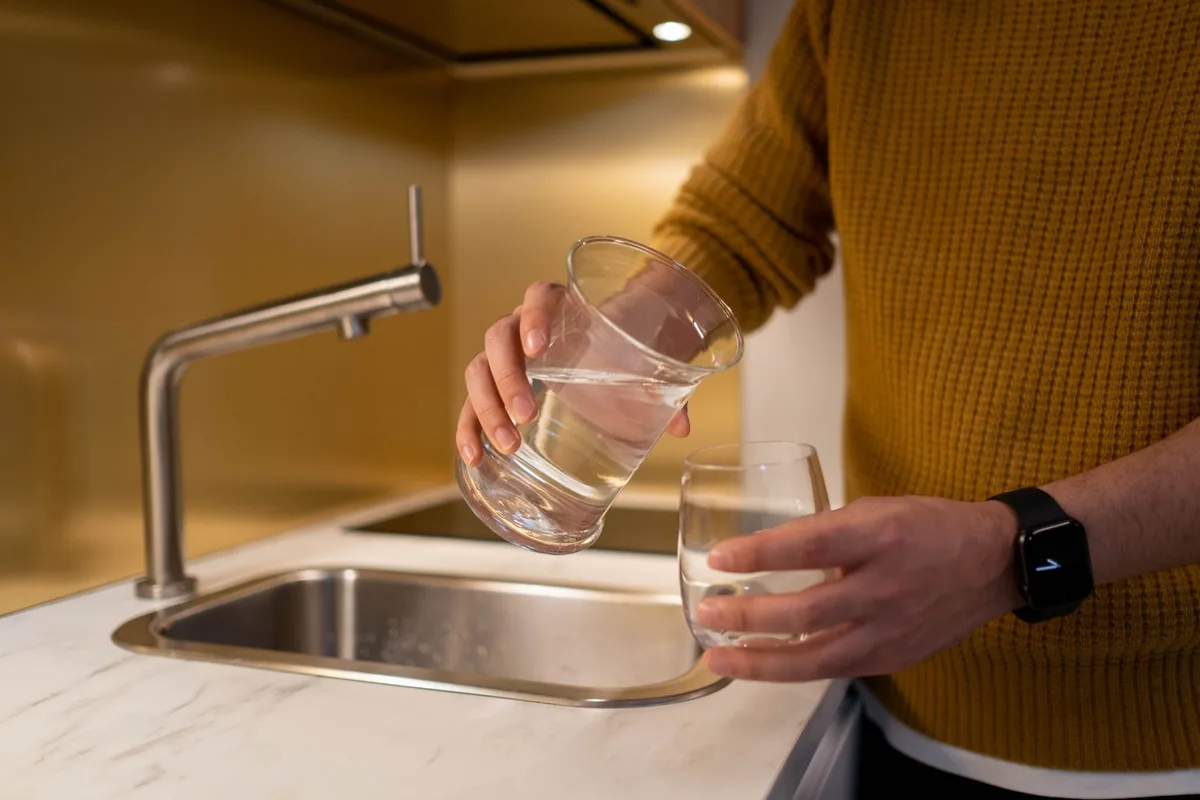
- Keep in mind: Filter cartridges need regular replacement, typically every 1-2 months, depending on usage and water quality. They have a limited capacity and are best for relatively low levels of hardness.
Faucet Filters: Convenience at Your Tap
These attach directly to your existing kitchen faucet, offering filtered water on demand.
- How they work: Similar to pitchers, they use activated carbon and ion-exchange resins within a replaceable cartridge. A simple switch or lever on the unit allows you to choose between filtered and unfiltered water.
- Good for: Providing filtered drinking water without taking up counter space. They’re a step up in convenience from pitchers for regular use.
- Keep in mind: Installation can sometimes be tricky if your faucet isn't compatible. Like pitchers, they address moderate hardness and need timely cartridge replacement.
Under-Sink Systems: More Power for Your Needs
Installed beneath your sink, these systems offer more robust filtration and a dedicated faucet or connection to your main faucet.
- How they work: These can range from multi-stage filtration systems to reverse osmosis (RO) units. RO systems force water through a semi-permeable membrane, removing a very high percentage of dissolved solids, including nearly all hardness minerals.
- Good for: Significantly reducing water hardness and a broader spectrum of contaminants, delivering highly purified water.

- Keep in mind: Installation is more involved and may require plumbing knowledge or a professional. RO systems typically produce wastewater and can be more expensive upfront, plus they remove beneficial minerals.
Whole-House Softeners: The Big Solution
While not solely for drinking water, these systems treat water for your entire home.
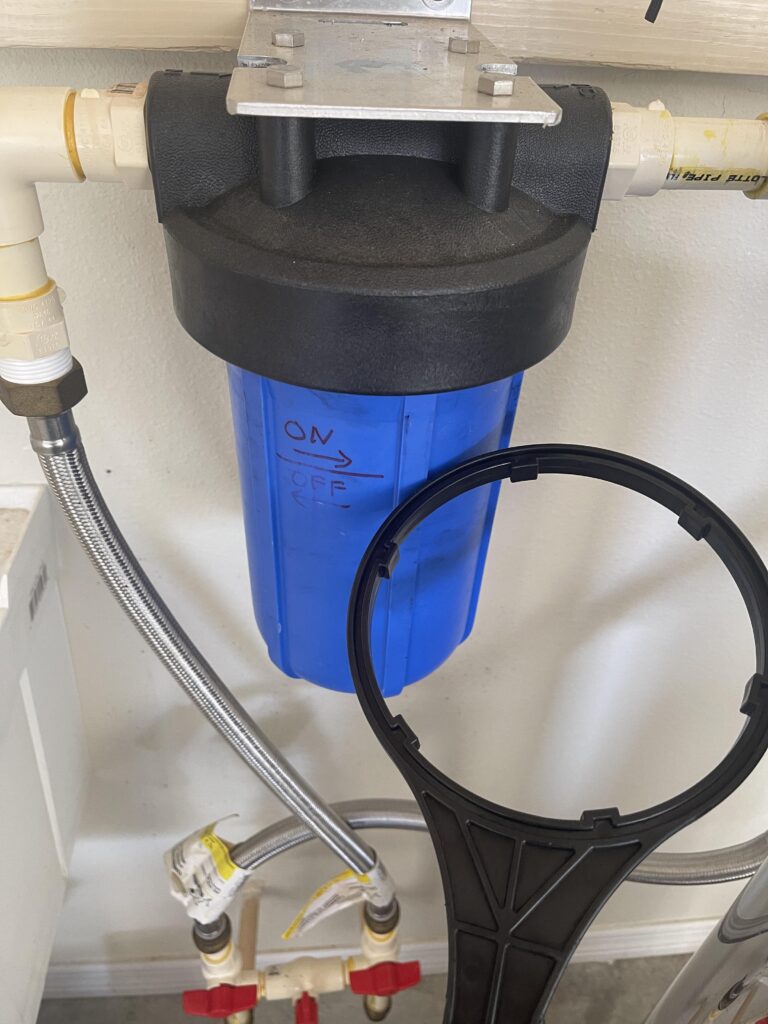
- How they work: These typically use a large tank filled with resin beads that trap hardness minerals. As water passes through, the minerals are exchanged for sodium ions. The system periodically regenerates itself by flushing the resin with a brine solution, which is then discharged.
- Good for: Eliminating hard water issues throughout your home, protecting pipes, appliances, and improving your shower experience.
- Keep in mind: This is a significant investment and installation. You’ll need to add salt refills regularly. Some people choose to still use a separate drinking water filter (like an RO system) after a whole-house softener to remove the added sodium or for an extra layer of purification.
Hard Water Solutions: Pros and Cons at a Glance
Deciding on the best approach involves weighing the advantages against the drawbacks for each method.
| Feature/Method | Pitcher Filter | Faucet Filter | Under-Sink System (RO) | Whole-House Softener |
|---|---|---|---|---|
| Pros | Low cost, easy to use, no installation, portable. | Convenient on-demand filtered water, space-saving. | High purification, excellent hardness reduction. | Whole-home protection, appliance longevity. |
| Cons | Limited capacity, frequent cartridge replacement. | Faucet compatibility issues, some installation. | Expensive, wastewater, mineral removal, complex. | High cost, salt refills, plumbed connection needed. |
| Hardness Reduction | Moderate | Moderate | Very High (near total removal) | Very High (total home) |
| Ease of Use | Very High | High | Moderate | Moderate (daily use), High (maintenance) |
| Installation | None | Simple | Moderate to Complex | Complex |
Common Mistakes When Filtering Hard Water
Avoiding common pitfalls can save you money and ensure you're getting truly filtered water.
- Not testing your water first: Guessing your hardness level means you could overspend on a system you don't need or buy one that's too weak. Always know your numbers. As of 2026, water testing kits are widely available and affordable for DIY home use.
- Forgetting to replace filter cartridges: Old filters become ineffective and can even start to harbor bacteria. Manufacturer specifications, like those for Brita filters, typically recommend replacement every 40 gallons or 2 months, whichever comes first. Follow these guidelines religiously.
- Using the wrong type of filter: A simple taste-improving filter won't tackle severe hard water issues. If your water is very hard, you'll need an ion-exchange resin or a reverse osmosis system.
- Over-reliance on "water conditioners": Some devices claim to "condition" water without filtering or softening. Their effectiveness against true hardness is often debated and not supported by rigorous independent testing standards like NSF/ANSI.
Choosing Your Best Fit: A Quick Guide
So, we've looked at the different ways to tackle hard water for your drinking water. Now, let's do a quick recap to help you pick the right tool for your kitchen, based on how hard your water is and what you want to get out of it. Think of this as your final check before you decide.
- For mild hardness and taste improvement: If your water test shows levels below 7 GPG and your main concern is off-tastes or odors, a good pitcher filter is usually sufficient and the most budget-friendly. It’s a toss-up between a pitcher and a faucet filter for simplicity, but pitchers offer portability.
- For convenience and moderate hardness: If you want filtered water directly from your tap without a big installation, a faucet filter can be a great compromise. It handles those moderate hardness levels and is easy to maintain.
- For significant hardness and purity: If your water tests show anything above 10 GPG, or you’re very sensitive to mineral content, going for an under-sink reverse osmosis system is your best bet. These systems offer the most thorough removal of dissolved solids.
- For whole-home impact: If hard water is an issue everywhere in your house, from your showerhead to your laundry, a whole-house water softener is the ultimate solution, though it's a larger investment and initial setup. You can then pair it with a separate drinking water filter if desired for an extra layer of refinement.
Keeping Your Filter Working Right (Maintenance)
No matter which filtration method you choose, proper maintenance is key to ensuring it works effectively and safely. Ignoring this step can lead to degraded performance, poor taste, or even the filter becoming a source of contamination itself. Think of it like changing the oil in your car; it's essential for longevity and optimal function.
It's crucial to follow the manufacturer's recommendations for replacing filter cartridges or descaling the system. For pitcher and faucet filters, this typically means swapping out the cartridges every 1-3 months, depending on the product and your water usage. Under-sink systems and whole-house softeners often have longer-term maintenance schedules, which might include replacing pre-filters or running a cleaning cycle.
How often should I replace pitcher filters?
Most standard water filter pitchers recommend changing cartridges every 40 gallons or two months, whichever comes first. If your household uses a lot of water, you might hit the gallon limit sooner. Conversely, if you use very little water, time is often the limiting factor before the filter media degrades or becomes less effective to water quality standards like those from NSF International.
What about under-sink systems and softeners?
Under-sink reverse osmosis systems usually have several stages, including sediment and carbon pre-filters that need replacing every 6-12 months. The RO membrane itself might last 2-5 years, and the final post-filter often lasts a year. Whole-house water softeners require regular salt refills, typically once a month or every few months depending on system size and water hardness. The resin bed itself may need to be replaced every 10-15 years.
Understanding Filter Lifespan and Costs
The ongoing cost of keeping your water filtered is an important consideration when you’re choosing a system. While initial purchase prices vary wildly, the long-term expense often comes down to filter replacement frequency and the cost of those replacement units. Understanding these metrics helps you budget effectively and avoid surprises down the line.
For pitcher filters, a common cost is around $5 to $10 per replacement cartridge. If you're replacing one every month, that's $60 to $120 per year. Faucet filters often have cartridges that cost between $15 and $30, and they might last 2-4 months, putting annual costs in a similar range, perhaps slightly higher depending on the model.
Under-sink reverse osmosis systems have more components, and their costs reflect that. Pre-filters might be $20-$50 a year, while RO membranes can cost $50-$100 and last several years. A full system's annual consumable cost can range from $75 to $200 or more. Whole-house water softeners add the recurring cost of salt, which can be $10-$20 per month, plus potential costs for resin replacement or other service parts over many years.
When to Call a Professional for Installation
While many filtration systems are designed for DIY installation, there are times when bringing in a professional makes the most sense. This is particularly true for more complex setups that involve significant plumbing modifications or electrical work. Trying to tackle these without proper knowledge can lead to leaks, damage, or improper function.
For simple pitcher or faucet filters, professional installation is almost never needed. However, for under-sink water filter systems, especially reverse osmosis, you might consider professional help if you're not comfortable with basic plumbing. This can include connecting to the cold water line, drilling a hole for a dedicated faucet, and ensuring watertight seals.
Whole-house water softeners are almost always a job for a licensed plumber. This is because they require shutting off your main water supply, cutting into existing pipes, and ensuring the system is properly connected to both the incoming water line and drainage for regeneration. Getting this done right the first time prevents costly mistakes and ensures your system operates efficiently and safely.