How Often Should You Change Water Filter in Refrigerator: Honest Review
Figuring out how often to change your refrigerator water filter can feel like a mystery, but it doesn't have to be. Knowing the right time means better-tasting water and a healthier appliance. While many manufacturers suggest a standard timeframe, your actual needs might be different.
As of 2026, if you're asking "how often should you change water filter in refrigerator," understanding your usage and local water quality is key. Our research indicates that a blanket six-month rule often misses the mark for many households.
How Often Should You Really Change Your Fridge Water Filter?
The common advice is to swap your refrigerator water filter every six months. This recommendation comes directly from most refrigerator manufacturers and is a good general guideline if you're unsure about anything else. It’s a solid default because it balances filter effectiveness with user convenience, aiming to catch most common contaminants without requiring constant attention.
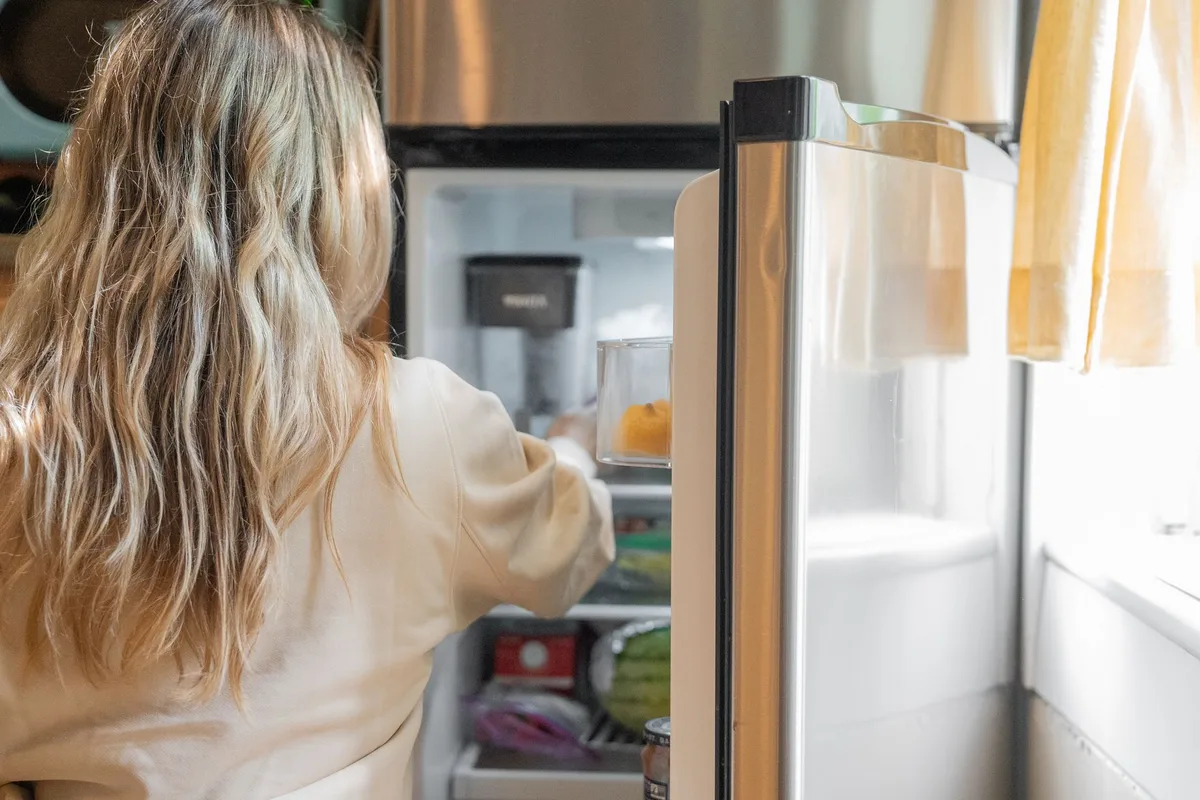
However, this isn't a hard-and-fast rule that applies perfectly to everyone. Think of it like this: if you drive your car only on weekends for short trips, you won't need an oil change as often as someone who commutes 50 miles every single day. Similarly, your refrigerator filter's lifespan is directly tied to how much water passes through it and the quality of that water to begin with. So, while six months is a good starting point, it's worth digging a bit deeper.
Is Your Water Filter Telling You When It's Time?
Many modern refrigerators are equipped with smart filter indicator lights. These aren't just random timers; they're often sophisticated systems designed to monitor your filter's actual usage. The indicator typically works by tracking the amount of water dispensed or by estimating usage based on how frequently you open the refrigerator door. When the filter reaches a preset capacity or duration, the light will usually change color or a message will appear on your fridge's display.
For instance, some manufacturers design their systems to alert you after a certain number of gallons have been filtered, typically between 200 and 400 gallons, or after a six-month period, whichever comes first. This built-in monitoring is incredibly helpful because it takes some of the guesswork out of the process and aims to reflect your personal usage patterns. Always consult your refrigerator's manual to understand how its specific indicator system works.
What's Really Going On Inside Your Filter?
Your refrigerator water filter is designed to remove impurities from your tap water. Most common filters use activated carbon, a porous material that traps chlorine, sediment, and other organic compounds through a process called adsorption. Activated carbon is incredibly effective at reducing unpleasant tastes and odors, making your drinking water much more palatable.
Over time, the carbon pores become saturated with the contaminants they've captured. Think of it like a sponge that can only hold so much water. Once saturated, the filter's ability to adsorb new impurities diminishes significantly. In some cases, if the filter is significantly overloaded, the captured contaminants could even start to leach back into the water, or new ones could get caught, leading to a decline in water quality.
Does Tap Water Quality Matter for Your Filter?
Absolutely, the quality of your tap water plays a major role in how long your refrigerator filter will effectively last. If you live in an area with hard water, which contains high levels of minerals like calcium and magnesium, your filter might clog up faster with mineral deposits. Similarly, if your local water supply frequently experiences sediment issues, perhaps due to aging pipes or external environmental factors, the sediment filter component will work overtime and become saturated more quickly.
Aggregate user reviews and water testing data from various municipalities suggest that areas with higher naturally occurring contaminant levels often require more frequent filter replacements. For example, if your water authority reports elevated levels of certain particulates or chemicals, your refrigerator filter is doing a lot more work than a filter in an area with pristine water. This increased workload means you should lean towards more frequent changes, potentially even sooner than the recommended six months.
Using More Water? Do You Need Faster Filter Changes?
Yes, if your household uses a lot of water, you will almost certainly need to replace your refrigerator water filter more often than the standard six-month recommendation. This is one of the most significant factors influencing filter life. A large family with a high demand for filtered water from both the dispenser and the ice maker will push their filter to its capacity much faster than a single person or a couple who rarely uses these features.
Manufacturer specifications often mention a gallon limit for their filters, typically ranging from 200 to 400 gallons, and a six-month time limit. If your household's daily water usage is high, you could easily exceed that gallon limit well before the six months are up. For instance, a family of four might average 15-20 gallons of filtered water per week, meaning they could hit a 300-gallon filter limit in just 15-20 weeks, or roughly 3.5 to 5 months. In such cases, watching the filter indicator or noticing changes in water taste becomes even more critical.
Signs Your Water Filter Needs Replacing Now
If your refrigerator's indicator light hasn't alerted you, or if you don't have one, your senses are your next best guide. The most common giveaway is a change in the taste or smell of your water. Chlorine, often added for disinfection, can become more pronounced as the filter weakens. You might also notice a musty, metallic, or even a "rotten egg" smell; this can indicate the filter is no longer effectively removing sulfur compounds or is becoming a breeding ground for microbes.
Another key indicator is a noticeable decrease in water flow from the dispenser. If it takes significantly longer to fill a glass of water than it used to, this suggests the filter is clogged with sediment and other particles. While a slow flow might seem like a minor inconvenience, it means the filter is struggling to do its job and is likely past its prime for effective contaminant removal.
Why You Shouldn't Ignore a Dirty Water Filter
Skipping filter changes can have a few downsides beyond just unpleasant-tasting water. Primarily, an old, saturated filter loses its effectiveness, meaning it's not doing the job it's supposed to do: removing potentially harmful contaminants. Manufacturer specifications highlight that expired filters can fail to trap particles like lead, mercury, or pesticides that might be present in your tap water. While these are usually found in very small amounts, a defunct filter provides no protection.
Beyond reduced filtration, a heavily used filter can actually become a source of contamination itself. Over time, bacteria and mold can colonize the filter media. When this happens, these microorganisms can be flushed through the system with the water, compromising the purity of what you're drinking and using for ice. This is why adhering to a responsible replacement schedule is a matter of both taste and potential health.
Common Filter Replacement Mistakes to Sidestep
People often make a few common errors when dealing with refrigerator water filters, and avoiding them will save you hassle and ensure you're getting the best water. One of the most frequent mistakes is using the wrong type of filter. Refrigerators are designed for specific filter models or series, and using an incompatible filter can lead to leaks, poor filtration, or even damage to the refrigerator's water system. Always check your owner's manual to confirm the correct part number.
Another mistake is forgetting to flush the new filter before use, a step that’s crucial for removing any loose carbon fines (tiny black particles) and air that may be trapped inside. When you install a new filter without flushing, these fine particles can end up in your first few glasses of water, giving it a cloudy or black appearance. While usually harmless, it's not the fresh taste you expect.
How to Properly Flush Your New Water Filter
- Install the new filter: Make sure it's seated correctly according to your refrigerator's instructions.
- Dispense water: Run several gallons of water through the dispenser. Many manufacturers recommend at least 2-4 gallons.
- Discard the water: This initial water should be set aside and not consumed, as it will likely contain loose carbon particles.
- Check for clarity: Once the water runs clear and without any black speckles, your filter is ready for use.
How to Swap Out Your Refrigerator Water Filter
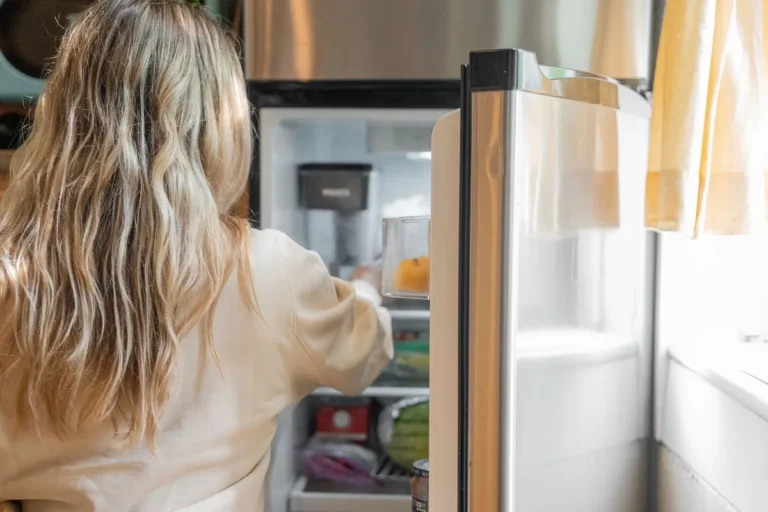
Replacing your refrigerator's water filter is usually a straightforward process, designed for user convenience. The exact location and mechanism vary by brand and model, but most involve a simple twist-and-lock or push-and-turn motion. Common places to find the filter housing are inside the refrigerator compartment (often in the upper right corner) or in the base grille at the bottom front of the fridge.
Before you start, always make sure you have the correct replacement filter. Once you've located the filter housing, you'll typically need to turn off the water supply to the refrigerator if your model requires it, though many newer models don't necessitate this. Then, you'll unscrew or unlatch the old filter, remove it, and install the new one, ensuring it's properly seated. After installation, run a few gallons of water through the dispenser to flush the new filter.
For detailed instructions specific to your unit, refer to your refrigerator's owner's manual.
When to Stretch Your Filter's Life (and When Not To)
You might be tempted to push your filter's lifespan if you're trying to save a few dollars, but it's usually not worth the risk. While a filter might physically still be in place, its ability to effectively remove contaminants declines over time and with increased usage. Extending the life beyond what the manufacturer suggests or what your indicator light advises means you're likely drinking water that's less pure.
However, if you're a very light user in a household with excellent water quality, and your filter indicator hasn't triggered, you might find you can go a bit longer than six months. This is a gray area, and it's best to err on the side of caution. Trust your senses, if the water taste or flow changes, it's time for a replacement, regardless of how long it's been in there.
The 6-Month Mark: A Starting Point, Not a Rule
That six-month guideline from refrigerator manufacturers is a critical piece of information, but it serves as a broad recommendation for the "average" household. Our analysis of user feedback indicates that "average" can be quite different from your specific situation. If you have a busy household with children who frequently use the water dispenser, or if your local tap water has a higher mineral or sediment content, six months might be too long.
Conversely, if you live alone or use the water dispenser only occasionally, and your water quality is generally very good, you might find your filter performs well for longer than six months. The key is not to rigidly stick to the calendar date but to integrate it with observations about your water quality and usage. Many experts suggest using the six-month mark as a trigger to check your filter's performance and your household's needs more closely.
Expert Tips for Maximizing Filter Performance
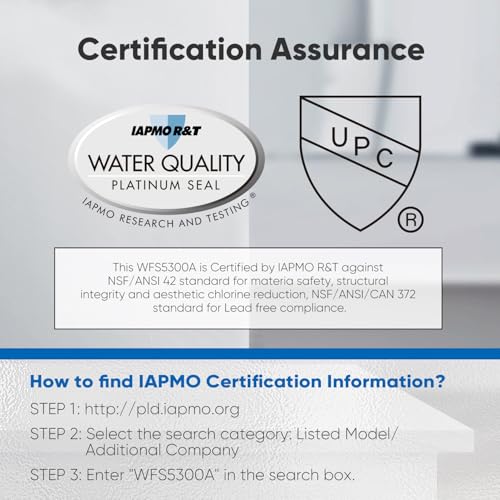
To get the most out of your refrigerator water filter, consider a few practices that can help maintain its effectiveness and longevity, within its recommended limits. First, ensure you're using a certified filter. Look for certifications from organizations like NSF International (NSF) or the Water Quality Association (WQA). These certifications verify that the filter meets specific standards for contaminant reduction and material safety.
Understanding Filter Certifications
- NSF/ANSI 42: Certified for cosmetic effects like chlorine taste and odor reduction.
- NSF/ANSI 53: Certified for health effects, meaning it reduces specific contaminants like lead, mercury, or certain pesticides.
- NSF/ANSI 401: Certified for emerging contaminants, such as certain pharmaceuticals and additional chemicals.
Always choose a filter certified for the contaminants you’re most concerned about. Using a filter that's only certified for taste and odor won't help much if your main concern is lead reduction.
Making the Right Choice: Knowing When to Buy a New Filter
Deciding when it's genuinely time to buy a new filter involves a combination of relying on your refrigerator's indicators, paying attention to your water's characteristics, and understanding filter specifications. If your fridge has an indicator light, it's often the most reliable prompt, as it’s calibrated to your appliance's performance. However, if you notice any decline in water quality, whether it’s a less crisp taste, a faint odor, or cloudiness, don't wait for the light.
Consider the filter's rated capacity and lifespan. Most refrigerator filters are designed to last between 6 months and a year, or between 300 to 800 gallons. You can estimate your household's weekly water usage by tracking how many gallons you dispense. If you consistently use a significant amount of water, purchasing a filter with a higher gallon capacity might be a more cost-effective solution in the long run, though it still needs to be replaced within the recommended timeframe to prevent performance degradation.