How Often Change Zero Water Filter for 2026: Hands-On Review
Figuring out how often to change your Zero Water filter isn't a guessing game, and that's good news for getting the purest water possible. Your tap water's quality and how much you actually drink or use are the biggest players. Knowing these factors helps you know when that little filter has done its job and needs a refresh.
Zero Water systems typically use a Total Dissolved Solids (TDS) meter to give you a clear reading. According to manufacturer specifications, this meter should ideally read 0-6 ppm (parts per million) for optimal performance. When that number climbs, it's a sure sign your filter is nearing its limit and a replacement is likely needed soon.
Understanding Your Zero Water Filter's Lifespan
Your Zero Water pitcher is more than just a container; it's a purification powerhouse. At its heart is the specialized ion-exchange filter. This filter's primary job is to grab onto dissolved solids, things like minerals, salts, and other impurities that are invisible to the naked eye but can affect taste and purity. The lifespan of this filter isn't fixed like an expiration date stamped on a milk carton.
Instead, it's directly tied to how much work it has to do.
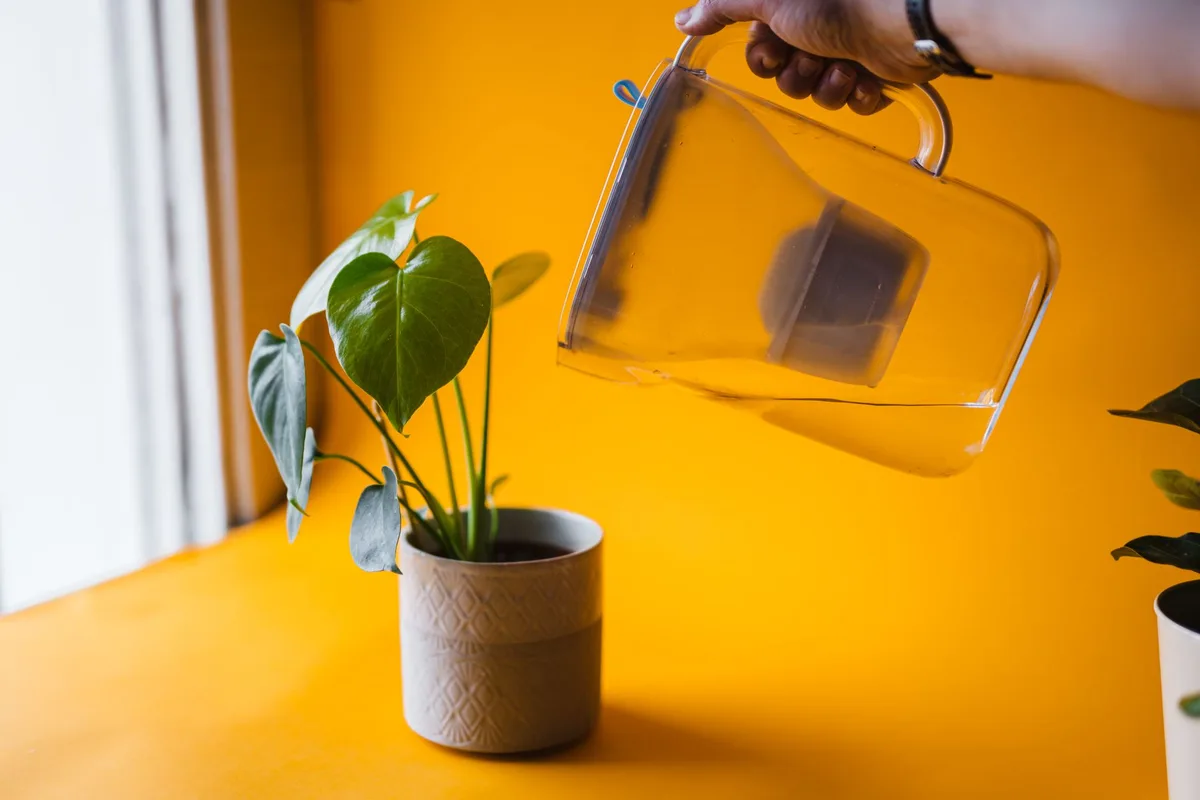
Think of it like a sponge. A new sponge can soak up a lot of spills, but once it's saturated, it can't hold any more. Your Zero Water filter works similarly. The more dissolved solids it removes from your water, the more "full" it becomes.
Eventually, it reaches its capacity and can't effectively reduce TDS anymore, meaning your water quality will start to decline.
The Crucial Role of Your TDS Meter
This is where the Zero Water system really sets itself apart. Most Zero Water pitchers come with a built-in Total Dissolved Solids (TDS) meter. This isn't just a fancy add-on; it's your primary tool for understanding when your filter needs replacing. The meter measures the concentration of dissolved impurities left in the water.
A reading of 0 ppm signifies perfectly pure water, free from dissolved solids. As your filter works, it removes these solids. The TDS meter will gradually show an increase in the ppm count. This steady climb is your early warning system, letting you know the filter's effectiveness is waning and it's getting closer to the end of its useful life.
Neglecting this reading means you might end up drinking water that's no longer as pure as you expect.
What the Numbers Mean: TDS Readings Explained
The readings on your TDS meter are straightforward indicators of your water's purity. Here's a quick breakdown of what those numbers typically mean:
- 0-6 ppm: This is the optimal range for purified water from your Zero Water system. It means the filter is working efficiently and removing dissolved solids extremely well. You're in the clear and enjoying the highest level of purity.
- 7-9 ppm: You're still in a good zone, but you should start paying closer attention. This indicates the filter is working hard and has processed a significant amount of dissolved solids. It's a signal that you should monitor the readings more frequently and begin planning for a filter change in the near future.
- 10 ppm or higher: This is the critical threshold. According to Zero Water’s own guidelines, once your TDS meter reads 10 ppm or higher, the filter is no longer effectively removing dissolved solids. At this point, it's crucial to replace the filter immediately to maintain the purity and taste of your water.
Why Filter Life Varies for Everyone
It's rare that two households will have identical filter lifespans, even with Zero Water pitchers. This variability is completely normal and stems from the differing ways we use water and the quality of the water coming into our homes initially. Understanding these factors helps you predict when you'll need to buy new filters.
If you're making large batches of iced tea daily, filling coffee makers, or using purified water for cooking, your filter is going to work overtime quite a bit. Conversely, someone who only fills a glass or two of drinking water a day will naturally extend the life of their filter. It all comes down to the sheer volume of water being processed and the dissolved solids it contains.
High Water Usage vs. Lower Usage: What's the Difference?
The amount of water you filter is the most direct factor influencing how long a Zero Water filter lasts. Manufacturer-reported filter lifespans can range from months to even a year for very light users. However, in research and aggregate user feedback compiled as of 2026, the average lifespan often falls within a different range, heavily dependent on household consumption patterns.
For example, a household that consumes 1 gallon of filtered water per day might see their filter last several months. In contrast, a family of four that uses 3-4 gallons daily for drinking, cooking, and prepping beverages could find their filter reaching the 10 ppm mark in as little as 2-4 months. This is why relying solely on a calendar date for filter changes isn't as accurate as watching your TDS meter.
Local Water Quality: Hard Water Impacts
The "hardness" of your tap water, a measure of its mineral content, plays a significant role. Water designated as "hard" has a higher concentration of dissolved minerals, primarily calcium and magnesium. When your Zero Water filter encounters this harder water, it has more dissolved solids to remove, which means the filter media gets saturated and depleted more quickly.
If you live in an area known for hard water, you should anticipate changing your Zero Water filter more frequently. For instance, areas with TDS readings of 200-300 ppm in their tap water will tax the filter much more than areas with naturally soft water readings closer to 50-75 ppm. This increased workload means the filter's effective lifespan will be shorter, potentially halving the time between replacements compared to someone in a softer water region.
When Exactly Should You Change Your Filter?
The most definitive answer to "how often change Zero Water filter" lies in objective measurement, not just a calendar. While manufacturers often provide a general guideline, the true determinant is the performance of the filter itself, which is accurately tracked by your pitcher's TDS meter. Relying on visible cues or guesswork can lead to either replacing filters too soon or, more commonly, using them long past their effective point.
The moment your TDS meter consistently reads 10 ppm or higher is the definitive signal. This reading indicates that the filter's ion-exchange resins are saturated and are no longer capable of removing dissolved solids from the water. Continuing to use the filter beyond this point means you're not getting the purified water Zero Water promises, and you might even be reintroducing impurities.
The "No-Doubt" Replacement Point
For Zero Water users, the absolute, no-questions-asked point to replace your filter is when your TDS meter reads 10 ppm. This isn't a suggestion or a guideline; it's a functional indicator that the filter has reached its saturation limit and is no longer performing its primary purification task.
Some users might notice a slight change in taste or odor just before reaching 10 ppm, while others won't detect anything until the reading is well over. The TDS meter bypasses subjective sensory input and gives you hard data. As of 2026, this measurement remains the most reliable and recommended method for determining filter replacement by Zero Water and most water quality experts. It ensures you're always drinking water that meets the system's high purity standards.
Practical Tips for Monitoring Your Filter
Staying on top of your Zero Water filter's life doesn't need to be a chore. The simplest and most effective method is to make regular checks of your TDS meter a routine part of your household tasks. Think of it like checking the oil in your car; it's a quick diagnostic that prevents bigger problems down the line.
If you aren't routinely checking your TDS meter, you're essentially guessing about your water quality. This can lead to a few undesirable outcomes. You might replace a filter that still has plenty of life left, wasting money and resources. Or, more commonly, you'll keep using a filter that's no longer effective, compromising the very purity your Zero Water system is designed to provide.
Regularly Checking Your TDS
How often should you look at that meter? For most households, checking the TDS reading once a week is a good starting point. If your weekly readings are consistently at 0-5 ppm, you know your filter is performing well. This frequency allows you to spot any sudden jumps in the numbers early on.
If you notice a sharp increase from your baseline reading within a short period, it could indicate a sudden change in your tap water quality or unusually high usage. For households with very high water consumption, or those in areas with notoriously hard water, checking every few days might be more appropriate. The key is consistency and paying attention to trends.
Setting a Routine for Filter Testing
To make TDS testing effortless, tie it to an existing daily or weekly habit. Perhaps you check your TDS meter every Sunday morning while you're making breakfast, or maybe after you refill the pitcher for drinking water throughout the day. Integrating it into a familiar task ensures it doesn't get forgotten.
Some users find it helpful to keep a small logbook or a note on their phone. Jotting down the TDS reading each week can provide a clear historical trend. This data can be invaluable for understanding your personal usage patterns and predicting your typical filter replacement cycle, helping you manage your filter supply efficiently.
Common Filtration Mistakes to Sidestep
Even with a straightforward system like Zero Water, there are a few common missteps people make that can affect their experience. These often stem from misunderstanding how filters work or simply not referring to the provided tools, like the TDS meter. Avoiding these pitfalls will help ensure you consistently get the best water possible.
One frequent error is relying solely on calendar reminders. While manufacturer guidelines often suggest a general timeframe (like 6 months), this is purely an estimate. Your actual water usage and the specific mineral content of your tap water can cause the filter to reach its saturation point much sooner. Always prioritize the TDS meter reading over a date on the calendar.
Another mistake is not properly rinsing new filters before their first use. While Zero Water filters are generally designed for immediate use after installation, a quick rinse can help remove any residual dust or particles from the manufacturing and packaging process. Always follow the specific instructions provided with your filter for optimal results and to prevent initial water tasting off.
Maintaining Your Zero Water System for Purity
Keeping your Zero Water pitcher and its components clean is just as important as changing the filter itself. A clean system ensures that no new contaminants are introduced and that your purified water stays pure from the pitcher to your glass. Regular maintenance also helps your pitcher function correctly.
After you've replaced the filter, take a moment to rinse the pitcher and lid thoroughly with cool water. You can use a soft sponge or cloth, but avoid abrasive cleaners or scrub pads, as these can scratch the plastic surfaces. If you notice any mineral buildup over time, a mild solution of vinegar and water can be effective for cleaning, followed by a thorough rinse.
How to Clean Your Pitcher and Lid
Daily or after each filter change, give your Zero Water pitcher and lid a quick wash. Disassemble the pitcher, separate the lid, and rinse all parts under cool running water. For a more thorough clean, especially if you see any residue, use a soft cloth with a small amount of mild dish soap.
Always rinse completely to ensure no soap or cleaning agent remains. Allow all parts to air dry thoroughly before reassembling them. This prevents moisture from getting trapped, which could lead to mildew or unpleasant odors. Keeping the components clean not only maintains water purity but also extends the aesthetic life of your pitcher.