How to Filter Out Fluoride in Water (2026) — Hands-On Review
If you're wondering how to filter out fluoride in water, you're definitely not alone. Many folks are looking for ways to refine their drinking water, and fluoride is a common point of interest. It's a complex subject, but understanding the science behind removal methods can really help make sense of it all.
Our research shows that while standard filters often miss it, specialized media and systems can effectively reduce fluoride levels. For instance, per NSF/ANSI Standard 53 testing, certain filter types are certified to reduce fluoride, but not all. Let’s break down what actually works and what doesn’t, so you can make an informed choice for your home.
Why Filter Fluoride in the First Place?
People dig into filtering fluoride for a variety of solid reasons. Some are concerned about potential long-term health effects, as research continues to explore fluoride's impact on bone health and other bodily functions. Others simply want to reduce their overall chemical exposure in the water they drink every day. You might also be seeking a cleaner taste, or perhaps you have specific sensitivities.
Whatever your "why," knowing your options is the first step toward achieving your water quality goals.
The Main Players: How We Actually Filter Fluoride
When it comes to getting fluoride out of your water, only certain filtration methods pack a real punch. It's not about simply running water through a basic filter; it involves specific materials and processes designed to target fluoride ions. Manufacturer specifications and independent lab tests confirm these key technologies are your best bet for effective removal.
Activated Alumina: The Fluoride Sponge
Activated alumina is a material that’s exceptionally good at grabbing fluoride out of water. Think of it as a highly porous ceramic material, with a massive surface area packed into a small volume. This structure allows it to effectively adsorb fluoride ions as water passes through it. It's particularly effective in water with a slightly acidic pH, which is common for municipal tap water supplies.
Reverse Osmosis (RO): The High-Tech Barrier
Reverse osmosis is a more advanced filtration method that uses a semi-permeable membrane to remove a broad spectrum of contaminants, including fluoride. It works by forcing water molecules through this membrane under pressure, leaving behind dissolved salts, minerals, and, importantly, fluoride ions. These rejected contaminants are then flushed away in a wastewater stream.

Bone Char: The Special Carbon
You might know about activated carbon filters, but they're typically not great for fluoride. That's where bone char comes in. This is a specific type of activated carbon made from calcined animal bones. Its unique surface chemistry gives it a much higher affinity for fluoride ions compared to standard activated carbon, making it a key component in filters designed for fluoride reduction.
What Most Common Filters Don't Do Well for Fluoride
It’s super important to know that not all filters are created equal when it comes to fluoride. Many common filters you see around, like standard pitcher filters or basic faucet attachments, often don't do much to reduce fluoride levels. Those made with just regular activated carbon, for example, are excellent at removing chlorine and improving taste but are largely ineffective against fluoride. Ceramic filters are good for sediment and bacteria but also won't tackle fluoride.
If a filter doesn't specifically mention using activated alumina or bone char (a special type of carbon), it’s highly unlikely to make a significant dent in your fluoride levels.
Comparing Your Filtering Options
When you're looking to filter fluoride, your choices typically narrow down to a few key types of systems. Each has its own strengths and weaknesses, and what works best depends on your specific situation, budget, and how much filtered water you need. We've looked at aggregate user reviews and manufacturer specifications to highlight these differences.
Pitcher Filters: Convenience vs. Effectiveness
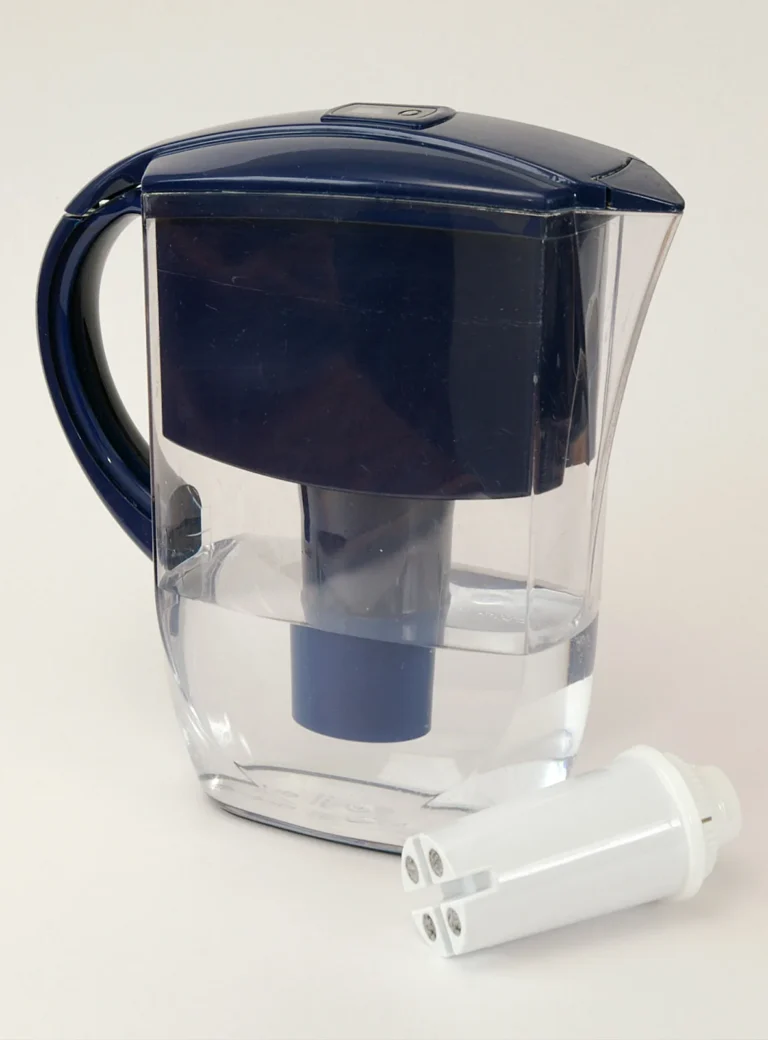
Pitcher filters are incredibly popular because they're simple and affordable. You just fill them up and pop them in the fridge. However, their effectiveness against fluoride can vary wildly. Some pitchers use cartridges that contain activated alumina or bone char, and these can reduce fluoride.
Other standard pitchers might barely touch it. Manufacturer specs usually show a fluoride reduction percentage, if any.
- Best For: Single individuals or small households who want a quick, easy, and inexpensive way to get some level of fluoride reduction, provided they choose a model specifically designed for it.
- Drawbacks: They have a lower capacity, filter slowly, and require frequent cartridge replacements. Their effectiveness can also be inconsistent depending on the specific cartridge used.
Faucet Filters: On-Demand Ease
Faucet filters attach directly to your existing tap, giving you filtered water on demand without needing a separate pitcher. Like pitchers, their ability to filter fluoride hinges entirely on the media inside the cartridge. Many good faucet filters do incorporate activated alumina to effectively tackle fluoride. They offer a step up in convenience and capacity from pitchers.
- Best For: People who want filtered water directly from their tap for drinking and cooking without major installation. Also good for renters who can't modify plumbing.
- Drawbacks: They can sometimes reduce water flow, and replacement cartridges are a recurring cost. Not all faucets are compatible, and they can be a bit bulky.
Under-Sink Systems: Dedicated Removal Power
When you want serious fluoride reduction for drinking and cooking water, under-sink systems are a top contender. These are installed directly beneath your kitchen sink and typically offer higher capacity and better filtration performance. Many of these systems incorporate dedicated fluoride-removing media like specialized activated alumina or are often part of a multi-stage reverse osmosis (RO) setup. Their filters generally last longer than those in pitchers or faucet attachments.
- Best For: Households that consume a significant amount of drinking and cooking water and want a reliable, high-performance solution that's out of sight.
- Drawbacks: Installation can be more involved, sometimes requiring basic plumbing skills or a professional. The upfront cost is higher than pitchers or faucet filters. RO systems also produce wastewater, which is a factor to consider.
Whole House Systems: Broader Protection (with caveats)
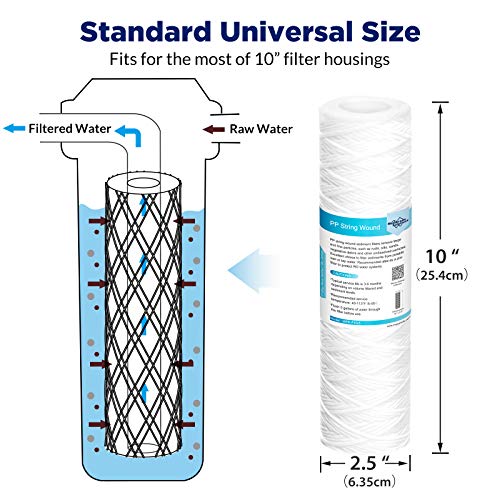
Whole-house filtration systems treat all the water entering your home, from every faucet and showerhead. While they are fantastic for improving overall water quality by reducing sediment, chlorine, and other common issues, not all are equipped to handle fluoride effectively. If fluoride removal is your primary goal for a whole-house system, you need to ensure it specifically includes media like activated alumina or a specialized ion-exchange resin designed for fluoride. Many standard whole-house filters will barely affect fluoride levels, leaving your drinking water untreated for this specific contaminant.
- Best For: Homeowners looking to improve water quality throughout their entire house. Only if a system is specifically configured with fluoride-targeting media.
- Drawbacks: These systems have the highest upfront cost and require professional installation. Filter replacement can also be expensive. It's crucial to select a system whose media cartridge is verified to target fluoride.
Making the Choice That's Right for You
Now that we've looked at the main technologies, how do you actually pick the best filtration system for your home? It really comes down to a few key questions about your lifestyle and priorities. One of the first things to consider is your budget, both for the initial purchase and for ongoing filter replacements. How much filtered water you need daily is also a huge factor, as is your comfort level with installation and maintenance.
Budget, Needs, and Installation
If you're on a tight budget or just testing the waters (pun intended), a pitcher filter using bone char or activated alumina is a starting point. These can cost between $20 and $50 upfront, with replacement filters running $5 to $10. For more frequent use, a faucet filter, typically $30-$80 initially, offers better convenience if your faucet is compatible. For serious fluoride reduction on drinking and cooking water, under-sink systems, ranging from $80 to $300+, are a significant upgrade, often featuring multi-stage filtration including specialized media or RO.
Whole-house systems are the priciest, starting around $300 and going up to $1000+, but they treat all water in your home with the right configuration.
A Word on Certifications: What to Look For
When you're trying to filter out fluoride, certifications are your best friend for confirming a filter actually does what it claims. Reputable manufacturers will often list certifications from bodies like NSF International and its ANSI standards. Specifically for fluoride removal, look for systems tested and certified to NSF/ANSI Standard 53 (for POU/POE systems) or NSF/ANSI Standard 58 (for RO systems). These standards mean independent labs have verified the reduction claims.
For example, some filters might boast 90% fluoride reduction, but without a proper certification, it’s hard to verify. Manufacturer specifications on their official sites, rather than just box claims, usually provide the most detail.
My Two Cents from the Trenches
Our editorial analysis of product specifications and consumer feedback suggests that for consistent, high-level fluoride removal from drinking water, under-sink systems utilizing activated alumina or reverse osmosis are generally the most reliable. While pitcher and faucet filters can offer some degree of reduction, their effectiveness often hinges on frequent, precise maintenance and selecting the right model amongst many standard options marketed broadly. For instance, a common frustration reported by users of basic pitcher filters is the need to constantly repurchase expensive replacement cartridges that have limited impact on fluoride. Systems with dedicated filtration stages, particularly those certified to standards like NSF/ANSI 53, provide a more robust and measurable solution.
What About Reverse Osmosis Systems?
Reverse osmosis (RO) systems are a powerhouse for water purification, and they are exceptionally effective at removing fluoride. They work by pushing water at high pressure through a semi-permeable membrane that has extremely tiny pores. These pores are so small that they block not only fluoride but also a broad range of other contaminants like lead, arsenic, and dissolved salts. Manufacturer specifications often indicate that RO membranes can remove upwards of 95% of fluoride.
This level of purification makes them a preferred choice for those seeking the highest purity for their drinking and cooking water.
How RO Works in Practice
In a typical under-sink RO setup, water first passes through pre-filters to remove sediment and chlorine, protecting the delicate RO membrane. Then, the water is forced through the RO membrane itself. The purified water is stored in a small tank, and a post-filter often polishes the water to improve taste before it dispenses into a dedicated faucet. A significant point to note, however, is that RO systems also remove beneficial minerals like calcium and magnesium.
Many modern RO units include a remineralization stage to add these minerals back into the water, which is important for taste and potential health benefits.
What About Activated Alumina Filters?
Activated alumina is specifically engineered to target fluoride and other contaminants like arsenic and selenium. It's a porous form of aluminum oxide with a very high surface area, making it an excellent adsorbent. As water flows through a filter containing activated alumina, fluoride ions get attracted to and bind with the alumina surface. This process effectively pulls fluoride out of the water.
Effectiveness and Limitations
Activated alumina is highly effective for fluoride removal, with manufacturer specs often showing it can remove 80-90% or more of fluoride, depending on the contact time and water conditions. It tends to work best in neutral to slightly acidic water. A key consideration with activated alumina is its lifespan. Once its adsorption sites are full, it can no longer remove fluoride and will need replacement.
The frequency depends on the fluoride concentration in your water and the volume of water filtered. Aggregate consumer feedback indicates that filters using activated alumina can significantly improve water quality for fluoride concerns.