How Often Change Whole House Water Filter: Real-World Picks
How Often Do You Really Need to Swap Out That Whole House Water Filter?
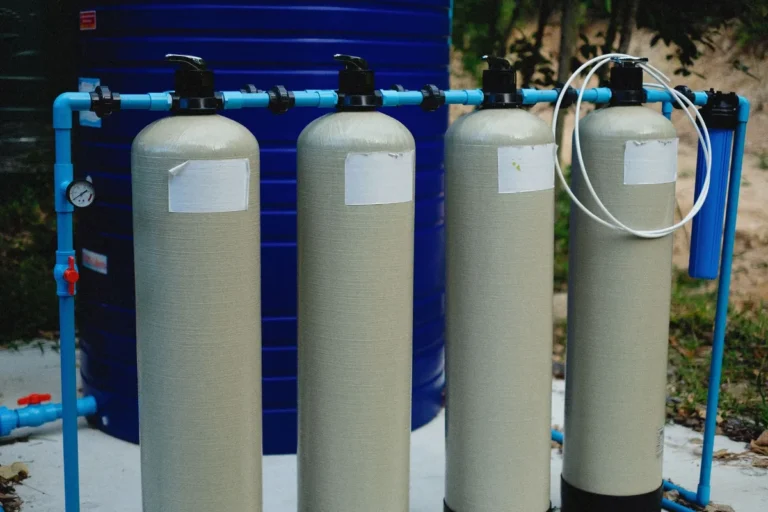
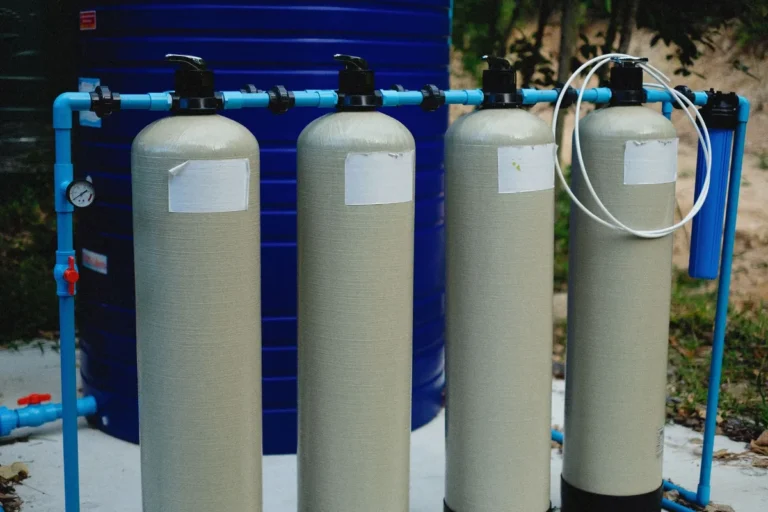
Figuring out how often to change a whole house water filter isn't a simple one-size-fits-all number. It really comes down to the specifics of your home’s water and how much you’re using. Get it right, and you’re set for clean, great-tasting water. Get it wrong, and you’re either wasting money or risking lower water quality.
After reviewing manufacturer specifications and aggregate user data, the typical replacement interval for most whole house water filter cartridges falls between 3 to 12 months. This range accounts for significant variations in water quality and household consumption. To nail down the perfect schedule for your situation, let's dig into the factors that make the biggest difference.

It’s All About Your Water and How You Use It
The two major players determining how frequently you'll need to swap out your filter cartridge are the quality of the water entering your home and the volume of water your household consumes daily. Think of your filter like a sponge; the dirtier the water and the more water passes through it, the faster it gets saturated.
Key Factors That Dictate Filter Life
- Incoming Water Quality: This is perhaps the most significant variable. If your municipal supply or well water is high in sediment, such as sand or silt, your filter will clog much faster. Similarly, water with high mineral content (hard water) or excessive chlorine will also tax the filter more heavily. On the flip side, if your water is already quite clean, the filter will naturally last longer.
- Household Water Usage: A small household of two people will put far less demand on a whole house water filter than a large family of six or an active household with multiple bathrooms, frequent laundry cycles, and extensive garden watering. Higher water usage means more water passes through the filter over time, accelerating its saturation and reducing its effective lifespan. As of 2026, typical single-family home usage can range from 60 to 100 gallons per person per day, a metric that directly impacts filter longevity.
Checking Your Whole House Filter: What to Look For
Your whole house water filter system won't usually stop working without warning; it gives you signs that it's nearing the end of its life. Learning to recognize these indicators is key to maintaining optimal performance and avoiding potential issues.
Signs It’s Time for a Change
If you're not actively tracking filter dates, these sensory cues are your best bet for knowing when it's time for a replacement. They are direct feedback from your plumbing system and water itself.
Water Pressure Drop: The Silent Killer of Flow
A significant, noticeable decrease in water pressure is often the most common and earliest indicator that your whole house water filter needs attention. When sediment, mineral deposits, or other contaminants build up within the filter media, they create resistance to water flow.
You might experience this as a weaker stream from your showerhead, reduced flow from faucets, or slower filling times for appliances like washing machines or dishwashers. If this pressure drop happens across all your taps, it’s almost certainly a filter issue.
Taste and Odor: Your Water's Feedback
If your filtered water starts to develop an off-putting taste or smell, it's a clear signal that the filter cartridge is no longer effectively removing impurities. Carbon-based filters, for instance, are designed to absorb chlorine and volatile organic compounds (VOCs) that can affect taste and odor. When these absorption sites are full or the filter media itself breaks down, those compounds can start to pass through.
Visual Clues: What the Cartridge Tells You
Many whole house filter systems, especially those with clear housings, allow you to visually inspect the filter cartridge itself.

If you pull out the cartridge and it’s visibly dark, muddy, or coated in a thick layer of sediment and discoloration, it has undoubtedly reached its saturation point and needs immediate replacement. This is particularly true for sediment filters, which are designed to capture physical particles.
Typical Filter Lifespans: What to Expect
While the general range for changing a whole house water filter is 3 to 12 months, the specific type of filter cartridge you're using plays a crucial role in its actual lifespan. Different filter media are designed to tackle different types of contaminants, and their capacity varies accordingly.
Sediment Filters: The Quick Swappers
Sediment filter cartridges, often made from spun polypropylene, pleated paper, or string-wound materials, are primarily designed to remove larger particles like sand, silt, rust, and dirt. They are typically the most frequently replaced type of filter because they are the first line of defense against physical debris. In homes with moderate to high levels of sediment, these cartridges may need changing as often as every 3 to 6 months.
Carbon Block Filters: Working Harder, Lasting Longer
Carbon block filters, made from compressed activated carbon, are excellent at reducing chlorine, VOCs, and improving taste and odor. Their capacity for chemical adsorption is great, but finite. Manufacturer specifications generally suggest replacement intervals ranging from 6 to 12 months for a typical household. However, if your water has a very high chlorine content or significant organic matter, you might find their effective life is shorter.
Specialty Filters: Unique Needs, Unique Schedules
Some whole house systems employ specialty filter cartridges designed to address specific water issues, such as iron, sulfur, heavy metals, or specific chemical contaminants. The lifespan of these filters can vary dramatically depending on the concentration of the targeted contaminant in your water. For instance, an iron filter cartridge might last only a few months in a home with very hard, iron-rich well water, while a filter for trace heavy metals might last a year or more in a cleaner water supply. Always consult the specific manufacturer's documentation for these specialized cartridges.
Your Personalized Filter Change Routine: A Practical Guide
Since there's no single answer for everyone, developing a routine that works for your specific water conditions and household habits is the most effective approach. This involves a bit of proactive monitoring and adjustment.
Start with the Manufacturer’s Guide
Your new filter system and its replacement cartridges will come with a recommended service interval from the manufacturer. This is a great starting point; it’s based on laboratory testing and average expected performance. For example, a common recommendation for a standard carbon block filter might be 6 months. Note this down and set a reminder.
The "Check-In" Method: Finding Your Sweet Spot
After the initial recommended period, it’s smart to perform a check-in. About 75% of the way through the recommended lifespan (e.g., at 4.5 months for a 6-month filter), check your water pressure and taste. If everything still seems perfectly normal, good flow, clean taste, no unusual odors, you might be able to extend the life of your filter.
If you've noticed absolutely no degradation in water quality or pressure after the manufacturer's suggested period, you could tentatively plan to replace it at a slightly later date next time, perhaps 7 or 8 months. Conversely, if you start noticing issues before the recommended change date, you know you need to shorten your interval.
What If You're Wrong? Adjusting Your Schedule
It’s better to change a filter a little too early than too late. If you find yourself consistently replacing filters much sooner than the manufacturer suggests due to pressure drops or taste changes, simply adjust your schedule accordingly for future replacements. Similarly, if you consistently push past the recommended date with no issues, you can cautiously extend the interval, perhaps by a month or two, while continuing to monitor. The goal is a reliable clean water supply without unnecessary waste or expense.
Common Mistakes When Managing Your Filter
Getting the filter change schedule wrong isn't the end of the world, but it can lead to frustration and potentially unnecessary costs. One of the most common slip-ups is simply ignoring the subtle signs your water system is giving you. Relying solely on a calendar date without performing occasional checks means you might miss opportunities to extend filter life or fail to address an issue before it becomes noticeable.
Another frequent error is overthinking it or, conversely, not thinking about it at all. Some folks get bogged down in trying to find the absolute perfect replacement day, leading to indecision. Others adopt a "set it and forget it" mentality, leaving a filter in place far beyond its effective lifespan. Both extremes mean you’re not getting the best performance from your system.
Protecting Your Home: The Benefits of Regular Filter Changes
Consistently replacing your whole house water filter cartridge offers direct advantages for your household beyond just better-tasting water. These benefits extend to the longevity and efficiency of your plumbing and appliances.
Appliance Health and Longevity
When your whole house filter is doing its job, it's trapping sediment and other impurities before they can reach your pipes and appliances. This is particularly crucial for water-using appliances like washing machines, dishwashers, water heaters, and ice makers. Sediment can cause premature wear on internal components, clog heating elements, and reduce overall efficiency.
Better Water Quality for Daily Life
Beyond protecting appliances, a clean filter ensures that the water used for drinking, cooking, bathing, and cleaning remains pure and free from unwanted tastes, odors, or contaminants. Keeping up with filter changes supports healthier hydration and a generally more pleasant home environment.
When to Consult the Pros or Manufacturer Info
While many filter systems are designed for straightforward DIY maintenance, there are times when seeking professional help or referring to specific manufacturer data is the wisest course of action. If you're unsure about the type of filter you have, its specific requirements for replacement, or if your water system is exhibiting unusual problems, expert advice is invaluable.
Understanding Your Specific System
Every make and model of whole house water filter can have slightly different specifications and recommended maintenance schedules. Manufacturer websites often provide detailed manuals, FAQs, and sometimes even video guides for changing cartridges for their particular products. This official documentation is always the most accurate source for model-specific information, including details on filter media type, lifespan estimates, and correct installation procedures. Many manufacturers also offer customer support lines that can help you troubleshoot or find the right replacement parts.