How to Filter Rain Water to Drink for 2026: Real Buyer Picks
Curious about drinking rainwater? It's a resource many people are looking into for independence and sustainability, but understanding how to filter rain water to drink safely is absolutely critical. If you're collecting water from your roof, you've already taken the first step, but getting that water from the tank to your glass without risking your health requires careful attention to detail.
Our research confirms that while rainwater starts relatively pure, it can quickly become contaminated. According to standards used in water quality testing, like those outlined by the EPA, untreated rainwater can contain a range of biological and chemical contaminants that pose significant health risks. This guide focuses on the science-backed methods to ensure your collected rainwater is safe for consumption, covering everything from proper collection to multi-stage purification.
The Real Risks of Drinking Untreated Rainwater
When you're considering drinking rainwater, the biggest worry isn't usually the water itself, but what it picks up on its journey. Think about it: as rain falls, it washes particles out of the air, dust, soot, pollen, and even airborne pollutants from traffic or industry. Then, when it hits your roof and flows into your gutters, it can collect even more unsavory guests. This includes organic matter like leaves, twigs, bird droppings, insect parts, and potentially animal feces.
These contaminants aren't just unsightly; they can harbor harmful microorganisms. Bacteria such as E. coli, Salmonella, and Campylobacter, as well as viruses and protozoa like Giardia and Cryptosporidium, can all thrive in collected rainwater. Ingesting these can lead to a host of gastrointestinal illnesses, with symptoms ranging from mild discomfort to severe dehydration and more serious, long-term health problems. It’s these invisible threats that make proper filtration and purification non-negotiable.
How to Collect Rainwater Safely
Starting with a clean collection system is paramount to minimizing contamination from the outset. The materials you use and how you maintain them directly impact the quality of the water you store. A well-designed system focuses on diverting the worst of the contaminants away from your main water supply.
Your roof surface and the condition of your gutters are the first lines of defense. Manufacturers of roofing materials often provide guidelines for water collection; smooth, inert surfaces like metal or certain tiles are generally preferred over materials that might leach chemicals or break down easily. Gutters should be kept clear of debris to prevent stagnant water and the growth of algae and bacteria. Furthermore, a properly functioning first flush diverter is crucial for discarding the initial, most contaminated rainwater runoff before it enters your storage tank.
This initial flow is designed to carry away the accumulated surface contaminants.
Gutters and Downspouts
Keep these areas meticulously clean. Regularly remove any leaves, dirt, or debris that accumulates. Clogged gutters can lead to water pooling, which encourages bacterial growth and can even cause overflows that wash more contaminants directly into your tank.
Roof Material Considerations
While not always a choice you can easily change, be aware that some roofing materials are less ideal for potable water collection. Older asphalt shingles, for instance, may leach petrochemicals. Metal, glass, and certain polymer-based roofing materials are generally considered better choices for water that will be purified for drinking.
Step-by-Step: Filtering Rainwater for Drinking
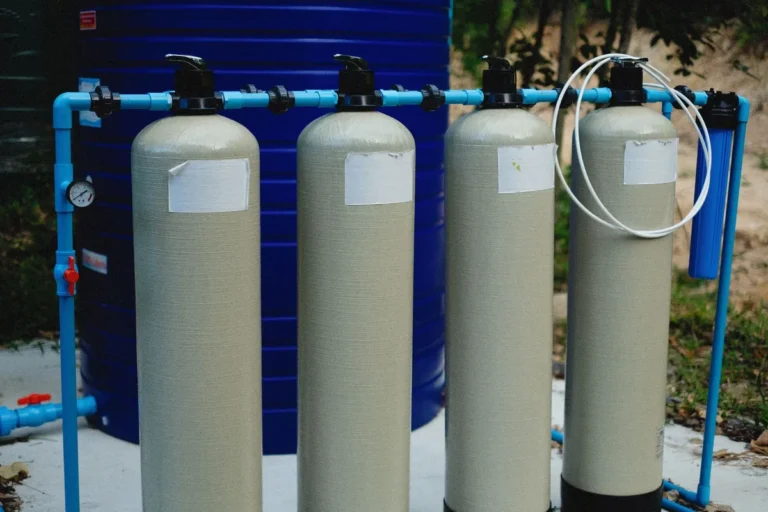
Transforming raw rainwater into potable water typically involves a multi-stage process. Skipping any of these critical stages significantly increases the risk of illness, as different contaminants require different removal methods. This isn't a one-filter-and-you're-done situation; it's about addressing particulate matter, dissolved impurities, and microscopic organisms sequentially.
The sequence generally begins with the capture and storage of rainwater, followed by mechanical filtration to remove visible particles, then potentially activated carbon filtration for chemical and taste improvements, and finally, a purification step to kill or inactivate any remaining biological threats. Adhering to this order ensures each component of your system is working effectively to deliver the cleanest possible water to your tap.
Here’s a breakdown of the typical flow:
- Collection: Capturing rain from your roof surface.
- Pre-filtration/Diversion: Removing the initial, most contaminated runoff (first flush diverter).
- Storage: Holding the collected and pre-filtered water in a clean, sealed tank.
- Sediment Filtration: Removing larger particles like sand and silt.
- Activated Carbon Filtration: Adsorbing chemicals, improving taste and odor.
- Purification: Inactivating or killing bacteria, viruses, and pathogens.
Understanding Your Filtration Needs: Sediment vs. Carbon
Filtration is about physically removing particles from the water, and you'll typically need at least two types to make rainwater suitable for drinking. Sediment filters tackle the visible stuff, while activated carbon filters handle the less visible, but still important, chemical aspects and taste.
Sediment Filters
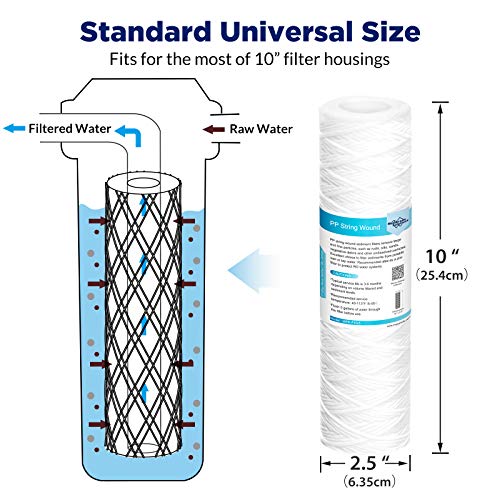
These are your workhorses for removing physical debris. They are essentially porous materials that trap particles as water passes through them. You’ll commonly find sediment filters available in various "micron" ratings. A micron is a unit of measurement; 1 micron equals one-millionth of a meter.
- Coarse Filters (20-50 microns): These catch leaves, large grit, and sediment. They are often used as a pre-filter before finer stages.
- Fine Filters (1-5 microns): These are essential for removing smaller particles like sand, rust, and some larger bacteria. For drinking water, a 5-micron filter is a good starting point, often followed by a 1-micron filter to ensure very fine particulate removal.
Activated Carbon Filters
After the bulk of the sediment is removed, activated carbon filters come into play. Activated carbon, often made from coconut shells or wood, has a highly porous structure with a massive surface area. This surface area allows it to adsorb (not absorb) a wide range of chemical contaminants.
- What They Remove: Activated carbon is excellent at eliminating chlorine (though not typically found in rainwater unless treated at the source, which is rare), volatile organic compounds (VOCs), pesticides, herbicides, and other dissolved organic compounds.
- Taste and Odor Improvement: Besides removing chemicals, these filters are highly effective at improving the taste and smell of water, making it much more palatable for drinking. Without this step, rainwater might have a dull or "flat" taste.
These two types of filters usually work in sequence within a filtration system. You'll typically see them installed one after the other, ensuring water is progressively cleaned before reaching the final purification stage.
The Non-Negotiable Step: Purifying Rainwater for Germs
Even after thorough filtration, the water can still harbor invisible microorganisms that threaten your health. This is where purification comes in, a step that uses methods to inactivate or kill bacteria, viruses, and protozoa. Relying on filtration alone for drinking water is dangerous and can lead to serious illness.
UV Sterilization: How it Works and Why It's Key
Ultraviolet (UV) sterilization is a highly effective, chemical-free method for purifying water. In this process, water flows through a chamber where it's exposed to UV-C light, typically at a wavelength of 254 nanometers. This specific wavelength is germicidal, meaning it damages the DNA and RNA of microorganisms, rendering them unable to reproduce and cause infection.
- Effectiveness: UV systems are proven to inactivate a broad spectrum of pathogens, including bacteria like E. coli and Salmonella, viruses such as rotavirus and norovirus, and protozoa like Giardia and Cryptosporidium.
- No Chemical Additives: Unlike chlorine or iodine, UV treatment doesn't alter the taste, odor, or color of the water, preserving its natural quality.
- Maintenance: While effective, UV systems require maintenance. The quartz sleeve surrounding the UV lamp needs regular cleaning, and the lamp itself needs to be replaced periodically, typically once a year, as its germicidal output diminishes over time. Manufacturer specifications, such as those from Viqua, often recommend lamp replacement annually to ensure optimal performance.
Other Purification Methods Compared
While UV is a top choice for convenience and effectiveness, other methods exist and may be used as alternatives or supplementary treatments.
- Boiling: This is the most reliable method for killing all types of pathogens. Bringing water to a rolling boil for at least one minute (at altitudes below 6,500 feet) will ensure it's safe. However, it’s time-consuming, energy-intensive, and not practical for daily, large-volume use from a rainwater system.
- Ozone Treatment: Ozone (O3) is a powerful oxidant that can kill microorganisms. It's used in some commercial water treatment facilities but is less common for home systems due to complexity and cost.
- Chemical Disinfection (Chlorine/Iodine): While effective for emergency situations or disinfecting larger volumes temporarily, the use of chlorine or iodine for daily drinking water can impart unpleasant tastes and odors. Long-term consumption of chlorinated water also raises some health concerns. For a continuous supply from a rainwater system, UV or ultrafiltration are generally preferred.