How to Filter Out Nitrates in Water 2026: That Actually Work
Finding effective ways on how to filter out nitrates in water is a common concern for many households. High nitrate levels can pose health risks, particularly to infants, making water quality a priority. Fortunately, several proven technologies can address this issue, bringing your water back to safe and palatable standards.
In our research, we've found that understanding your specific water situation is the first step. While the United States EPA sets the maximum contaminant level (MCL) for nitrates at 10 mg/L (milligrams per liter), some health advisories recommend even lower levels for optimal infant safety. Let's explore how you can tackle this.
Why Bother Filtering Nitrates From Your Water?
It boils down to safety and health. Nitrates, chemically represented as NO₃⁻, are naturally occurring compounds found in soil, water, and food. However, elevated levels in drinking water aren't ideal. For infants, consuming water with nitrate concentrations above 10 mg/L can lead to a condition called methemoglobinemia, also known as "blue baby syndrome." This condition reduces the oxygen-carrying capacity of the blood, which can be serious.
While adults are generally less susceptible, consistently high intake isn't recommended. Addressing nitrates ensures your home's water supply is safe for everyone, especially the most vulnerable.
Understanding Nitrate Levels: What's Safe?
The benchmark for safe nitrate levels in drinking water is quite clear, set by regulatory bodies. The U.S. Environmental Protection Agency (EPA) has established a Maximum Contaminant Level (MCL) of 10 mg/L (or 10 parts per million, ppm) for nitrate-nitrogen. This is based on health risks, particularly the potential for methemoglobinemia in infants.
Some researchers and health advocates suggest aiming for even lower levels, sometimes as low as 5 mg/L, especially if you have young children or pregnant individuals in the household. It's crucial to remember that these are federal standards, and local regulations or health department recommendations might vary or be even more stringent.
How Do Nitrates Get Into My Water Anyway?
The presence of nitrates in water is usually a sign of contamination from external sources. The most common culprit is agricultural runoff, where fertilizers containing nitrogen leach into the soil and eventually find their way into groundwater and surface water sources. Sewage and septic system leaks are another significant contributor, as human and animal waste is rich in nitrates. Industrial discharges can also play a role, though less commonly for residential water supplies.
In essence, anything that releases nitrogen into the environment has the potential to increase nitrate levels in the water you drink.
Your Water Testing: The Crucial First Step
Before you even think about buying a filter, you absolutely need to know what you're dealing with. This isn't a step to skip or guess on. Getting your water tested for nitrates is the single most important thing you can do. Different filtration methods are designed to handle varying concentrations, and using the wrong one can be ineffective or unnecessarily expensive.
Your local health department might offer free or low-cost testing services, or you can find certified laboratories in your area that can provide a detailed water analysis.
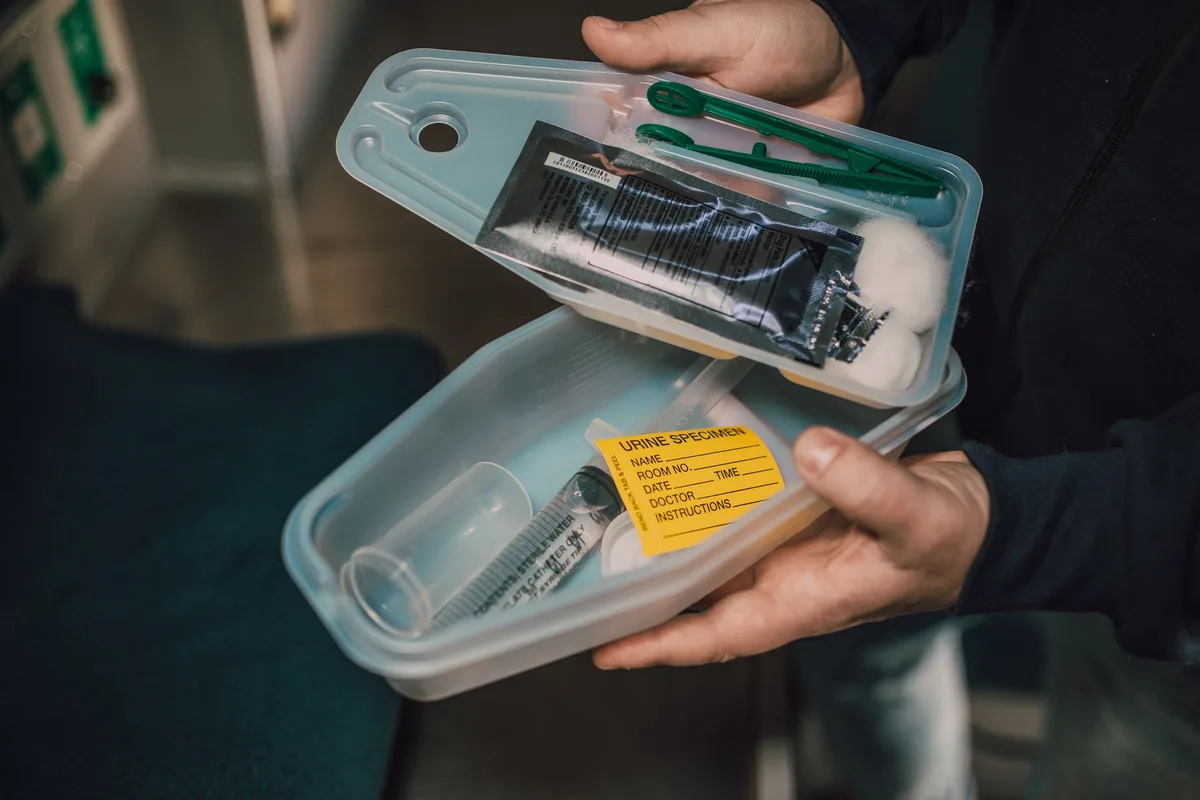
This test will tell you the exact concentration of nitrates in your water, usually measured in milligrams per liter (mg/L) or parts per million (ppm). Knowing this number is like having the blueprint before you start construction, it guides every decision moving forward.
Filtering Options: How We Tackle Nitrates
Once you have your water test results, we can look at the primary ways to get those nitrate levels down. It's not a one-size-fits-all situation, and the best method for you will depend on factors like the initial nitrate concentration, your budget, and how much water you need to treat. The main technologies we see for this specific problem are reverse osmosis, ion exchange, distillation, and, in some cases, biological treatment. Each has its own way of working and its own set of pros and cons.
Reverse Osmosis: The Membrane Approach
Reverse Osmosis (RO) systems are a popular choice for comprehensive water purification, and they're quite effective at removing nitrates. The process works by forcing water under pressure through a semipermeable membrane. This membrane has microscopic pores that are too small for most dissolved contaminants, including nitrate ions, to pass through. As the water is pushed through, it separates the purified water from the concentrated waste stream, which carries the nitrates and other impurities away.
RO systems are typically installed under the sink, serving a dedicated faucet for drinking and cooking water. Manufacturer specifications confirm that high-quality RO systems can remove upwards of 90-98% of dissolved solids, including nitrates. However, it's important to note that RO systems also remove beneficial minerals like calcium and magnesium, which some people find affects the taste of the water. They also require regular filter changes (pre-filters, post-filters, and the RO membrane itself), and they produce wastewater during the filtration cycle, which means some water is used to flush away the concentrated contaminants.
Ion Exchange: The Swap Meet for Water Ions
Ion exchange is a treatment process that's particularly well-suited for tackling specific dissolved ions in water, and it's a strong contender for nitrate removal. These systems work much like a water softener, using a tank filled with resin beads. However, instead of exchanging calcium and magnesium ions for sodium (like in softening), specialized nitrate ion exchange resins are designed to grab onto nitrate ions (NO₃⁻) in the water. As the water flows through the resin bed, the nitrate ions stick to the beads, and are swapped for less harmful ions, typically chloride ions (Cl⁻).
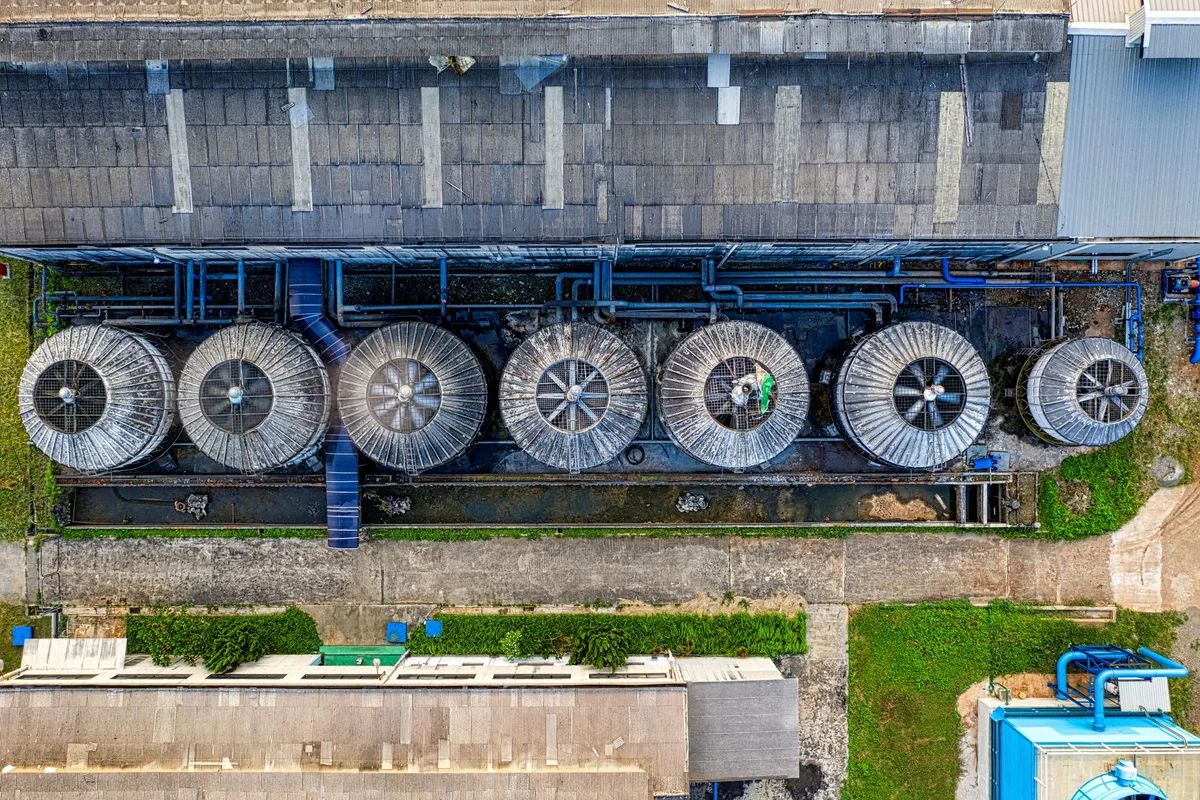
The effectiveness of ion exchange is notably high for nitrates, with many systems capable of reducing levels significantly. However, these resins eventually become saturated with nitrates and need to be regenerated. This typically involves flushing the resin tank with a brine solution (saltwater). During regeneration, the accumulated nitrates are washed away, and the resin is recharged with chloride ions, ready for another cycle.
This process means you'll need a readily available supply of salt and will have to monitor or automate the regeneration schedule. Furthermore, this process will increase the chloride content of your treated water. Per standards for water treatment materials, the resin itself must meet specific certifications to ensure it doesn't leach harmful substances.
Distillation: Boiling It Down
Water distillation is one of the oldest and most thorough purification methods. As its name suggests, the process involves heating water to its boiling point, turning it into steam. This steam is then cooled and condensed back into liquid water in a separate container. Since nitrates and other dissolved solids have much higher boiling points than water, they are left behind in the boiling chamber.
This leaves you with exceptionally pure water, free from a wide range of contaminants including nitrates, heavy metals, and minerals.
Distilled water is often used in applications where purity is critical, such as in laboratories, medical equipment, or irons, to prevent mineral buildup. For drinking water, while it's effective at removing nitrates, some people find the taste less appealing because it also strips away natural minerals that contribute to water's flavor. Additionally, distillation is a slower process compared to RO or ion exchange, and it consumes a significant amount of energy due to the heating and cooling cycles involved. Units can range from small countertop models for occasional use to larger systems.
Biological Treatment: Nature's Nitrifying Filters
This method is less common for typical residential settings and is often employed in larger-scale or specialized water treatment scenarios. Biological nitrate removal relies on specific types of bacteria that can convert nitrates into harmless nitrogen gas, which then dissipates into the atmosphere. This process is often part of a larger wetland or bioreactor system. For instance, manufacturer documentation for some advanced well water systems outlines designs that encourage denitrifying bacteria to colonize specific media within the treatment unit.
If a biological treatment system is considered, it requires careful monitoring and control of environmental conditions, such as water temperature, pH, and the presence of a carbon source for the bacteria. It's not typically a DIY solution and is usually recommended and managed by water treatment professionals. The advantage here is that it can be very effective and environmentally friendly if implemented correctly, but the complexity and need for specialized oversight make it a less accessible option for many homeowners seeking a simple nitrate filter.
Choosing Your Nitrate Filter: A Decision Guide
Deciding on the best nitrate filter means matching a technology to your specific needs and circumstances. It's not just about picking the "best" system, but the best system for you. If your water test shows nitrate levels just slightly over the 10 mg/L EPA limit, a simpler point-of-use system might suffice. For significantly higher concentrations or if you want to ensure all water in your home is treated, a whole-house system becomes more practical.
Consider the ongoing costs: RO systems require regular membrane and filter replacements, while ion exchange systems need salt. It's a balance between upfront cost, effectiveness, and long-term maintenance.
When Point-of-Use is Enough (and When It's Not)
A point-of-use (POU) filter is ideal if your primary concern is nitrate-free water for drinking and cooking directly from the tap. These are typically compact systems installed under the kitchen sink, or even a faucet-mounted filter. Reverse osmosis systems are very common POU options; manufacturer specifications often report excellent nitrate removal rates here. For example, a good RO unit can bring water with 20 mg/L of nitrates down to below 1 mg/L.
However, POU systems don't treat water for showering, laundry, or other household uses, which might still contain nitrates. If your goal is solely to ensure safe drinking water, a POU system is usually more cost-effective and easier to maintain. But if you're worried about overall exposure, you'll want to consider further.
Whole-House Systems: Treating All Your Water
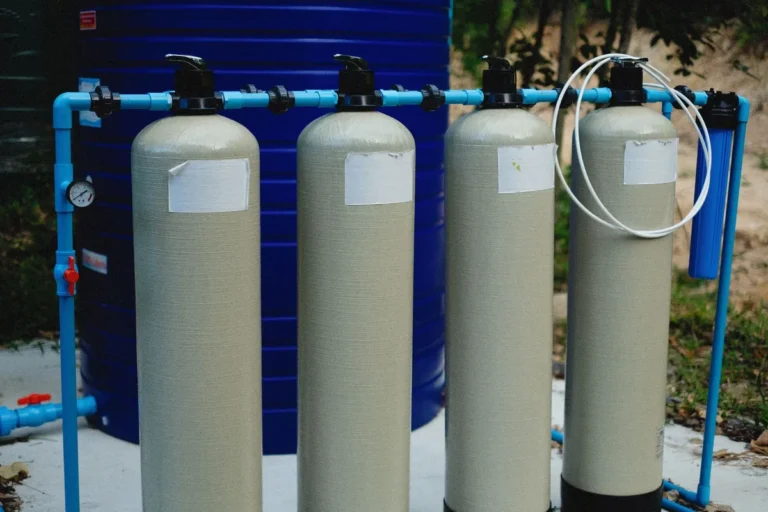
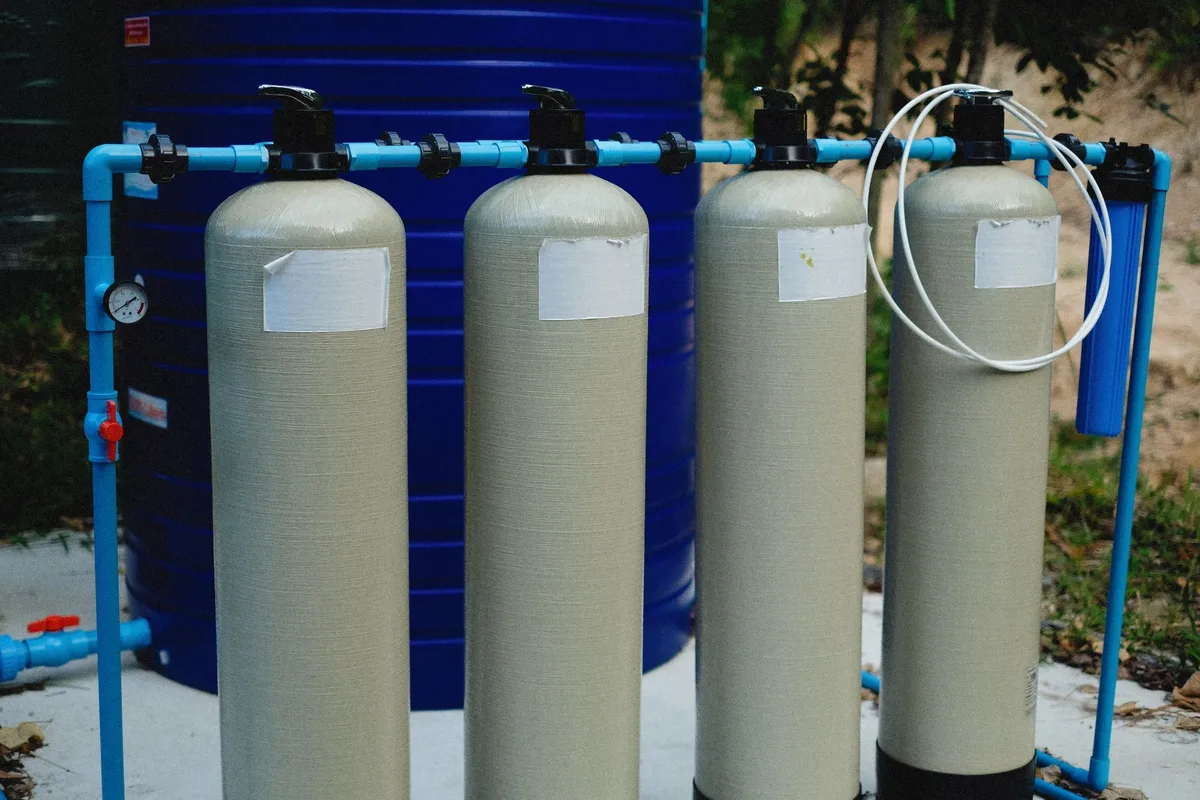
If your water test reveals high nitrate levels, or if you have concerns about nitrates affecting bathing or other household uses, a whole-house filtration system is the way to go. These systems treat all the water entering your home, ensuring every tap, shower, and appliance gets purified water. Ion exchange systems are frequently chosen for whole-house nitrate removal. A properly sized ion exchange unit, based on your home's water usage and nitrate concentration, can consistently deliver water that meets safe drinking standards throughout the entire property.
These systems, as of 2026, are a robust solution for widespread contamination issues.
How Do I Know Which System is Right for My Home?
To figure this out, ask yourself a few questions based on your water test. If your nitrates are below 15 mg/L, a point-of-use reverse osmosis system might be perfectly adequate for your drinking water needs. If levels are higher, say 30 mg/L or more, or if you have a shallow well prone to fluctuations, a whole-house ion exchange system is generally a more reliable choice. Also, consider your family's water usage.
A large family with high water consumption will require a larger, more robust system than a single individual. Think about the space available for installation, under-sink RO units take up cabinet space, while whole-house systems typically need a dedicated spot in a utility room or basement.
What About Other Filtration Methods?
While reverse osmosis and ion exchange are the powerhouses for nitrate removal, other methods don't quite measure up for this specific contaminant, though they serve other purposes. Activated carbon filters, commonly found in pitcher filters and faucet attachments, are great for improving taste and odor and removing chlorine, but they have very limited effectiveness against dissolved ions like nitrates. Distillation, as we touched on, is highly effective but often impractical for whole-house treatment due to its slow speed and high energy consumption. Specialized biological filters exist but are usually for very specific applications and require expert management.
For reliable, broad-spectrum nitrate reduction in a home setting, sticking with RO or ion exchange is generally recommended.
Mistakes to Avoid When Choosing a Nitrate Filter
One of the biggest mistakes people make is not testing their water first. Buying a system based on assumptions can lead to disappointment and wasted money. Another common pitfall is selecting a system that's too small for your household's water needs; this can lead to it being overwhelmed and ineffective. Ignoring ongoing maintenance is also a major issue.
RO membranes and filters need regular replacement, and ion exchange systems require salt. Skipping these maintenance steps will drastically reduce the system's ability to filter nitrates and can even lead to the system becoming a source of contamination itself. Finally, be wary of systems that promise "miracle" results without clear specifications on their nitrate removal capabilities and testing certifications.