How Long Does a Carbon Water Filter Last 2026
The question of how long does a carbon water filter last is more than just a number; it's about reliable access to safe, clean water. Most people expect a filter to perform consistently, but its actual lifespan hinges on several real-world factors we’ll unpack. Manufacturer specifications often give a baseline for filter life, typically measured in months or gallons, like the NSF/ANSI 42 standard for aesthetic effects which confirms chlorine reduction for a set capacity. But how that translates to your kitchen sink depends heavily on your daily habits and your home’s unique water chemistry.
The lifespan of an activated carbon water filter isn't a fixed expiration date stamped on the packaging; it's a dynamic variable. While manufacturers provide estimates, your actual experience can differ significantly. Understanding these differences means looking at how you use the filter and the quality of the water it’s treating.
Quick Answer: What's the Average Lifespan?
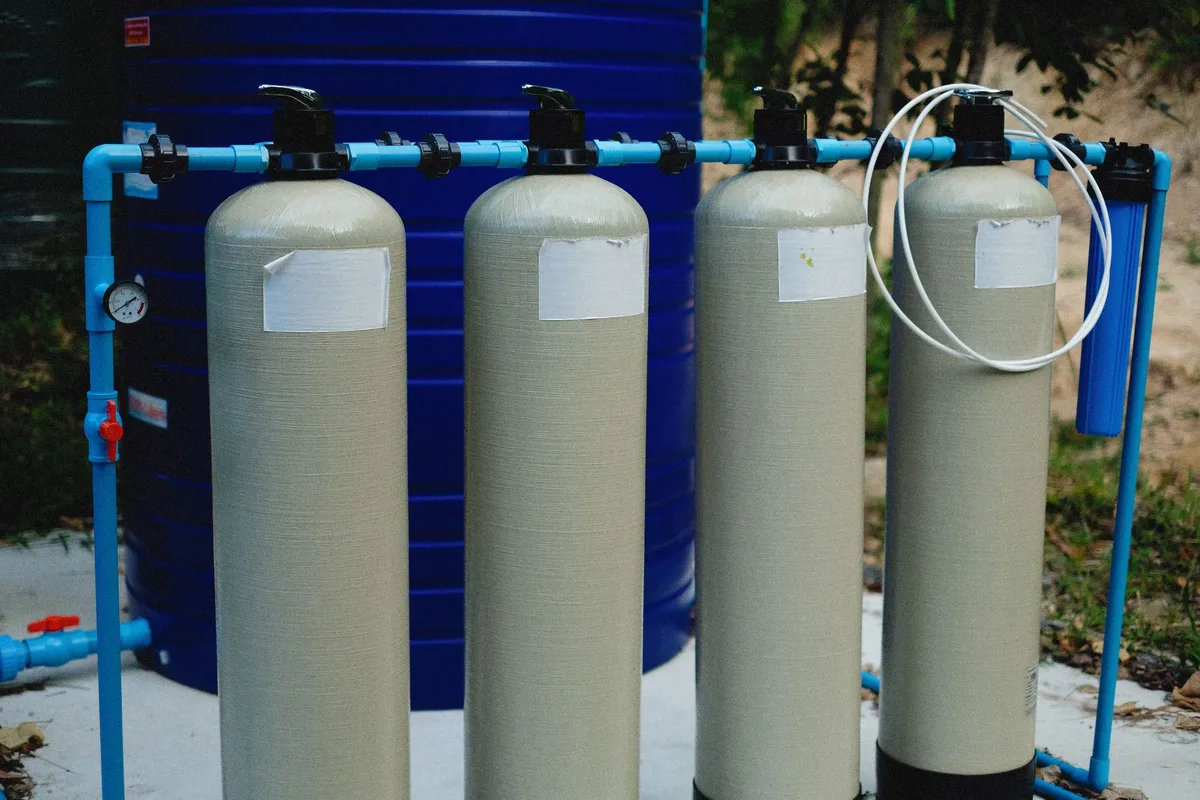
On average, most standard activated carbon pitcher filters last about two months or around 40 gallons, whichever comes first. Refrigerator filters, designed for higher volume, commonly last six months or about 300 gallons. However, these are just general benchmarks. For under-sink or whole-house systems, the capacity can range from 10,000 gallons to over 50,000 gallons and last anywhere from six months to two years.
This wider range reflects the larger volume of water treated and the more robust nature of these systems.
Why Your Filter's Clock Ticks Differently
Several factors dictate precisely how long your carbon filter remains effective at purifying your water. It’s not a set-it-and-forget-it kind of deal; your environment plays a huge role.
Water Usage: The Biggest Factor
The more water you run through your filter, the faster it works through its capacity. A household with two people who drink a lot of water will deplete a filter quicker than a single occupant who uses minimal water. For instance, if a filter is rated for 100 gallons, and you use 2 gallons per day, that’s roughly 50 days, or about 7 weeks. If you’re using 4 gallons a day, that’s cut in half to 25 days.
Your Water's Quality: What's Lurking In It?
This is often the unsung hero (or villain) of filter life. If your tap water is heavily chlorinated, or contains high levels of volatile organic compounds (VOCs), pesticides, or sediment, the carbon has more work to do. Each of these contaminants needs to be adsorbed (stuck to the carbon’s surface), and the more contaminant load there is, the faster the carbon becomes saturated and loses effectiveness. Aggregates of user feedback often point to higher sediment loads in municipal water sources dramatically reducing filter life.
Filter Type Matters: GAC vs. Carbon Block
Not all activated carbon filters are created equal. There are two main types you'll encounter:
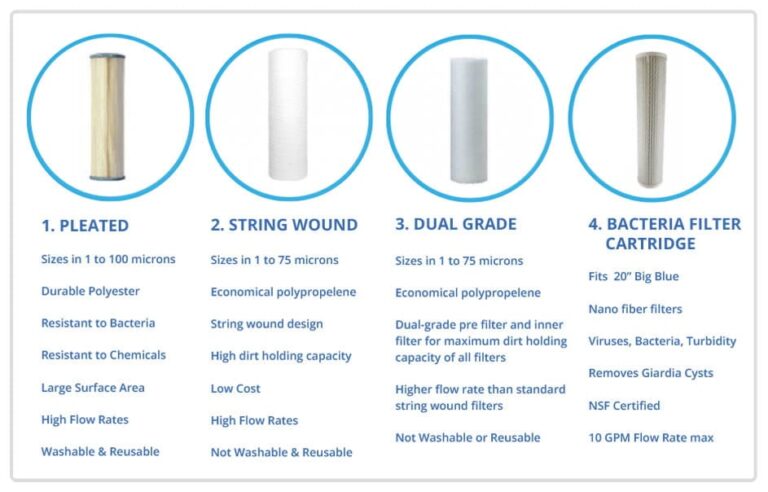
- Granular Activated Carbon (GAC): This is loose carbon granules inside the filter housing. It's great for reducing chlorine taste and odor, but it can allow water to channel through, meaning some water might not make full contact with the carbon. This can lead to slightly less efficient contaminant removal over time.
- Carbon Block: Here, powdered activated carbon is compressed into a solid block. This forces water to flow through the carbon material, providing much more consistent contact and filtration. Carbon block filters typically offer finer filtration (smaller micron ratings) and are often more effective at removing a wider range of contaminants, which can sometimes mean a shorter gallon capacity but more reliable performance for those specific contaminants.
Manufacturer specifications often detail these differences, influencing both cost and expected lifespan.
Real-World Filter Lifespans: By the Numbers
Let's move beyond general averages and look at some common scenarios. Understanding the typical performance of different filter types in actual homes provides a clearer picture.
Refrigerator Filters: Typical Gallons and Months
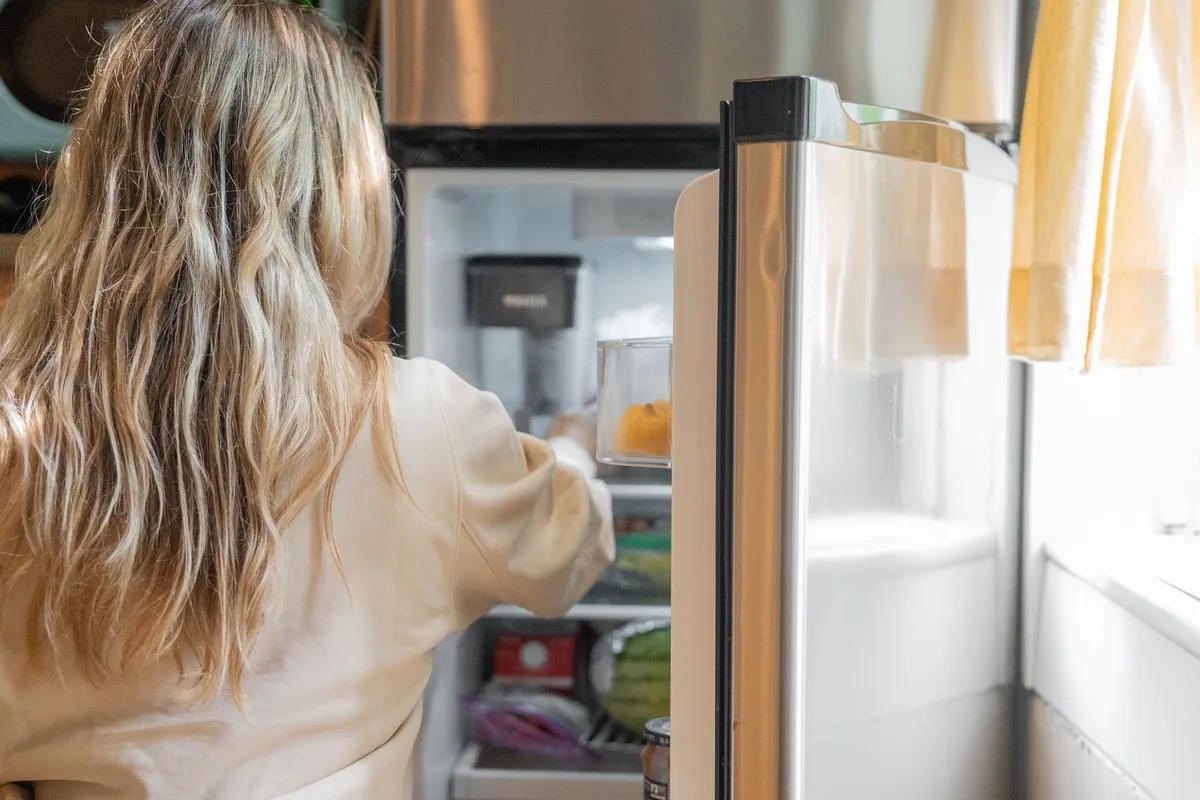
Most refrigerators come with built-in water dispensers and ice makers that use carbon filters. These are typically designed to last about six months or filter up to 300 gallons of water. However, this can be shorter if your household uses the water dispenser heavily or if your water's impurity levels are very high. Some manufacturers, like Whirlpool or GE, offer specific filter models with capacities listed on their official sites for precise comparison.
Pitcher Filters: Daily Use and Replacement Cycles
For countertop water filter pitchers, the common turnaround is usually two months or around 40 gallons. This is meant for moderate daily use, like filling a few glasses for drinking and cooking. If you're constantly refilling the pitcher, especially for a large family, you might find yourself replacing it sooner.
Faucet Filters: Flow Rate and Duration
Faucet-mounted filters often have lifespans ranging from two to four months, or about 100-200 gallons. Their lifespan is tied to usage and the filter’s micron rating, which affects flow rate. A higher micron rating might mean a slightly longer lifespan but potentially slower water flow when you need it.
Under-Sink & Whole-House: Varies Significantly
These systems are generally built for durability and larger volumes.
- Under-sink filters can range from 6 months to 1 year, filtering anywhere from 500 to 1,500 gallons.
- Whole-house filters, treating all water entering your home, are the most robust, with lifespans from 6 months to 2 years and capacities often exceeding 10,000 gallons. The specific filter media, housing size, and sediment pre-filters play a massive role here.
Signs It's Time for a New Carbon Filter
Your filter isn't going to flash a warning light when it's done, but it will give you clues. Paying attention to these signs can help you replace filters proactively, ensuring you're always getting the best water quality.
That Lingering Chlorine Taste Is Back
This is often the clearest indicator. Activated carbon's primary advertised job as a filter media is to adsorb chlorine, which is responsible for that distinct "swimming pool" smell and taste in tap water. If you start noticing that familiar chlorine scent or taste creeping back into your water after a period of it being absent, your carbon filter has likely reached its adsorption capacity for chlorine.

The chlorine molecules have no more binding sites on the activated carbon, so they're passing through the filter and into your drinking water. This is a direct signal that the filter's key function related to aesthetic improvements is no longer being met effectively.
Noticeable Drop in Water Flow
If the water pressure from your dispenser or faucet suddenly seems much weaker, it could mean your filter is becoming clogged. While not directly related to the carbon's adsorption capacity for dissolved contaminants, sediment, larger particles, and other impurities in your water can physically block the filter media over time. This buildup creates resistance, slowing down the water flow. Some filters are designed with pre-filters specifically to catch sediment, and when these clog, the overall flow rate suffers.
Filters Don't Last as Long as They Used To
If you're finding yourself replacing filters on a more frequent basis than the manufacturer's stated lifespan suggests, it's a cause for concern. This often points to an increase in the contaminant load in your water supply. More impurities mean the carbon media gets saturated faster, reducing its effective life. This is particularly common if local water treatment processes change or if there’s increased runoff affecting well water.
Visual Clues (If Visible)
While many filters are enclosed, some pitcher or faucet filters have transparent housings where you might be able to see the carbon material. If the carbon appears darkened, murky, or you notice a fine black powder (carbon fines) in your water, it’s a strong sign the filter is nearing the end of its useful life, or has potentially failed. However, relying on visual inspection is less dependable than taste, flow rate, or adhering to a replacement schedule.
Common Mistakes That Shorten Filter Life
It’s easy to accidentally cut your filter’s lifespan short without realizing it. Being aware of these common slip-ups can help you maximize its performance and value.
Ignoring Manufacturer Recommendations
Every filter comes with a recommended replacement schedule based on gallons filtered or time (months). These recommendations are based on testing and provide a good balance between filter life and performance. Deviating from these guidelines, whether trying to push it too long or replacing it too soon "just in case," can lead to either diminished water quality or wasted money. Always check the manufacturer's specifications for your specific filter model.
Not Priming New Filters Properly
Many new carbon filters, especially for refrigerators and faucets, require a "priming" step. This usually involves running a significant amount of water through the new filter (often 2-4 gallons) before drinking from it. This process flushes out any loose carbon fines and conditions the filter media. Skipping this step can result in cloudy water initially and may impact the filter’s early performance.
Using the Wrong Filter for Your Needs
There's a wide variety of filter types and ratings. A basic GAC filter for taste and odor won't last as long or perform as well for removing heavy metals or lead as a specialized filter or a multi-stage system. Using a filter not designed for the specific contaminants present in your water will mean it’s overworked and fails prematurely, or simply doesn’t do the job you need it to.
Letting Old Filters Sit Unused
If you replace a filter but leave the old one in the system for an extended period, or store a new filter without proper sealing, it can lead to issues. Stagnant water in an old filter can become a breeding ground for bacteria. Similarly, untreated carbon can absorb moisture and other airborne particles, potentially reducing its effectiveness when you finally install it. Always follow storage recommendations for new filters and replace them on schedule.
Keeping Your Filter Working Harder, Longer
Maximizing the lifespan and effectiveness of your carbon water filter involves a couple of key practices. It’s about smart maintenance and understanding the standards that ensure your filter actually works.
Understanding Filter Ratings and Certifications (NSF/ANSI)
When you're buying a filter, look for certifications from organizations like NSF International. Standards such as NSF/ANSI 42 verify that the filter reduces aesthetic effects like chlorine, taste, and odor. NSF/ANSI 53 focuses on health effects, confirming reduction of specific contaminants like lead, mercury, or certain pesticides. These certifications mean the filter has been independently tested to meet specific performance claims for a stated capacity.
Knowing what your filter is certified for helps you understand its expected performance duration for those specific contaminants.
Regular System Maintenance
Beyond just replacing the filter itself, keeping the entire water filtration system clean is important. This includes regular cleaning of the dispenser nozzle, pitcher reservoir, or faucet connection points to prevent bacterial growth. For under-sink or whole-house systems, periodically checking for leaks or unusual sounds can help catch issues early before they impact filter performance or cause water damage.
When to Consider Other Filtration Methods
While activated carbon filters are excellent for many common water issues, they aren't a one-size-fits-all solution. If your water has specific, hard-to-remove contaminants, you might need to consider alternative or complementary filtration technologies. For example, if you have very high levels of dissolved solids (TDS), such as minerals or salts that carbon filters don't effectively remove, a Reverse Osmosis (RO) system might be more appropriate. RO systems use a semipermeable membrane to filter out a much broader spectrum of impurities.
What About Specific Contaminants?
- Heavy Metals (lead, mercury): Many carbon filters certified under NSF/ANSI 53 can reduce these, but it's crucial to check the filter’s specific claims. A carbon block filter is often better for this than GAC.
- Bacteria and Viruses: Standard carbon filters are generally not designed to remove microscopic biological contaminants. For this, you'd need filters with extremely fine pore sizes (e.g., ultrafiltration or microfiltration) or methods like UV sterilization.
- Arsenic or Fluoride: These often require specialized filter media beyond standard activated carbon.
Your Filter's Cost: Beyond the Purchase Price
The initial cost of a carbon water filter is just one part of the equation. When you're evaluating how long a filter lasts, you also need to consider the ongoing costs associated with its replacement.
- Replacement Cartridges: This is the primary ongoing expense. Prices can range from $10-$20 for pitcher filters to $50-$100 or more for refrigerator or under-sink units.
- Water Usage Impact: A higher-gallon capacity filter might cost more upfront but could be more economical if your household uses a lot of water, as you'll replace it less often. For example, a filter rated for 1,000 gallons costing $100 will last much longer than a 40-gallon filter costing $10 if you use more than 2.5 gallons per day on average.
- System Costs: For under-sink and whole-house systems, factor in the initial hardware cost, potential installation fees, and the cost of replacement filters over the system's lifetime.