What Is TDS In Water Filter: Safe Levels & Filtration Tips
TDS in a water filter means the level of dissolved minerals and salts in ppm.
If you have ever wondered what is tds in water filter and why it matters, you are in the right place. I test water systems for a living. I know how TDS affects taste, scale, and filter choice. In this guide, I will explain what is tds in water filter, how to measure it, and how to set it right for your home. You will get clear steps, real stories, and expert tips you can use today.
What is TDS and why it matters
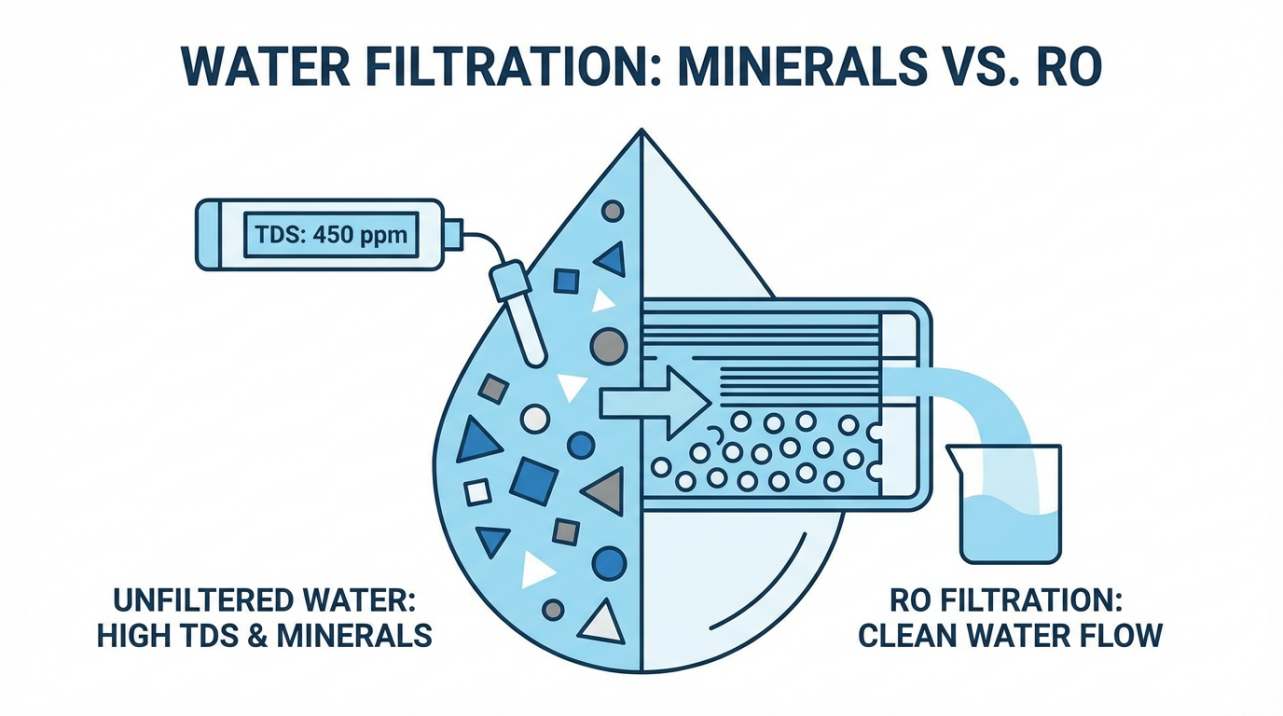
Total Dissolved Solids, or TDS, is the total amount of minerals and salts in water. It is measured in milligrams per liter or parts per million. It includes calcium, magnesium, sodium, potassium, bicarbonate, chloride, sulfate, nitrate, and small organics.
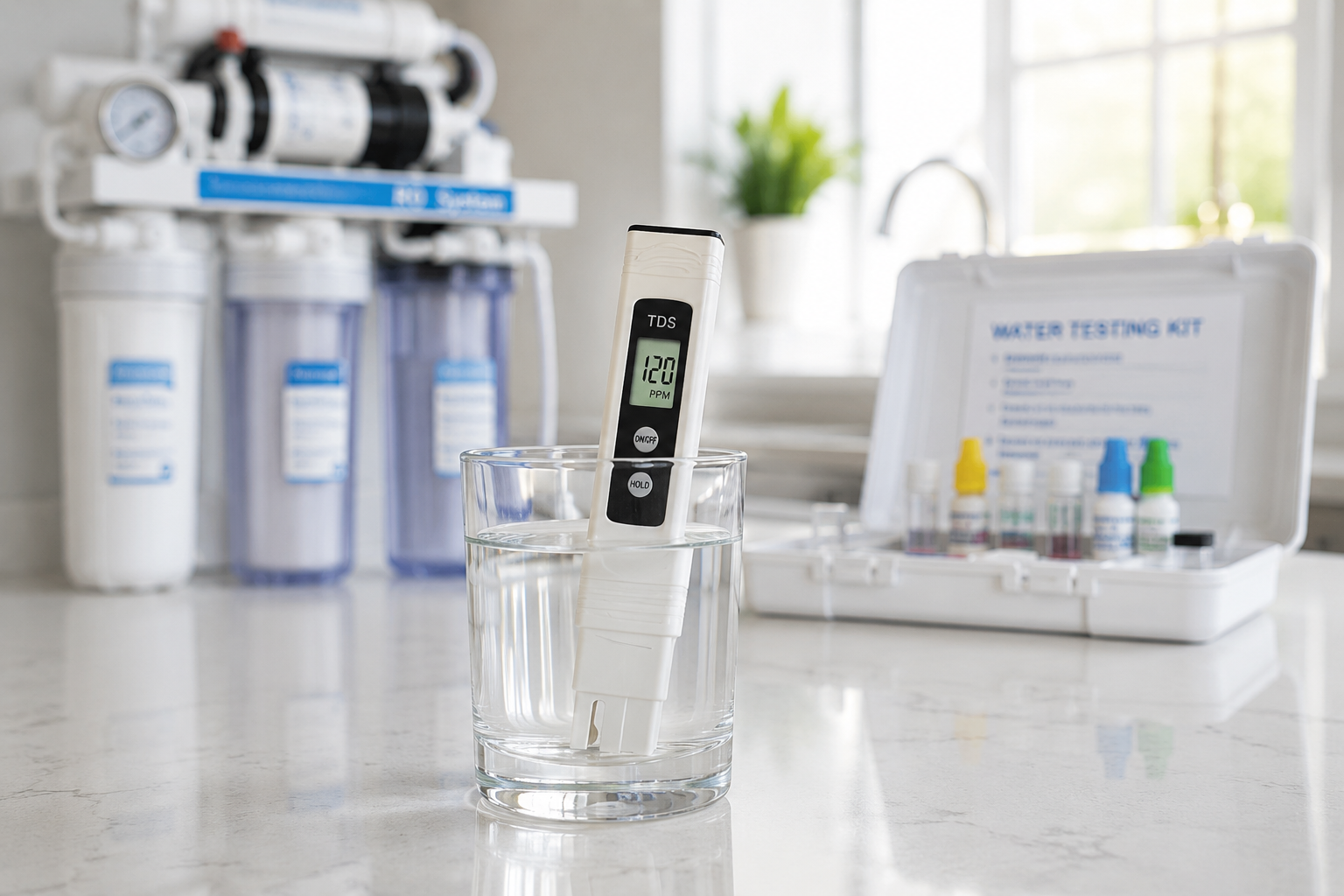
A TDS meter does not count each ion. It reads electrical conductance and turns that into a TDS value. The meter uses a factor, like 0.5 or 0.7, to convert. This is why two meters can show slightly different numbers.
TDS is not a direct safety test. Water can have low TDS and still have lead or microbes. But TDS is great for taste, scale, and filter performance checks. Many users ask what is tds in water filter because they want to know if their system works. The short answer is that it shows how much the filter changes the mineral load.
How different filters change TDS
Filters do not all do the same job. Here is what each type does to TDS.
- Activated carbon. Removes chlorine, taste, odor, and many organics. It does not lower TDS.
- Ultrafiltration or ceramic. Removes fine solids and some microbes. It does not lower TDS.
- Ion exchange softener. Swaps calcium and magnesium for sodium or hydrogen. TDS stays the same or can go up a little.
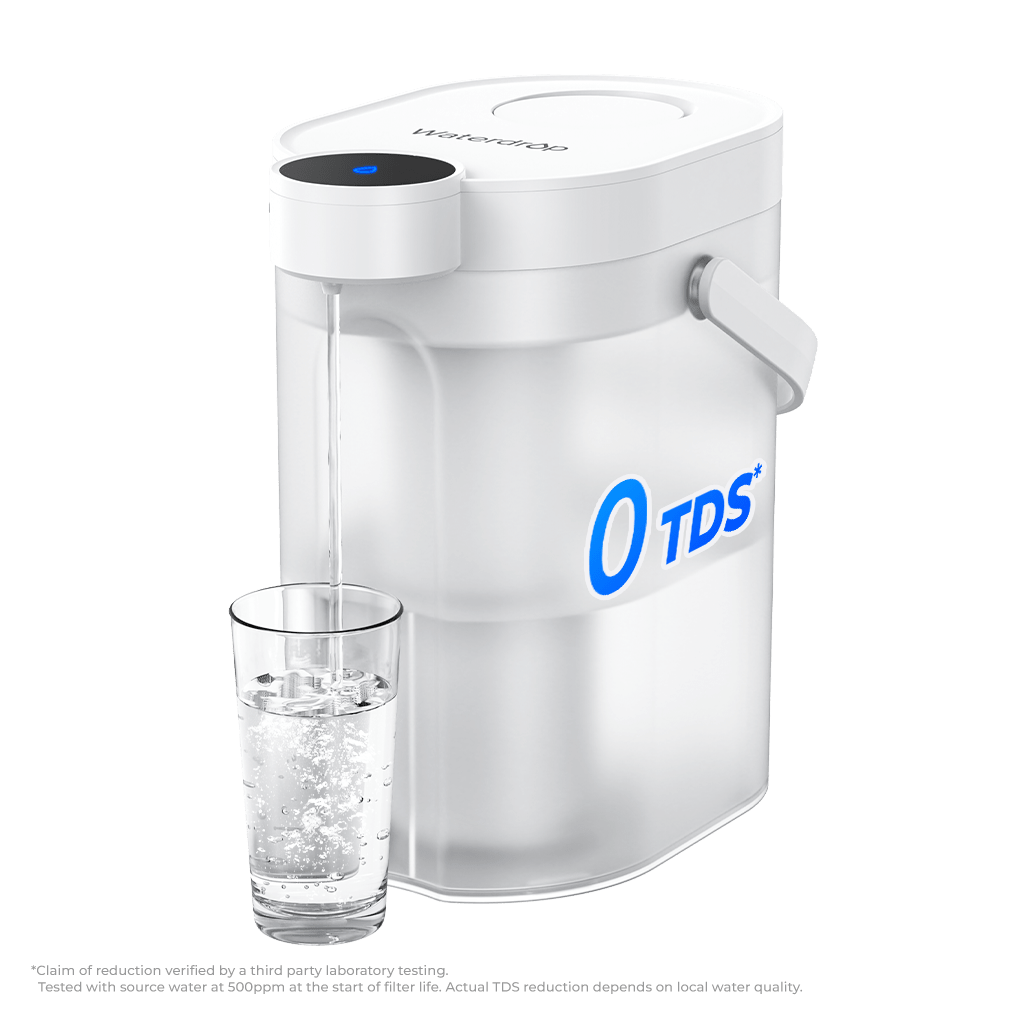
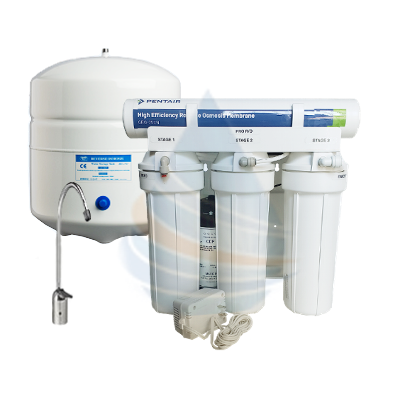
- Reverse osmosis. Pushes water through a tight membrane. Lowers TDS by 90 to 99 percent.
- Distillation. Boils and condenses water. Drops TDS close to zero.
- UV. Kills microbes. It does not change TDS.
So when people ask what is tds in water filter use, they often want to see if RO is needed. If taste is flat or scale is heavy, TDS helps choose the right tool.

Ideal TDS ranges for drinking and use cases
Taste and scale depend on TDS level. Here are helpful guide points from health and water bodies.
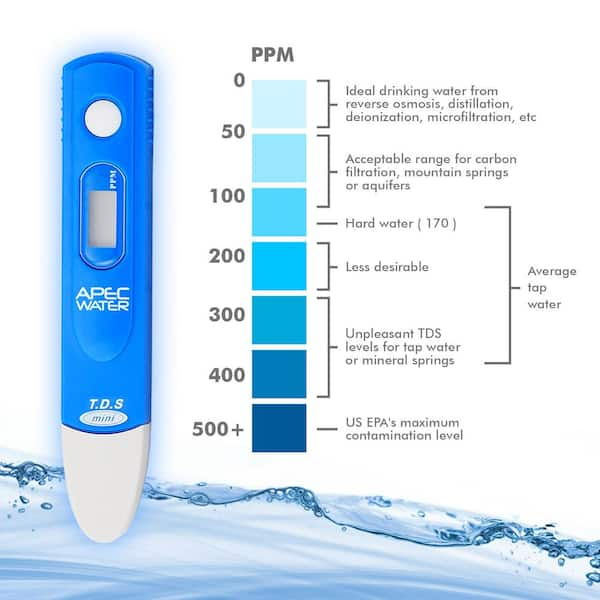
- Under 50 ppm. Very low mineral. Can taste flat. Coffee can taste thin.
- 50 to 150 ppm. Many people like this range for daily drinking.
- 150 to 300 ppm. Still fine for most homes. More body in taste.
- 300 to 600 ppm. Palatability starts to drop for some people.
- Over 600 ppm. Taste often poor. Scale grows fast. Consider RO.
In the United States, the EPA has a secondary guideline of 500 ppm for TDS. The WHO notes that taste often gets worse above 600 ppm, and very low TDS can taste bland. India’s BIS sets 500 ppm as desirable and 2,000 ppm as the upper limit with treatment.
TDS is not a safety mark by itself. Lead, arsenic, PFAS, and microbes can be present at low TDS. Use TDS for taste and system checks, not as a full safety test.

How to measure TDS the right way
A TDS pen measures conductance. It then converts to ppm. Here is how to get a good read.
- Rinse the probe with clean RO or distilled water. Shake off drops.
- Keep the probe a bit under the surface. Do not touch the cup wall.
- Wait a few seconds for the reading to settle. Many pens are auto temp adjusted.
- Calibrate a few times a year with a 342 ppm NaCl or KCl solution.
- Note the conversion factor. Some pens use 0.5. Some use 0.7.
Limits to remember:
- A TDS pen cannot detect bacteria, lead, arsenic, or PFAS.
- It reads ions and some small organics only.
- Two waters with the same TDS can taste different. The ion mix matters.
If you ask what is tds in water filter testing, this is it. It is a quick signal of minerals and of RO health. It is not a full lab test.

Should you lower TDS or keep it
Not all water needs RO. Use your source TDS and taste to decide.
- City water under 150 ppm. Use carbon and maybe UV. Skip RO to keep taste and calcium.
- 150 to 500 ppm with good taste. Carbon is often enough. Keep the minerals.
- Over 500 ppm or heavy scale. Consider RO to cut TDS and protect pipes and kettles.
- High sodium or nitrate. RO helps a lot.
- Well water with iron or manganese. Pre-treat with iron media, then RO if TDS is high.
- Chloramine in city water. Use catalytic carbon before any RO.
Here is a simple path:
- Test source TDS and hardness.
- Ask what is tds in water filter output that you want. Many aim for 80 to 150 ppm.
- Pick a setup that hits that target with good taste and safe disinfection.

Setting an RO system to the right TDS
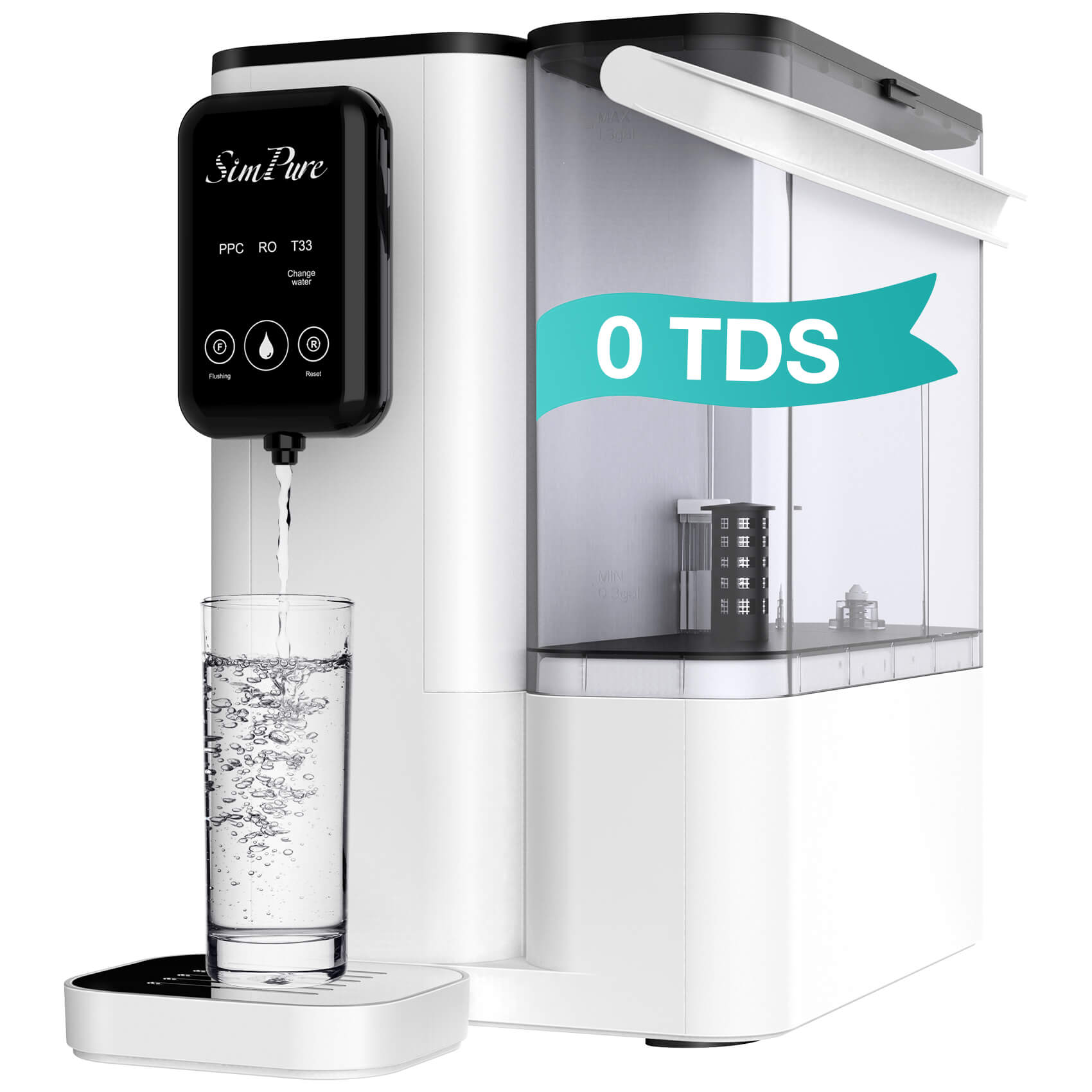
Many RO units can blend filtered water with raw water or add a remineralizer. You can set a target TDS for taste and balance.
Ways to adjust:
- Use a TDS controller or mixing valve. Blend a small stream of raw water to raise TDS to 80 to 150 ppm.
- Add a calcite or magnesium remineralization cartridge. This lifts calcium, magnesium, pH, and alkalinity.
- Tune pressure to 60 to 80 psi for steady rejection. Low pressure raises product TDS.
- Set waste ratio per the membrane spec. A 1:3 to 1:4 product to waste ratio helps protect the membrane.
From my field notes: I dial new RO units with a handheld meter. I start with pure RO at 10 to 30 ppm. I open the blend valve bit by bit until I see 90 to 120 ppm. I taste as I go. When a family asks what is tds in water filter that tastes best, this hands-on step seals the deal.
Use TDS to maintain and troubleshoot your filter
TDS helps you track filter health.
- Rising RO product TDS. Check carbon prefilter age and membrane fouling.
- Rejection percent drop. Use this formula: Rejection % = (Feed TDS − Product TDS) ÷ Feed TDS × 100. Under 85 percent is a red flag for most home RO units.
- TDS creep. First glass after idle can read high. Let it run for 30 to 60 seconds.
- Sudden TDS jump. Look for leaks, a broken check valve, or a mis-set blend valve.
Best practices:
- Replace sediment and carbon on time to shield the membrane.
- Sanitize the tank and lines once a year.
- Keep notes of feed TDS, product TDS, and dates. This record answers what is tds in water filter over time and shows trends.
Myths and facts about TDS
Let’s clear the air with quick facts.
- Myth: Zero TDS is always best. Fact: Many people prefer 80 to 150 ppm for taste and mouthfeel.
- Myth: High TDS means unsafe. Fact: Safety depends on what the ions are. Some toxins show up at tiny levels.
- Myth: Boiling lowers TDS. Fact: It does not. It lowers water volume and can raise TDS.
- Myth: A TDS pen detects lead. Fact: It does not. Use lab tests or certified filters for heavy metals.
- Myth: Alkaline water fixes health issues. Fact: Claims are not well backed. Focus on clean, safe water first.
These points help frame what is tds in water filter talk. It is a tool, not the whole story.
Real-world examples and lessons learned
From my work and home use, here are short cases.
- City apartment, 120 ppm source. We used carbon and UV. Taste was great. No RO. The owner’s ask was what is tds in water filter for taste. Answer: keep it near source.
- Suburban well, 780 ppm with hardness scale. We added iron removal, then RO, then remineralizer. Product TDS set to 110 ppm. Kettle scale stopped.
- Small café, 280 ppm city water. Coffee tasted dull at 20 ppm RO. We blended to 90 ppm. Shots opened up. Staff now ask new hires what is tds in water filter for coffee, and they show the meter.
Mistakes to avoid:
- Running RO at low pressure. Product TDS will drift up.
- Not flushing a new membrane. Early readings will be off.
- Trusting TDS alone. Always use the right filter media for known risks.
Frequently Asked Questions of what is tds in water filter
What is TDS in a water filter system?
TDS means total dissolved solids, measured in ppm. It shows how much mineral and salt is in your water.
Is a lower TDS always better for drinking?
Not always. Many people like 80 to 150 ppm for taste and balance, while zero TDS can taste flat.
Does a carbon filter reduce TDS?
No. Carbon improves taste and odor and removes chlorine, but it does not change the TDS number.
How often should I check TDS at home?
Once a month is fine for most homes. Check after filter changes, and when taste or flow changes.
What TDS should I set for an RO purifier?
Aim for 80 to 150 ppm for daily drinking. Adjust with a blend valve or a remineralizer for taste.
Can a TDS meter detect lead or bacteria?
No. A TDS meter cannot detect specific toxins or germs. Use certified filters and lab tests for safety.
Why does my RO water TDS rise over time?
Membranes foul or pressure drops. Check prefilters, pressure, and the membrane’s rejection rate.
Conclusion
TDS tells you how much mineral is in your water and how your filter works. It guides taste, scale control, and system care. It does not measure safety by itself, but it is a fast, helpful signal.
Take these steps now. Measure your source TDS. Decide your target taste range. Pick the right filter and set the output, then keep a simple log. If you found this useful, subscribe for more home water tips, share it with a friend, or leave your questions in the comments.