What’s Inside a Brita Water Filter in 2026 (Honest Reviews)
Even if you're just looking for better-tasting tap water, you've probably wondered what exactly is inside a Brita water filter. It's not a complex piece of machinery, but a carefully designed component that aims to improve the quality of your drinking water through a simple, gravity-fed process. Our research indicates that Brita filters are most commonly used to reduce chlorine's taste and odor.
Manufacturer specifications often highlight that Brita filters can reduce certain contaminants like copper, zinc, and cadmium. These filters work through a multi-stage filtration system, primarily relying on activated carbon and ion-exchange resin to achieve their water-purifying goals. Per NSF/ANSI standards, different Brita filters are certified for various contaminant reductions.
How Brita Filters Work: A Simple Breakdown
Brita filters employ a gravity-driven system to physically remove impurities from water as it passes through. When you fill the reservoir of a Brita pitcher, water is pushed downwards through the filter cartridge by the force of gravity. This action ensures consistent contact between the water and the filtering media inside, allowing for effective contaminant capture. The process is straightforward, designed for ease of use in any kitchen.
Key Components: What's Within the Cartridge
The effectiveness of a Brita water filter comes down to its internal makeup. These filters are not just empty plastic shells; they contain specialized materials designed to tackle specific water impurities. In our research, we've identified the core ingredients that make up most standard Brita pitcher filters.
Activated Carbon: The Taste & Odor Warrior
Activated carbon is the primary workhorse in most Brita filters, and for good reason. This material is crucial for improving the taste and smell of your tap water. It’s essentially charcoal that’s been treated at very high temperatures in the absence of oxygen, a process called activation. This treatment creates millions of tiny pores within the carbon structure, dramatically increasing its surface area.
This massive surface area allows it to adsorb (a process similar to absorption but on the surface) various chemical contaminants.
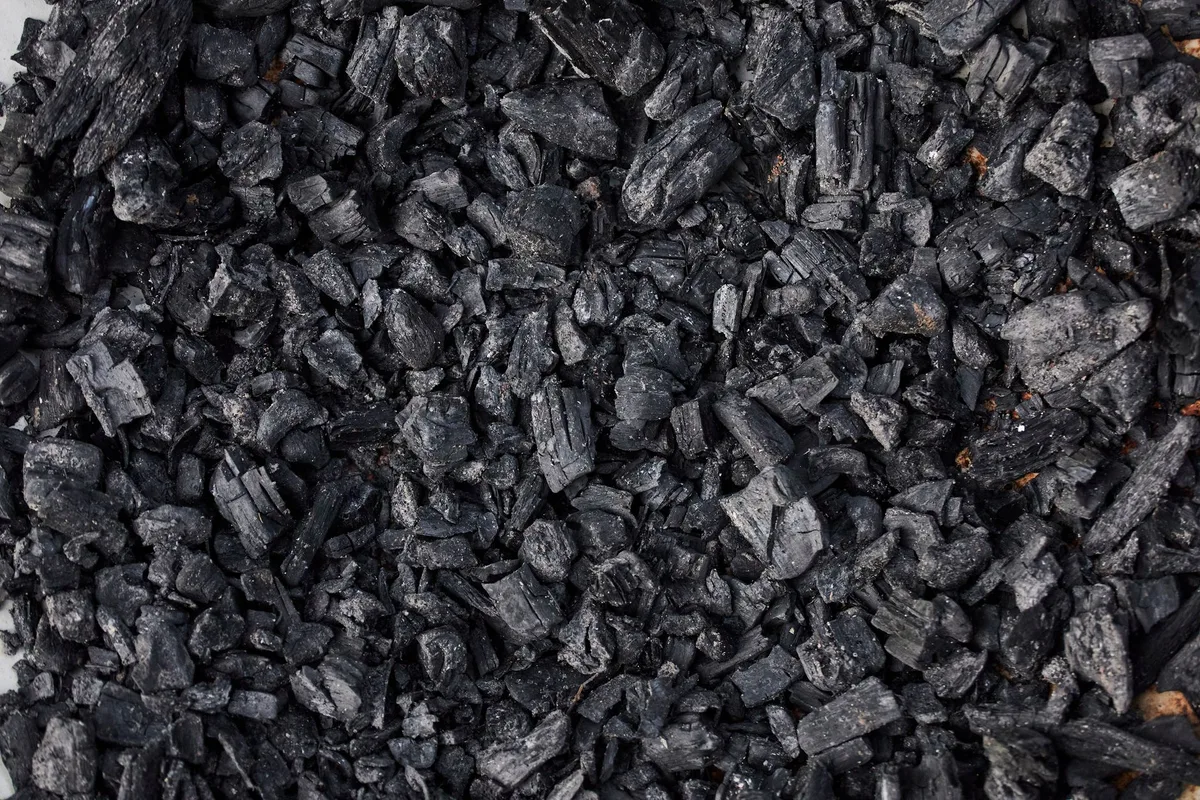
Manufacturer data confirms that activated carbon is highly effective at reducing chlorine, a common disinfectant used in municipal water supplies that can impart an unpleasant taste and smell. Beyond chlorine, it can also capture other volatile organic compounds (VOCs) and some heavy metals like lead and mercury, depending on the specific filter model and water conditions. Its porous nature acts like a fine sponge, trapping these unwanted substances as water flows through.
Ion-Exchange Resin: Tackling Dissolved Minerals
Another vital component you'll find inside a Brita filter is ion-exchange resin. These are typically small, porous beads that play a key role in reducing dissolved minerals and certain heavy metals from your water. This resin works through a process called ion exchange, where it selectively swaps certain charged ions in the water for less harmful or undesirable ions that it holds.
Specifically, ion-exchange resin is excellent at reducing minerals like calcium and magnesium, which contribute to hard water. As water passes through, the resin releases sodium ions and picks up calcium and magnesium ions. This exchange helps to soften the water and can reduce the formation of scale in your pipes and appliances. Per testing standards, certain Brita filters are certified to reduce contaminants like copper and cadmium, tasks that ion-exchange resin significantly contributes to by capturing these dissolved metals.
The Filter Screen: Keeping It All Together
While the activated carbon and ion-exchange resin do the heavy lifting in terms of contaminant reduction, the filter screen plays a crucial, supportive role. You’ll typically find screens at both the top and bottom of the filter cartridge. The top screen acts as a pre-filter, catching any larger sediment particles that might be present in your tap water, such as rust or sand.
This initial straining prevents these larger bits from clogging the finer filtering materials within the cartridge, ensuring a smoother and more efficient filtration process. The bottom screen serves a similar purpose, acting as a final barrier to prevent any small particles of the filtering media, like tiny pieces of carbon or resin, from escaping into the water you'll be drinking. It ensures that only the purified water makes it out of the filter.
The Filtration Process: Step-by-Step
Understanding how water moves through a Brita filter can demystify its effectiveness. It’s a gravity-powered journey designed for maximum contact with the filtering materials. The process is consistent across most standard Brita pitcher models, making it simple for anyone to grasp.
Stage 1: The Initial Screen
When you pour water into the top reservoir of your Brita pitcher, it first encounters the top filter screen. This is the first line of defense. Think of it as a coarse sieve that immediately starts working by catching larger suspended particles like sediment, rust flakes, or sand that might be present in your tap water. This initial filtering prevents these bigger debris from reaching and potentially clogging the more delicate filtration layers deeper inside the cartridge.
Stage 2: Activated Carbon's Role
After passing through the initial screen, the water then flows into the main body of the filter, where it meets the granular activated carbon. This is where a significant portion of the water's taste and odor improvement occurs. The water slowly percolates through the porous carbon granules, allowing for ample contact time. As established, activated carbon’s vast internal surface area is highly effective at adsorbing chlorine and other impurities that affect flavor and smell.
Stage 3: Ion-Exchange Resin in Action
Following the activated carbon, the water encounters the ion-exchange resin beads. This stage is designed to tackle dissolved ionic contaminants, particularly metals. As the water flows over the resin, it picks up less harmful sodium ions from the resin and, in exchange, releases undesirable ions like calcium, magnesium, copper, or cadmium into the resin. This ion swapping process is critical for reducing hardness in water and for capturing specific heavy metals, contributing to overall water quality improvement.
Stage 4: The Final Polish
Once the water has passed through both the activated carbon and ion-exchange resin stages, it reaches the bottom filter screen. This final mesh acts as a last line of defense, ensuring that no fine particles of the filtering media, such as minuscule carbon dust or resin fragments, escape from the cartridge into your clean drinking water. This ensures that what you pour into your glass is free from the filtering materials themselves, leaving only purified water.
Benefits: Why Choose a Brita Filter?
Brita water filters offer a practical and accessible way for many people to improve their drinking water at home. Their primary appeal lies in making tap water more palatable, which encourages increased water consumption. Aggregate user reviews consistently highlight improved taste and odor as the main reason for choosing these filters.
Beyond taste, they offer convenience. Setting up and maintaining a Brita pitcher is straightforward, requiring minimal effort. For those looking to reduce their reliance on bottled water, Brita filters provide a more environmentally friendly and cost-effective alternative over time. As of 2026, official manufacturer data suggests that using Brita filters can be significantly more economical per gallon than purchasing single-use plastic water bottles.
They also reduce waste, aligning with growing consumer interest in sustainability.
Potential Drawbacks: What Brita Filters Don't Do
While Brita water filters are effective at improving taste and odor by reducing chlorine and can capture certain metals, it's important to understand their limitations. Our research indicates that Brita filters are not designed to be comprehensive purifiers and do not remove all contaminants. They will not remove lead, mercury, or other heavy metals to the same extent as more advanced filtration systems.
Furthermore, Brita filters do not remove dissolved solids like salts or minerals to a significant degree, meaning the water will still contain these elements. They also do not disinfect water or kill bacteria and viruses. If your water source is microbiologically unsafe, a Brita filter alone will not make it safe to drink. For advanced purification needs or concerns about a wider range of contaminants, alternative filtration methods will be necessary.
Common Brita Filter Use Cases
Brita filters are best suited for improving the quality of municipal tap water in a home setting. If your tap water has a noticeable chlorine taste or smell, a Brita filter can make a significant difference. They are also a popular choice for those who want to reduce their exposure to certain metals like copper or zinc, which can sometimes be present in tap water due to plumbing.
These filters are ideal for everyday drinking water, making coffee, or preparing tea, as they enhance the flavor of beverages. They're a great starting point for healthier hydration habits and can be particularly useful for families looking for a simple way to provide better-tasting water. For environments where tap water quality is generally good but could benefit from taste improvement, a Brita pitcher is an excellent solution.
Mistakes to Avoid with Your Brita Filter
One of the most common mistakes people make is not replacing the filter often enough. Manufacturer guidelines typically recommend replacing the filter every two months or after filtering about 40 gallons of water, though this can vary based on usage and water hardness. Letting a filter expire means it can no longer effectively remove contaminants and may even start releasing trapped substances back into your water.
Another oversight is not properly preparing the filter before its first use. Most Brita filters require soaking and rinsing to activate them and remove any loose carbon dust, which can otherwise cause black specks in your first few batches of filtered water. Incorrectly assembling the pitcher or filter can also lead to leaks or bypass the filtration process entirely, meaning you're not getting the intended benefits.
Does Filter Lifespan Differ Based on Water Hardness?
Yes, filter lifespan can be affected by water hardness. Ion-exchange resin works hard to capture minerals like calcium and magnesium. In areas with very hard water, these minerals will saturate the resin faster, reducing the filter's effectiveness and its overall lifespan.
- Soft Water: Filter may last closer to the recommended 2-month or 40-gallon limit.
- Hard Water: You might need to replace the filter sooner, potentially every 6 weeks or after fewer gallons.
Always refer to your specific Brita filter model's instructions, as usage conditions can impact performance.
Brita Filter Alternatives and Comparisons
While Brita pitchers are popular, several other water filtration methods exist, each with its own strengths. Faucet filters attach directly to your kitchen tap, offering filtered water on demand. These are convenient for quick access but can sometimes reduce water flow.
Under-sink filters are installed beneath your sink, providing filtered water through a dedicated faucet. They offer higher capacity and often more robust filtration than pitcher systems. Refrigerator filters, built into some models, also provide filtered water and ice directly from the appliance. For comprehensive whole-house filtration, systems are installed at the main water line, treating all water entering your home, but they represent a significant investment.
Keeping Your Brita Filter Working Well: Maintenance
Maintaining your Brita pitcher itself is just as important as replacing the filter cartridge. Regularly wash the pitcher, lid, and reservoir with mild soap and water. Avoid abrasive cleaners, as they can scratch the plastic. Rinse thoroughly to remove any soap residue that could affect water taste.
It's also a good practice to inspect the pitcher for any cracks or damage, as these can lead to leaks. If you plan to be away for an extended period, empty the pitcher and remove the filter. Store the filter in a sealed bag in the refrigerator to keep it moist and ready for use upon your return. This helps preserve its filtering capabilities.