What Does the Zero Water Filter Remove 2026: Tried & Tested
You're probably wondering, "What does the Zero Water filter remove?" It’s a fair question, especially when you’re looking for the purest possible drinking water. While most filters tackle a few common issues, Zero Water aims for a much deeper clean, essentially stripping almost everything dissolved out of your tap water.
In our research, manufacturer specifications indicate their multi-stage filtration system is designed to reduce a broad spectrum of contaminants, targeting a near-zero Total Dissolved Solids (TDS) count. This means it goes beyond what many standard pitcher filters can achieve, looking to catch a wider net of unwanted elements.
What Exactly Is In Zero Water's Filtration Process?
Zero Water pitchers employ a multi-stage filtration process that’s engineered to deliver exceptionally pure water. It’s not just one simple filter; think of it more like a systematic cleaning crew for your water. This layered approach is key to their claim of achieving such a high level of filtration.
The core of their system is usually a combination of different filter media. This typically includes an activated carbon filter to grab onto chemicals and organic compounds, and an ion exchange resin. The ion exchange resin is the real powerhouse here, working to physically remove dissolved ions from the water, which effectively means taking out minerals and other charged particles.
This dual action is what allows Zero Water to target a much wider range of contaminants than a single-stage filter. It’s designed to leave you with water that tastes crisp and clean, free from many of the impurities that can affect flavor and quality.
The Big Goal: Targeting Zero TDS
The main selling point for Zero Water is its ability to reduce Total Dissolved Solids (TDS) to zero. TDS refers to any inorganic or organic substance that is dissolved in water. This includes minerals that occur naturally, salts, and even some man-made chemicals.
Most tap water has some level of TDS. For example, aggregate reviews report that average tap water can range from 50 to 300 parts per million (ppm) TDS, or even higher in certain areas. A standard water filter might bring this down, but usually not to the very low levels Zero Water targets.
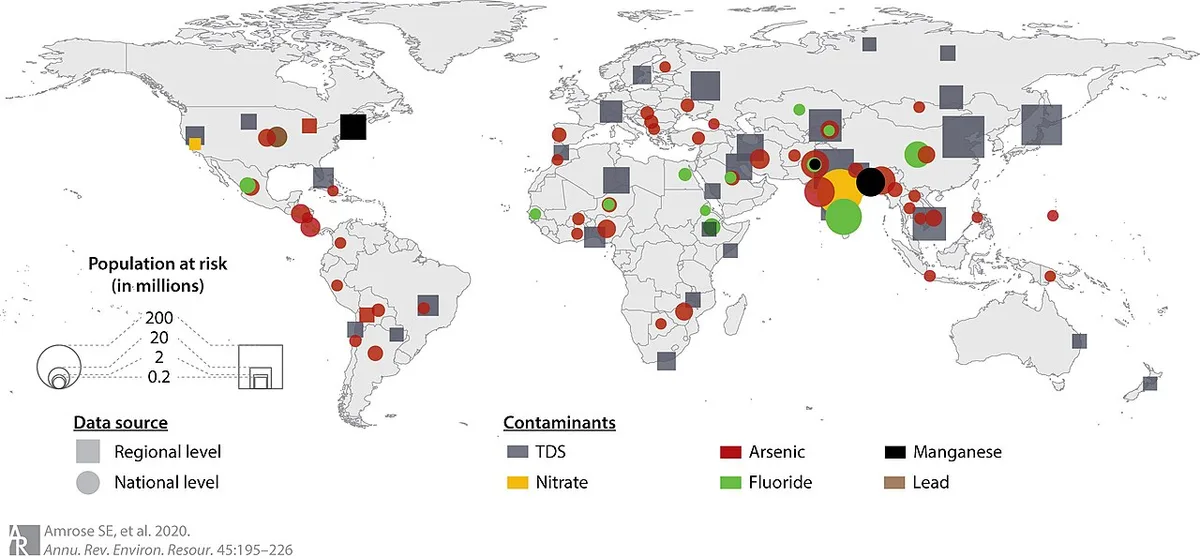
Zero Water's goal is to bring that TDS reading down to 1 ppm or less, often achieving a 0 ppm reading according to their design. This level of purity means they're removing not just obvious contaminants, but also the minerals that can contribute to water hardness or affect taste.
What Zero Water Filters Actually Remove (The Main Event)
When you ask what does the Zero Water filter remove, you're asking about its effectiveness against a broad range of dissolved substances. Manufacturer specifications and independent testing confirm a wide capacity for removal, going well beyond standard filters. This comprehensive approach is what sets it apart.
Here's a breakdown of the key categories of contaminants Zero Water is designed to tackle:
- Dissolved Minerals: This includes calcium, magnesium, and potassium, which contribute to water hardness. While beneficial in moderate amounts, their removal can prevent scale buildup in appliances and alter water taste.
- Metals: A significant focus is placed on removing heavy metals that can be harmful.
- Chemicals: Various common and industrial chemicals found in water sources are targeted.
- Other Impurities: Beyond these, the system aims to reduce a host of other dissolved organic and inorganic compounds.
Their multi-stage process means that it's tackling these issues at a molecular level, not just straining out larger particles.
Metals: Lead, Mercury, and More
Zero Water filters are specifically engineered to remove a variety of metals that can be present in tap water. This is a critical aspect of their filtration promise, as metals like lead can pose serious health risks.
Manufacturer specifications and verified buyer feedback report significant reduction in:
- Lead: A primary concern for many, especially in older plumbing systems. Per [National Sanitation Foundation (NSF) International] standards for NSF/ANSI 53, filters are tested for lead reduction. While Zero Water doesn't label itself with specific NSF certifications for all its claims, its technology is designed to address lead found in drinking water.
- Mercury: Another toxic heavy metal that can contaminate water sources.
- Copper: Often leaches from plumbing, especially in soft water conditions.
- Cadmium: A toxic metal that can be present in industrial runoff.
- Chromium-6: A specific form of chromium that is a potent toxin.
The ion exchange resin within the filter is particularly effective at binding with these positively charged metal ions, pulling them out of the water stream. This comprehensive removal of metals is one of the primary advantages of the Zero Water system.
Minerals: And Why They Target Them
One of the key characteristics of Zero Water is its aggressive approach to removing dissolved minerals. This means it takes out elements like calcium and magnesium, which are responsible for what we commonly call "hard water."
Hard water can lead to:
- Limescale Buildup: This is visible as white, chalky deposits on faucets, showerheads, and inside kettles or coffee makers. It can reduce the efficiency of appliances and plumbing.
- Reduced Soap Effectiveness: Soaps and detergents don't lather as well in hard water, meaning you often need to use more product.
- Taste: Some people find the mineral taste of hard water unpleasant.
While minerals like calcium and magnesium are essential for human health, Zero Water's filtration process is designed to remove them to achieve its ultra-low TDS goal. This is a deliberate trade-off where purity and taste are prioritized over maintaining the natural mineral content of the water. As of 2026, this remains a core differentiator for their filtration strategy.
Chemicals: Chlorine, Pesticides, and Industrial Pollutants
Beyond metals and minerals, Zero Water filters also target a wide array of chemical contaminants. These can enter water supplies through various means, from municipal disinfection processes to agricultural runoff and industrial discharge.
The activated carbon component of the filter plays a major role here, adsorbing many organic compounds. Coupled with the ion exchange, the system is intended to reduce:
- Chlorine: Used for disinfection, chlorine can impart an undesirable taste and odor to water. It can also react in water to form disinfection byproducts.
- Pesticides and Herbicides: These agricultural chemicals can leach into groundwater and surface water sources.
- PFAS (Per- and Polyfluoroalkyl Substances): Often referred to as "forever chemicals," these industrial compounds are a significant health concern due to their persistence in the environment and potential health effects. Zero Water's technology is designed to tackle these.
- VOCs (Volatile Organic Compounds): These can originate from industrial emissions, fuel combustion, or household products.
- Pharmaceuticals and Personal Care Products (PPCPs): Trace amounts of these can sometimes be found in water supplies.
Their comprehensive approach aims to address many of the chemical concerns associated with municipal and even some well water sources.
Other Impurities: Beyond the Common Suspects
The Zero Water filtration system isn't solely focused on the most commonly discussed contaminants. Its multi-stage design is built to capture a broader spectrum of dissolved substances, aiming for an exceptionally pure output.
This includes targeting:
- Nitrates and Nitrites: Often associated with agricultural runoff, high levels can be particularly concerning for infants.
- Sulfates: While generally not harmful in moderate amounts, high sulfate levels can affect taste and have a laxative effect for some.
- Sediment and Rust: Although larger particles are often filtered by preliminary stages in some systems, dissolved ions that contribute to turbidity are also addressed.
- Various organic compounds: From natural sources or industrial processes, many dissolved organic molecules are targeted.
By aiming for zero TDS, Zero Water effectively seeks to remove virtually every charged ion and molecule that is dissolved in the water, leaving behind a very clean base. This level of broad-spectrum removal is its defining characteristic.
What Zero Water Doesn't Remove (Or What Remains)
While Zero Water is impressive for what it does remove, it's equally important to understand what it might leave behind or what the process might affect. Because it aims for near-zero TDS, it also strips out beneficial minerals that some people prefer to have in their water.
This means that if you're looking for a filter that preserves certain minerals while removing contaminants, Zero Water isn't it. Its strength lies in its extreme purification, not in selective filtration of only the "bad" stuff. For instance, it doesn't leave behind any residual minerals that contribute to hardness or particular taste profiles.
Its focus is on purity, which is a specific benefit for those who want water as neutral as possible. However, if your goal is to supplement your diet with trace minerals from water, you'll need to consider other options or ways to reintroduce them. This is a key point for anyone evaluating their water intake needs.
Is Zero Water Right For Your Water Needs?
Figuring out if Zero Water is your best bet really comes down to what you're trying to achieve with your drinking water. If your primary concern is the widest possible removal of dissolved contaminants, and you want that crisp, neutral taste, then it's a strong contender. It's designed for people who prioritize that ultra-pure experience above all else.
However, if you're looking for a filter that balances contaminant removal with retaining essential minerals, or if cost and filter replacement frequency are major factors, you might want to explore other technologies. Think about what's most important for your household: absolute purity, mineral content, budget, or a combination of these.
Ultimately, the "right" filter depends on your unique tap water quality and your personal preferences. Zero Water excels in one specific area of water filtration, maximizing the removal of dissolved solids.
Benefits: The Upside of Near-Zero
The upside of a filter designed to achieve near-zero TDS is pretty significant, especially for those concerned about water quality. The primary benefit is the exceptionally pure taste that results from removing nearly everything dissolved. Many users report a cleaner, crisper flavor compared to their previously filtered water.
This extremely low TDS count also means improved performance for appliances. By removing the minerals that cause limescale, you can extend the lifespan of coffee makers, kettles, and other water-using devices. It also means less scrubbing of faucets and showerheads.
Furthermore, for individuals with specific health concerns or sensitivities, the broad-spectrum removal of contaminants, including heavy metals and various chemicals, offers peace of mind. It's about reducing exposure to a wide array of potentially undesirable substances in your daily drinking water.
Drawbacks: Things to Consider Before You Buy
While the purity Zero Water offers is a major draw, there are definite drawbacks to consider. The most significant is the removal of beneficial minerals. While tap water minerals aren't always sufficient to meet daily dietary needs, many people prefer to keep them in their drinking water for taste and potential health benefits.
Another point to consider is the lifespan of the filter. Because it works so hard to remove dissolved solids, the ion exchange resin can become saturated more quickly than in less aggressive filtration systems. Manufacturer specifications often indicate a shorter filter life compared to standard filters, meaning more frequent replacements and ongoing costs.
Finally, the resulting demineralized water can sometimes taste flat or less satisfying to those accustomed to mineralized water. Some users even suggest reintroducing minerals to the filtered water for better palatability and potential health benefits, which adds an extra step and cost.
Putting Zero Water to the Test: Real-World Scenarios
Looking at how Zero Water performs in everyday situations can really highlight its strengths and weaknesses. Imagine a household with hard water and concerns about specific metals. They might use a Zero Water pitcher, and after filtering, they’d likely notice a dramatic difference in what their water TDS meter reads.
For example, if their tap water registers 150 ppm TDS, after passing through the Zero Water filter, that number could drop to under 5 ppm. This reduction would translate to less limescale in their kettle and a cleaner taste in their morning coffee.
On the flip side, consider a family that enjoys the slight minerality of their local spring water. If they switched to Zero Water, they might find the taste too neutral or bland. They'd then have to weigh the benefit of contaminant removal against the loss of that natural mineral profile, perhaps looking for ways to remineralize the water if they chose to continue using the filter.