What Does a Whole House Water Filter Do 2026
When you turn on the tap, you expect clean, safe water, right? But sometimes, especially if you're on a well or even if your municipal supply has issues, that water might have a funny taste, smell, or even look a little cloudy. That’s where understanding what does a whole house water filter do becomes really important for your home's health and comfort. These systems are designed to treat all the water entering your home, not just at a single faucet.
In our research, we found that these comprehensive systems address a range of common water quality concerns, ensuring better water from every spout, shower, and appliance.
For instance, some whole house filtration systems aim to meet standards like NSF/ANSI 42 for aesthetic effects (like chlorine reduction), and others target specific contaminants according to different NSF/ANSI standards. The exact function hinges on the type of filter media used. It's a significant upgrade from single-point filtration, impacting everything from your morning coffee to the lifespan of your water heater. Let's break down specifically how these systems work their magic and what that means for you.
Why Accuracy Matters for Your Home's Water
When dealing with something as fundamental as the water you and your family drink and use daily, getting the facts straight is critical. Mistakes in understanding water filtration can lead to ineffective systems, wasted money, or worse, overlooked health risks. Aggregate reviews and manufacturer specifications consistently highlight that the effectiveness of a whole house water filter depends heavily on matching the system's capabilities to your specific water chemistry. It's not a generic fix-all; it's a targeted solution.
The Core Job of a Whole House Water Filter
At its heart, a whole house water filter's primary function is to remove unwanted contaminants from your water supply before it ever gets to your faucets. Think of it as a gatekeeper for your entire home’s water system. Instead of filtering water at just one point, like a pitcher filter on your fridge or a faucet attachment, a whole house system is installed on your main water line. This means every drop of water entering your home, whether for drinking, cooking, showering, doing laundry, or flushing the toilet, passes through the filtering media.
Per EPA guidelines on drinking water quality, these systems are designed to improve water quality beyond basic safety standards, enhancing taste, odor, and clarity.
What's Actually Inside These Systems?
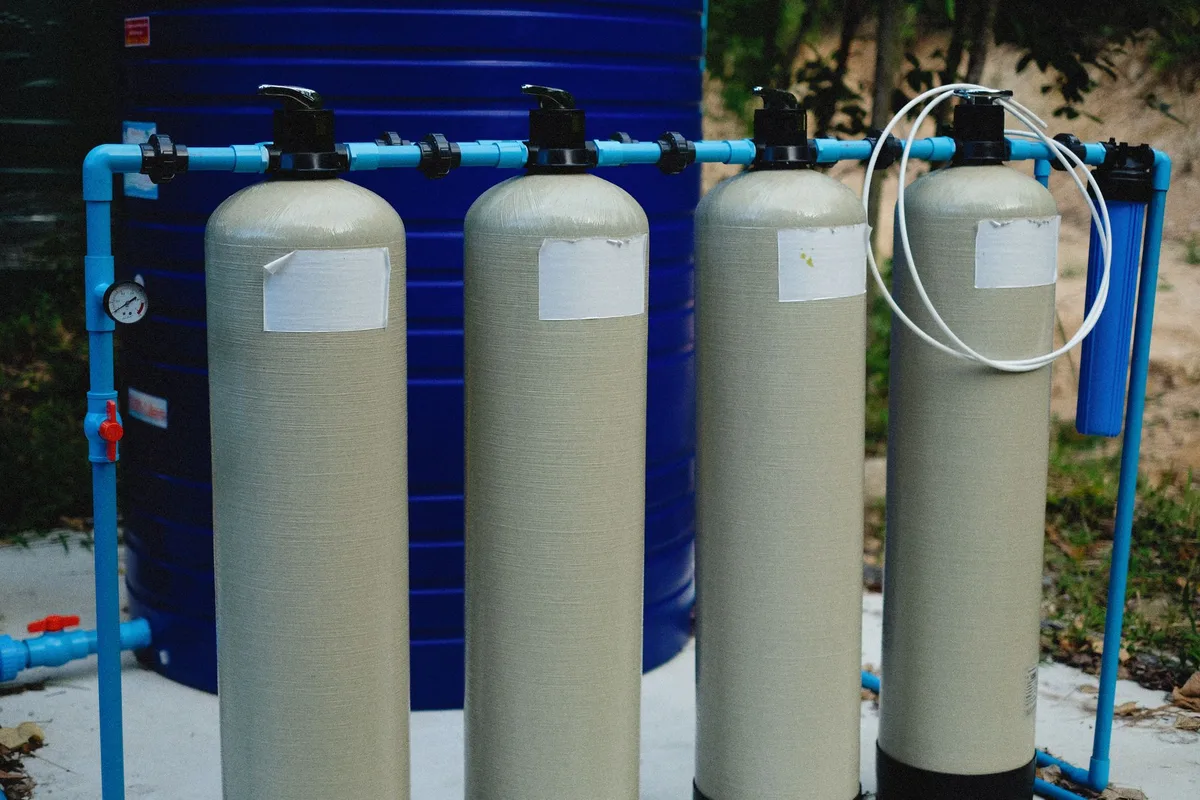
Whole house water filter systems aren't typically a single component. More often, they're a combination of different filter stages, each designed to tackle specific types of impurities. The exact setup will vary based on your water test results and the system you choose, but most incorporate at least a few key types of filtration media. Manufacturer specifications often detail the precise materials and their intended purpose.
Sediment Filters: Catching the Little Guys
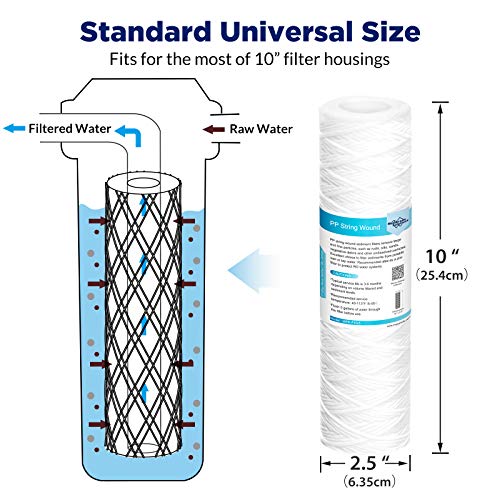
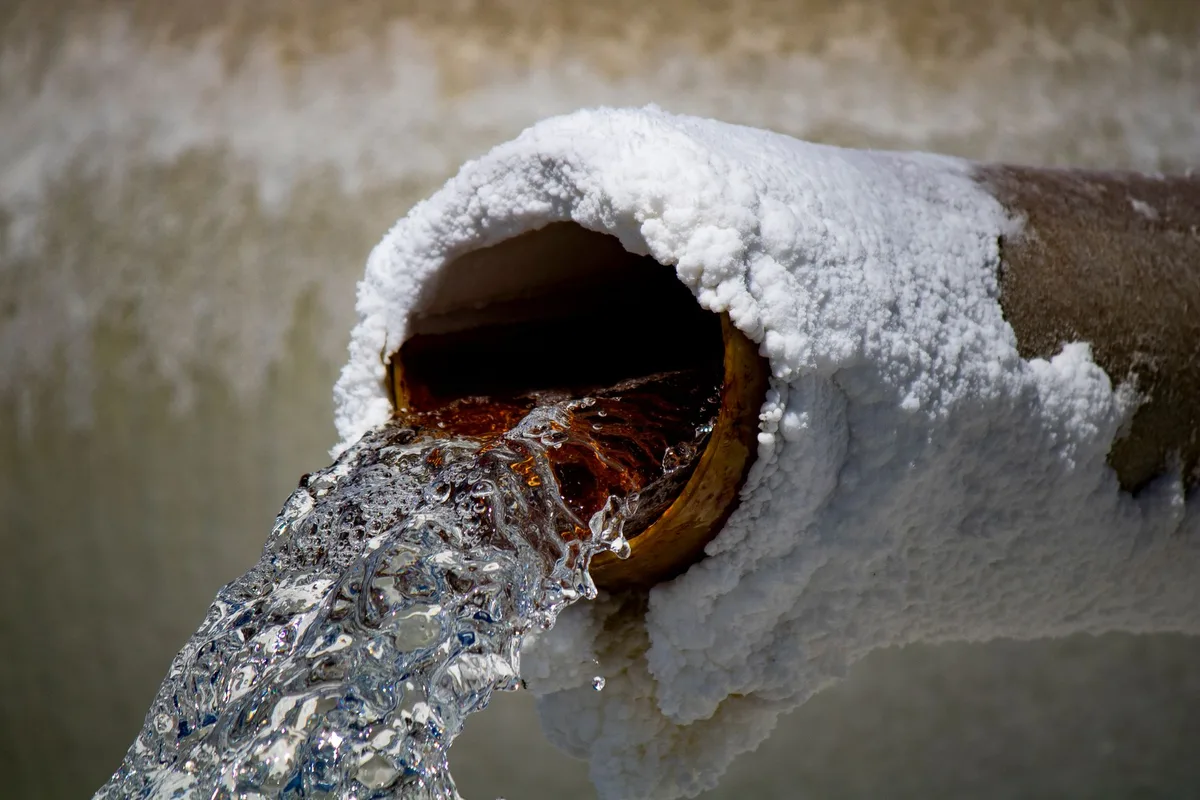
When you first turn on a tap after a water main has been disturbed, or if you have older pipes, you might notice a brown or reddish tint. That's likely sediment, rust, sand, silt, and other particulate matter. A sediment filter is usually the first line of defense in a whole house system. It acts like a sieve, physically trapping these larger particles.
These filters are rated by their micron size, which is a measure of how small a particle they can capture. For example, a 5-micron sediment filter will trap particles down to 5 micrometers in size, which is incredibly small. Aggregate buyer feedback indicates that regular sediment filtration can prevent these particles from clogging internal components of appliances and ensure clearer drinking water.
Carbon Filters: Tackling Taste and Odor
If your water smells like chlorine or has an unpleasant taste, activated carbon filters are usually the answer. These filters are highly porous and have a massive surface area (think of it like a sponge with microscopic holes). As water passes through, chlorine, volatile organic compounds (VOCs), and other chemicals that affect taste and odor are adsorbed onto the carbon surface.
Manufacturer specifications often highlight the contact time needed for effective chlorine reduction. These filters are essential for making water more palatable for drinking and cooking. Per NSF/ANSI 42 testing, carbon filters are proven to significantly reduce chlorine taste and odor.
Specialized Media: For Specific Water Worries
Beyond sediment and chlorine, your water might contain other specific contaminants that standard carbon filters can't handle effectively. This is where specialized filter media comes in. For example, if your water test shows high levels of iron or sulfur (which can cause a "rotten egg" smell), you might use a filter with a media designed to oxidize and precipitate these elements, making them easier to trap.
Other specialized media can target heavy metals like lead, arsenic, or even nitrates. The choice of media depends entirely on what's found in your water. Research archives sometimes detail the chemical reactions involved with different media types for contaminant removal.
Water Softeners: Battling Hardness
While not strictly a "filter" in the sense of removing particles or chemicals, water softeners are often integrated into whole house water treatment systems, especially in areas known for hard water. Hard water contains high concentrations of dissolved minerals, primarily calcium and magnesium. Over time, these minerals leave behind stubborn scale deposits inside pipes, on fixtures, and within appliances like water heaters and dishwashers.
A water softener works using a process called ion exchange. It contains resin beads that are negatively charged. As hard water passes through, the positively charged calcium and magnesium ions are attracted to the resin and "exchanged" for less problematic sodium ions. Manufacturer specifications will detail the capacity of the resin and the regeneration frequency needed to maintain its effectiveness.
Real Risks with Water Filtration Systems
Even with the best intentions, choosing or installing a whole house water filter can sometimes lead to problems if not approached correctly. The stakes are higher here because we're talking about the water supply for your entire home. Manufacturer specifications and consumer feedback often point to a few common pitfalls.
When Filter Choices Go Wrong
Choosing the wrong filter type is a frequent issue. If your water test reveals high levels of iron, a standard carbon filter won't do much; you'll need a specialized media. Similarly, if hard water is your main concern, a simple sediment or carbon filter won't address calcium and magnesium buildup. This is where understanding your water test results is crucial, as incorrect selection means you're either not solving the problem or spending money on ineffective treatment.
Per NSF/ANSI guidelines, systems are certified for specific contaminant reduction, so matching the system to your water challenges is key.
Installation Pitfalls
Improper installation can render even the best filtration system ineffective or, worse, cause water damage. This includes incorrect plumbing connections, leaks, or installing the filter in a location that's difficult to access for maintenance. If a system isn't installed on the main water line before it branches off to different parts of the house, it won't filter all your water. Verified install guides from manufacturers provide step-by-step instructions, but for those uncomfortable with plumbing, professional installation is often recommended to avoid potential problems.
The Big Wins: What You Gain
Once you've selected the right system and had it installed properly, the benefits of a whole house water filter can be quite significant and touch many aspects of daily life in your home. These systems offer a level of convenience and improvement that single-point filters just can't match.
Better Water Everywhere You Turn
The most immediate advantage is consistent water quality throughout your entire home. This means that every time you fill a glass, take a shower, wash your hands, or even water your plants, you're benefiting from cleaner water. If your tap water has a chlorine smell, that odor is gone from your shower. If it’s slightly brackish from well water, it will taste fresher.
This universal improvement makes daily tasks more pleasant and is a key reason many homeowners opt for this comprehensive solution.
Protecting Your Appliances and Plumbing
Beyond personal convenience, these systems offer real protection for your home's infrastructure. Sediment and mineral buildup (scale) are the silent killers of water-using appliances and plumbing. Sediment can clog aerators and damage pump components, while scale reduces the efficiency of water heaters and can eventually lead to pipe blockages. By filtering out these elements, a whole house system can significantly extend the lifespan of your washing machine, dishwasher, ice maker, and more.
Manufacturer data often shows a 10-20% increase in appliance longevity with proper water treatment.
When a Whole House Filter Isn't the Whole Story
While incredibly effective for many common water issues, it’s important to understand that a whole house water filter isn't a magic bullet for every single water-related problem. There are limitations, and knowing them helps you manage expectations and make informed decisions about your home's water.
Understanding the Limits
Whole house filters are designed to address specific, common contaminants like sediment, chlorine, and some organic compounds, or to soften water. They aren't typically equipped to remove all dissolved solids or to purify water to a medical-grade standard. For instance, if your water has extremely high levels of TDS (Total Dissolved Solids) or specific industrial contaminants, a multi-stage whole house system might need to be augmented by a more specialized treatment, like reverse osmosis, at specific points of use. EPA guidelines for municipal water discuss levels of various contaminants, and a whole house filter enhances from that baseline, rather than replacing the municipal treatment entirely.
Considering Alternative Treatments
For certain highly specific water issues, alternatives or complementary treatments might be necessary. Reverse Osmosis (RO) systems, for example, are excellent at removing a very broad spectrum of contaminants, including dissolved salts and minerals, offering a higher level of purification than most standard whole house filters. However, RO systems are typically installed under the kitchen sink as a point-of-use solution because they can be slow and produce wastewater. If your primary concern is bacteria or viruses, UV filtration systems might be used in conjunction with a whole house filter, particularly for well water sources where disinfection is a significant concern.
Who Benefits Most from Whole House Filtration?
Not everyone needs a whole house water filter system, but certain situations and water qualities make them exceptionally valuable. Identifying if your home falls into one of these categories can help you decide if this comprehensive solution is right for you.
For Homeowners Fed Up With:
If you're tired of the constant battle with limescale on your faucets and showerheads, or if the taste and smell of your tap water make you reach for bottled water, a whole house system is a significant upgrade. Homeowners experiencing dingy laundry, dry skin after showering, or cloudy water frequently report satisfaction after installing these systems. Verified buyer feedback often cites these specific annoyances as the primary drivers for their purchase.
Ideal for Specific Water Sources
- Well Water Users: If you rely on a private well, you're directly responsible for all aspects of your water quality. Well water can be susceptible to sediment, bacteria, iron, sulfur, and hardness, making a whole house filtration and treatment system almost essential for consistently clean and safe water.
- Homes in Older Neighborhoods: Water can pick up contaminants as it travels through aging municipal pipes. Older infrastructure can contribute to sediment and sometimes even lead leaching into the water supply, which a whole house filter can help mitigate.
- Regions with Known Hard Water: If your area is known for hard water, you’ll benefit greatly from a water softener component within your whole house system to protect appliances and reduce scale.