What Is Filter Water: Easy Guide 2026
You’ve probably seen them everywhere, from pitchers in your fridge to complex systems under your sink. But when you’re wondering, "what is filter water?", it’s really about taking your regular tap water and running it through a process designed to remove things you don’t want. It’s not about making water sterile, but rather about improving its quality for drinking, cooking, and overall enjoyment.
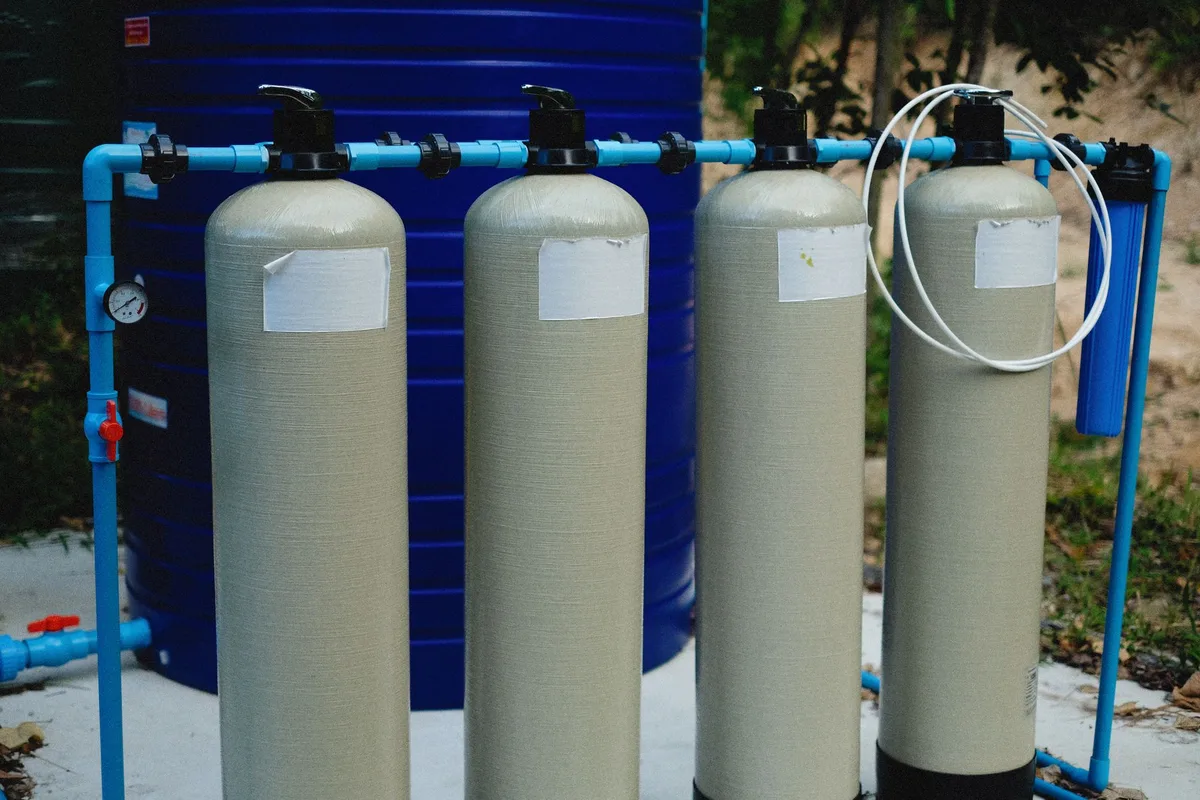
The effectiveness of any filter hinges on what it’s designed to remove. As of 2026, standards from organizations like NSF International help verify which filters tackle which specific contaminants, ranging from aesthetic issues like chlorine taste to health concerns like lead. Let’s dive into the core technologies that make filtered water a reality.
How Water Filters Actually Work: The Science Behind Cleaner Water
At its most basic, water filtration is a physical or chemical process that separates unwanted particles from your water supply. Think of it as a sieve or a treatment station for your H2O. Different methods work in distinct ways, targeting specific impurities.
Activated Carbon: The Taste and Smell Champ
An activated carbon filter is probably the most common type you'll encounter, often found in pitcher filters and faucet attachments. This filter works through adsorption, where contaminants stick to the vast surface area of the carbon material. It’s particularly effective at reducing chlorine, which is often added to municipal water for disinfection but can impart an unpleasant taste and smell.
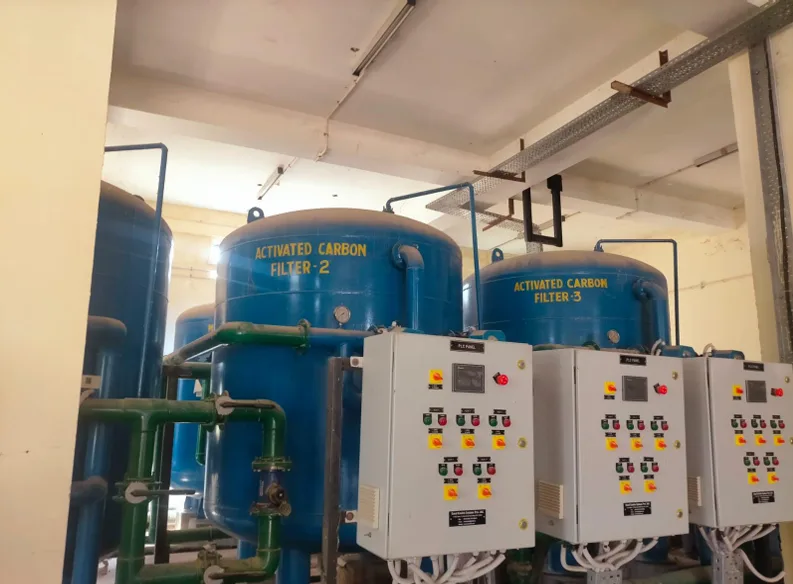
The carbon itself is treated, often with heat or steam, to create millions of tiny pores. This dramatically increases its surface area, making it highly efficient at trapping organic compounds like pesticides and volatile organic compounds (VOCs), as well as chlorine. While great for aesthetics and some chemicals, activated carbon doesn't typically remove dissolved minerals, salts, or microorganisms.
Ceramic Filters: Your Physical Barrier
Ceramic filters act like a very fine physical barrier. They’re made from porous ceramic material, often fired at high temperatures, creating a structure with microscopic holes. These pores are small enough to physically block larger contaminants as water passes through them.
This type of filter is excellent at removing sediment, rust particles, and even some bacteria and cysts. The pore size is key here; smaller pores mean finer filtration. However, ceramic filters can clog relatively quickly, especially in areas with high sediment levels. Regular cleaning, often by scrubbing the surface, is usually required to maintain flow rate and effectiveness.
Some systems use ceramic as a pre-filter to protect more sensitive elements.
Reverse Osmosis: The Deep Dive Cleaner
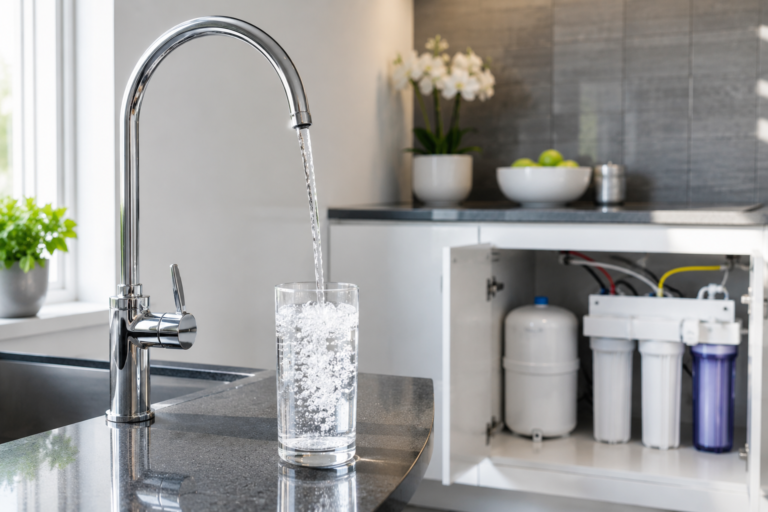
When you’re looking for a more comprehensive filtration solution, Reverse Osmosis (RO) systems are a top contender. These systems employ a semi-permeable membrane that acts as an ultra-fine sieve. Water is forced through this membrane under pressure, leaving behind a wide range of dissolved impurities.
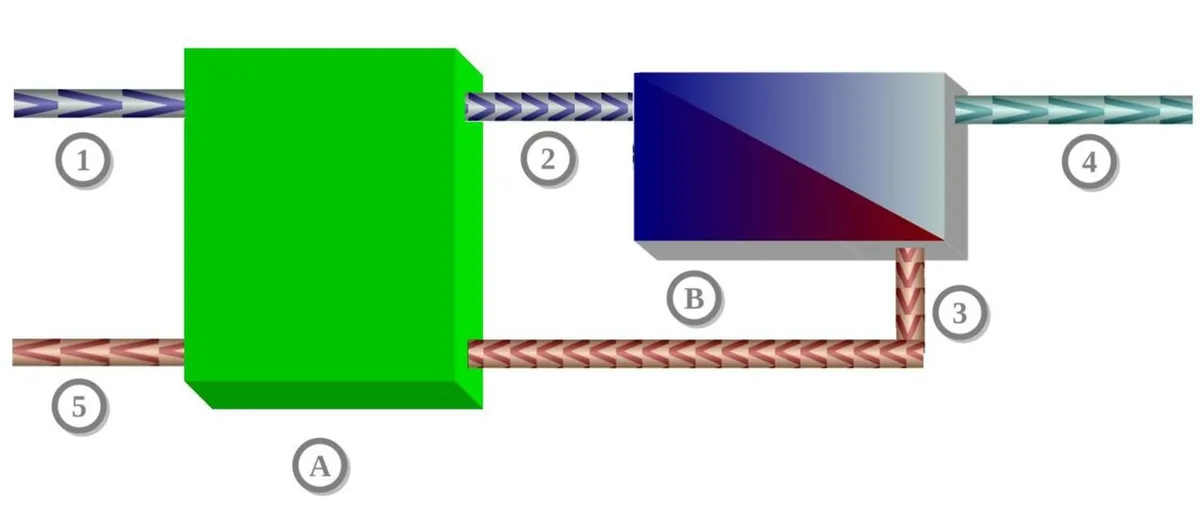
An RO membrane can remove not only sediment and chlorine but also heavy metals like lead and mercury, dissolved salts, nitrates, and even viruses and bacteria. Because it removes so much, including beneficial minerals like calcium and magnesium, many RO systems include a post-filter stage to re-introduce some of these minerals for improved taste and remineralization. A downside to RO is that it can be water-intensive, with a significant amount of water often sent to drain as part of the process.
Ion Exchange: Swapping Out the Bad Stuff
Ion exchange filters work on a principle of swapping. They contain resin beads that have been charged with specific ions, typically sodium ions. As hard water passes through the resin, the calcium and magnesium ions (which cause hardness) are attracted to the resin and swap places with the sodium ions.
This process is the basis of most water softeners, making water "soft" for household use, which helps prevent scale buildup in appliances and pipes. For drinking water, some ion exchange resins can be designed to remove other contaminants, such as nitrates or certain heavy metals, by having them swap places with less harmful ions. However, for general drinking water filtration, other methods are often preferred unless a specific ion is being targeted.
UV Filtration: The Microbial Buster
UV (ultraviolet) filtration is a bit different because it doesn't physically remove any contaminants. Instead, it uses ultraviolet light to disinfect water. Water passes through a chamber where it’s exposed to a specific wavelength of UV light, which damages the DNA of microorganisms like bacteria, viruses, and protozoa.
This damage prevents them from reproducing, effectively inactivating them and making the water microbiologically safe. UV filtration is often used as a secondary treatment step in conjunction with other filters (like sediment or carbon filters) that remove particles and chemicals, ensuring that any remaining microbes are neutralized. It's a powerful way to achieve water purification without adding chemicals.
Key Features: What to Look For in Filtered Water
When you're looking at water filters, the most important features to consider are what they're certified to remove and how long they last. A filter might boast about reducing chlorine, but if your main concern is lead, you need to check for specific certifications like NSF/ANSI Standard 53. These certifications, tested by independent bodies, give you a reliable indication of performance.
Filter lifespan is another critical factor. This is usually measured in gallons or months, whichever comes first. For example, a common pitcher filter might treat 40 gallons, which typically lasts about two months for an average household. RO systems, on the other hand, can have much longer-lasting membranes, often rated for years, but their pre-filters and post-filters will need regular replacement, perhaps every 6-12 months.
What Contaminants Can Filters Tackle?
- Aesthetic Concerns: Chlorine, sulfur compounds, sediment, rust particles. These primarily affect taste, smell, and appearance.
- Health-Related Concerns: Lead, mercury, arsenic, certain pesticides, volatile organic compounds (VOCs), cysts (like Giardia and Cryptosporidium), and bacteria/viruses.
Filter Lifespan Metrics
- Gallons Filtered: The total volume of water a filter cartridge can treat before needing replacement.
- Months: A time-based recommendation, often used when filter performance might degrade due to slow usage or potential microbial growth if left unused.
- Flow Rate: How quickly water passes through the filter. Lower flow rates can indicate a clogged filter or simply a design choice for more thorough filtration.
The Real Perks: Why You Want Filtered Water
The benefits of filtered water are primarily about improving the quality of the water you consume every day. For most people, the immediate difference is in taste and smell. That harsh chemical taste from chlorine, often present in municipal water supplies, is significantly reduced by most filtration methods, especially activated carbon.
Beyond taste, there’s the peace of mind that comes with reducing exposure to potential contaminants. While tap water in many developed nations is treated and generally safe, localized issues like aging pipes can introduce lead, or agricultural runoff might affect water sources. Filters offer an additional layer of protection by targeting these specific risks.
- Fresher Taste: Eliminates off-putting flavors from chlorine and other compounds.
- Odor Reduction: Removes the chemical or sulfurous smells that can linger in tap water.
- Reduced Contaminant Exposure: Lowers levels of lead, VOCs, sediment, and other undesirable substances.
- Cost Savings: Over time, filtered water from home can be more economical than purchasing bottled water.
- Environmental Impact: Reduces plastic waste associated with bottled water consumption.
Different Strokes: Who Needs Which Filter?
Deciding on the right filter system comes down to your specific needs and what’s in your water. If your primary goal is just to improve the taste and smell of your tap water, an activated carbon filter in a pitcher or faucet attachment might be perfect. These are generally affordable, easy to use, and require minimal installation.
However, if your local water report shows concerns about heavy metals like lead, or if you're in an older home with potentially leaching pipes, a more robust system is necessary. Reverse Osmosis systems are excellent for tackling a broad spectrum of contaminants, including dissolved solids and mineral buildup. For those concerned about microbial contamination, a UV filter can provide an extra layer of assurance, though it's typically used post-sediment filtration. If water hardness is an issue for your appliances, an ion exchange system (water softener) might be considered, but this is usually separate from your drinking water filter.
- Best for taste/odor: Activated Carbon (pitchers, faucet filters)
- Best for broad contaminant removal (including lead, dissolved solids): Reverse Osmosis systems
- Best for microbial disinfection (as a secondary step): UV Filters
- Best for water hardness (household use): Ion Exchange (Water Softeners)
Common Filter Pitfalls: What to Watch Out For
One of the biggest mistakes people make is not replacing their filters on time. When a filter’s lifespan is exceeded, it can stop reducing contaminants effectively, and worse, it can start releasing the trapped impurities back into your water. This is especially true for activated carbon filters, which can become saturated.
Another common oversight is misunderstanding what a particular filter can't do. Just because a filter reduces chlorine doesn't mean it will remove heavy metals or bacteria. Always check the product’s specifications and certifications (like NSF/ANSI ratings) to ensure it addresses your specific concerns. And bear in mind that some filters, particularly RO systems, can waste water during the filtration process; if water conservation is a high priority, look for systems designed for higher efficiency.
When Filters Stop Working (Or Worse)
- Over-saturation: The filter media becomes full and can no longer trap contaminants.
- Channeling: Water finds a direct path through the filter, bypassing most of the media and reducing effectiveness. This can happen if the filter isn't seated correctly or if the media has compacted.
- Bacterial Growth: If a filter is left wet and unused for extended periods, or if its own filtration capabilities are compromised, bacteria can grow on or within the filter material.
Keeping It Clean: Filter Maintenance and Replacement
Proper maintenance is key to ensuring your filtered water stays effective and safe. The most crucial aspect is adhering to the recommended replacement schedule for your filter cartridges. This information is typically found in the manufacturer's manual or on the product packaging.
For systems like pitchers or faucet filters, this usually means replacing the cartridge every few months or after a certain number of gallons. If you have an RO system, you'll likely have multiple filters to manage: sediment pre-filters, carbon pre-filters, the RO membrane itself, and a post-filter. These often have different replacement intervals. For instance, pre-filters might be changed annually, while RO membranes can last several years.
Regular Filter Replacement Schedule Check
- Pitcher Filters: Typically every 2-3 months or 40-60 gallons.
- Faucet Filters: Often every 2-3 months or 100-200 gallons.
- Under-Sink Multi-Stage Systems: Schedules vary widely, but pre-filters might be 6-12 months, RO membranes 2-5 years, and post-filters 12 months.
- Ceramic Filters: Require regular cleaning (e.g., weekly or bi-weekly scrubbing) and eventual replacement when the pores become too small to clean effectively or the filter cracks.