How To Filter Water In The Wilderness: Best Survival Methods 2026
Finding clean drinking water in the wild is all about using natural filtration, heat, and proven methods that remove bacteria and debris safely.
Wilderness survival can turn from an unforgettable adventure into a nightmare fast if you run out of safe water. After years of hiking, camping, and leading backcountry trips, I have seen how the right filtering method can save your trip and your health. Whether you are deep in a national park or miles off a remote trail, knowing how to filter water in the wilderness is not just a skill. It is a survival essential.
Understanding Why Wilderness Water Can Be Dangerous
Even the clearest mountain stream can hide dangerous contaminants. In the backcountry, water can carry bacteria like E. coli, parasites like Giardia, viruses, and chemical runoff from agriculture or industry. Animals crossing upstream can leave waste behind. Decaying plants release tannins and chemicals. These risks are invisible to the eye, which is why treating water before drinking is critical.
I remember one trip in the Rockies where I drank straight from a sparkling creek without filtering. Two days later, I was doubled over with stomach cramps. That one mistake taught me a lesson I never forgot. Nature looks clean, but it is rarely sterile.
The Most Common Wilderness Water Sources
Before you can filter water, you need to find it. Knowing where water collects helps you plan your route and set up camp.
- Streams and creeks are the most reliable in the wilderness because they are constantly flowing
- Lakes and ponds are easier to access but often more contaminated
- Springs and seeps are usually the cleanest because water filters through rock naturally
- Snowmelt and rainfall are great backup sources but need treatment for chemical purity
- Morning dew and transpiration bags can help in arid regions
Always check your topographic map or GPS app before heading out. Water sources in dry regions can dry up fast, and knowing where to find them can be the difference between staying hydrated and getting lost in a serious situation.
How to Filter Water in the Wilderness Step by Step
Filtering wilderness water is not complicated, but it does require the right steps. Here is the process I follow on every backcountry trip.
Step 1: Collect Water From the Best Possible Source
The cleaner the source, the less work your filter has to do. Choose fast-moving streams over stagnant pools whenever possible. If you have to use a lake or pond, try to collect water near the surface, away from muddy banks.
Step 2: Let the Water Settle or Pre Filter It
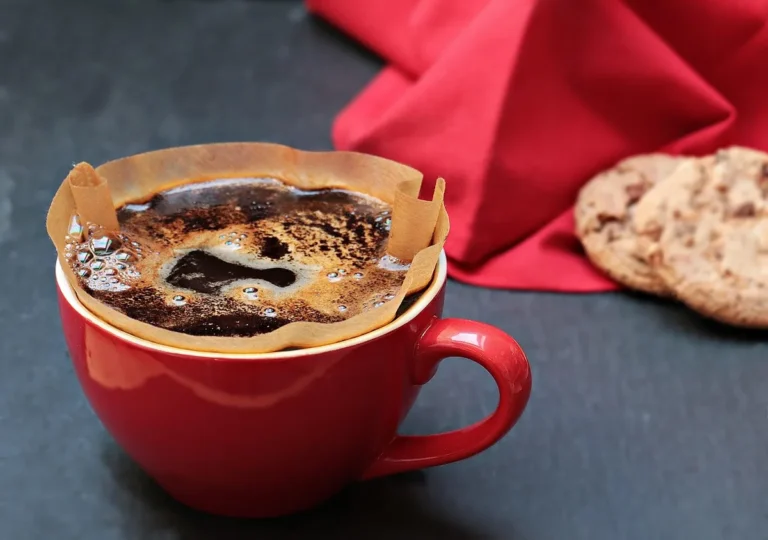
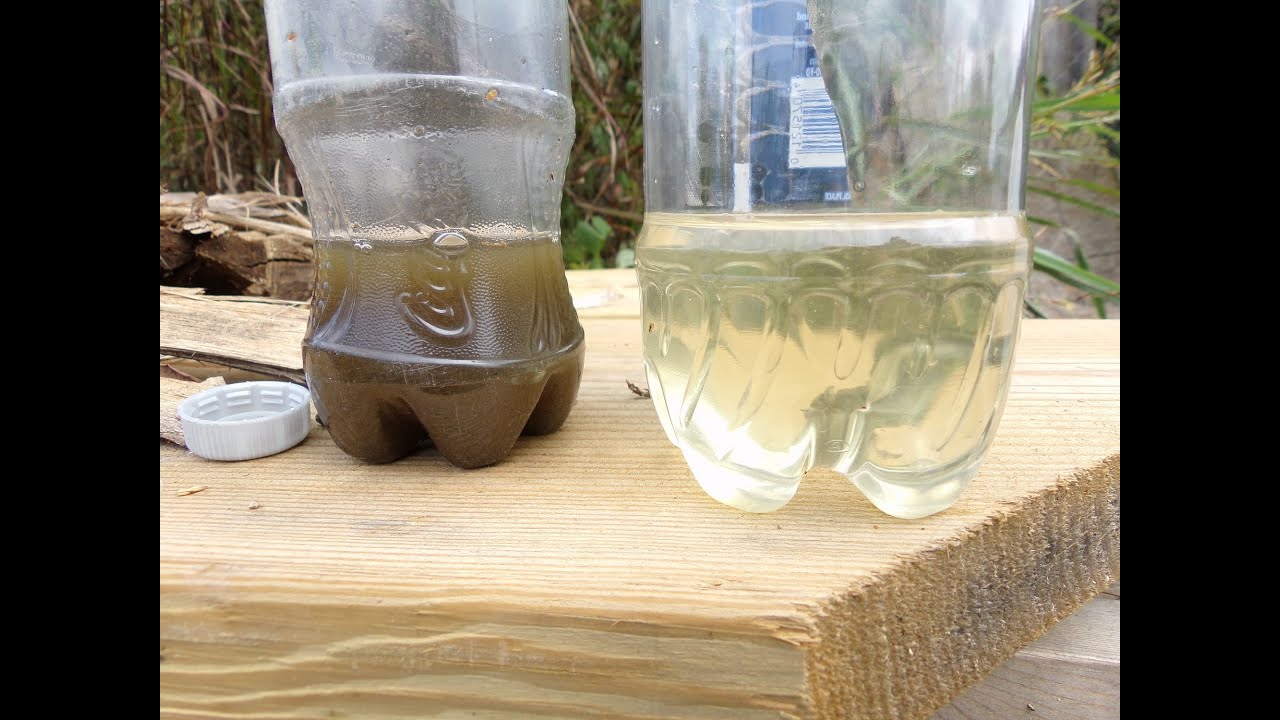
If the water is cloudy, let it sit so heavy particles sink. You can also pour it through a bandana, shirt, or coffee filter to remove large debris. This step extends the life of your filter and speeds up the process.
Step 3: Choose Your Filtration Method
Different methods work for different situations. Below are the most reliable ways to purify water in the wilderness.
Boiling Water
Boiling is the oldest and most trusted method. Bringing water to a rolling boil for at least one minute kills bacteria, viruses, and parasites. At higher elevations above 6,500 feet, boil for three minutes.
It takes time and fuel, but it works every time. I always pack a small titanium stove for exactly this reason. If my filter fails, I have a backup plan.
Using a Portable Water Filter
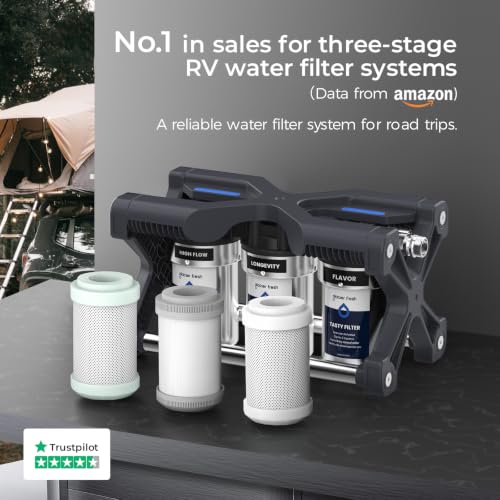
Portable filters are lightweight, fast, and effective. Brands like Sawyer, Katadyn, and LifeStraw are popular among hikers. Most remove bacteria and parasites down to 0.1 microns. Some even filter viruses with special membranes.
I carry a Sawyer Mini on every trip. It weighs only two ounces and has never let me down. One tip: always backflush your filter after each use to keep it working properly.
Using Purification Tablets or Drops
Chemical treatments are another lightweight option. Iodine tablets and chlorine dioxide drops kill most pathogens within 30 minutes to a few hours. They are easy to pack and require no special equipment.
The downside is taste. Some people find the chemical flavor unpleasant. I personally use Aquatabs because they leave a milder taste and work fast.
Using a UV Light Purifier
UV light pens like the SteriPen destroy bacteria and viruses by damaging their DNA. They are quick, lightweight, and chemical free. The only catch is they require batteries and clear water to work well.
I have used one on several desert trips where fuel was scarce. As long as you have a clear water source, it works beautifully.
Building a DIY Survival Filter
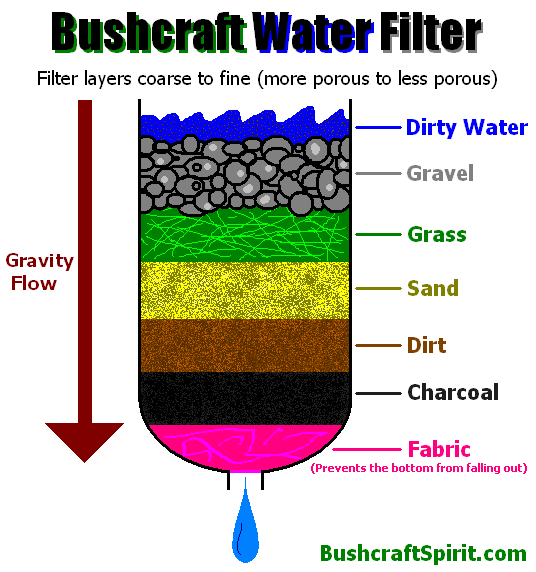
In a true emergency, you can build a filter from natural materials. Layers of sand, gravel, charcoal, and cloth can remove many contaminants. This method is slow and not perfect, but it can save your life when no other options exist.
On one solo trip in Utah, I had to use this method after my filter clogged. It took hours, but it gave me clean enough water to keep moving until I reached a town.
Step 4: Store and Label Treated Water
Once filtered, store your water in clean bottles or hydration bladders. Keep treated water separate from untreated to avoid confusion. Labeling bottles helps if you are hiking with a group.
Best Tools and Gear for Filtering Water in the Wilderness
Having the right gear makes filtering easier and faster. Here are the items I always pack and recommend.
- A lightweight backpacking filter like the Sawyer Squeeze or Katadyn BeFree
- Chemical tablets like Aquatabs or Potable Aqua as a backup
- A small titanium pot or stove for boiling
- A bandana or coffee filter for pre filtering
- Collapsible water bottles or Smart Water bottles for storage
- A UV purifier like the SteriPen for clear water sources
Choose gear that matches your trip length, group size, and environment. For short day hikes, a LifeStraw is enough. For week long expeditions, I recommend a multi step system.

Tips and Mistakes to Avoid When Filtering Water in the Wild
Even experienced hikers make mistakes. Here are the biggest lessons I have learned over the years.
- Do not assume clear water is safe to drink
- Do not skip pre filtering if the water is murky
- Do not forget to backflush or clean your filter
- Do not rely on one method alone, always have a backup
- Do not collect water downstream from campsites or animal trails
I once watched a fellow hiker fill his bottle right below a beaver dam. Within hours, he was sick. Always think about what is happening upstream before you drink.
How Long Wilderness Water Lasts After Filtering
Filtered water does not stay pure forever. Bacteria can regrow if stored in warm conditions. Drink filtered water within a few hours if possible. If you need to store it, keep it in a cool, dark place in a sealed container.
I usually filter only what I need for the day. On longer expeditions, I filter in the morning and evening to keep water fresh and safe.
Filtration vs Purification What Is the Difference
Many hikers use these terms interchangeably, but they are not the same.
- Filtration removes bacteria and protozoa through a physical barrier
- Purification removes viruses as well, usually through chemicals or UV light
If you are traveling in North America, viruses are rare in wilderness water. A standard filter is enough. If you are heading overseas, consider a purifier for full protection.
Adapting Your Method to Different Environments
Different wilderness settings call for different approaches. In the Rockies, streams are usually clean and cold, so boiling or filtering works well. In the desert, water is scarce and often muddy, so carrying your own supply is critical. In the tropics, bacteria and parasites thrive, so chemical treatment is a smart backup.
I always adjust my plan based on the region. In Alaska, I rely on glacial streams and a reliable filter. In the Southwest, I carry extra water and use every drop wisely.
How to Stay Safe While Collecting Water
Your safety matters as much as your water quality. When collecting water, watch for wildlife like bears, moose, and snakes. Avoid disturbing animal habitats. If you must collect from a stagnant source, do not stir up sediment.
I always make noise when approaching water sources. It keeps animals from surprising you, and it lets them know you are there.
Frequently Asked Questions
What Is the Best Way to Filter Water in the Wilderness?
The best method depends on your situation, but a portable filter like the Sawyer Mini is fast, lightweight, and reliable for most hikers. Boiling is the most thorough backup method when you have fuel and time.
Can You Drink River Water After Boiling?
Yes, boiling kills nearly all harmful bacteria, parasites, and viruses in river water. Bring the water to a rolling boil for at least one minute, or three minutes at high elevations.
How Long Does It Take to Filter Water in the Wild?
A good portable filter can clean a liter of water in under five minutes. Boiling takes about ten minutes per batch. Chemical tablets take 30 minutes to four hours depending on the product.
Are Water Filters Better Than Purification Tablets?
Filters are faster and remove physical particles. Tablets are lighter and kill viruses but take longer to work. Carrying both gives you a reliable backup plan for any situation.
Is It Safe to Drink Rainwater in the Wilderness?
Rainwater is generally safe after collection, but it can pick up dust, chemicals, or pollutants from the air. Filter or boil it before drinking, especially near urban or industrial areas.
Conclusion
Learning how to filter water in the wilderness is one of the most important skills any adventurer can develop. From boiling and portable filters to chemical tablets and UV purifiers, you have multiple options to stay safe and hydrated. The key is preparation, having the right gear, and knowing how to adapt to your environment.
Before your next trip, double check your filter, pack a backup method, and plan your water sources ahead of time. Clean water is out there waiting. You just need to know how to get it safely.
Have a favorite filtering method or a wilderness water story to share? Drop a comment below and let me know what works best for you.