How To Filter Chlorine Out Of Tap Water: Best 2026 Guide
You can filter chlorine out of tap water by using activated carbon filters, letting water sit uncovered for 24 hours, or boiling it to allow the chlorine to evaporate.
If you've ever noticed that swimming pool smell coming from your kitchen faucet, you already know what chlorine in tap water feels like. For years, I drank, cooked, and brewed coffee with chlorinated water without thinking twice. Then I started noticing the dry skin, the flat taste in my tea, and even slight irritation after long showers. That curiosity pushed me down a rabbit hole of testing different filtration methods at home. I'm excited to share what actually works, what doesn't, and how you can build a setup that fits your budget and your daily routine.
Why Tap Water Contains Chlorine in the First Place
Most municipal water treatment plants add chlorine or chloramine to tap water as a disinfectant. It's a cheap and effective way to kill harmful bacteria, viruses, and parasites before the water reaches your home. The practice has been around since the early 1900s and is backed by decades of public health data.
Chlorine is preferred by many utilities because it residual effect continues to protect water as it travels through pipes. Without it, contamination could occur between the treatment plant and your faucet. The EPA regulates chlorine levels in drinking water and requires concentrations between 0.2 and 4 parts per million for safety.
However, just because chlorine is safe at regulated levels doesn't mean everyone loves the taste or the side effects. Some people experience skin dryness, eye irritation, or stomach discomfort. And if you have a fish tank or use water for aquaponics, chlorine is toxic and must be removed completely.
How Chlorine Differs from Chloramine
Before we dive into filtration methods, it's important to understand the difference between chlorine and chloramine. Many older treatment methods used free chlorine, which is easy to remove through air exposure or basic carbon filtration. Chloramine, on the other hand, is a mix of chlorine and ammonia. It's more stable and lasts longer in the distribution system, but it's also much harder to filter out.
If your local water utility uses chloramine, simple boiling or letting water sit out won't work. You'll need a catalytic carbon filter or a reverse osmosis system to break the chemical bond. Most utilities publish an annual water quality report that tells you exactly what's in your water. I always recommend checking that first because it saves you from buying the wrong equipment.
Common Signs Your Water Has High Chlorine Levels
- Strong chemical or bleach-like smell from your tap
- Dry, itchy skin after showering
- Noticeable change in taste of coffee, tea, or drinking water
- Faded colors when washing colored clothing
- Fish tank inhabitants behaving oddly or dying
Proven Methods to Filter Chlorine Out of Tap Water
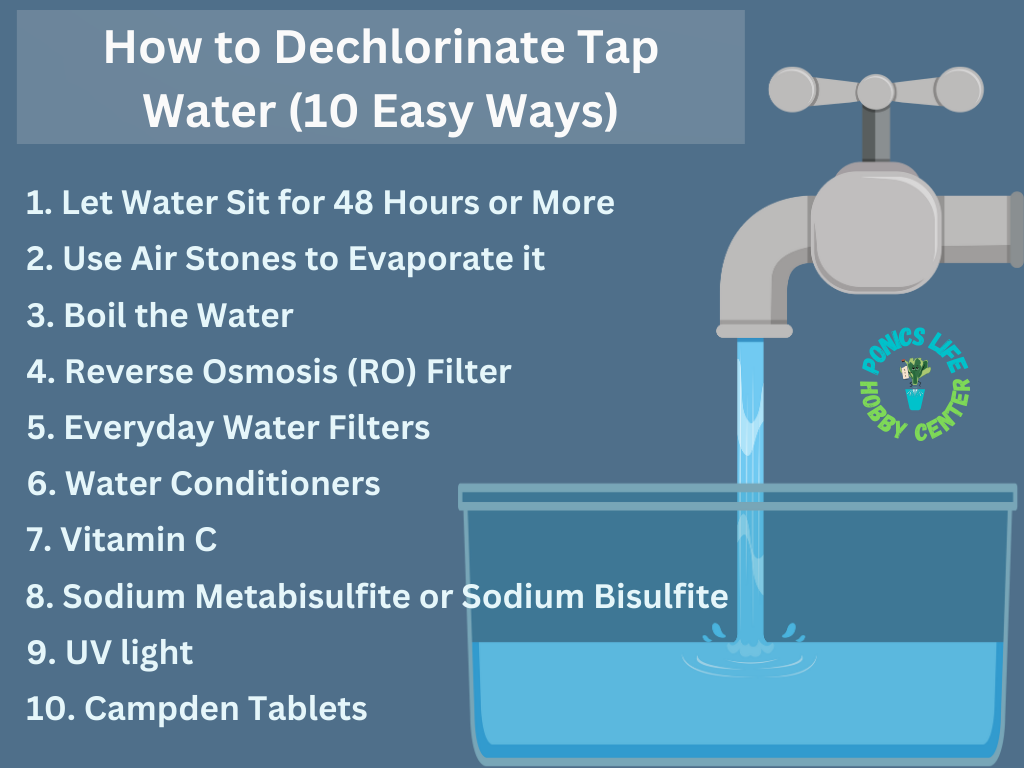
There are several ways to remove chlorine from tap water, ranging from free DIY tricks to high-end filtration systems. I've personally tested most of these, and each has its own strengths depending on your needs.
Activated Carbon Filters
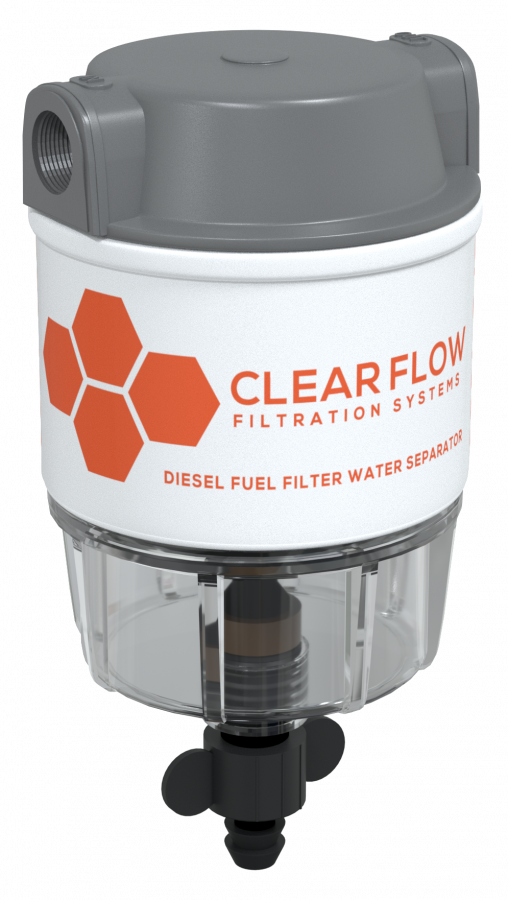
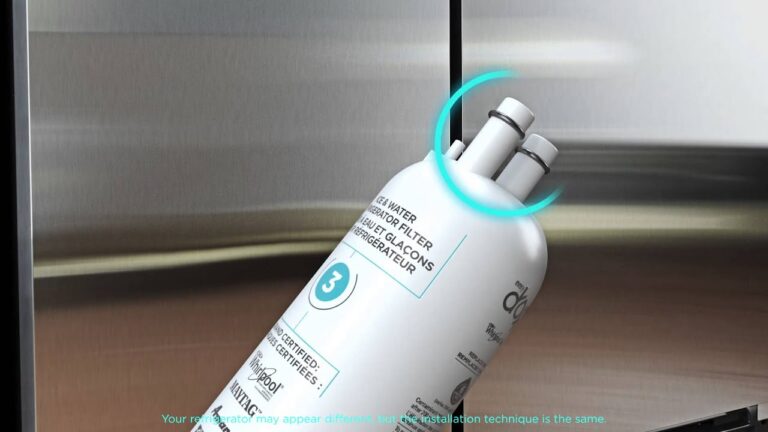
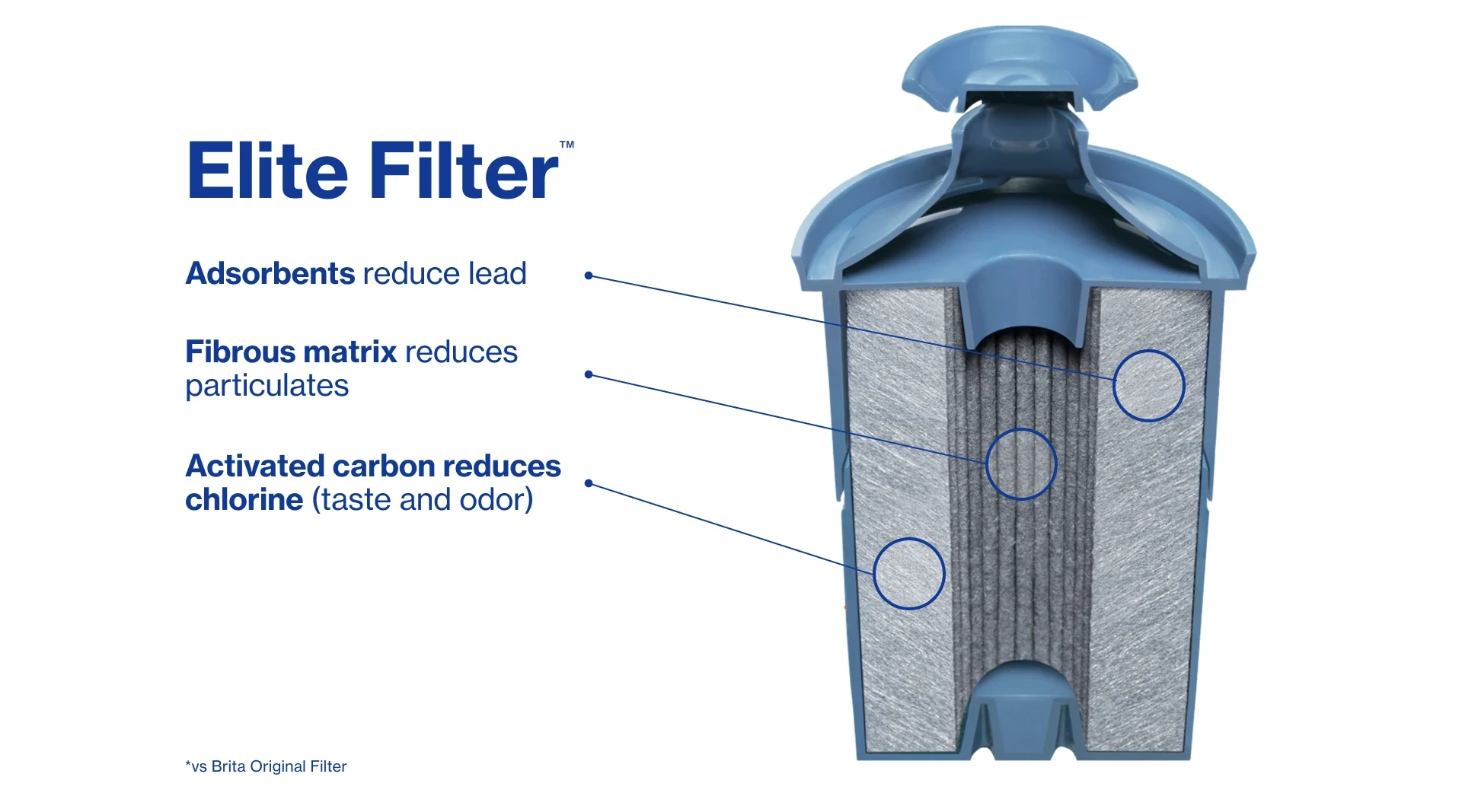
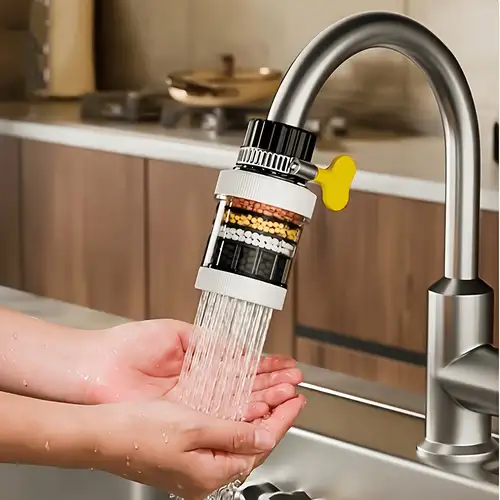
This is the most popular and affordable option for most households. Activated carbon works by attracting chlorine molecules and trapping them in its porous structure. You can find carbon filters as pitcher filters, faucet attachments, under-sink units, or whole-house systems.
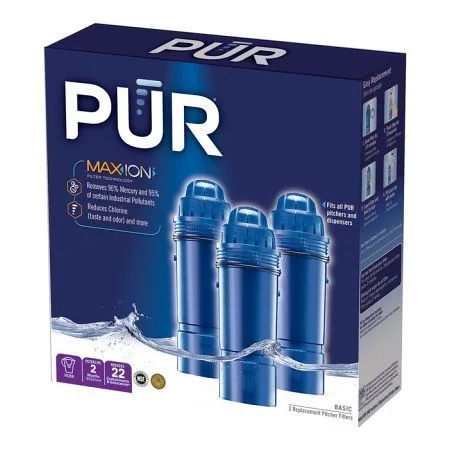
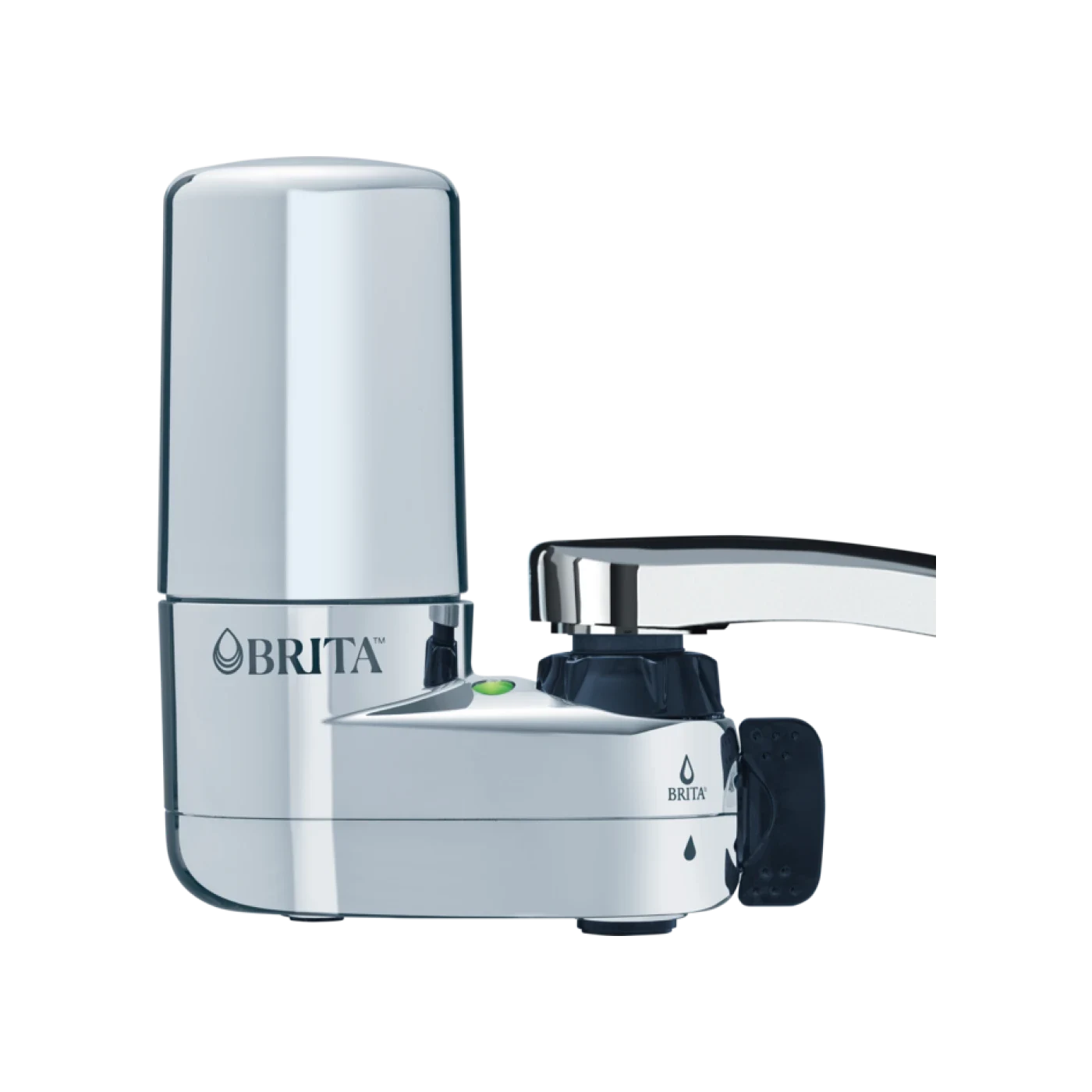
A basic pitcher filter like a Brita or PUR can remove a significant amount of chlorine and improve taste. But the filter cartridge needs to be replaced regularly, usually every 40 to 80 gallons. If you want a more permanent setup, an under-sink reverse osmosis system with a carbon stage is the gold standard for serious filtration.
When I installed my first under-sink carbon filter, the difference in my morning coffee was shocking. The water tasted cleaner, smoother, and almost mineral-like again. It felt like I'd been drinking flat, slightly bitter water for years without realizing it.
Boiling Water
Boiling tap water for 15 to 20 minutes will drive off most free chlorine through evaporation. It's a free method, but it's slow, energy-hungry, and impractical for large volumes. It also won't remove chloramine, heavy metals, or other contaminants.
I used this trick a few times when I ran out of filter cartridges, but it felt like a hassle. Watching a pot of water boil just to fill a water bottle isn't something I want to do every day.
Letting Water Sit Out
If your water utility uses free chlorine (not chloramine), simply letting water sit uncovered for 24 to 48 hours will allow the chlorine to dissipate naturally. This works because chlorine is volatile and evaporates into the air.
I tested this once with a glass of water and honestly, by hour 18, the smell was nearly gone. But this method requires planning ahead and takes up a lot of space if you want to treat a full day's worth of drinking water.
Vitamin C Filter
Ascorbic acid, or Vitamin C, neutralizes chlorine almost instantly. You can add a tiny pinch of Vitamin C powder to a gallon of water, shake it, and the chlorine disappears within seconds. It's often used by aquarium hobbyists and campers.
This is a neat trick, but I don't recommend using it for drinking water on a regular basis because you're altering the water's chemistry. It's more of an emergency or travel solution.
Reverse Osmosis Systems
Reverse osmosis (RO) systems push water through a semi-permeable membrane that blocks chlorine, chloramine, heavy metals, and many other contaminants. They produce very clean water, but they also waste a bit of water during the process, usually 3 to 4 gallons of wastewater per gallon of filtered water.
I installed a 5-stage RO system in my kitchen two years ago, and it has been one of the best home upgrades I've ever made. The water tastes incredible, my coffee tastes better, my ice cubes are crystal clear, and I no longer worry about what might be hiding in my tap water.

Choosing the Right Filter for Your Needs
Not every method is right for every person. Here's how to decide what fits your lifestyle.
Budget-Conscious Options
If you're just starting out and want to test the waters, a pitcher filter or faucet-mounted filter is a smart first step. They're cheap, easy to install, and effective for free chlorine removal. Expect to spend between $20 and $50 upfront and $5 to $10 per month on replacement cartridges.
Mid-Range Options
Under-sink carbon filters or countertop RO systems offer better filtration without breaking the bank. They typically cost between $100 and $300 and last for years with minimal maintenance. This is the sweet spot for most families.
Whole-House Solutions
If you want chlorine-free water from every tap, shower, and washing machine, a whole-house carbon filter is the way to go. These systems install at your main water line and treat all incoming water. They're more expensive upfront, ranging from $300 to $1,500, but they're ideal for people with sensitive skin or allergies.
I added a whole-house carbon filter about a year ago, and the biggest change I noticed was in my shower. No more dry, tight skin, and my hair felt softer without using any new products. It was a small change that made a daily routine feel completely different.

Common Mistakes to Avoid When Filtering Chlorine
- Buying a filter without checking whether your water contains chlorine or chloramine
- Forgetting to replace filter cartridges on schedule, which reduces effectiveness
- Assuming boiling removes all contaminants, when it only handles free chlorine
- Using plastic containers that can leach chemicals back into filtered water
- Overlooking your shower water, which contributes significantly to chlorine exposure through skin and lungs
I learned the hard way that a filter only works if you maintain it. I once used a carbon pitcher for six months without changing the cartridge. Not only did it stop filtering chlorine, but it actually started growing bacteria in the old media. That taught me to mark replacement dates on my calendar.
Health Benefits of Removing Chlorine From Drinking Water
Filtering chlorine out of your tap water isn't just about taste. It can have real health and comfort benefits, especially if you're sensitive to chemicals.
Skin and Hair Improvements
Chlorine strips natural oils from your skin and hair, leaving them dry and irritated. Filtered water helps your skin retain moisture and can reduce eczema flare-ups for some people.
Better Hydration
Water without chlorine tastes better, which means you're more likely to drink enough throughout the day. I noticed I was drinking almost a liter more per day once my water tasted clean.
Reduced Chemical Exposure
While regulated chlorine levels are safe, reducing daily exposure lowers the overall chemical load on your body. This is especially helpful for people with asthma or chemical sensitivities.
How to Test If Your Filter Is Working
After installing any filter, it's smart to verify that it's actually doing its job. You can buy chlorine test strips at most pool supply stores or online. Dip a strip into your filtered water and compare the color change to the chart on the package. If there's no color change, congratulations, your chlorine is gone.
I still test my under-sink RO water once a month, mostly out of habit. It takes 30 seconds and gives me peace of mind that my family is drinking clean water.
Frequently Asked Questions
Does boiling tap water remove chlorine?
Yes, boiling tap water for 15 to 20 minutes will remove most free chlorine. However, it will not remove chloramine, heavy metals, or other contaminants. Boiling is best as a short-term or emergency solution rather than a daily practice.
How long does it take for chlorine to evaporate from tap water?
If your water contains free chlorine, leaving it uncovered at room temperature for 24 to 48 hours will allow the chlorine to evaporate naturally. Warmer temperatures speed up the process.
Will a Brita filter remove chlorine from tap water?
Yes, Brita filters use activated carbon to reduce chlorine taste and odor. They work well for free chlorine but are not designed to remove chloramine. For chloramine removal, you need a catalytic carbon filter.
Is chlorine in tap water harmful to drink?
At regulated levels, chlorine in tap water is considered safe by health authorities. However, some people prefer to remove it for taste, skin comfort, or personal preference. There's no strong evidence that typical chlorine levels cause harm.
Can I remove chlorine from water without a filter?
You can remove chlorine by letting water sit out for 24 to 48 hours or by boiling it. These methods only work for free chlorine, not chloramine. For a more reliable and ongoing solution, a carbon filter is the easiest option.
Final Thoughts
Filtering chlorine out of tap water is one of the simplest upgrades you can make for your health, comfort, and daily quality of life. Whether you start with a basic pitcher filter or invest in a whole-house system, the difference in taste and feel is immediate. I encourage you to check your local water report first, choose a method that fits your budget, and give it a try for a few weeks. You'll likely wonder how you ever drank unfiltered tap water in the first place. If you found this guide helpful, feel free to share it with a friend or drop a comment below with your own experiences.