What Is an Ro Water Filter for 2026: That Actually Work
A lot of us are looking for ways to get healthier water right in our own homes, and you might have heard about Reverse Osmosis (RO) systems. The basic question, "what is an RO water filter," pops up a lot, and it's a good one to tackle because not all filters work the same way. Unlike a simple Brita pitcher, an RO system is a more comprehensive approach to purifying your tap water, aiming to remove a much wider range of dissolved impurities.
In our research, we found that while RO systems can be highly effective, understanding their multi-stage process and the trade-offs involved is key. Manufacturer specifications often highlight their ability to reduce Total Dissolved Solids (TDS) by significant percentages, with many systems tested to remove over 95% of common contaminants. They operate on a principle that’s a bit more advanced than what you find in basic pitchers.
What Exactly is an RO Water Filter System?
At its core, a Reverse Osmosis (RO) water filter system is a multi-stage process designed to significantly purify your tap water. It’s not just about catching sediment or chlorine; it's about getting down to a much finer level of filtration to remove dissolved solids, heavy metals, salts, and even some microorganisms. Think of it as a highly advanced water treatment plant, condensed for your kitchen sink.
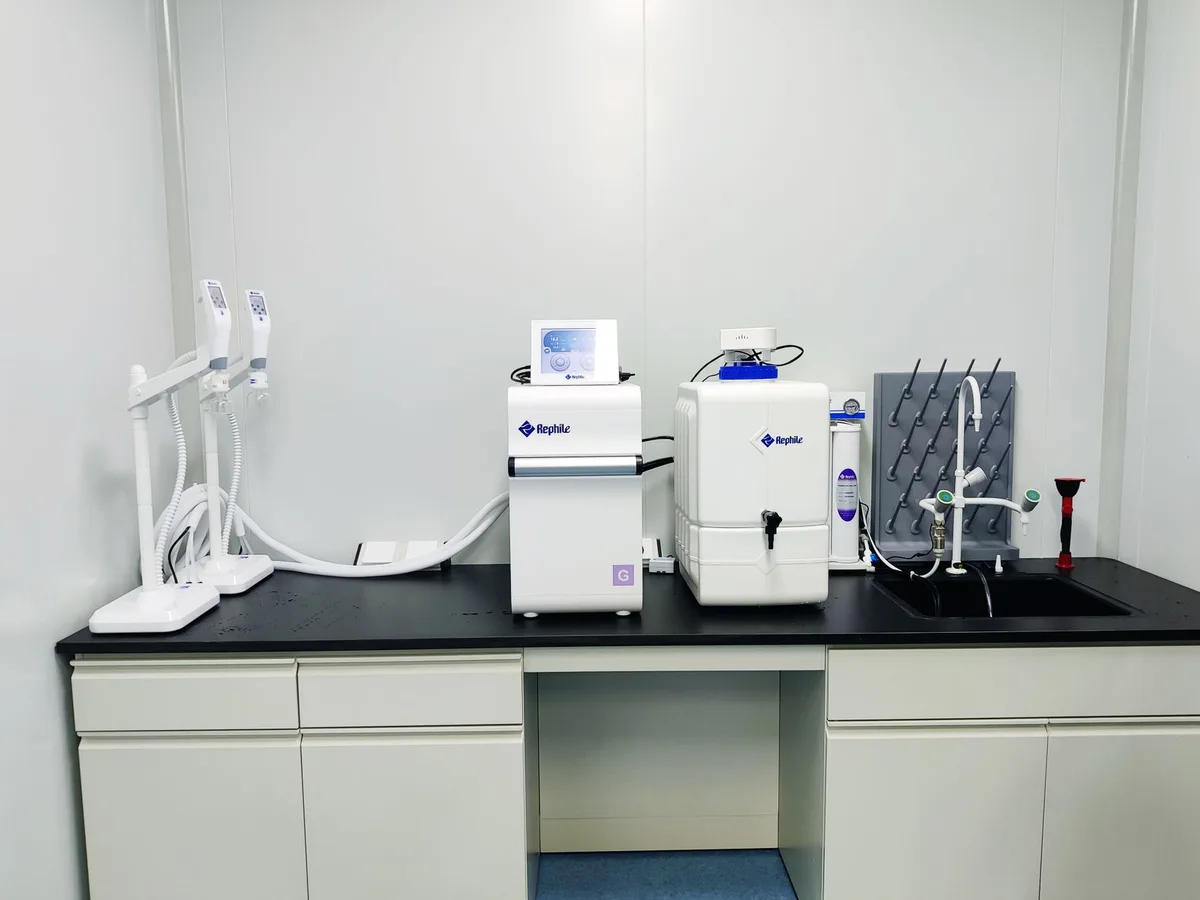
This means that if you're concerned about the trace elements that might be present in your municipal water supply, things you can't see or taste but might be worrying about, an RO system aims to address those. Because of its thoroughness, it’s often considered one of the most effective types of water purification available for home use.
How Does Reverse Osmosis Work Anyway?
The "Reverse Osmosis" process is the heart of how these systems work, and it's a clever bit of science. Naturally, osmosis is how water moves from an area of lower solute concentration to an area of higher solute concentration across a semi-permeable membrane. Your body uses osmosis for all sorts of things, like how your cells absorb water.

"Reverse" osmosis, then, is about forcing water in the opposite direction. We use applied pressure to push water molecules through an incredibly fine membrane. This membrane has pores so tiny that they only allow water molecules to pass through; they block nearly everything else, dissolved salts, minerals, heavy metals like lead and arsenic, and even some bacteria and viruses. It's this powerful, selective barrier that sets RO apart from simpler filtration methods.
The Science Behind the Membrane
The magic happens with the semi-permeable membrane itself. It’s typically made from materials like thin-film composite (TFC) polyamide, which is engineered with an extremely small pore size. This precise construction is what allows it to act as a highly effective barrier against dissolved contaminants. The pressure applied to the feed water is what overcomes the natural osmotic pressure, forcing the pure water through the membrane and leaving the impurities behind in a concentrated reject stream.
Pushing Water Backwards
Think of it like this: if you have a very salty solution on one side of the membrane and pure water on the other, water naturally wants to flow into the salty side to try and dilute it. In reverse osmosis, we use a pump (or the home's water pressure) to push the water from the purer side into the saltier side, but through that ultra-fine membrane. The membrane stops the salt and other dissolved substances, letting just the pure H₂O molecules squeeze through. This process requires a significant amount of pressure, often around 50-100 psi (pounds per square inch), for it to be effective.
What's Inside an RO System?
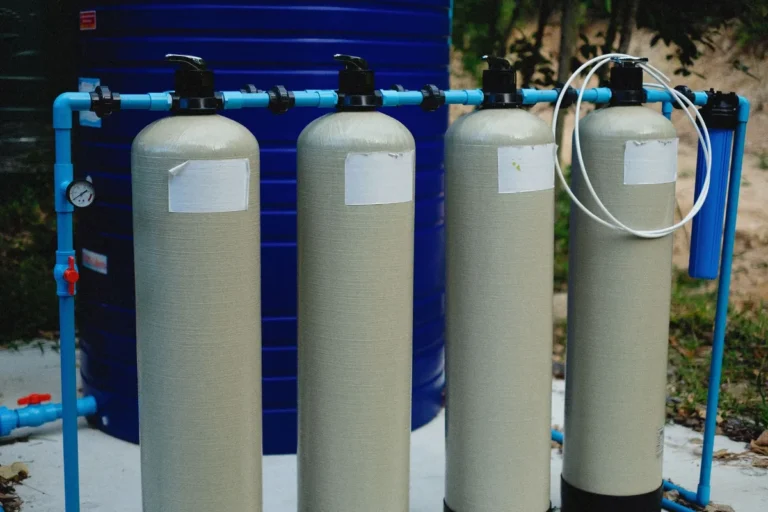
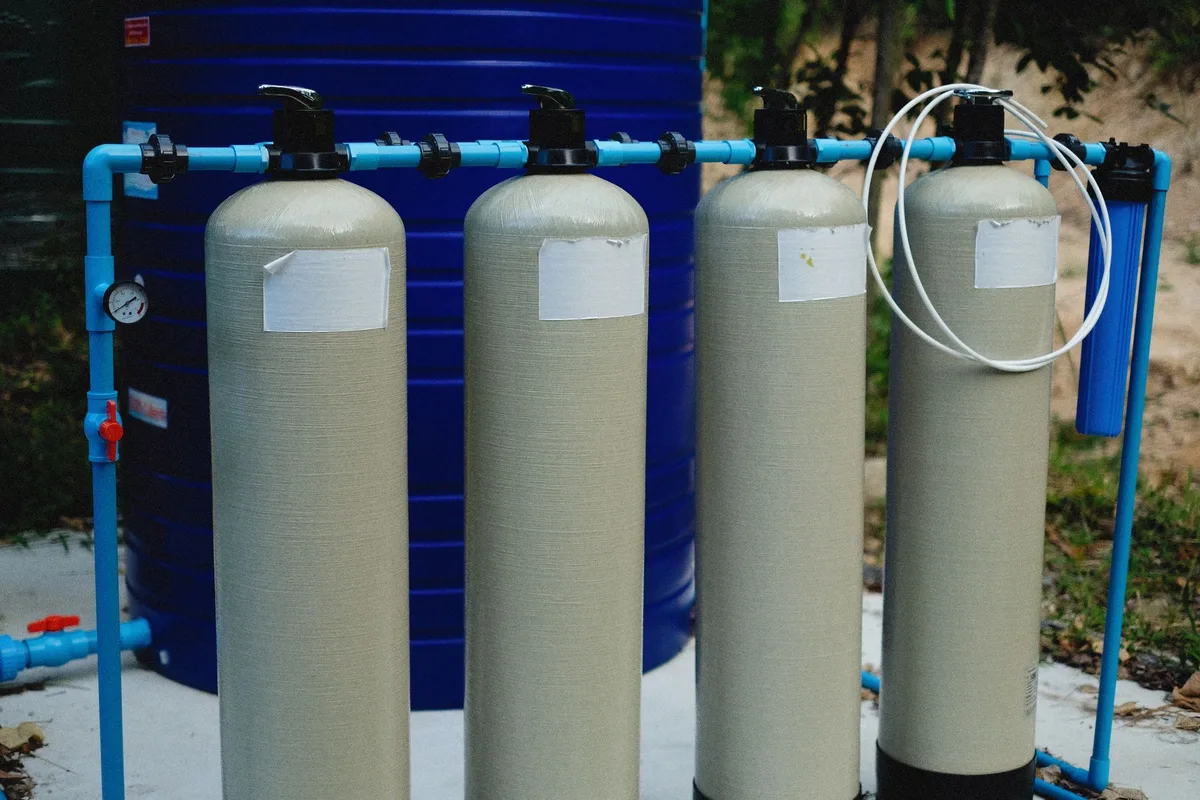
A typical under-sink RO system isn't just one single component; it's a series of filters working together in sequence to achieve maximum purification within your home. Each stage plays a crucial role in protecting the next and ensuring the final water quality is top-notch. Understanding these different parts will help you appreciate why RO is so thorough.
Pre-Filters: The First Line of Defense
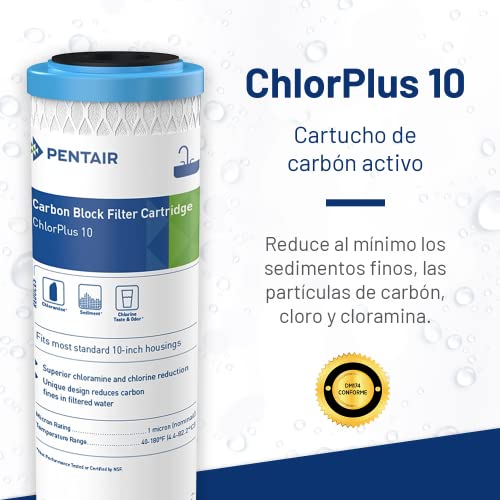
Before the water even gets to the critical RO membrane, it usually passes through at least two pre-filters. The first is often a sediment filter, which looks pretty much like it sounds, it's designed to catch larger particles like dirt, sand, rust, and other visible sediment. Think of it as the initial screening to prevent bigger debris from causing problems later. Following that, there's typically a carbon filter.
This carbon filter does a great job of removing chlorine, which is commonly used in municipal water treatment. Chlorine can be harsh on the RO membrane, so removing it here helps prolong the membrane's life and also gets rid of that characteristic "pool-like" smell or taste.
The Star Player: The RO Membrane
This is where the real magic of purification happens. The Reverse Osmosis membrane is the most critical component of the system. It's a specialized, semi-permeable sheet that's rolled up tightly into a spiral-shaped cartridge. As water is forced through this membrane under pressure, it acts like an extremely fine sieve, allowing only water molecules to pass through.
All the dissolved solids, such as salts, heavy metals like lead and arsenic, nitrates, and even some microorganisms, are rejected by the membrane and flushed away as wastewater. Manufacturer specifications from leading brands often confirm that these membranes can remove up to 99% of dissolved solids.
Post-Filters: Polishing the Water
After the water has been purified by the RO membrane, it's typically stored in a small pressurized tank. You might think the job is done, but there's usually one or two more stages of filtration. These are called post-filters, and they're almost always carbon-based, similar to the pre-filter. The purpose of these post-filters is twofold: first, to polish the water and remove any lingering tastes or odors that might have been picked up in the storage tank or from the membrane itself.
Second, some RO systems include a remineralization filter after the carbon filter. Since RO removes almost everything, including beneficial minerals like calcium and magnesium, a remineralization filter adds a small amount back in to improve the taste and provide some of those minerals in your drinking water.
Why Choose an RO System? Key Benefits
When you’re weighing your options for home water filtration, the thoroughness of an RO system is its biggest draw. It goes beyond simple taste improvement and tackles a broader spectrum of potential water quality issues that other filters might miss. Understanding these distinct advantages helps explain why many homeowners opt for this type of purification.
Super Pure Drinking Water
The primary benefit, and the reason most people install RO systems, is the exceptionally high level of purity they achieve for drinking water. By removing up to 99% of Total Dissolved Solids (TDS), RO systems significantly reduce the mineral content, salts, and other unseen contaminants that can affect taste and quality. This results in water that tastes clean and fresh, without any lingering metallic or chemical aftertastes commonly associated with tap water. For those who are particularly sensitive to taste or are conscious about what they're consuming, this level of purity is a major advantage.
Tackling Tough Contaminants
RO systems are particularly effective at removing a wide array of specific contaminants that can be concerns for health and well-being. This includes heavy metals such as lead, mercury, and arsenic, which can leach into water supplies from old pipes or natural sources. They also effectively reduce nitrates, a common pollutant from agricultural runoff, and can significantly lower fluoride levels if that is a personal concern. The multi-stage filtration process ensures that even very small dissolved particles are captured, making it a robust solution for improving water quality based on lab tests and health advisories.
What Are the Downsides of RO?
While the purity RO systems offer is impressive, it's fair to say they aren't a perfect solution for everyone, and it's good to be aware of the considerations. They come with a few trade-offs that might make other filtration methods a better fit for some households.
The Water Waste Factor
One of the most significant drawbacks of Reverse Osmosis systems is the amount of wastewater they produce. For every gallon of purified water you collect in the storage tank, the system typically flushes several gallons of concentrated wastewater containing the rejected contaminants down the drain. As of 2026, most standard RO systems operate with a recovery rate of about 1:4 or 1:3, meaning you get one gallon of pure water for every three to four gallons sent to the drain. This can be a concern in areas with water restrictions or for those who are very conscious about their water usage.
Losing Those Natural Minerals
As these systems are so efficient at removing dissolved solids, they also strip out beneficial minerals that are naturally present in tap water, such as calcium and magnesium. While these minerals aren't typically present in quantities that make tap water a primary source for your dietary needs, their absence means the output water is demineralized. As mentioned, some systems include a remineralization stage to add some minerals back for taste and potential health benefits, but this is an additional component and not part of the core RO process itself.
It's Not the Fastest Process
Another point to consider is the rate at which RO systems produce purified water. Because water is being pushed through a very fine membrane under pressure, the process is relatively slow. Most under-sink RO systems use a storage tank to hold a reserve of purified water so you can access it quickly when you turn on the dedicated faucet. However, if the tank is depleted and you suddenly need a large amount of water, you'll have to wait for the system to replenish its supply, which can take anywhere from a couple of hours to several more, depending on the system's capacity and your incoming water pressure.
RO vs. Other Water Filters: What's the Real Difference?
When you start looking into water filters, it can get a little confusing because the term "filter" is used pretty broadly. A simple pitcher filter, for instance, relies mainly on activated carbon to improve taste and odor by removing chlorine and some sediment. Faucet filters are similar but attach directly to your tap. Both are good for incremental improvements.
Pitchers, Faucets, and the RO Contenders
The key difference lies in what contaminants they target. Basic carbon filters are decent for taste and smell and can catch larger sediment particles. They generally do not effectively remove dissolved solids, heavy metals like lead or arsenic, or a wide range of other chemicals that RO membranes are designed to capture. A typical activated carbon filter might reduce TDS by less than 5%, whereas an RO system can reduce it by 95% or more.
Considering a water quality report from your local municipality or a home water test will show you what's actually in your water, helping you decide if the advanced filtration of RO is necessary.
Who Is an RO System Best For?
Given the benefits and drawbacks, RO systems aren't a one-size-fits-all solution. They shine brightest when you have specific water quality concerns that simpler filters can't address. If your priority is maximum purity and removing a broad spectrum of dissolved contaminants, RO is likely a strong contender.
Ideal Use Cases for RO
Think about situations where high purity is paramount. This includes everyday drinking water, especially if your tap water has a noticeable mineral taste or you're concerned about specific contaminants like lead or nitrates, which are common in older plumbing or agricultural areas. RO is also excellent for cooking, as it can improve the taste of food and beverages, and for appliances like ice makers and coffee machines where mineral buildup can lead to scale and reduce efficiency. If you’ve had your water tested and the TDS levels are consistently high, an RO system is designed to bring those levels down dramatically.
Is It Right for Your Home?
If your tap water tastes fine, doesn't have noticeably high mineral content, and your primary goal is just to remove chlorine for better taste, a simpler carbon filter might suffice. However, if you’re looking for a comprehensive purification that addresses a wide range of potential impurities, including many heavy metals and dissolved solids, an RO system is the more robust choice. It requires a bit more commitment in terms of installation and maintenance, but the resulting water purity is often seen as worth the investment by those who prioritize it.
Common Mistakes When Using RO Filters
Because RO systems are more complex than basic filters, there are a few common pitfalls that can lead to reduced performance or premature component failure. Being aware of these can help you get the most out of your system and avoid unnecessary costs or headaches down the line.
Overlooking Maintenance
One of the biggest mistakes people make is neglecting the regular maintenance schedule for their RO system. The pre-filters and carbon filters are designed to be replaced periodically, typically every 6 to 12 months depending on usage and water quality. If these filters become clogged with sediment or saturated with chlorine, they can’t protect the RO membrane effectively. This leads to the membrane becoming fouled, drastically reducing its performance and lifespan.
Not Understanding Water Waste
Another common oversight is not factoring in the wastewater generated by an RO system. While it's a necessary part of the purification process, some users are surprised by the amount of water that goes down the drain. This can be a significant concern in drought-prone areas or for individuals aiming to conserve water. It's crucial to understand the system's recovery rate and its potential impact on your water bill and environmental footprint before installation.
Maintaining Your RO System for the Long Haul
Just like any water filtration system, an RO setup needs ongoing care to perform optimally. Not only does this ensure you're consistently getting purified water, but it also protects the more expensive components like the RO membrane itself. Think of it as preventive care for your water quality.
Filter and Membrane Replacement Schedules
The most critical aspect of RO maintenance is the timely replacement of the various filters and the RO membrane. Pre-filters (sediment and carbon) typically need to be replaced every 6 to 12 months. The RO membrane, being the core component, has a longer lifespan, often lasting 2 to 5 years depending on water quality and how well the pre-filters do their job. Post-filters, especially remineralization filters, also have their own recommended replacement intervals, usually aligned with the pre-filters.
Manufacturer guidelines are the best source for specific timelines, but aggregate user feedback suggests that adhering to these schedules prevents performance drops and costly membrane failures.
Next Steps: Deciding on an RO System
So, you've learned what an RO water filter system is, how it works, what its benefits and drawbacks are, and what kind of maintenance is involved. The decision now comes down to whether this advanced purification method aligns with your specific needs and circumstances. If you're dealing with challenging tap water or simply desire the highest possible purity for your drinking water, the thoroughness of RO is hard to beat.
If water conservation is a top priority or your water quality is already quite good, you might find simpler filters sufficient. However, for those seeking to tackle dissolved solids, heavy metals, and other hard-to-remove contaminants, an RO system offers a compelling solution. The key is to assess your current water quality, understand the commitment required for maintenance, and weigh that against the unparalleled purity an RO system can provide.