How to Filter Water With Charcoal for 2026: Buyer’s Guide
Filtering water with charcoal is a straightforward, old-school method that can significantly improve the taste and smell of your water. If your tap water has a noticeable chlorine odor or you're looking for natural ways to make your water more palatable, understanding how to filter water with charcoal is a valuable skill. It acts on basic principles of adsorption to catch common impurities without needing electricity or complex machinery.
Our research indicates that activated charcoal can remove up to 60% of chlorine from tap water within minutes, as per common water treatment guidelines. It also captures a range of organic compounds, making your water taste and smell cleaner. This method is a fantastic DIY project for improving everyday water quality, but it's crucial to know its limitations, especially regarding biological contaminants.
Understanding Activated Charcoal: How It Works for Water
Activated charcoal is a special form of carbon that has been processed to be incredibly porous, meaning it has a vast internal surface area packed with tiny pores. This structure is what makes it so effective for filtering water. The primary mechanism at play is called adsorption.
Adsorption: The Magic Behind the Filter
Adsorption is where impurities in the water stick to the surface of the activated charcoal. Think of it like a molecular-level sticky trap. As water passes through the charcoal, contaminants latch onto its surfaces. This process significantly reduces common taste and odor culprits like chlorine and certain organic chemicals.
Manufacturer specifications for high-quality activated carbon often cite surface areas exceeding 500 square meters per gram, providing ample sites for adsorption.
What You Need: Essential Gear for Charcoal Filtration
Before you start filtering, gather your supplies. You probably have most of what you need around the house, or it's easily accessible.
Activated Charcoal Types: What to Look For
The most critical component is the activated charcoal. It's vital to use the right kind to ensure both effectiveness and safety.
- Food-Grade Activated Charcoal: Always opt for activated charcoal specifically labeled as "food-grade" or intended for potable water filtration. It’s processed without harmful additives.
- Granular Activated Charcoal (GAC): This is common for home water filters and DIY setups. It consists of small, irregularly shaped particles. Its irregular shape creates more surface area and allows water to flow through it relatively easily.
- Powdered Activated Charcoal (PAC): This is a finer powder. While it has a very high surface area and adsorbs quickly, it's harder to filter out of water post-use and can make the water cloudy. GAC is generally preferred for simple water filtering projects.
Avoid barbecue charcoal briquettes. They often contain binders and chemicals unsafe for consumption.
Setting Up Your DIY Filter: Simple Methods
Creating your own charcoal water filter is surprisingly simple. The core idea is to create a container that allows water to flow through a bed of activated charcoal, trapping impurities.
Using a Funnel Filter
A basic funnel filter is one of the easiest methods. You'll need a large, clean funnel. Line it with a clean cloth (cotton cloth or cheesecloth) to prevent charcoal from falling through. Then, add your granular activated charcoal on top of the cloth layer, perhaps 2-3 inches deep.
DIY Plastic Bottle Filter
This is a popular and practical method.
- Take a clean plastic bottle, preferably 1-liter or 2-liter.
- Cut off the bottom of the bottle.
- Invert the bottle so the neck points downwards.
- Stuff a clean cloth into the bottleneck to hold the charcoal in place.
- Add your granular activated charcoal on top of the cloth. You can also add additional cloth layers between charcoal layers for finer filtration.
- Place this inverted bottle over a collection jug or glass.
The Step-by-Step Process: Filtering Your Water Like a Pro
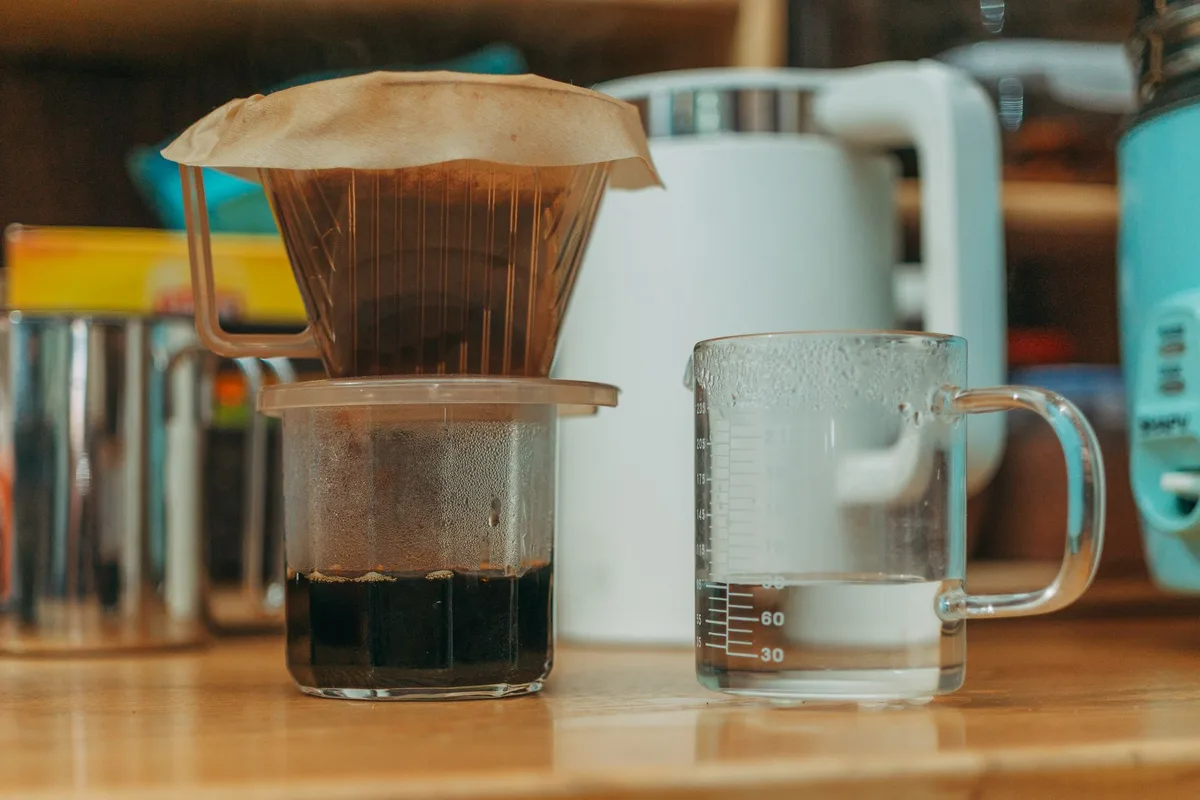
Once your filter is set up, filtering is about slow, steady pouring. Be patient; this isn't a rapid process.
- Prepare Your Charcoal: If using GAC, rinse it briefly with clean water before putting it into your filter. This removes fine dust that might otherwise come through in the first few runs.
- Pour Water Slowly: Gently pour the water you want to filter into the top of your DIY filter setup. Don't pour too fast, or you risk overwhelming the filter bed and channeling, reducing effectiveness.
- Collect Filtered Water: Position your collection container directly beneath the filter's exit point. The water will drip through the charcoal bed and collect below.
- Repeat if Needed: For poorer quality source water, running it through the filter multiple times can improve clarity and taste further.
When Charcoal Filtration Shines: Practical Use Cases
Charcoal filtering isn't a universal cure-all for water quality, but it excels in specific situations where taste and odor improvement are the primary goals.
Improving Your Tap Water's Taste
This is perhaps the most common and effective use for DIY charcoal filters. Many municipal water supplies treat tap water with chlorine to kill bacteria and viruses. While this makes the water safe, it can leave a distinctly unpleasant taste and smell. A simple activated charcoal filter can effectively adsorb much of this chlorine, resulting in water that's significantly more palatable.
General water quality standards, like those from the EPA, focus on safe levels of contaminants, but taste and aesthetic qualities are also important for user acceptance.
The Big Picture: What Charcoal Filters Can't Do
While activated charcoal is great for improving taste and odor, it's crucial to understand its limitations. It doesn't make unsafe water safe from all threats.
Why Boiling is Still Essential for Safety
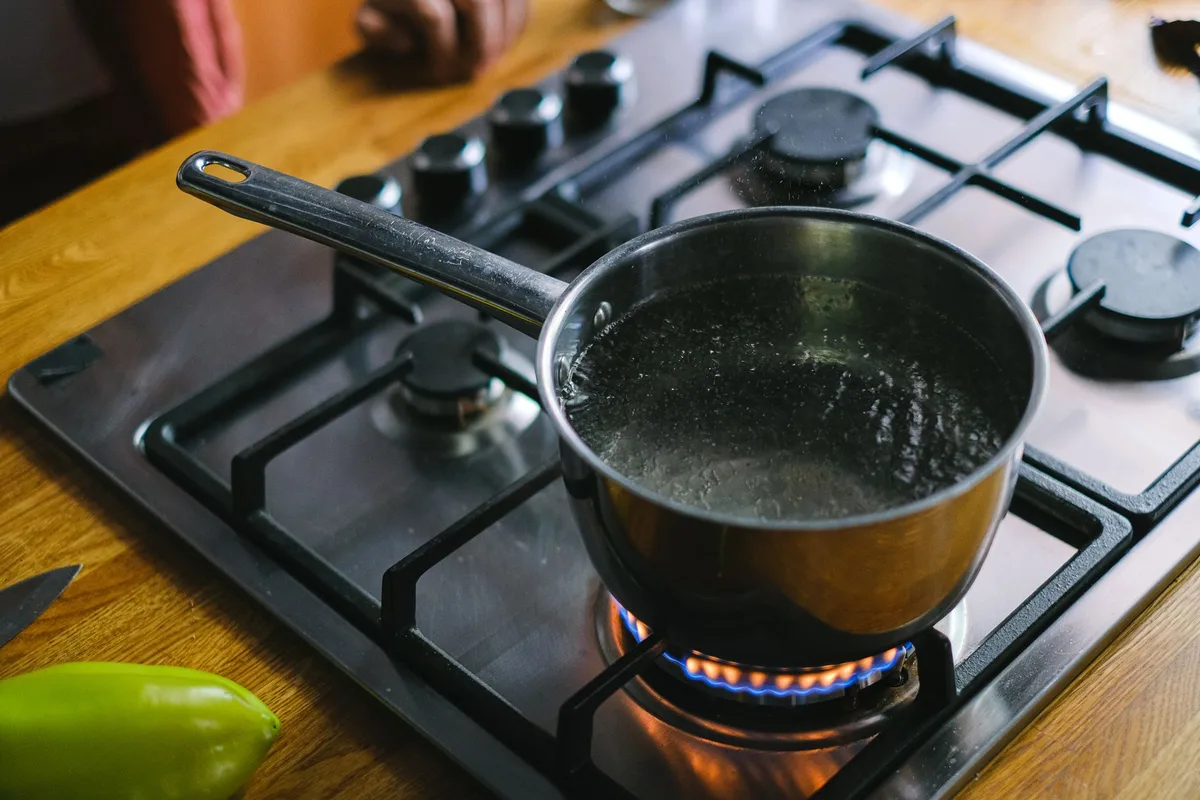
Activated charcoal does not reliably remove biological contaminants like bacteria, viruses, or parasites. If you are filtering water from a natural source like a river, stream, or pond, or if there's any doubt about the water's microbial safety, you must purify it first. Boiling water is the most reliable method for killing these harmful microorganisms. Boiling water for at least one minute (or three minutes at altitudes above 6,500 feet) is a standard recommendation from public health organizations to ensure its safety.
Charcoal filtration should only be considered a step to improve taste after purification, not as a replacement for it.
Common Mistakes to Sidestep with Charcoal Filters
When you're filtering water with charcoal, a few common pitfalls can either make your filter less effective or lead to disappointment. Understanding these can save you time and ensure you're getting the most out of this method. One mistake is assuming any charcoal will do. Using briquettes designed for grilling is a definite no-go because they contain additives unsafe for drinking.
Another frequent error is not considering the source water quality. If you're starting with water that’s visibly cloudy or smells strongly of something other than chlorine, charcoal alone might not be sufficient. It’s also easy to overlook that charcoal has a finite lifespan. It doesn't last forever and needs to be replaced to maintain effectiveness.
Do You Need to Pre-Filter?
Yes, for noticeably dirty water, pre-filtering is often a good idea. If your water has a lot of sediment, like sand or silt, letting that clog your activated charcoal quickly reduces its lifespan and can make filtering extremely slow. A simple pre-filter can be a clean piece of cloth, or layers of sand and gravel placed above the charcoal if you're building a more robust column. This initial capture of larger particles means the activated charcoal can focus on adsorbing dissolved impurities.
Knowing When Your Charcoal Needs Replacing
Activated charcoal isn't a miracle material that lasts indefinitely. Over time, its adsorption sites become clogged with impurities. When this happens, the charcoal is no longer effective at adsorbing new contaminants. Think of it like a sponge so full of dirt it can’t soak up more water.
The lifespan of your activated charcoal depends heavily on the volume of water filtered and its initial quality. Filtering heavily contaminated water saturates the charcoal faster than filtering treated tap water. As of 2026, there isn't a universal schedule, but aggregate user feedback suggests that for daily tap water use, granular activated charcoal in a home filter might need replacement every 2, 6 months. For DIY setups, you might notice a decline in taste improvement after a few weeks if you're filtering less-than-ideal water.
Expert Tips for Smarter Charcoal Water Filtering
To get the best results from your charcoal water filter, a few proactive steps can make a significant difference. It’s about maximizing efficiency and ensuring you’re really improving your water.
Optimizing Flow Rate
The speed at which water passes through your filter bed is crucial. A flow rate that’s too fast won't allow enough contact time for adsorption to work effectively. Aim for a slow, steady drip. If water runs through too quickly, you might need to adjust the filter material, perhaps by adding finer particles or more cloth layers to slow it down.
Conversely, a flow that’s too slow can be frustrating and may indicate the filter is clogged.
Storing Your Filtered Water
Once you've filtered your water, store it properly to maintain its improved quality. Use clean, airtight containers. Filtered water is often free of chlorine, a preservative in tap water, so it may not stay "fresh" tasting as long. Storing it in a cool, dark place, or refrigerating it, can help preserve its taste and prevent potential microbial growth if trace contaminants were present.
What Does "Food-Grade" Really Mean for Charcoal?
When we talk about "food-grade" activated charcoal, we’re focusing on safety for human consumption. This designation means the charcoal has been processed and tested to meet health and safety standards. Manufacturer specifications for food-grade charcoal typically confirm it is free from harmful additives, heavy metals, and other toxic substances that could leach into your water during filtration.
The primary difference from other charcoal types is the material source and activation process. Food-grade versions are usually derived from sources like coconut shells, wood, or coal, then activated using steam or chemicals under controlled conditions to maximize pore development. This ensures that when water passes through, it adsorbs unwanted impurities rather than adding new ones. Standards like those from the NSF/ANSI often govern such certifications for water treatment materials.
Comparing Charcoal Filters: DIY vs. Commercial Options
While building your own charcoal filter is cost-effective and educational, it’s helpful to understand how it stacks up against commercially available options. Your choice often comes down to convenience, the level of filtration needed, and how much you’re willing to invest.
DIY Charcoal Filter
- Pros: Very low cost. Simple to set up with common materials. Good for basic taste and odor improvement.
- Cons: Less precise filtration. Susceptible to channeling if not packed well. Limited lifespan and requires frequent replacement. Doesn’t offer warranties or certifications.
Commercial Filter Pitchers
- Pros: Convenient to use. Often certified for specific contaminant reduction (like chlorine, lead). Consistent filtration quality. Easy to replace cartridges.
- Cons: Higher ongoing cost due to replacement cartridges. Larger upfront investment. Filtration capabilities vary significantly by brand and model.
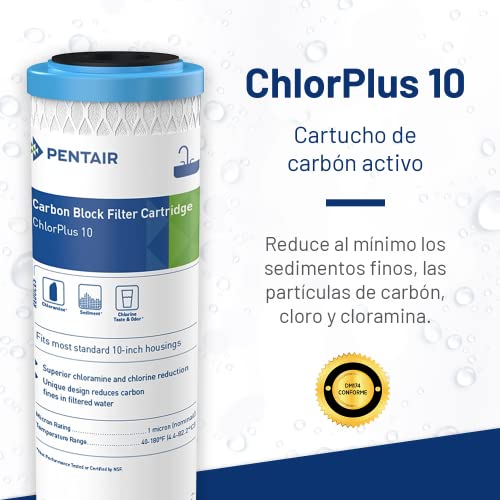
For everyday tap water improvement where safety is already established by municipal treatment, a DIY filter can be perfectly adequate. However, if you need to remove a wider range of contaminants, have specific health concerns, or prioritize convenience, a certified commercial filter might be a better fit.