How Much Does a Whole House Water Filter System Cost in 2026
When you're looking into how much does a whole house water filter system cost, the numbers can swing quite a bit. It's not a one-price-fits-all situation because the type of system, brand, and installation complexity all play a major role. Getting clean, good-tasting water throughout your home is a fantastic goal.
In our research, we found that a typical whole-house system can range from a couple of hundred dollars for a basic unit to well over two thousand for advanced configurations. Manufacturer specifications confirm that flow rate, media type, and tank capacity are key factors influencing these prices, as of 2026. Let's break down what you can realistically expect to pay.
Quick Answer: What You'll Likely Spend
For a complete whole-house water filter system installed, you're generally looking at a total investment of $500 to $2,500 or more. This includes the price of the unit itself and professional installation. A simple sediment or carbon filter might land at the lower end, while a robust water softener or a system designed to tackle multiple specific contaminants will push towards the higher end. Ongoing costs for replacement filters and maintenance are separate but crucial to consider for long-term budgeting.
Understanding Whole House Water Filter Costs: It's Not Just One Number
The sticker price you see for a whole-house water filter system doesn't tell the whole story. Several factors contribute to the final cost, and understanding these helps you make an informed decision. Think of it like building a custom PC; you have a base cost, but then you add components that drive the price up based on your needs.
These systems are designed to treat all the water entering your home, from every tap and appliance. This requires a more substantial and often complex setup than a simple pitcher filter or faucet attachment. Because of this, the initial outlay can seem significant, but it often leads to long-term savings and improved water quality.
What Type of Whole House Filter Are You Considering?
The most significant driver of cost is the type of filtration or treatment the system provides. Each category addresses different water issues and uses varying technologies, which directly impacts price.
Sediment Filters: The Basics
Sediment filters are the most straightforward and typically the least expensive. Their primary job is to remove visible particles like sand, silt, rust, and dirt. They act as a pre-filter for more complex systems, protecting them from clogging prematurely.
- Unit Cost: Generally $50 to $200.
- Key Function: Mechanical filtration of large debris.
- Best For: Homes with visibly dirty water or as a first stage in a multi-stage system.
Carbon Filters: The All-Rounders
Activated carbon filters are incredibly popular because they tackle a range of common water problems. They excel at removing chlorine, which affects taste and odor, as well as volatile organic compounds (VOCs). Many systems use granular activated carbon (GAC) or carbon block filters.
- Unit Cost: Typically $200 to $600.
- Key Function: Chemical adsorption of chlorine, VOCs, and improving taste/odor.
- Best For: Improving the palatability of municipal water and removing common chemical contaminants.
Water Softeners: Tackling Hardness
If your water has a high concentration of dissolved minerals like calcium and magnesium, it's considered "hard." Water softeners use an ion-exchange process, requiring salt, to remove these minerals. They are essential for preventing scale buildup in pipes and appliances.
- Unit Cost: Generally $500 to $2,000+.
- Key Function: Ion exchange to remove hardness minerals.
- Best For: Homes experiencing issues related to hard water, such as soap scum, dry skin, and appliance wear.
Specialty Filters (Iron, Sulfur, etc.)
For specific contaminants beyond the common ones, you might need specialty filters. Iron filters can remove dissolved iron, preventing rust stains. Sulfur filters target hydrogen sulfide, the "rotten egg" smell. These often use specialized media like oxidizing filter media.
- Unit Cost: Typically $300 to $1,000+.
- Key Function: Targeted removal of specific metallic or chemical contaminants.
- Best For: Homes with well water or specific municipal issues related to iron, sulfur, or other less common contaminants.
UV Sterilizers: For Microbial Concerns
Ultraviolet (UV) sterilizers use UV light to inactivate bacteria, viruses, and other microorganisms. They don't remove particles or chemicals but are excellent for ensuring water is microbiologically safe, often used as a final stage of treatment.
- Unit Cost: Generally $300 to $800+.
- Key Function: Inactivating biological contaminants using UV light.
- Best For: Well water or any water source where bacterial contamination is a concern.
The Big Cost Breakdown: Unit Price vs. Installation
The total amount you'll spend breaks down into two major components: the cost of the equipment itself and the labor required to install it. While a top-tier unit might seem expensive, faulty installation can render it ineffective or even cause damage.
What You'll Pay for the Filter Unit Itself
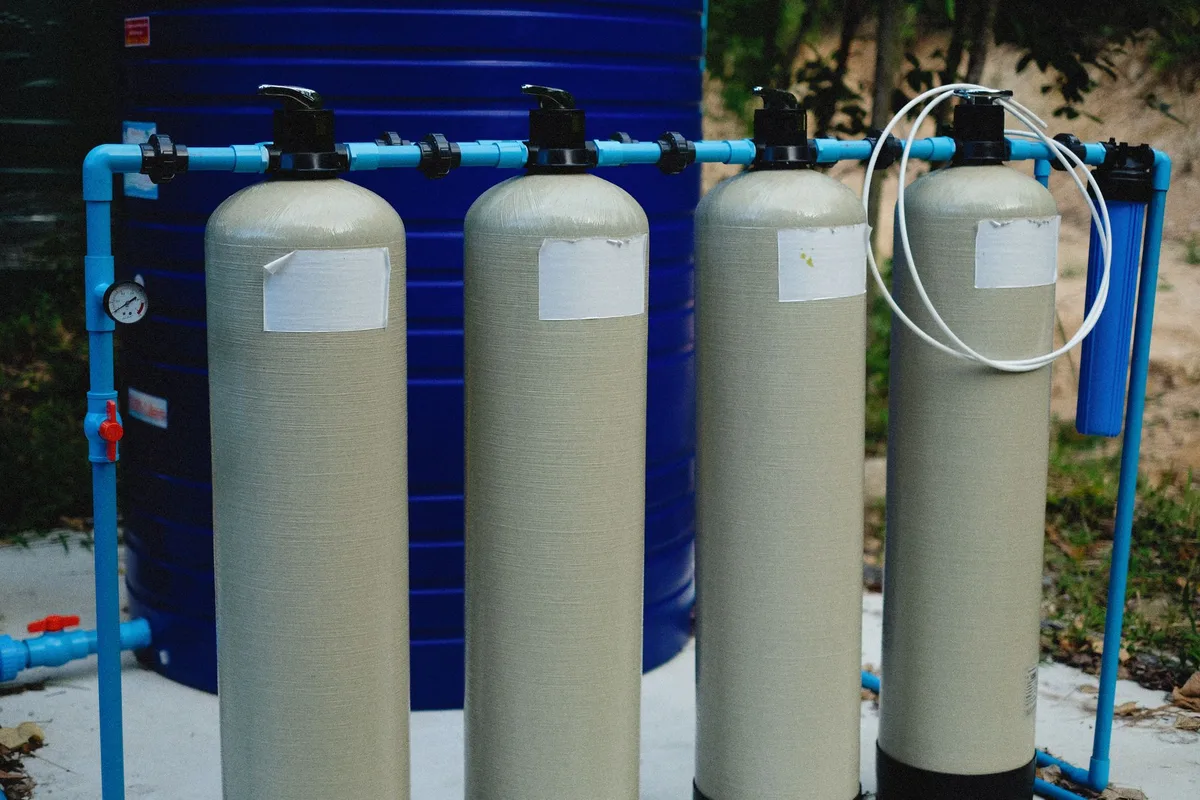
The price of the filter hardware varies wildly based on the type, brand, capacity, and features. As of 2026, you can find basic sediment filter housings for under $100, while high-capacity, multi-stage systems with advanced controls or specialized media can easily cost $1,000 to $2,500 or more.
- Basic Sediment Filters: $50, $200
- Standard Activated Carbon Filters: $200, $600
- Water Softeners (Salt-Based): $500, $2,000+
- Specialty Media Filters (Iron/Sulfur): $300, $1,000+
- UV Sterilizers: $300, $800+
- Combination Systems: $600, $2,500+
These figures are for the units alone. Remember to check what's included; some systems come with initial filters, while others require you to purchase them separately.
Installation Costs: The Plumber's Bill
This is a critical part of the overall expense that many people underestimate. Installing a whole-house water filter typically requires a licensed plumber because it involves cutting into your main water line. The complexity of your existing plumbing, the type of system being installed, and your location all influence the labor costs.
When you buy a water softener or a multi-stage filtration system, professional installation is almost always recommended.
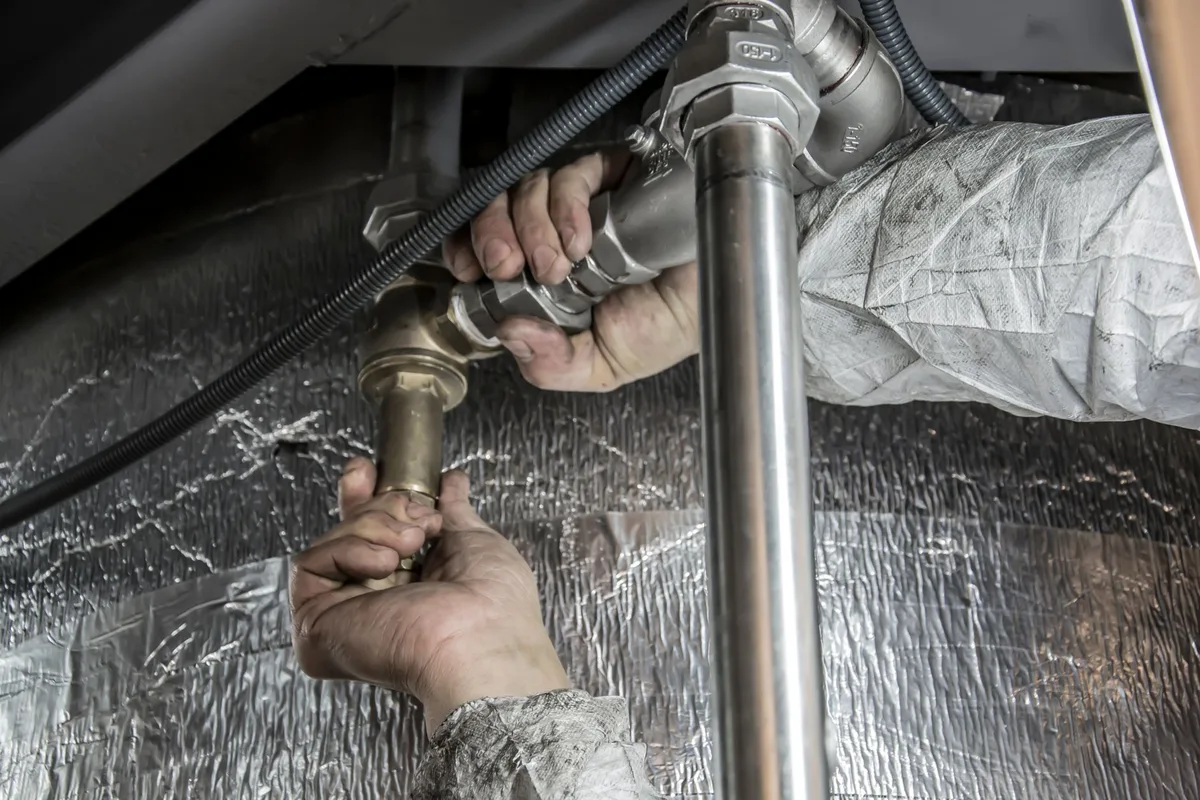
- Plumber's Hourly Rate: This can range from $60 to $150+ per hour, depending on your region and the plumbing company.
- Job Duration: A simple single-stage filter installation might take 2-3 hours. A complex water softener or a multi-stage system requiring significant pipe work could take 4-8 hours or more.
- Additional Materials: You might need extra fittings, valves, or pipe to complete the installation, adding to the cost.
- Bypass Valve: Many plumbers recommend installing a bypass valve as part of the setup. This allows you to isolate the filter for maintenance without shutting off water to your entire house, which can add to installation time and cost but is a valuable feature.
Aggregate user reviews indicate that installation fees for whole-house systems often range from $200 to $1,000 or even higher for more involved jobs. Always get itemized quotes from at least two or three reputable plumbers before committing.
Ongoing Expenses: What to Budget For After Installation
The initial purchase and installation are just the beginning. To keep your whole-house water filter system running effectively, you'll need to account for regular maintenance and replacement parts. These ongoing costs are vital for ensuring continued water quality and system longevity.
Replacement Filters and Media
This is your most frequent recurring expense. Different filter types have different lifespans.
- Sediment Filters: Often need replacing every 3-6 months, depending on water quality and usage.
- Activated Carbon Filters: Typically last 6-12 months.
- Specialty Media: Can last anywhere from 1-5 years, depending on the contaminant loading and type of media.
- UV Bulbs: UV sterilizer bulbs usually need replacing annually.
The cost of replacement filters can vary significantly. A multi-pack of sediment filters might cost $20-$50, while a high-capacity carbon filter or specialized media cartridge could be $50-$200 or more each time. For a typical household, budget $50 to $200+ per year for filter replacements alone.
Salt for Water Softeners
If you opt for a salt-based water softener, you'll need a continuous supply of water softening salt. The amount you use depends on your water's hardness level and your household's water consumption. A typical mid-sized home might use 1-2 bags of salt per month. Salt prices can fluctuate, but budgeting $50 to $150 per year for salt is a reasonable starting point.
System Maintenance
While many whole-house filters are designed for low maintenance, occasional check-ups are recommended. This could involve professional servicing to ensure the system is operating at peak efficiency, checking for seals, or verifying flow rates. Some manufacturers might suggest annual professional inspections to catch potential issues early. This type of service could add anywhere from $100-$300 to your annual budget, though many systems require minimal upkeep beyond filter changes.
Factors That Seriously Hike Up the Price
Beyond the basic unit and installation fees, several other elements can significantly increase the total cost of a whole-house water filter system. It's wise to be aware of these potential additions and ensure your chosen system truly meets your needs without unnecessary complexity.
System Features and Brand Reputation
High-end brands often command higher prices due to perceived quality, longer warranties, or advanced features. Systems with digital displays, Wi-Fi connectivity for remote monitoring, automatic backwashing capabilities, or multi-stage filtration packed into a single unit will naturally cost more than simpler, manual models. For example, a system incorporating sediment, carbon, and UV filtration in one housing will be more expensive upfront than buying individual components separately.
Plumbing Challenges and Modifications
The cost isn't just the filter itself; it's how it integrates into your home's existing plumbing. If your main water line is in a tight, difficult-to-access location, such as a crawl space or a cramped utility closet, installation will take longer, and thus, cost more in labor. Sometimes, existing plumbing might not be up to standard (e.g., old galvanized pipes) and might need upgrading to accommodate the new system, adding a significant expense. A plumber might need to add new piping, valves, or even modify the structural layout.
Water Testing: Why It Influences Your Choice
While not a direct cost of the filter system itself, a water quality test is an essential precursor that indirectly impacts your spending. Testing can reveal specific contaminants such as high levels of iron, lead, chlorine, or particular bacteria that a generic filter might not adequately address. Based on these results, you might need to invest in a more specialized or multi-stage system, like an iron filter or a UV sterilizer in addition to a carbon filter, which will increase the overall cost. Skipping the test could lead you to buy an insufficient system or an overly complex one, both of which are not cost-effective.
Putting It All Together: Realistic Total Costs
So, when you roll everything into one realistic price tag, what does it look like? The total investment for a whole-house water filter system, including installation, really depends on the level of treatment and the system's complexity.
Basic Systems on a Budget
If your primary concern is removing common sediment and chlorine for better taste and odor, you might lean towards simpler systems. This could involve a single-stage sediment filter followed by an activated carbon filter.
- Unit Cost: $250, $700
- Installation Cost: $200, $500
- Total Estimated Cost: $450, $1,200
- Annual Ongoing Costs: $75, $250 (filters, salt if applicable)
Mid-Range All-Around Solutions
For a robust solution tackling a broader range of issues, including improved taste, odor, chlorine reduction, and basic sediment removal, a higher-quality carbon system or a basic multi-stage unit fits here.
- Unit Cost: $600, $1,500
- Installation Cost: $300, $700
- Total Estimated Cost: $900, $2,200
- Annual Ongoing Costs: $100, $300 (filters, salt if applicable)
Premium and Specialized Systems
If you have specific water challenges like hard water, significant iron content, or concerns about biological contaminants (especially with well water), you'll be looking at more advanced systems. This could be a water softener, a dedicated iron filter, or a multi-stage system with UV sterilization.
- Unit Cost: $1,000, $2,500+
- Installation Cost: $500, $1,000+
- Total Estimated Cost: $1,500, $3,500+
- Annual Ongoing Costs: $150, $400+ (filters, salt, UV bulb replacement)
Common Mistakes That Can Cost You More
Choosing the wrong whole-house water filter system or overlooking critical installation details can lead to unexpected expenses and underperformance down the line. One of the most common errors is not testing your water first. Without knowing your specific contaminants, like high iron levels or excessive hardness, you might buy a system that doesn't fix your real problem, rendering your investment ineffective.
Another frequent mistake is underestimating installation complexity. A plumber who charges less might do a rushed job or not install a crucial bypass valve, leading to future headaches and higher maintenance costs. Similarly, ignoring the ongoing costs of replacement filters can lead to sticker shock later. Skipping these maintenance steps is also a mistake; clogged filters reduce water flow and can strain your plumbing.
Expert Tips for Getting the Best Value
To ensure you get the most bang for your buck and a system that truly benefits your home, focus on a few key areas. Start by verifying your water quality with a professional test. This targeted approach means you buy a system designed for your specific needs, avoiding overspending on unnecessary features.
When budgeting, always factor in the total cost of ownership, not just the upfront price. Research the lifespan and cost of replacement filters and any other consumables like salt. Also, get multiple quotes for installation from licensed plumbers who have experience with whole-house systems and ask them specifically about including a bypass valve. Finally, choose reputable brands known for durability and good customer support, as they often offer better long-term value and peace of mind.
Final Thoughts: Making the Investment for Your Water
Investing in a whole-house water filter system is a significant decision that impacts your home's water quality for years to come. While the initial outlay can range from a few hundred to several thousand dollars, understanding the breakdown of unit costs, installation fees, and ongoing maintenance is key to making a sound financial choice. Systems range from basic sediment filters for under $200 to comprehensive units including water softeners or UV sterilizers costing upwards of $2,000. Installation by a professional plumber typically adds another $200 to $1,000, depending on the complexity.
Remember to budget for recurring expenses like replacement filters, which can add $50-$300 annually. By carefully assessing your water quality, researching system types, and factoring in all associated costs, you can select a system that provides clean, safe, and great-tasting water for your entire household.