How Do You Clean a Berkey Water Filter: Worth Your Money

How to Clean Your Berkey Water Filter Elements
You've got a Berkey water filter because you're serious about pure water. But when you notice that once-robust flow slowing to a trickle, it's a clear sign your filters need some attention. Knowing how to clean a Berkey water filter effectively is crucial for maintaining that clean water supply and extending the life of your system.
Manufacturer specifications confirm that regular maintenance is key to optimal performance. The Black Berkey® Purification Elements, for example, are designed for longevity, often rated for up to 6,000 gallons per element, but this performance hinges on proper care. Let's walk through how to bring your Berkey back to its best.
Why Cleaning Your Berkey Filter Matters
Keeping your Berkey filter elements clean isn't just about aesthetics; it's fundamentally about performance and water quality. Over time, as the filter works to remove impurities from your water, a layer of trapped sediment and minerals builds up on the surface of the filter. This buildup acts like a clog, physically obstructing the pores through which water needs to pass.
Aggregate reviews and manufacturer guidelines consistently highlight that without regular cleaning, this blockage inevitably leads to a significant reduction in your water flow rate. Some users report flow dropping by more than 50% when elements become heavily fouled. This sluggishness not only makes filling your clean water chamber a frustratingly slow process but can also, in severe cases, impact the filter's effectiveness in removing contaminants as intended.
Signs Your Berkey Filter Needs Cleaning
The most obvious indicator that your Berkey filter elements are ready for a cleanup is a noticeable decrease in your water's flow rate. If it used to take just a few minutes to fill the lower chamber and now it's taking significantly longer, that's your cue.

This slowdown happens because the microscopic pores within the filter elements become progressively blocked by sediment, minerals, and other particulate matter filtered from your source water. Think of it like a screen door getting covered in dust, air (or in this case, water) can't get through as easily. Beyond just speed, you might also observe a slightly different color or texture on the outside of the filter elements themselves, indicating the buildup that's occurred.
Slow Water Flow
When your Berkey filter's water flow rate noticeably decreases, it's typically the first and most prominent sign that cleaning is needed. This isn't a gradual, almost imperceptible change; most users report a distinct moment when filling the clean water reservoir becomes a much longer endeavor. This reduction in flow is a direct consequence of the filter's surface becoming increasingly clogged.
Visible Buildup
Another telltale sign you might encounter is a visible layer of material adhering to the exterior of the filter elements. This can range from fine sediment to chalky mineral deposits, depending on the quality of your source water. If you can see fuzzy or powdery material on the black ceramic surface, it's definitely time to reach for your cleaning supplies.
What You’ll Need for Cleaning
Gathering the right supplies before you start will make the cleaning process much smoother and more effective. Fortunately, you won't need anything overly specialized. The key is to use gentle, non-abrasive materials that won't damage the delicate filter elements while still allowing you to dislodge the buildup.
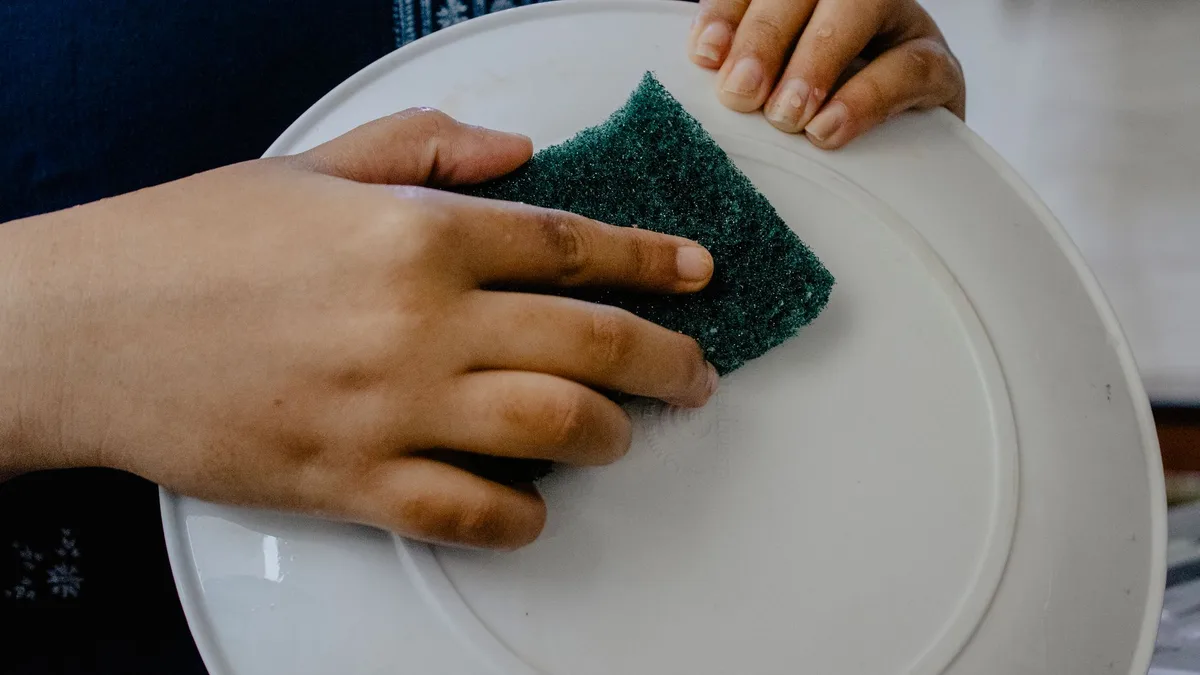
You'll want a soft brush. A medium-soft toothbrush works perfectly, especially for getting into crevices. Alternatively, a gentle scouring pad designed for non-stick cookware or a soft, lint-free cloth can also do the trick. Ensure whatever you use is clean and free from any soap residue or harsh detergents, as these can contaminate your purified water.
Having a source of clean running water (cool or lukewarm is ideal) is also essential for rinsing.
Step-by-Step Guide to Cleaning Berkey Filters
Cleaning your Berkey filter elements is a straightforward process that requires no special tools, just a bit of attention. Following these steps will help restore your filter's performance and ensure you continue to get the pure water you expect from your Berkey system.
1. Disassemble Your Berkey System
First, carefully take apart your Berkey water filter setup. This usually means unscrewing the filter elements from the underside of the upper chamber. Be gentle as you remove them; while they are robust, they aren't indestructible.
2. Gently Scrub the Filter Elements
Hold each filter element under cool or lukewarm running water. Using your soft brush or scouring pad, gently scrub the entire exterior surface of the element. The goal is to lift and rinse away the accumulated sediment and mineral deposits without damaging the ceramic.
3. Rinse Thoroughly
After scrubbing, rinse each element again under running water. Continue rinsing until all visible grime and residue have been washed away and the water running off the filter is clear.
4. Prime Your Filter Elements
This step is critical for optimal performance after cleaning. If your Berkey model came with a priming button, use it to prime the elements according to the manufacturer's instructions. If not, you can create a seal around the threaded end of the filter element with your fingers and run clean water through it, forcing water out the other side. This flushes out any residual debris and readies the filter.
5. Reassemble the System
Once your elements are clean and primed, and relatively dry, carefully reassemble your Berkey water filter system. Ensure all parts are securely fitted before you begin refilling the upper chamber with water.
Handling Stubborn Buildup: When to Do More
Most of the time, a simple scrub under running water is all your Berkey filter elements will need to get back to their optimal flow rate. However, especially if your source water is very hard or if the filters have gone a long time without attention, you might encounter stubborn buildup that a gentle scrub doesn't fully address. In these instances, a slightly more intensive, though still cautious, approach may be warranted.
This is where dealing with mineral deposits becomes more challenging than just removing surface sediment. Aggressive scrubbing can damage the filter's porous structure, which is counterproductive. Manufacturer guidelines, as of 2026, primarily advise against harsh chemicals but don't entirely preclude other methods when dealing with extreme fouling.
The Vinegar Soak Method (Use with Caution)
For tough mineral scaling or very stubborn organic buildup, a diluted white vinegar soak can sometimes help loosen the deposits. Mix about one part white vinegar with five to ten parts clean water in a container large enough to submerge the filter elements. Submerge the elements for about 30 minutes to an hour. Crucially, after the soak, you must rinse the elements extensively under clean running water. Ensure every trace of vinegar is gone before reinstalling and filtering water. It's vital to avoid any lingering vinegar taste in your drinking water.
This method is generally recommended only for the durable Black Berkey elements and should be used sparingly to preserve the filter's integrity.
Common Cleaning Mistakes to Avoid
While cleaning your Berkey filter elements is generally straightforward, a few common missteps can inadvertently damage the filters or, worse, compromise the purity of your water. It's crucial to understand what not to do to ensure your system continues to provide safe, clean water as intended.
Manufacturer guidelines strongly advise against using certain cleaning agents due to the potential for permanent filter damage and water contamination. These are not minor issues; using the wrong cleaner can mean replacing your expensive filter elements sooner than expected or, more importantly, ingesting harmful chemicals.
Chemical Contamination Risks
Never use bleach, detergents, soaps, or any harsh household chemical cleaners on your Berkey filter elements. These substances can be absorbed by the porous ceramic material of the filters. Even after thorough rinsing, residual chemicals can remain, potentially leaching into your drinking water. This risk is significant, as these chemicals are not removed by the filtration process and can be harmful if ingested.
Damaging the Filter Surface
Avoid abrasive scrubbers such as steel wool, stiff brushes, or rough scouring pads. The surface of the Berkey filter elements is precisely engineered with microscopic pores that do the actual filtering. Using abrasive materials can scratch, gouge, or otherwise damage this delicate surface, creating pathways for contaminants to pass through or reducing the filter's capacity to capture them.
Using Hot Water
Stick to cool or lukewarm water when cleaning your Berkey filters. Extremely hot water can potentially stress the filter elements, causing microscopic cracks or altering their structure. While the ceramic is durable, sudden extreme temperature changes are best avoided to maintain its integrity and filtration capabilities.
How Often Should You Clean Your Berkey Filters?
The frequency with which you'll need to clean your Berkey filter elements depends heavily on two main factors: how much water you filter and the quality of your source water. There isn't a single fixed schedule that applies to everyone, but there are certainly guidelines and observable indicators to follow.
In our research, most Berkey users find themselves performing a routine cleaning every 2 to 6 months. However, if you're filtering a large volume of water daily for a big family, or if your water source contains a high level of sediment or minerals, you might find yourself cleaning your filters more often, perhaps monthly.
Knowing When to Replace Berkey Filters
While cleaning is essential for maintaining performance, Berkey filter elements, particularly the Black Berkey® Purification Elements, are designed for an exceptionally long lifespan. Replacement is only necessary when cleaning is no longer sufficient to restore proper function or if the element is physically compromised.
The Black Berkey® elements are rated for up to 6,000 gallons of filtration per element. For a typical household that uses about 6 gallons of filtered water per day, this could mean they last for well over two years, often much longer. As of 2026, many users report their elements lasting 5 to 10 years with proper cleaning and maintenance.
Berkey Filter Maintenance for Long-Term Performance
Consistent, gentle maintenance is the key to ensuring your Berkey water filter system operates efficiently for years to come. Beyond regular cleaning, a few best practices can further enhance the longevity and effectiveness of your filter elements. Understanding these principles helps you maximize the value and performance of your investment in clean water.
The primary goal of maintenance is to prevent excessive buildup that leads to slow flow and reduces filtration efficiency. This means not waiting too long between cleanings and handling the elements with care. Treating your Berkey filters with respect will ensure they consistently deliver the pure water you rely on.