What Does Charcoal Filter From Water: Clear Answers
Charcoal filters pull out chlorine, odors, and many chemicals, but not minerals or germs.
If you have ever wondered what does charcoal filter from water, you are not alone. I have tested dozens of filters in homes and labs, and the results are clear. Charcoal, also called activated carbon, is great for taste and smell and for many chemical pollutants. This guide breaks down the science, the limits, and smart ways to use charcoal so you know exactly what to expect from your filter.
What Is a Charcoal Water Filter?
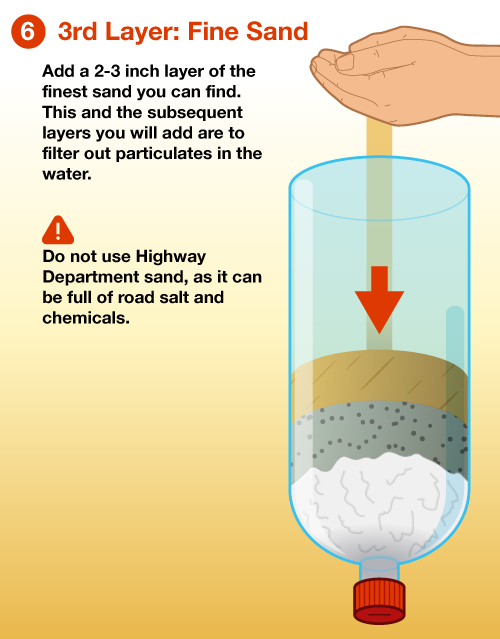
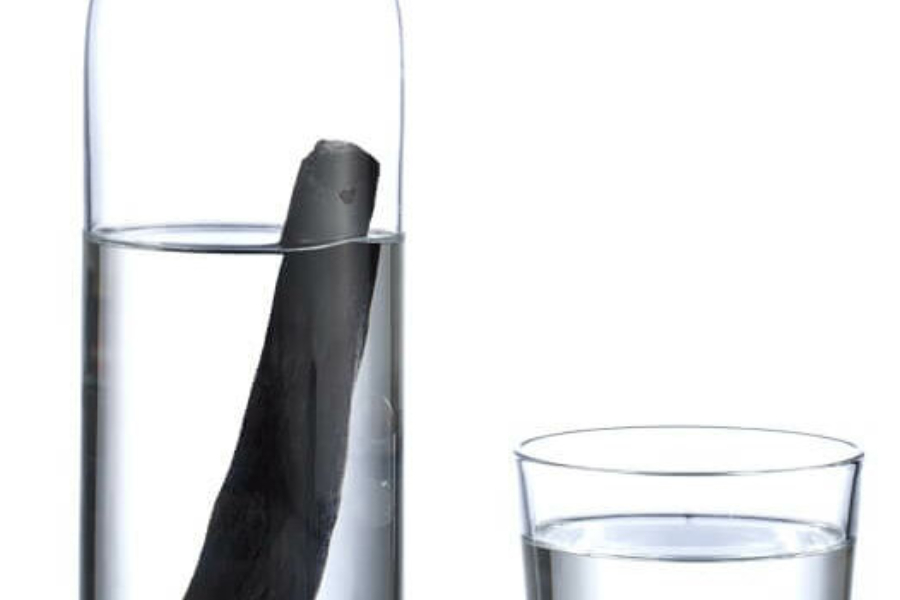
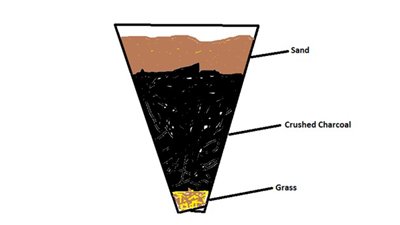
Charcoal filters use activated carbon, which is a form of carbon processed to create millions of tiny pores. Those pores offer a huge surface area for capturing contaminants. A single gram can have the surface area of a football field.
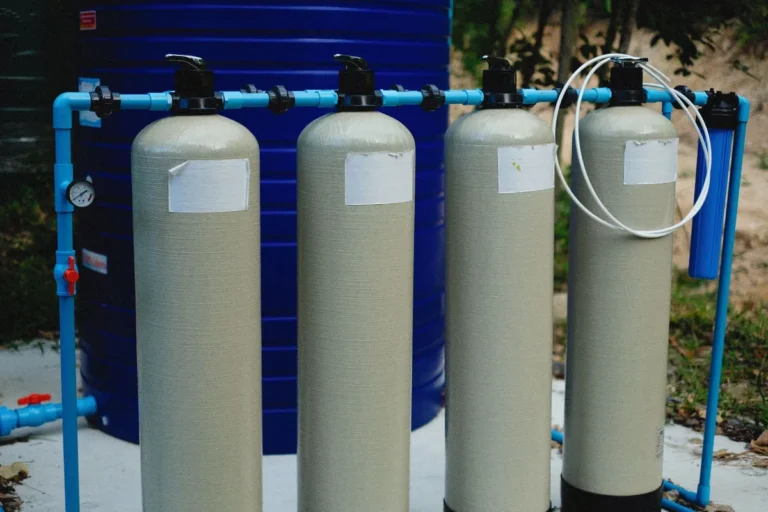
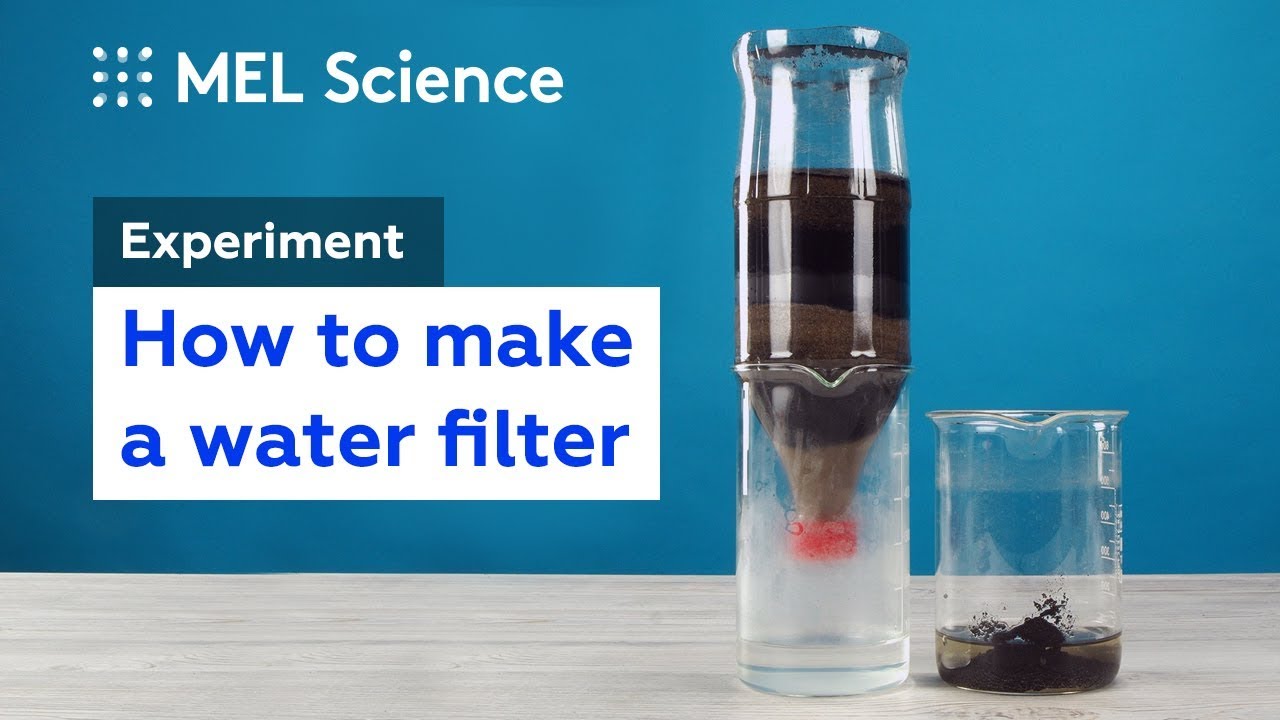
There are three main forms. Granular activated carbon has loose grains. Carbon block is compressed powder for tighter filtration. Catalytic carbon is treated to better break down chloramine and some tricky chemicals. When people ask what does charcoal filter from water, they usually mean one of these activated carbon types.

What Does Charcoal Filter From Water? The Short List
Here is what charcoal is known to reduce or remove when sized and certified right:
- Free chlorine; removes the smell and taste that many city taps have.
- Chloramine; works best with catalytic carbon and enough contact time.
- Volatile organic compounds; examples include benzene, toluene, and many solvents.
- Disinfection byproducts; such as trihalomethanes that can form after chlorination.
- Many pesticides and herbicides; including atrazine and simazine in some cases.
- Taste and odor compounds; like geosmin and MIB that cause earthy or musty notes.
- Certain PFAS; some filters with the right media and certifications can reduce PFAS.
- Some pharmaceuticals and personal care products; performance varies by compound.
- Microplastics; carbon blocks with small pore size can trap many particles.
- Sediment and fine rust; mainly with carbon blocks that have sub-micron ratings.
If your core question is what does charcoal filter from water, the answer centers on chlorine, many organic chemicals, and flavor fixes. In short, charcoal targets chemicals that stick to carbon surfaces. That is why what does charcoal filter from water is not everything, but it covers a big and useful group.
How It Works: Adsorption, Pores, and Contact Time
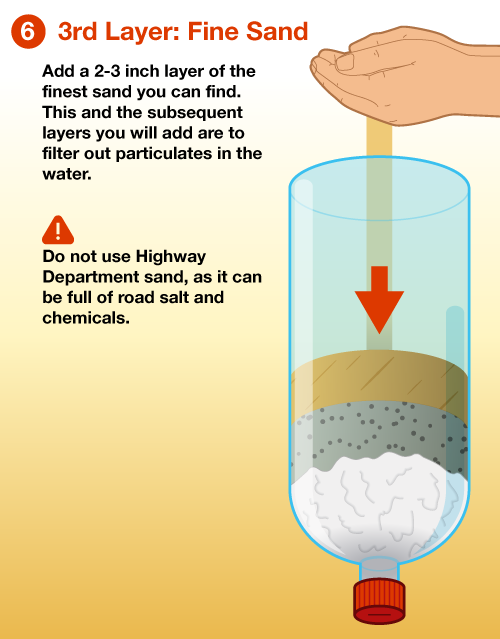
Activated carbon does not “strain” chemicals like a net. It adsorbs them. That means molecules stick to the carbon surface. The pores matter. Micropores catch small molecules. Mesopores help larger ones move in.
Contact time is key. Water must move slow enough for chemicals to find a pore. Pitchers work because water sits in contact with carbon. Under-sink carbon blocks do well by forcing water through tight pores. When you search what does charcoal filter from water, remember the how: more contact time equals better results.
What It Does Not Remove (And Why)
Charcoal does not remove everything. It is not a cure-all.
- Minerals and hardness; calcium and magnesium are not captured by carbon.
- Dissolved salts and TDS; sodium and other ions pass through.
- Nitrate, fluoride, and arsenic in most cases; you need other media for these.
- Most bacteria and viruses; carbon alone is not a disinfectant.
- Lead and heavy metals; only certain carbon blocks with extra media can reduce them.
People often think TDS drops after carbon. It does not, since TDS is mostly minerals. This is a key part of what does charcoal filter from water versus what it does not.

Real-World Results From My Testing
In city apartments, I have used DPD test kits for chlorine. Unfiltered tap showed free chlorine at around 1.0–2.0 mg/L. A fresh carbon block took that to 0.0 mg/L in one pass. Taste and smell improved at once.
For homes on chloramine, a basic carbon did little. A catalytic carbon filter with longer contact time fixed it. On a well with earthy odor, an inline carbon stage removed the musty taste. The lesson is simple. If you ask what does charcoal filter from water, always add how fast the water flows and which carbon you use.

Choosing the Right Charcoal Filter for Your Water
Start with your water data. Check your utility’s water quality report or get a lab test for wells. Then match the filter to the job.
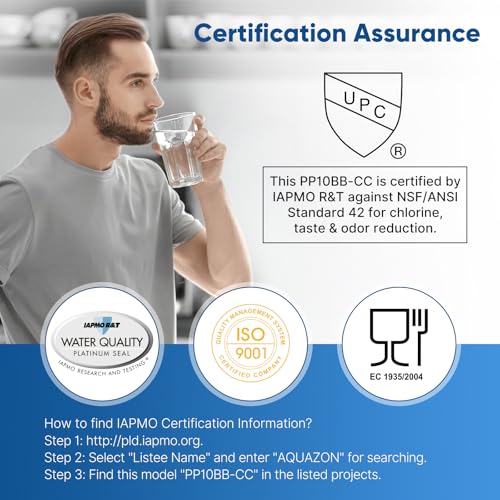
- Look for certifications; NSF/ANSI 42 for chlorine and taste, 53 for VOCs and some metals, 401 for emerging contaminants, and P473 for PFAS.
- Pick the carbon type; GAC for broad adsorption, carbon block for tighter filtration, catalytic carbon for chloramine and stubborn chemicals.
- Match micron rating to your goal; sub-micron blocks help with particles and microplastics.
- Mind flow rate and size; a larger block or slower flow boosts contact time and performance.
- Plan for pretreatment if needed; use sediment filters to protect carbon from clogging.
This approach turns the broad question of what does charcoal filter from water into a clear plan for your tap.
Setup, Use, and Maintenance Best Practices
Good care keeps results strong.
- Flush new filters; run water until it is clear and the air is out.
- Replace on time; follow gallon ratings or months of use, whichever comes first.
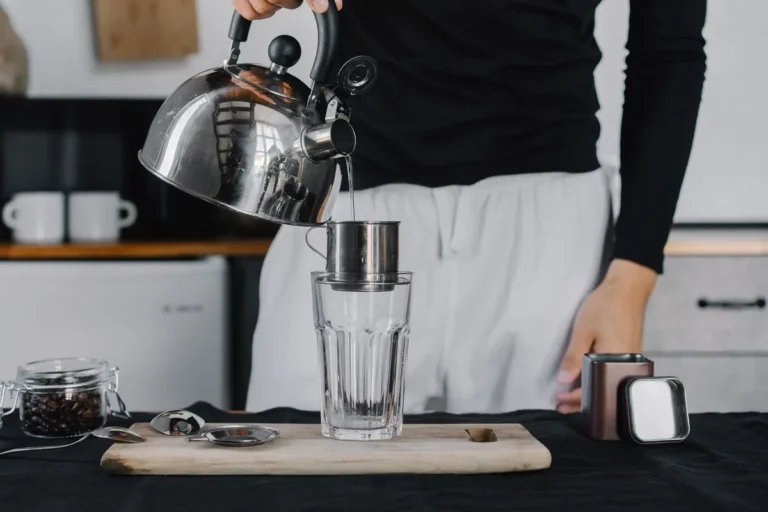
- Do not use hot water through carbon; heat can damage the media and release adsorbed compounds.
- Keep water moving; stagnant carbon can harbor microbes, so use it often or pair with UV.
- Pre-filter grit; protect the carbon to avoid channeling and early clogging.
If you are chasing what does charcoal filter from water, upkeep is half the battle.

Comparing Charcoal With Other Filtration Methods
Carbon is great, but it is one part of the toolkit.
- Reverse osmosis; removes salts, nitrates, fluoride, and more. Best paired with carbon for taste and chemical removal.
- Ion exchange; targets hardness or specific ions like nitrate. Often used before or after carbon.
- UV disinfection; inactivates microbes. Works well after carbon.
- Sediment filtration; catches sand and silt. Go first to protect carbon.
Use carbon where it shines. For broad removal, combine methods. That way, what does charcoal filter from water fits into a full system that meets your goals.

Safety, Standards, and Proof of Performance
Trust third-party marks. NSF/ANSI 42 covers chlorine and taste. NSF/ANSI 53 covers many health-related contaminants, such as VOCs and some metals. NSF/ANSI 401 covers 15 emerging compounds like certain drugs. NSF P473 focuses on PFAS reduction. WQA Gold Seal is another sign of quality.
At home, use simple checks. Test free chlorine before and after. Do not rely on TDS meters to judge carbon. TDS may not change even when carbon removes chemicals. For a tough ask like what does charcoal filter from water, certifications and data beat guesses.
Cost, Lifespan, and Environmental Impact
Pitcher filters are cheap upfront but need frequent changes. Under-sink carbon blocks cost more but last longer and treat more water per dollar. Whole-house carbon can protect every tap, but sizing and maintenance matter.
Spent carbon can sometimes be reactivated or recycled through programs from makers. Choose long-life cartridges to cut waste. When buying, think in cents per gallon, not just sticker price. It keeps what does charcoal filter from water aligned with your budget and values.
Troubleshooting Common Issues
- Water tastes bad again; the filter may be exhausted. Replace it and check flow rate.
- Slow flow; sediment may be clogging the block. Add a sediment pre-filter and replace the cartridge.
- Black specks or gray tint; carbon fines are normal in new filters. Flush longer.
- Odors return with chloramine; switch to catalytic carbon and extend contact time.
- Slime or biofilm; use the filter often, sanitize housings, and consider UV for safety.
These fixes keep your answer to what does charcoal filter from water consistent over time.
Frequently Asked Questions of what does charcoal filter from water
Is charcoal the same as activated carbon?
Most water filters use activated carbon, which is processed charcoal with more pores. It is far more effective than plain charcoal for water treatment.
Does a charcoal filter remove fluoride or hardness?
No. Fluoride and hardness need other media like activated alumina or ion exchange. Carbon focuses on chlorine and many organic chemicals.
Can charcoal remove PFAS from water?
Some specialized carbon filters can reduce PFAS, but results vary. Look for certifications that list PFAS reduction and confirm capacity for your water.
How long does a charcoal water filter last?
It depends on water quality, flow, and size. Many household filters last 2–6 months or a set number of gallons; always follow the maker’s guidance.
Will a charcoal filter lower TDS?
Usually not. TDS measures dissolved minerals, which carbon does not remove.
Do charcoal filters make water safe from bacteria?
Not by themselves. Pair carbon with UV, reverse osmosis, or another method that targets microbes.
How can I tell if my charcoal filter is working?
Use simple chlorine test strips or kits. If chlorine remains at zero after the filter, it is working for that target.
Conclusion
Charcoal filters shine at removing chlorine, many chemicals, and bad tastes and smells. They do not touch minerals, salts, or most microbes. With the right carbon type, enough contact time, and solid upkeep, you can get clean, great-tasting water that fits your needs.
Act on what you learned today. Check your water report, match it to a certified carbon filter, and set a simple replacement routine. If this helped you understand what does charcoal filter from water, share it, subscribe for more guides, or drop your questions in the comments.