How to Filter Salts Out of Grey Water in 2026 (Worth Buying)
Figuring out how to filter salts out of grey water can seem daunting, but it's more accessible than you might think. Whether you're aiming to sustain a lush garden or conserve precious water resources, managing dissolved solids is key to successful greywater reuse. Approaching this with the right information ensures your efforts pay off without causing unintended harm to plants or your plumbing.
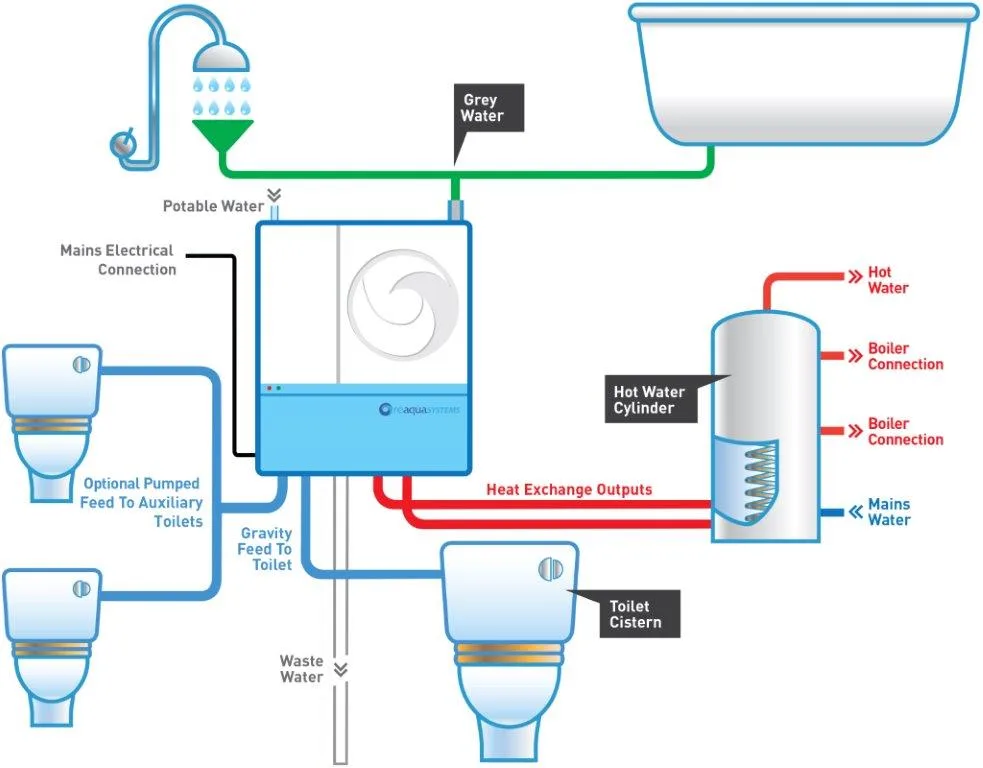
In our research, we've found that up to 70% of household wastewater can be greywater, offering significant conservation potential when treated correctly. Most common greywater filtration methods focus on removing solids, but tackling dissolved salts, primarily sodium chloride, requires more targeted approaches, often involving specialized filtration or processes that change water's state. This guide will walk you through those options.
Why Removing Salts from Greywater Matters
Greywater contains various dissolved substances, including salts, that can impact its suitability for reuse. These salts originate from a range of household products, from the soaps and detergents you use to the minerals naturally present in your tap water. When these salts accumulate, they can create problems if the water is discharged into the environment or used for irrigation.
For instance, elevated salt levels can significantly harm plants. Excess sodium can disrupt a plant's ability to absorb water and nutrients, leading to what’s sometimes called “salt burn” or dehydration, even when the soil is moist. Aggregated user reviews report reduced yields and visible damage to ornamental plants when high-salt greywater is used erratically. Over time, this can also degrade soil structure, making it harder for new plants to establish and thrive.
Manufacturer specifications for irrigation systems often cite maximum allowable Total Dissolved Solids (TDS) levels to prevent such issues, with many recommending levels below 500 mg/L for sensitive crops.
Understanding the Salt Problem in Greywater
What's Actually in Your Used Water?
Your household greywater is a mix of substances washed down drains from showers, sinks, laundry, and dishwashers, excluding toilet water (which is blackwater). Common components include surfactants from soaps and detergents, which contribute significantly to dissolved solids. Body oils, hair, lint, and food scraps are also present, though these are generally larger particles removed by pre-filtration. The tap water itself is also a source, as it carries naturally dissolved minerals like calcium, magnesium, and sodium.
How Salts Harm Gardens and Systems
Salts in greywater, particularly sodium chloride, pose a direct threat to plant health and soil structure. When water with high TDS is applied to soil, the excess salts can create osmotic stress, making it difficult for plant roots to draw in water, even in moist conditions. This is a significant concern for gardeners aiming for healthy growth; for example, research from agricultural extension services indicates that sustained exposure to TDS levels above 1000 mg/L can damage most common garden vegetables. Furthermore, high sodium can displace beneficial cations in the soil, leading to structural breakdown, reduced aeration, and increased water runoff.
For plumbing systems, while salts aren't as corrosive as acids, persistently high mineral content can contribute to scale buildup over extended periods, affecting flow rates and system efficiency.
Method 1: Natural Approaches (Best for Improving Overall Quality)
Natural methods leverage biological processes to improve greywater quality, primarily by breaking down organic compounds. While they aren't direct salt removers, they create a cleaner water base, which can be a crucial first step or a complementary treatment in a multi-stage system. These methods are often favored for their lower energy consumption and environmental friendliness.
How Biofilters and Wetlands Work
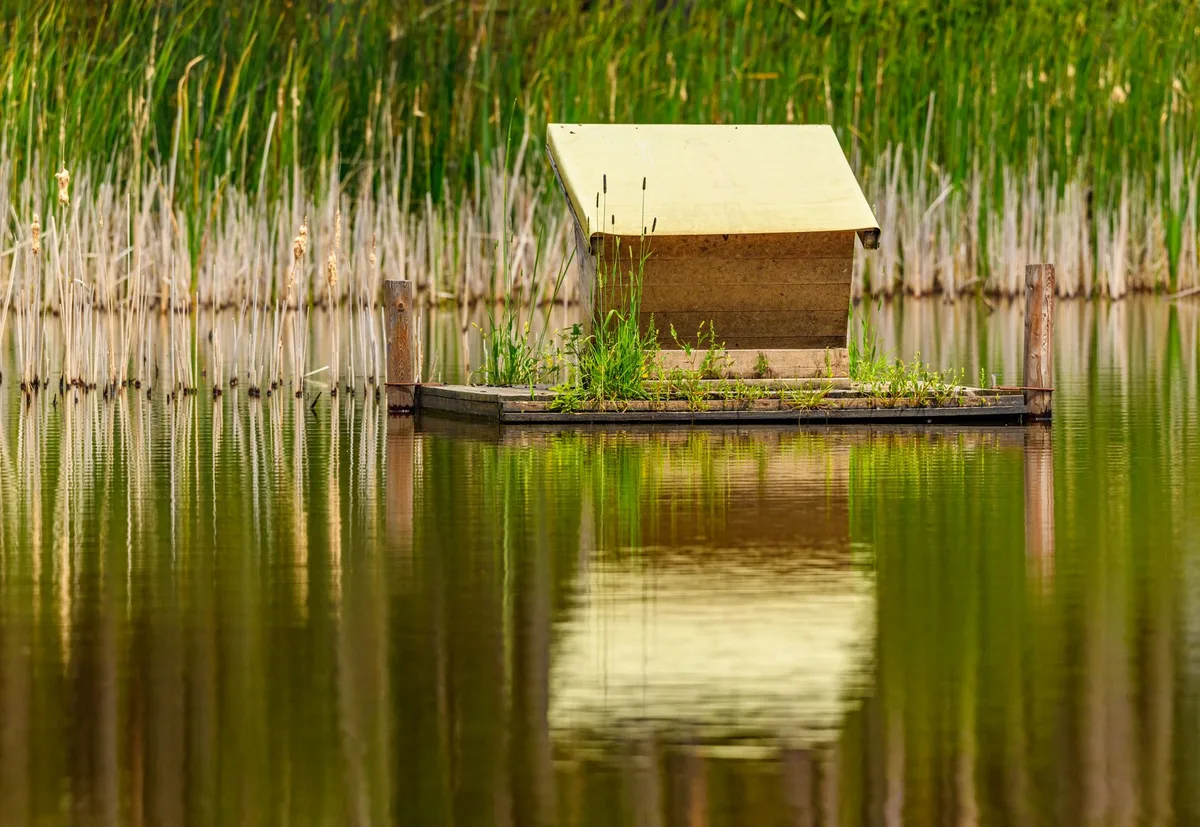
Biofilters, such as constructed wetlands or reed beds, use a combination of plants, soil, and beneficial microbes. Water percolates through a medium like gravel and sand, where plant roots provide surface area for microbes to colonize. These microbes then consume organic matter, breaking it down into simpler, less harmful substances. Plants also absorb some nutrients and can help with aeration.
Pros and Cons of Natural Methods
- Pros:
- Environmentally friendly and sustainable.
- Low energy requirements once established.
- Can improve the aesthetic of a garden space.
- Effective at reducing organic load and suspended solids.
- Cons:
- Ineffective at removing dissolved inorganic salts like sodium chloride.
- Requires significant space for installation.
- Slower treatment process.
- Initial setup can involve considerable labor and material costs.
Method 2: Advanced Filtration for Serious Salt Reduction
When your primary goal is to significantly reduce dissolved salts, natural methods alone won't suffice. Advanced filtration technologies are designed to tackle these dissolved contaminants directly. These methods often require more energy, maintenance, and a higher initial investment, but they offer a much higher degree of purification.
Reverse Osmosis (RO): The High-Performance Option
Reverse osmosis is a highly effective process for removing a broad spectrum of dissolved contaminants, including salts, from water. It uses a semi-permeable membrane that allows water molecules to pass through but blocks larger dissolved ions and molecules.
RO: How It Works and What to Expect
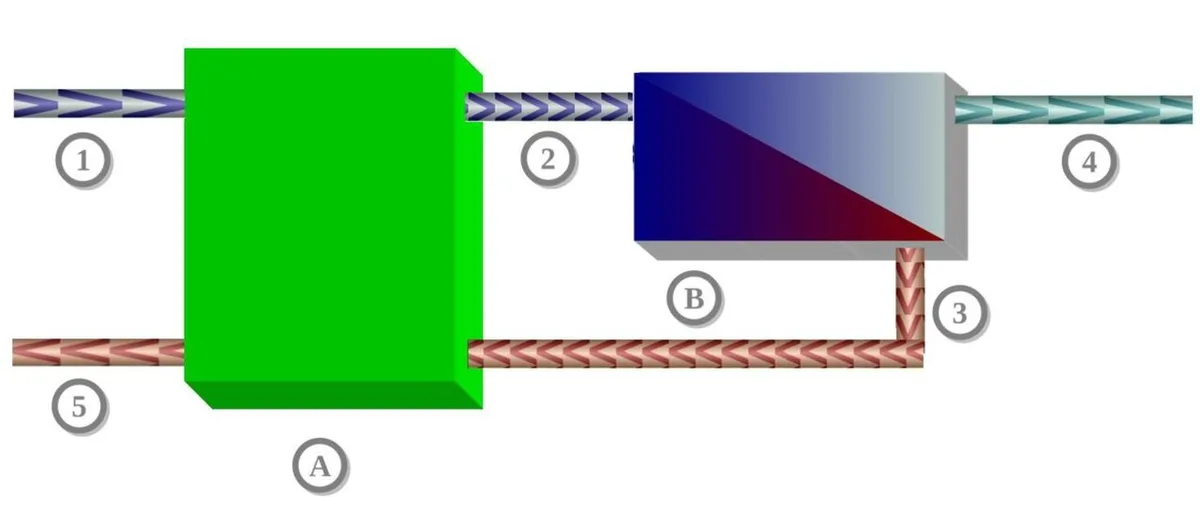
In an RO system, household greywater is pressurized and forced against a membrane. This pressure overcomes the natural osmotic pressure, pushing purified water through the membrane while concentrating the impurities, including salts, into a waste stream. Manufacturer specifications typically indicate that RO systems can remove 95-99% of dissolved salts. A common TDS level for municipal tap water is around 500 mg/L, and RO can reduce this to less than 50 mg/L.
RO: The Upsides and Downsides
- Pros:
- Extremely effective at removing a wide range of dissolved solids, including salts.
- Produces very high-purity water suitable for sensitive applications.
- Consistent performance.
- Cons:
- Requires electricity to run the pump and force water through the membrane.
- Produces a significant wastewater brine stream that requires proper disposal.
- Higher initial cost and ongoing maintenance (membrane replacement).
- Can be slower than other methods, producing water on demand or requiring a storage tank.
Solar Stills: Simple Sun-Powered Purification
A solar still employs the basic principles of evaporation and condensation to purify water using solar energy. It’s a passive system that leaves dissolved impurities behind as water turns into vapor.
How Solar Stills Operate
Water is placed in a basin, typically covered with a sloped pane of glass or plastic. Sunlight heats the water, causing it to evaporate. The water vapor rises, condenses on the cooler underside of the covering, and then drips into a collection channel, from which it flows into a separate container. Impurities like salts are left behind in the basin.
This process yields distilled water.
Solar Stills: When They Make Sense
- Pros:
- Uses free solar energy, making it cost-effective to operate.
- Simple design and construction, often suitable for DIY.
- No electricity required, ideal for off-grid applications.
- Cons:
- Very slow water production rates, often producing only a few liters per day per square meter of surface area.
- Effectiveness depends heavily on sunlight availability.
- Requires regular cleaning of the basin to remove accumulated salts and sediment.
Ion Exchange: Targeted Salt Removal
Ion exchange is a process that uses insoluble resin beads to exchange specific unwanted ions in water for less harmful ones. It's particularly useful when you need to target specific types of dissolved solids.
Ion Exchange: The Basics
Specialized ion exchange resins are used. For salt removal, cation exchange resins might remove positively charged ions like sodium (Na+), while anion exchange resins remove negatively charged ions like chloride (Cl-). The resins become saturated with these ions over time and need to be regenerated or replaced.
Ion Exchange: Its Strengths and Weaknesses
- Pros:
- Can be highly effective at removing specific ions, like sodium, when the correct resin is used.
- Can produce very pure water if designed for multi-stage exchange.
- Cons:
- Requires regeneration with a chemical solution (often brine), which creates a concentrated waste product that needs disposal.
- Resins have a finite lifespan and will eventually need replacement.
- Can be complex to manage the regeneration cycles correctly.
- Not always cost-effective for large volumes compared to other advanced methods.
When to Use Which Method: A Decision Workflow
Choosing the right method for filtering salts from greywater isn't a one-size-fits-all situation. It heavily depends on what you're starting with and what you want to end up with. Think of it like a branching path; your goals and resources dictate which way you go.
If your primary aim is simple water conservation and you're irrigating salt-tolerant ornamental plants, a less intensive approach might be sufficient. However, if you plan to use the water on edible gardens or in systems sensitive to mineral buildup, you'll need a more robust salt-removal strategy. As of 2026, the availability of DIY components and commercial systems continues to expand, offering more tailored solutions.
Step 1: Assess Your Greywater Source
The first crucial step is understanding the composition of your greywater. Laundry water, in particular, tends to have higher salt content due to detergents and fabric softeners compared to shower or sink water. This difference directly impacts the necessary treatment intensity. For example, laundry water can sometimes contain upwards of 1,500 mg/L of TDS, whereas shower water might be closer to 300-500 mg/L.
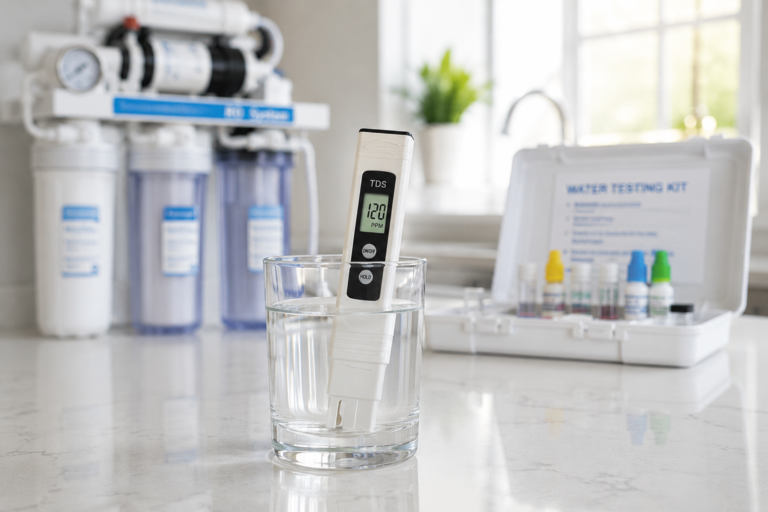
Consider the products you use as well. Sodium-based water softeners installed at the main supply can also contribute to a higher baseline salt level in all household water, including greywater. If you're unsure about your source's salt content, basic TDS (Total Dissolved Solids) testing kits are widely available and can provide a starting point measurement.
Step 2: Define Your Water Reuse Goal
What do you intend to do with the filtered greywater? The intended use is a major factor in determining how much salt reduction is actually needed.
- Irrigating Salt-Tolerant Ornamentals: If you're watering hardy landscape plants, a moderate reduction in salt might be acceptable, as many plants can tolerate higher TDS levels.
- Drip-Irrigating Vegetable Gardens: For edible crops, lower salt levels are essential. Excess sodium can negatively affect nutrient uptake and plant growth, potentially making produce unsafe or unpalatable. Aim for TDS levels below 500 mg/L, and ideally much lower for sensitive crops.
- Flushing Toilets: Toilet cisterns and flush mechanisms can be sensitive to mineral buildup. While not as critical as irrigation quality for plant health, reducing dissolved solids can extend the life of these components.
- Other Uses: If you're considering other applications, research their specific water quality requirements.
Step 3: Match Your Goal to the Right Method
Now, let's connect your source and reuse goal to the filtration methods we've discussed.
- Low Salt, Low Needs (Ornamental Irrigation): Thorough pre-filtration plus a biofilter or constructed wetland is often sufficient. This improves overall water quality and removes organic matter without needing high-cost salt removal.
- Moderate Salt, Sensitive Needs (Vegetable Gardens): Pre-filtration plus a method like solar distillation or an ion exchange system might be necessary. These methods directly target salt reduction.
- High Salt, Critical Needs (Sensitive Plants, Specific Systems): Reverse Osmosis is generally the most effective option for significantly reducing salts to very low levels, though it comes with higher costs and more complex waste management.
If you're struggling to decide, consider starting with the simplest, most cost-effective method that meets your minimum requirements. You can often upgrade or add stages later if needed.
Practical Steps: Setting Up and Managing Your System
Successfully filtering salts from greywater involves more than just choosing a method; it requires proper setup and ongoing attention. Think of it as building a small ecosystem or a technical process that needs consistent care.
Essential Pre-Filtration Steps
Before any advanced salt removal process, robust pre-filtration is paramount. This captures hair, lint, food particles, and other physical debris. Without it, your primary filtration systems, whether biological, RO, or ion exchange, will clog rapidly, reducing their efficiency and lifespan.
Use:
- Hair and lint traps at drain points.
- Sediment filters or settling tanks to allow heavier solids to drop out.
Regularly cleaning these traps is key. Manufacturer specifications for RO membranes, for instance, often require water to be pre-filtered to less than 50 microns to prevent premature fouling.
Operating Your Chosen System
Each filtration method has its own operational nuances. For biofilters, consistent flow and plant health are important. For RO systems, you'll need to monitor pressure gauges and flow rates, and ensure the brine discharge line is clear. Solar stills require simply ensuring they are oriented correctly towards the sun and kept clean.
Ion exchange systems necessitate understanding the regeneration cycle and its timing.
Some systems, like RO, may benefit from a storage tank for treated water, allowing the purification process to run at its optimal rate. Ensure this tank is food-grade if the water is intended for any contact with consumables, and that it has an overflow to prevent system damage.
Maintenance: Keeping Things Running Smoothly
Consistent maintenance is the difference between a successful greywater system and a clogged nuisance. For biofilters, this means pruning plants and checking the gravel/sand medium for compaction. RO membranes typically need replacement every few years, depending on water quality and usage. Ion exchange resins require periodic regeneration, and eventually, replacement.
- Regularly inspect all components for leaks or damage.
- Clean or replace filters as per manufacturer guidelines or your system's needs.
- Test water quality periodically to ensure the system is performing effectively. Simple TDS meters are inexpensive and can tell you quickly if salt levels are creeping up.
Common Mistakes to Avoid When Filtering Salts
When tackling greywater, people often make a few common blunders that can lead to disappointment or system failure. Being aware of these pitfalls can save you time and money.
- Overestimating Natural Methods for Salt Removal: Relying solely on biofilters or wetlands to remove significant salt loads is a mistake. They're excellent for organic matter but are not designed for ion removal.
- Skimping on Pre-Filtration: Skipping or neglecting hair and lint traps is a fast track to clogging your more sensitive and expensive salt removal equipment, like RO membranes.
- Ignoring Brine Disposal: For methods like RO and ion exchange, the concentrated waste stream is a critical factor. Improper disposal can pollute the environment or violate local regulations.
Disposal: What to Do with Concentrated Saltwater
The concentrated brine or wastewater generated by methods like reverse osmosis and ion exchange regeneration needs careful management. This is not something you can simply dump down the drain or irrigate with. If discharged directly into sewer systems, it can interfere with wastewater treatment processes. If released onto landscaping, the high salt content can kill plants and degrade soil.
Options for brine disposal include:
- Dilution: Significantly diluting the brine with a large volume of clean water before discharge, if permitted.
- Evaporation Ponds: In suitable climates and with adequate space, controlled evaporation ponds can be used to concentrate and contain the brine.
- Professional Disposal Services: For larger systems or where regulations are strict, contracting with specialized waste disposal services may be necessary.
Always check your local municipality’s guidelines for greywater discharge and concentrated wastewater disposal.
Safety and Legal Considerations for Greywater Reuse
Reusing greywater, especially with treated systems, comes with responsibilities. While generally safe for landscape irrigation when properly treated, there are risks if systems are not maintained, or if blackwater contaminants enter the greywater stream. Many local authorities have specific regulations regarding greywater systems, including permitted uses, system design standards, and required maintenance.
For example, some regions may require permits for any greywater system, or restrict its use to subsurface irrigation only. The U.S. Environmental Protection Agency (EPA) provides general guidelines, but local building codes and health departments are the ultimate authorities. Always ensure your system complies with these rules to avoid fines or mandated removal.
Expert Tips: Pro Advice for Greywater Salt Filtration
What Kind of Detergents Should You Look For?
When it comes to washing, choosing low-salt detergents is your first line of defense against high TDS in greywater. Look for products labeled as "low sodium" or "low salt." Many eco-friendly formulations also minimize salt content. Avoid detergents with added sodium compounds like sodium carbonate or sodium sulfate if possible. Some advanced detergents might use biodegradable chelating agents instead of sodium to boost performance, which can be a good indicator.
Always check the ingredient list if you're serious about managing salt input.
Should You Test Your Greywater?
Yes, testing your greywater for salt content is a smart move, especially if you're planning on irrigating sensitive plants or using a more advanced filtration system. Simple Total Dissolved Solids (TDS) meters are affordable and readily available online or at hardware stores. They give you a quick numerical reading (usually in mg/L or ppm) of the dissolved inorganic salts and minerals in your water. Knowing your baseline TDS helps you select the appropriate filtration method and gauge how effectively it's working over time.
Regular testing can also alert you to issues with your system before they cause significant problems.
How Can You Optimize a Biofilter System?
To get the most out of a biofilter or constructed wetland, focus on plant health and media flow. Ensure you have water-loving plants suited to your climate, as vigorously growing roots help create better microbial habitats. Keep the filter media (gravel, sand) from becoming overly compacted, which can impede water flow and reduce treatment efficiency. Periodically, you might need to remove accumulated organic solids from the surface or lower layers.
While these systems don't remove salts effectively, a well-maintained biofilter enhances the overall quality of the greywater, making any subsequent salt reduction stages more efficient.
What About Maintenance Schedules?
Maintenance schedules depend heavily on the specific system you choose, but consistency is key. For basic hair and lint traps, daily or every-other-day checks and cleaning are crucial. Biofilters may need occasional plant pruning and media checks quarterly or semi-annually. For RO systems, membrane replacement is typically recommended every 2-5 years, with pre-filter changes needed every 3-6 months, depending on usage and water quality.
Ion exchange resins require regeneration every few weeks to months, and eventual replacement every 5-10 years. Always refer to manufacturer recommendations for your specific equipment.
When Should You Consider Upgrading Your System?
If you notice a decline in treated water quality, such as increasing TDS readings from your purification system, it's a sign to investigate. Another indicator might be reduced flow rates or visible signs of salt damage on irrigated plants. If your water reuse needs change, perhaps moving from ornamental plants to a vegetable garden, you might need to upgrade to a more robust salt-removal method. Similarly, if local regulations become more stringent, you may need to enhance your system’s capabilities.
Planning for potential upgrades from the start can save you time and money down the line.
Real Scenarios: Case Examples with Greywater Salt
Let's look at a couple of hypothetical scenarios to see how salt concerns play out in real-world greywater reuse.
Scenario 1: The Urban Gardener
Sarah lives in a relatively dry climate and wants to use her shower and sink greywater to irrigate her small vegetable garden. Her tap water has a moderate TDS of around 400 mg/L. She uses a liquid hand soap and a low-sodium laundry detergent. After installing a basic hair and lint trap, she measures her shower greywater TDS at about 600 mg/L and laundry water at 1200 mg/L.
Her initial thought is a biofilter, but knowing her goal is to protect sensitive vegetables, she realizes that's not enough for the salt. She opts for a multi-stage approach: a pre-filter, followed by a small, DIY solar still for a portion of her water and a basic ion exchange unit for the rest. This allows her to produce a mix of water, with the best quality going to her most sensitive crops.
Scenario 2: The Suburban Homeowner
Mark lives in a suburban area where water conservation is encouraged. He wants to use his greywater for general landscape irrigation, primarily his lawn and some drought-tolerant shrubs. His tap water TDS is 350 mg/L. His laundry detergent is a standard, non-eco-friendly type, leading to shower greywater around 700 mg/L and laundry water closer to 1500 mg/L.
For his use case, Mark decides a biofilter is a good starting point for the organic load. He also swaps to a lower-sodium laundry detergent, bringing his laundry water TDS down closer to 1000 mg/L. He finds that for his lawn and shrubs, this level of treatment, combined with occasional fresh water, is sufficient and avoids the complexity and cost of RO. He regularly pulls weeds that show salt stress as an indicator of potential issues near discharge points.
FAQs
How long does setup take for a typical greywater salt filtration system?
Setup time varies widely. A simple pre-filter and biofilter system might take a weekend. A DIY solar still could be a few days, involving careful sealing. Installing a commercial RO system often requires professional plumbing and can take one to two days.
Ion exchange systems are generally simpler to plumb but require understanding the regeneration process.
Can I use my existing plumbing for a greywater system?
Modifying existing plumbing can be complex and depends on your home's layout and local building codes. Many systems require dedicated piping for greywater to separate it from blackwater and potable supply lines. It's crucial to consult local regulations and potentially a qualified plumber familiar with greywater installations before making significant plumbing alterations.
How much does a greywater salt filtration system typically cost?
Costs range significantly. A basic DIY biofilter system using scavenged materials might cost a couple of hundred dollars. A commercially available RO system for a household can range from $500 to $2,000 or more, plus installation. Solar stills can be built for under $100, but scaled-up versions can be more.
Ion exchange systems vary based on size and resin type.
What are the biggest risks of not filtering salts properly?
The primary risks involve landscaping damage and potential soil degradation. Over time, high salt concentrations can kill plants, reduce crop yields, and render soil less fertile. For systems, untreated salt can contribute to scale buildup in pipes and components, reducing efficiency and lifespan. If greywater is discharged inappropriately, it can also impact local water bodies.