How Much Is a Whole House Water Filter System 2026
When you're looking at filtering all the water coming into your home, you've probably asked yourself, "how much is a whole house water filter system?" It's a question with a wide range of answers, and for good reason. The cost isn't a simple number because systems vary significantly in technology, capacity, and brand.
In our research, we found that common systems can range from a few hundred dollars for basic setups to several thousand for more advanced units, not including installation. Per NSF/ANSI standards, water filters are tested for specific contaminant reduction, and these certifications can influence system cost. Understanding these variables is key to figuring out what's best for your home and your budget.
Quick Answer: What's the Ballpark Price for a Whole House Water Filter?
Here's the bottom line: expect to spend between $500 and $1,400 for a basic whole house water filter system that includes a sediment and activated carbon filter, along with professional installation. If your needs are more complex, like dealing with hard water, you'll likely be looking at a water softener or a multi-stage system, pushing the total cost to $800 to $3,300 or more, plus ongoing maintenance.
Consider this a starting point. Prices are highly dependent on the exact type of filtration technology, the brand you choose, and whether you're hiring a professional for installation, which is often recommended for these systems.
Core Explanation: Why the Price Varies So Much
The sticker price of a whole house water filter system isn't just about the box. Several factors contribute to the overall investment, making a single price point impossible. Think of it as buying a tailored suit versus an off-the-rack one; both cover you, but the quality, materials, and fit lead to vastly different costs.
The core reason for price variation boils down to technology and capacity. A system designed to simply remove larger particles like sand will be less expensive than one engineered to tackle dissolved chemicals, bacteria, and minerals. Furthermore, systems built for high-demand households with multiple bathrooms will naturally cost more than those suited for smaller homes. As of 2026, we're seeing an industry trend toward more integrated and smart filtration solutions, which also impacts the initial investment.
Comparing the Main Types of Whole House Water Filters & Their Costs
When you're shopping for a whole house water filter, you'll run into a few main categories, each with its own performance profile and price tag. Choosing the right type is critical for both effectiveness and your budget.
Sediment Filters: The Basics
Sediment filters are usually the first line of defense. They're designed to catch larger particles like sand, silt, dirt, and rust flakes that can be present in your water. They don't improve taste or remove dissolved contaminants, but they protect other, more sensitive filters in a multi-stage system and your home's plumbing.
- Typical Cost (Unit Only): $50, $200
- Installation Add-on: $300, $800 (part of a larger system installation)
- Maintenance Cost: Low, requires filter cartridge replacement every 3-6 months.
These are generally the least expensive type of filter component. Their primary function is mechanical filtration, meaning they physically block particles from passing through.
Activated Carbon Filters: For Taste and Chlorine
If you're bothered by the smell or taste of chlorine in your tap water, or concerned about certain organic compounds, activated carbon filters are a popular choice. They work by adsorption, where contaminants stick to the porous surface of the carbon material. These are excellent for improving the aesthetic qualities of your water.
- Typical Cost (Unit Only): $100, $400
- Installation Add-on: $300, $800 (often part of a package)
- Maintenance Cost: Moderate, requires cartridge replacement every 6-12 months, depending on water usage and carbon quality.
Activated carbon filters, especially those rated for specific VOCs or heavy metals, tend to be more expensive than basic sediment filters. Their effectiveness hinges on the surface area and type of carbon used.

Water Softeners: Tackling Hard Water
Hard water, characterized by high mineral content like calcium and magnesium, can wreak havoc on your plumbing and appliances. Water softeners address this using an ion exchange process, swapping mineral ions for sodium ions. While they don't purify in the sense of removing contaminants, they drastically improve water quality in terms of mineral content.
- Typical Cost (Unit Only): $500, $1,500+
- Installation Add-on: $300, $800 (can be more complex due to brine tank)
- Maintenance Cost: Moderate to High, requires regular replenishment of salt (sodium chloride or potassium chloride).
These are typically more robust and costly initial investments. The ongoing need for salt refills is a significant recurring expense to budget for.
UV Purifiers: For Microbial Safety
If you're on well water or concerned about bacteria, viruses, and other microorganisms, a UV purifier is a key component. It uses ultraviolet light to neutralize these pathogens, rendering them unable to reproduce and cause illness. It’s important to note that UV purifiers don't remove any particulate matter or dissolved chemicals; they only address biological contaminants.
- Typical Cost (Unit Only): $300, $800
- Installation Add-on: $300, $800 (requires power source and plumbing connection)
- Maintenance Cost: Moderate, requires annual replacement of the UV lamp and periodic cleaning of the quartz sleeve.
UV systems are considered a purification step rather than a traditional filtration method. They are often used in conjunction with other filter types for comprehensive water treatment.
Advanced Multi-Stage Systems
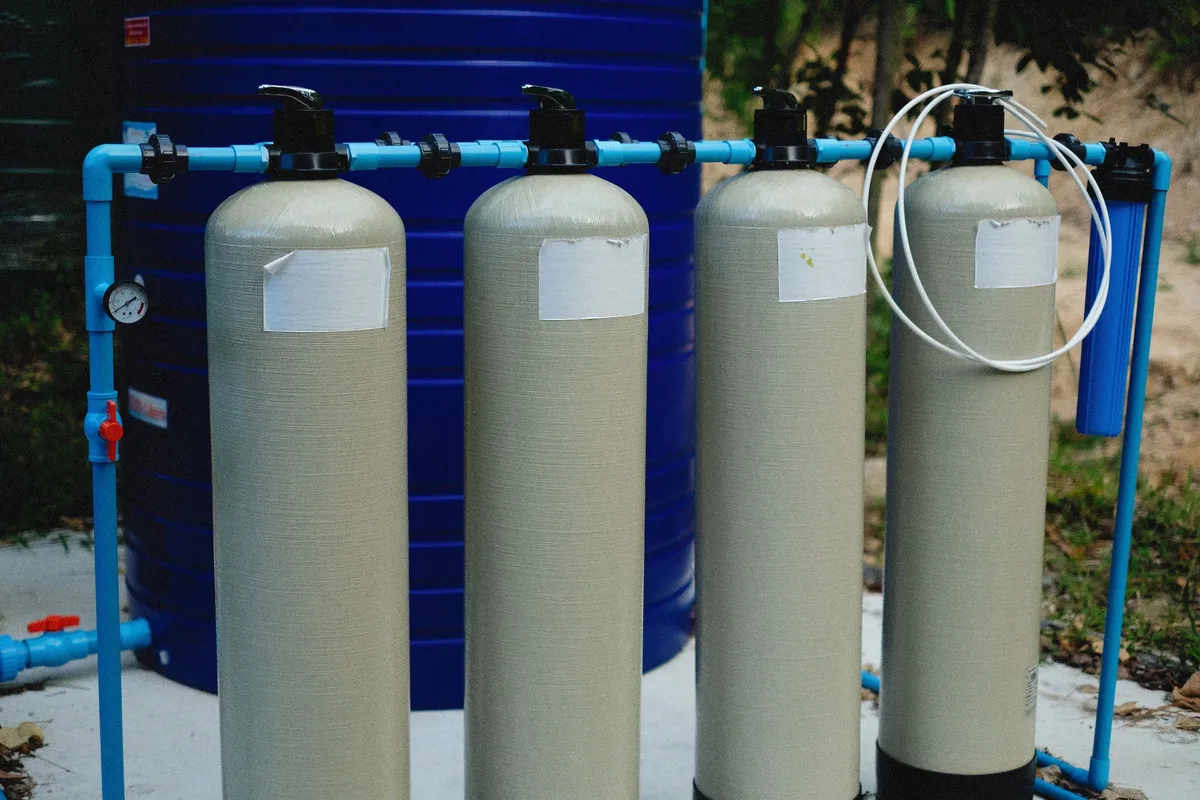
Many homeowners opt for multi-stage systems that combine several filtration technologies. This could include a sediment pre-filter, an activated carbon filter, and perhaps a specialty filter for iron or sulfur, or even a UV purifier. These systems offer the most comprehensive water treatment but come with the highest upfront cost.
- Typical Cost (Unit Only): $800, $2,500+
- Installation Add-on: $300, $800 (can be more complex depending on number of stages)
- Maintenance Cost: Varies, dependent on the types and number of filters needing regular replacement.
These integrated systems are designed to tackle a wide array of water quality issues simultaneously, providing high-quality water throughout the entire house.
What Goes Into the Price: Beyond the Filter Unit
When you’re looking at the total cost of a whole house water filter system, the unit price itself is only one part of the equation. Installation and ongoing maintenance are critical financial considerations that can significantly impact your overall investment. Not factoring these in can lead to some unwelcome surprises down the road.
The system's technical requirements and your home's existing plumbing layout heavily influence installation complexity and, therefore, cost. Factors like the number of bathrooms, the distance from the main water line to the installation point, and whether any pipe reconfiguration is needed all play a role. It’s crucial to get a detailed quote that breaks down all these elements.
The Filter Unit Itself
This is the most visible part of the cost. What you're paying for here is the housing, the filter media inside, and the engineering that goes into it. Simpler systems using basic spun polypropylene for sediment removal will be at the lower end. On the other hand, specialized media like catalytic carbon for specific chemical removal, or advanced ion exchange resins for softeners, command higher prices.
Manufacturer reputation, warranty, and build quality also contribute.
Professional Installation Costs
For most homeowners, professional installation is a must. Plumbers need to expertly cut into your main water line, divert flow, install the filter housing(s), seal all connections, and ensure there are no leaks. This typically involves basic plumbing labor, potentially some piping materials, and the plumber's expertise. Costs can vary widely based on your geographic location, local labor rates, and any unique plumbing challenges your house presents.
Ongoing Maintenance Expenses
Don't overlook the recurring costs. All whole house water filters require some form of maintenance. This usually means replacing filter cartridges at regular intervals, typically every 3 to 12 months, depending on the filter type and your household's water usage. Water softeners require regular salt refills, and UV systems need periodic lamp replacements.
These small, recurring expenses add up over the lifespan of the system and should be factored into your budgeting.
Cost Breakdown: Ranges for Different Systems
When you're comparing costs, it's helpful to have some concrete numbers in mind for different types of whole house water filter systems. Remember, these are estimates and can fluctuate based on brand, specific features, and where you live. Installation is a key component that often adds a substantial amount to the unit price.
Basic Sediment/Carbon System Costs
For a standard whole house system primarily focused on sediment reduction and chlorine removal, you’re looking at a significant range. The unit itself might cost anywhere from $200 to $600 for reputable brands. When you add professional installation, which involves cutting into your main water line, the total cost typically falls between $500 and $1,400. These systems provide a noticeable improvement in water quality for everyday use.
Water Softener Costs
If hard water is the main issue, a water softener is necessary, and it generally comes with a higher price tag. The softener unit alone can range from $500 to $1,500 or more, depending on its capacity and features. Installation costs are similar to other whole house systems, often adding another $300 to $800. This brings the total investment for a water softener system to approximately $800 to $2,300.
Remember to factor in continuous salt costs.
Advanced System Costs
For comprehensive water treatment that might include UV purification for bacteria, multiple filtration stages, or specialized media for specific contaminants, expect the highest costs. The unit price for these advanced systems can easily range from $800 to $2,500. With the added complexity of installation, the total project cost can fall between $1,100 and $3,300 or even higher. These systems offer the most thorough water purification available for a home.
The Hidden Costs: What to Budget For Long-Term
Beyond the initial purchase and installation fees, there are ongoing expenses associated with keeping your whole house water filter system running effectively. These "hidden" costs are crucial to consider when evaluating the true long-term investment. Ignoring them can lead to unexpected expenditures and potentially compromise the system's performance.
These recurring costs are directly tied to the type of filtration technology used and your household's water consumption. Understanding these needs upfront ensures you're not caught off guard by the regular outflow of cash required to maintain high-quality water throughout your home.
Replacement Filter Expenses
This is probably the most common and predictable ongoing cost. Most whole house filters, whether they are sediment filters, activated carbon cartridges, or more specialized media, have a finite lifespan. For basic sediment filters, you might be looking at replacements every 3-6 months. Carbon filters often last 6-12 months.
The price per filter can range from $20 to $100 or more, depending on the size and type.
Salt for Water Softeners
If you've opted for an ion exchange water softener to combat hard water, you'll need to factor in the continuous cost of salt. Households with high water usage or very hard water may need to replenish the brine tank every month or two. Bags of water softener salt can range from $5 to $15 each, so this adds up significantly over time for many people.
UV Bulb Replacements
For whole house UV purification systems, the UV lamp is the critical component. These lamps have a rated lifespan, typically around 9,000 hours, which usually translates to about one year of continuous use. Replacement UV lamps can cost anywhere from $50 to $150, and they need to be changed annually to maintain their effectiveness in neutralizing microorganisms.
Potential Service Calls
While not a guaranteed recurring cost, it's wise to budget a small amount for potential service calls. Occasionally, a system might develop a leak, a valve might seize, or a component might require professional inspection. Having a bit of a buffer for unforeseen maintenance or minor repairs can prevent unexpected financial strain.
Who Needs Which System: Matching Your Needs to Your Budget
Deciding which type of whole house water filter system is right for you really comes down to your specific water quality issues and what you hope to achieve. There's no one-size-fits-all solution, and what works for your neighbor might not be ideal for your home. Understanding your priorities will guide you to the most effective and budget-friendly option.
Your decision should be driven by tangible problems you're experiencing or want to prevent. Is your water consistently cloudy? Do you notice mineral buildup on your fixtures? Or are you simply aiming for better-tasting drinking water throughout the house?
Each of these scenarios points toward a different filtration approach.
Best for Basic Improvements
If your main goals are to improve the taste and odor of your tap water and remove chlorine, a straightforward activated carbon filter system is likely your best bet. These systems are typically more affordable upfront compared to multi-stage or softening units. Manufacturer specifications often indicate they can reduce chlorine by 90% or more, leading to more pleasant drinking water and shower experiences.
- Ideal for: Municipal water supplies with noticeable chlorine, general taste/odor improvement.
- Estimated Total Cost: $500, $1,400 (system + installation).
This offers a significant quality upgrade without breaking the bank, addressing common aesthetic issues with tap water.
Best for Hard Water Issues
For homes plagued by hard water, evident through scale buildup on faucets, appliances, and shower doors, or soap scum in sinks, a water softener is the necessary investment. While not a "filter" in the traditional sense, it addresses the high mineral content causing these problems. These systems are essential for protecting your plumbing and extending the lifespan of your appliances.
- Ideal for: Homes with high calcium and magnesium levels, frequent scale formation.
- Estimated Total Cost: $800, $2,300 (system + installation), plus ongoing salt costs.
A water softener is a proactive measure against the damage and inconvenience caused by hard water.
Best for Well Water Concerns
If you rely on well water, your purity needs are often more complex. Beyond sediment, you might be dealing with bacteria, viruses, or even iron and sulfur. A multi-stage system is typically recommended, often including a sediment filter, an activated carbon filter, and critically, a UV purifier to neutralize harmful microorganisms.
- Ideal for: Untreated well water sources, homes requiring microbial disinfection.
- Estimated Total Cost: $1,100, $3,300+ (system + installation).
For well water, prioritizing safety and then addressing other quality issues is paramount.
Best for Advanced Purity Needs
Folks seeking the highest level of water purity, perhaps due to specific health concerns or sensitive appliances, will benefit from advanced multi-stage filtration systems. These often combine sediment, carbon, and sometimes specialty filters (like for heavy metals or specific chemicals) with UV treatment. These systems offer the most comprehensive approach to water quality throughout the entire home.
- Ideal for: Highly contaminated sources, specific health requirements, maximum water quality.
- Estimated Total Cost: $1,100, $3,300+ (system + installation).
These high-end systems provide peace of mind and superior water quality, but come at a premium price point.
Common Mistakes to Avoid When Buying a Whole House Water Filter
When you're investing in a system to treat all the water in your home, it’s easy to make missteps that can cost you time and money. One of the biggest errors is not properly testing your water first. You might buy a system for hard water when your primary issue is chlorine, or vice-versa, leading to an ineffective and expensive purchase.
Another frequent pitfall is underestimating installation complexity. While DIY might seem tempting, tampering with your main water line can lead to significant leaks or damage if not done correctly. Always consider professional installation unless you have a strong background in plumbing.
- Mistake 1: Skipping water testing. You need to know what's in your water to buy the right filter. Municipal water reports are a start, but well water needs specific testing.
- Mistake 2: Overlooking ongoing costs. Filter replacements, salt, and regular maintenance add up. Budget for these recurring expenses.
- Mistake 3: Choosing the wrong system size. A system too small for your flow rate will underperform, while one too large is an unnecessary expense.
- Mistake 4: DIY installation without expertise. Incorrectly sealed pipes can cause major water damage throughout your home.
- Mistake 5: Ignoring warranty and support. A good warranty provides peace of mind for a significant home investment.
Expert Tips for Getting the Best Value on a Water Filter System
Getting the most bang for your buck with a whole house water filter system involves a bit of smart shopping and foresight. It’s not just about finding the cheapest option; it’s about finding the most effective solution that fits your budget long-term. Our research indicates that homeowners who plan ahead often save money and headaches.
One of the best pieces of advice is to consult with water treatment professionals in your area. They can perform water tests and recommend systems tailored to your local water quality, which can differ significantly even within the same region. Don't just buy the first system you see online; explore options and consider the total cost of ownership.
- Get a professional water test: This should be your first step. It identifies the specific contaminants you need to address.
- Compare installation quotes: Get at least two or three quotes from reputable plumbers or water treatment specialists.
- Look at filter lifespan and cost: A cheaper filter that needs replacing more often might cost more over time than a slightly more expensive, longer-lasting one.
- Consider a multi-stage system strategically: You don't always need every stage if your water quality is already good in some aspects. Focus on what you need.
- Check warranties: A longer warranty often indicates a more durable and well-made product from the manufacturer.
- Factor in flow rate needs: Ensure the system can handle the peak flow rate your household demands without a significant drop in pressure.
When to Call a Professional for Water Testing and Installation
You know you need a whole house water filter, but should you test your water yourself or hire someone? And crucially, who should actually install it? In our research, we found that while DIY kits exist, professional involvement is often the smartest path, especially for installation. A professional water test provides the most accurate picture of what's in your water, guiding your system choice effectively.
Professional installers have the right tools and experience to ensure a leak-free, efficient setup. Attempting complex plumbing yourself, especially on your main water line, can lead to significant water damage if not executed perfectly. Trusting an expert for testing and installation saves you stress and often prevents costly mistakes down the line.
Why Professional Water Testing Matters
Relying on a home testing kit might give you a general idea, but professional water testing offers definitive results. These labs use calibrated equipment to accurately measure contaminant levels, providing a detailed report that pinpoints exactly what issues you need to address. For example, specific municipalities might test for chlorine, but a well owner needs to check for coliform bacteria and heavy metals.
This detailed analysis helps you select a system that targets your unique problems, rather than guessing. Without accurate data, you might overspend on a system with unnecessary features or, worse, purchase a system that doesn't actually solve your water quality issues. This level of scientific accuracy is hard to replicate with at-home kits.
Installer Experience Translates to Better Performance
When it comes to installing a whole house water filter system, experience truly matters. A qualified plumber or water treatment specialist knows how to properly integrate the system into your existing plumbing without causing pressure drops or leaks. They understand pipe sizing, materials, and local building codes.
This expertise ensures your system operates at its optimal capacity and longevity. For instance, improperly installed bypass valves can lead to leaks or unintended water flow. Professional installation guarantees the system is set up according to manufacturer specifications, often a requirement for maintaining the warranty.
What to Look for in an Installer
When choosing who will install your whole house water filter, look for certified plumbers or water treatment specialists who have specific experience with these types of systems. Ask for references and check online reviews, focusing on feedback related to whole house filter installations. A reputable installer will provide a clear, itemized quote detailing parts, labor, and testing services.
They should also be able to explain the process simply and answer all your questions about the installation and system operation. Don't hesitate to ask if they offer a warranty on their labor; this provides an extra layer of protection for your investment.