What Does the Brita Water Filter Remove 2026
You've probably got a Brita pitcher or maybe one of their faucet filters sitting in your kitchen, right? They're super handy for getting better-tasting water. But beyond the taste, what's actually happening in there? What are those little granules inside the filter doing to your tap water?
Let's break down what does the Brita water filter remove.
The main job of a Brita filter is to reduce common substances that can affect your water's taste, odor, and clarity. It's not designed to purify water in the way a whole-house system might, but for day-to-day drinking water, it makes a noticeable difference. Manufacturer specifications often cite reduction of chlorine by taste and odor, zinc, copper, mercury, and cadmium.
Chlorine: The Taste and Odor Buster
If there's one thing Brita filters are famous for, it's tackling chlorine. Your local water treatment facility uses chlorine to kill off harmful bacteria and viruses, making your tap water safe to drink. That's a really good thing for public health. However, that chlorine can leave a distinct chemical smell and taste that many people find unpleasant.
This is often the primary reason people turn to Brita.

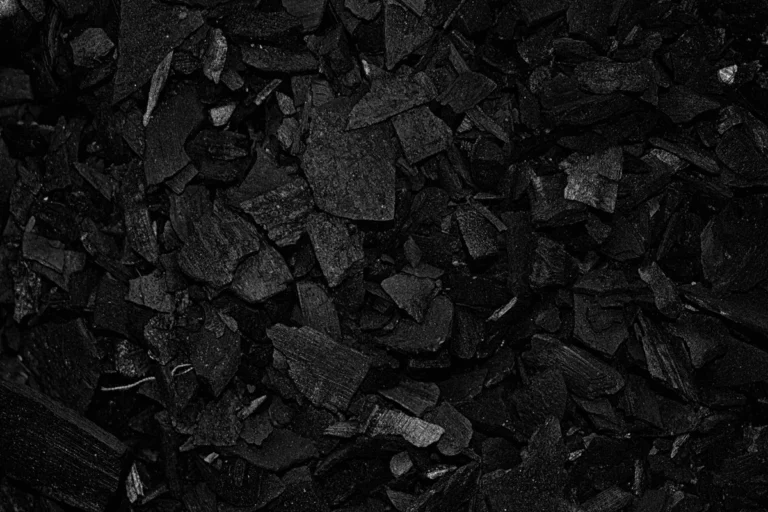
Brita's standard filters primarily use activated carbon to adsorb, or bind to, the chlorine molecules. Think of an activated carbon filter like a sponge with millions of tiny pores. These pores create a massive surface area, and as water passes through, the chlorine is attracted and sticks to this surface. This process effectively removes the chlorine, leaving you with water that tastes and smells much more like, well, water.
As of 2026, Brita continues to emphasize this key benefit.
Heavy Metals: Copper, Zinc, Mercury, and Cadmium
Beyond chlorine, Brita filters can also reduce the levels of certain heavy metals that might find their way into your water supply. These metals can sometimes leach from plumbing pipes, especially in older homes or buildings. While municipal water is generally monitored for these, filtering can provide an extra layer of reduction for your drinking water.
- Copper: Often comes from corroding copper pipes and fittings. It can give water a metallic taste and, in higher concentrations, can cause health issues.
- Zinc: This can also leach from galvanized pipes. While often associated with a metallic or sour taste, high levels aren't usually an immediate health concern but are still undesirable.
- Mercury and Cadmium: These are less common in tap water but are significant health concerns. Brita filters are designed to reduce their presence if they are detected.
The inclusion of these heavy metal reductions is a key feature that differentiates Brita filters from simpler filtering methods.
What Standard Brita Filters Don't Eliminate
It's super important to understand what Brita filters don't do. They aren't designed for full water purification, and there are several common water concerns they won't address. Knowing these limitations helps you make the right choice for your specific water quality needs.
The Lead Issue: When You Need More Than Standard
This is perhaps the most critical distinction. Standard Brita filters are not certified to reduce lead. Lead can leach into water from lead pipes, fixtures, and solder in older plumbing systems, posing serious health risks, especially to children. If lead is a concern in your home, you absolutely must use a Brita filter specifically designed and certified for lead reduction.

Brita offers models like their Elite or Longlast+ filters that are engineered to reduce lead. These specialized filters go through rigorous testing to meet specific standards for lead removal. Always check the product packaging to confirm a filter's lead reduction capabilities. Never assume a standard filter will handle lead.
Other Things Usually Left in Your Water
Aside from lead, several other substances typically pass through a standard Brita filter. These include:
- Microplastics: With growing awareness about microplastic contamination, it's good to know that standard Brita filters are not generally certified to remove these tiny plastic particles from water.
- Pesticides and Herbicides: While these are concerns in agricultural runoff, typical Brita filters aren't designed to capture them.
- Minerals: Essential minerals like calcium and magnesium, which contribute to water's health benefits and taste, are not removed by Brita filters. This is a good thing!
- Fluoride: Most Brita filters do not remove fluoride, which is often added to municipal water supplies for dental health.
Understanding these omissions ensures you're not relying on your Brita filter for protection against contaminants it wasn't built to handle.
Brita's Different Filters: Elite vs. Standard
It's easy to think of "Brita filter" as a single thing, but the company offers a few variations, and they're not all created equal in what they remove. The most common is the standard blue or white filter that comes with most Brita pitchers. These are excellent for chlorine, as we've discussed, and tackle some basic heavy metals.
However, if your primary concern is something like lead, then the standard filter won't cut it. Brita has developed specific filter types for tougher jobs. Their Elite filters, for instance, are a step up, designed to reduce a broader range of contaminants. Similarly, the Longlast+ filters offer extended life and additional contaminant reduction capabilities.
Each filter type uses a slightly different blend of filtration media and sometimes increased filter surface area. This means a bit of research before you buy can save you from disappointment if a standard filter can't handle your specific water quality issue. Always check the packaging for the explicit claims.
Is a Brita Filter Right for Your Water Needs?
So, considering all this, how do you know if a Brita filter is the right move for your household? It really boils down to what you expect from your tap water and what specific contaminants might be present in your local supply. If you're generally happy with your tap water but just dislike that lingering chlorine taste or smell, a Brita is likely a great, cost-effective solution.
For many users, reducing chlorine and improving the overall palatability of drinking water is the sweet spot for a standard Brita filter. It's a simple, convenient way to make tap water more appealing without a huge investment. Think of it as an upgrade to your everyday water experience.
Who Brita Filters Are Best For
Brita filters are ideal for individuals and families who:
- Are looking to improve the taste and odor of their municipal tap water.
- Want a simple, affordable solution for everyday drinking water.
- Have water supplies where chlorine is the primary taste/odor concern.
- Are interested in reducing common heavy metals like copper and zinc.
- Are seeking an eco-friendlier alternative to bottled water.
If your water comes from a truly pristine natural source or you're facing serious contamination issues, you'll probably need more robust filtration. But for a vast majority of tap water drinkers, Brita hits the mark.
When to Consider Other Options
There are definitely situations where a Brita filter might not be the best fit, or at least, not the only solution you need. If your local water quality reports (often available on your municipality's website) indicate elevated levels of contaminants that Brita filters aren't certified to remove, you'll need to look further.
This includes concerns about:
- Lead: As mentioned, if lead is a known issue, opt for specialized Brita filters or other lead-certified systems.
- Arsenic, Nitrates, or Pathogens: Standard Brita filters do not remove these. For such issues, you'd need reverse osmosis systems, UV purifiers, or specific ion-exchange filters.
- Very Hard Water: While Brita filters let beneficial minerals pass through, they don't soften water. If you're dealing with extreme hardness that affects appliances, a dedicated water softener might be necessary.
Essentially, if your concern goes beyond taste and odor, or if specific health advisories are in place for your water, it's time to explore more advanced filtration technologies.
Common Mistakes to Avoid with Brita Filters
Even with a straightforward product like a Brita filter, people sometimes make mistakes that reduce its effectiveness or don't get them the results they expect. One of the most common errors is not replacing the filter often enough. Brita filters have a lifespan, typically measured in gallons or months, and once they're saturated, they stop working effectively, and can even become a breeding ground for bacteria.
Another mistake is using the wrong filter for the job. Relying on a standard filter when you're concerned about lead, for example, gives a false sense of security. Always match the filter type to the contaminant you need removed, as indicated on the packaging. Failing to rinse a new filter properly before use can also lead to a temporary release of carbon dust, which might appear as dark specks in your water.