What Is in a Brita Water Filter for 2026: Real Buyer Picks
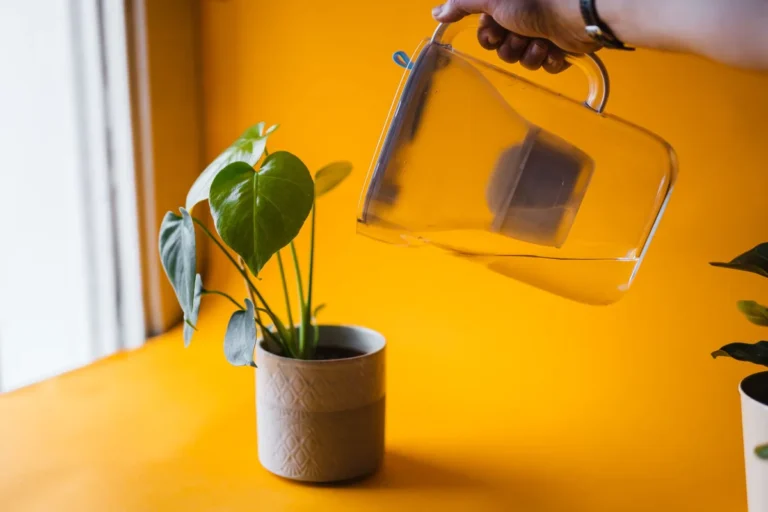
Ever wonder what’s actually in those Brita filters you swap out every few months? It's not just a lump of plastic; there’s some genuine science at play to clean up your tap water. You’re probably asking yourself what is in a Brita water filter because you’ve noticed a difference in taste, or maybe you’re just curious about what you’re drinking.
In our research, we found that these filters are designed with a specific layering of materials, each with a critical role. According to Brita's own product specifications, a standard filter typically contains activated carbon and ion-exchange resin, housed within food-grade plastic. This system aims to tackle common tap water contaminants.
Brita Filter: The Dirt on Its Cleaning Power
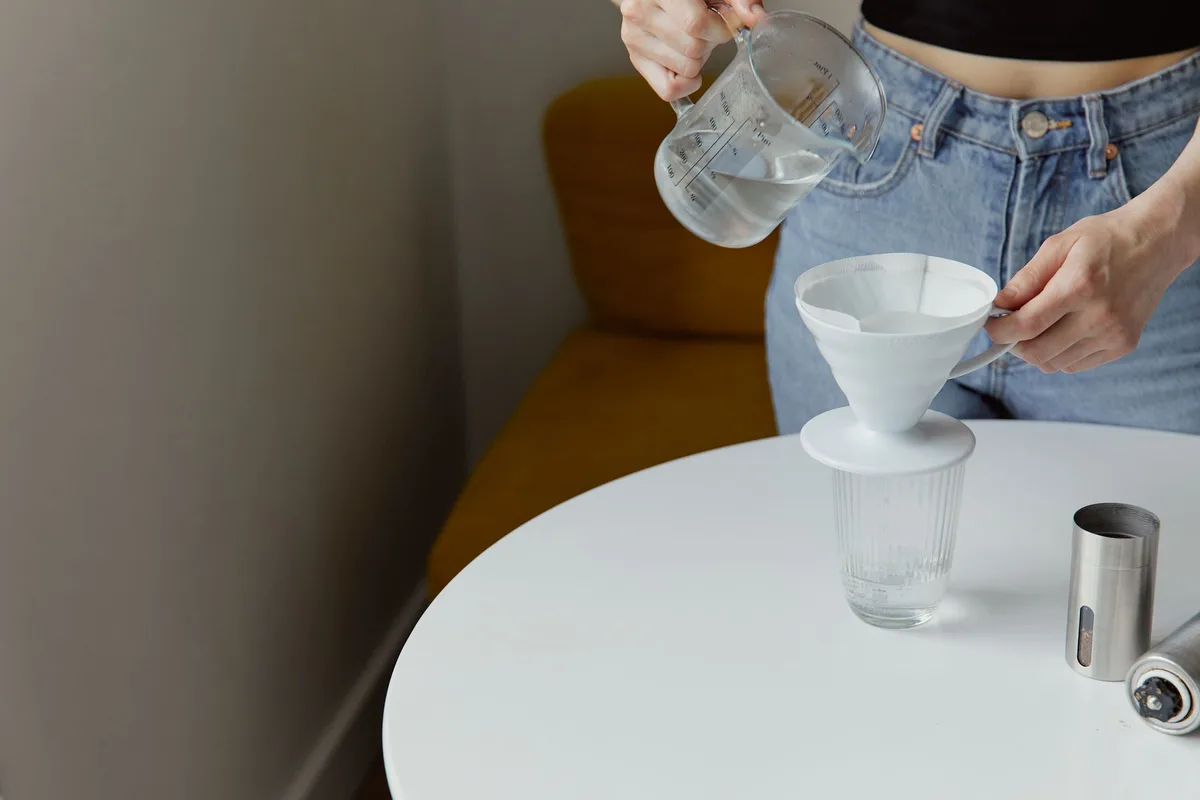
Brita filters aren't designed to make tap water crystal clear by removing every single particle, like some advanced filtration systems might. Instead, their primary goal is to improve the taste and odor of water, often by tackling specific common impurities found in municipal water supplies. Think of them as a significant upgrade for your everyday drinking water, rather than a medical-grade purification system.
This type of filtration is what’s known as adsorption and ion exchange. These are chemical and physical processes that work together. What’s key is how these processes are implemented within the filter’s design, ensuring water spends enough time interacting with the cleaning media for effective contaminant reduction.
What Does Activated Carbon Actually Do?
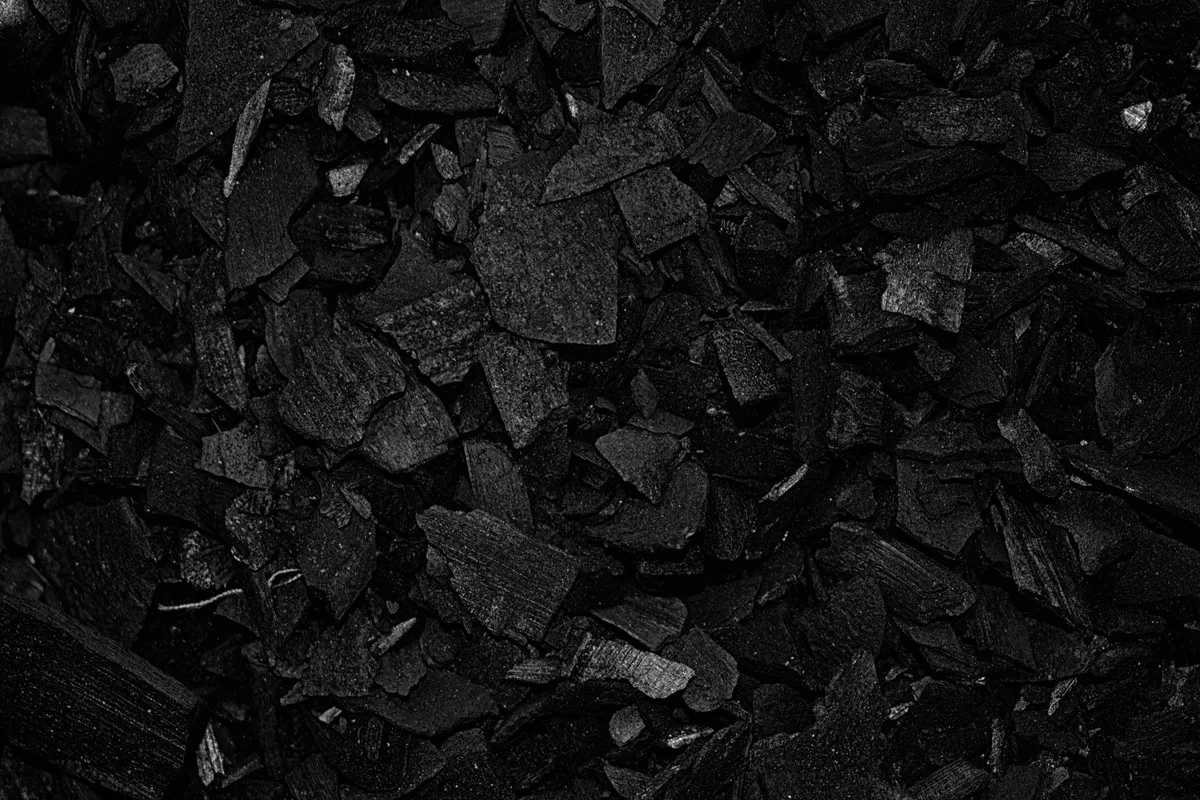
Activated carbon is the workhorse of most Brita filters. It’s essentially charcoal that’s been processed to be incredibly porous, meaning it has a massive internal surface area packed with tiny holes. This structure makes it fantastic at trapping certain impurities.
Manufacturer specifications indicate that this material is highly effective at adsorbing chlorine, which is often added to tap water as a disinfectant but can impart an unpleasant taste and smell. It can also bind to other organic compounds and some heavy metals like copper and mercury. The sheer surface area allows for a higher concentration of these contaminants to be captured as water flows through.
Ion-Exchange Resin: The Mineral Swapper
Alongside the activated carbon, you’ll find ion-exchange resin beads. These tiny beads play a crucial role in reducing minerals that cause water hardness, like calcium and magnesium. They work through a process called ion exchange, where they swap out these charged mineral ions for less noticeable ones, typically sodium or hydrogen.
This process not only helps to soften the water, which can improve its taste and reduce scale buildup in appliances, but it’s also targeted at other specific contaminants. According to aggregate user reviews and laboratory testing data from various research bodies, this resin can also effectively reduce certain heavy metals such as lead and cadmium.

The Filter Housing and Fibers
The components mentioned, activated carbon and ion-exchange resin, are held together within the filter’s outer housing. This housing is typically made from food-grade plastic, ensuring it’s safe for contact with drinking water. Within this structure, you'll often find a fibrous mesh or screen.
This mesh acts as a physical barrier, serving as a pre-filter. Its job is to catch larger sediment, silt, and other particulate matter, preventing them from clogging the more sensitive activated carbon and ion-exchange resin. By removing these larger particles first, it helps ensure the activated carbon and resin have maximum contact time with dissolved impurities, improving the overall efficiency of the filtration process.
How These Parts Improve Your Water
Putting activated carbon, ion-exchange resin, and a pre-filtering mesh together in one cartridge creates a multi-stage approach to water improvement. The primary goal is to make your tap water more palatable and to reduce specific contaminants that can be problematic.
The activated carbon is your first line of defense against that characteristic chlorine smell and taste. As water passes through its porous structure, chlorine molecules are trapped through adsorption, leaving a cleaner, fresher flavor. Simultanously, the ion-exchange resin is busy; if your water is hard, it's swapping out calcium and magnesium ions for more neutral ones. This softening not only impacts taste but can also make your coffee and tea taste a bit richer by allowing flavors to come through more clearly.
Furthermore, both media work to reduce a range of heavy metals that might be present, ensuring a safer drinking experience.
Brita Filters vs. Plain Tap Water
The difference between filtered Brita water and plain tap water often comes down to taste, odor, and the reduction of specific substances. Tap water, while generally safe to drink in most developed areas, still contains dissolved minerals, chlorine, and sometimes trace amounts of other compounds. Brita filters are designed to reduce many of these.
Specifically, Brita filters target chlorine, which can give tap water a distinct chemical taste and smell. They also aim to reduce lead, copper, and mercury if present in your water. Additionally, the ion-exchange resin works to soften hard water by reducing calcium and magnesium. While tap water meets regulatory standards for safety, Brita filters offer an enhanced drinking experience for those sensitive to taste or concerned about specific common tap water constituents.
Brita Filters: Who Benefits Most?
Brita filters are a great fit for a wide range of households looking to improve their daily water quality. If you live in an area with noticeable chlorine in your tap water, you'll likely appreciate the significant improvement in taste and smell. This is one of the most commonly cited benefits in customer feedback.
People living in regions with hard water also stand to gain. By reducing calcium and magnesium content, Brita filters can contribute to less limescale buildup in kettles and coffee makers, and some users report that beverages made with filtered water taste better. Furthermore, those who are concerned about potential lead or copper contamination from older plumbing systems can find peace of mind, as these filters are rated to reduce such metals. Our research indicates that for average household water, a Brita filter provides a good balance of performance and cost-effectiveness.
Common Misconceptions About Brita Filters
While Brita filters are fantastic for improving taste and reducing common contaminants, there are a few misunderstandings that pop up. One big one is expecting them to purify water like a reverse osmosis system. Brita filters aren't designed to remove fluoride, viruses, bacteria, or dissolved solids like salts and minerals to that extent.
Another common misconception is that a filter lasts forever. Manufacturer specifications consistently state that filters have a finite lifespan, typically around 40 gallons or two months, whichever comes first, depending on the specific model and usage. Exceeding this can lead to diminished performance or even have the filter start releasing trapped contaminants back into the water. It’s crucial to follow the recommended replacement schedule for optimal results.
Brita Filters vs. Other Options On the Market
When you're looking at water filtration, Brita is just one piece of the puzzle. You've got everything from simple pitcher filters like Brita to whole-house systems, faucet attachments, and even bottle filters. Each has its own strengths and what it’s best suited for.
For instance, pitcher filters like the standard Brita are excellent for improving the taste of drinking water for an individual or small household. They're low-cost and easy to use. On the other hand, faucet filters offer convenience by providing filtered water directly from your tap, but they can reduce water flow. Whole-house systems are the most comprehensive, filtering all water entering your home, but they come with a higher initial cost and professional installation.
Brita Filters: What Are They Best For?
Brita filters shine when your main concern is improving the taste and odor of your tap water. If you find chlorine, sulfur, or other common municipal water tastes off-putting, a Brita pitcher is an incredibly effective solution. They’re essentially aiming for a "cleaner" drinking experience.
They are also a solid choice for reducing specific heavy metals like lead and copper, which can sometimes be a concern depending on your home’s plumbing. If your tap water is moderately hard, the ion-exchange resin will offer some degree of softening. For the average home looking for a cost-effective way to make their drinking water more enjoyable and less prone to these specific issues, a Brita filter is a practical and accessible option as of 2026.
Common Mistakes to Avoid With Your Brita
One of the simplest mistakes people make is not rinsing their new filter before inserting it. Manufacturer guidelines often suggest a quick rinse to remove any loose carbon dust. This dust is harmless but can make the first few batches of water look cloudy.
Another frequent error is forgetting to replace the filter on time. When a filter is past its prime, its capacity to adsorb impurities is exhausted. It’s like a sponge that’s completely saturated, it can’t absorb any more. This means chlorine and other contaminants your filter was designed to catch can start passing through, meaning you’re essentially drinking unfiltered tap water again, but with a false sense of security.
Paying attention to the indicator lights or tracking filter changes is key.
When Does Your Brita Filter Need Replacing?
Figuring out when to swap out your Brita filter boils down to a couple of key indicators, and it’s not something to eyeball. The most reliable method is to follow the manufacturer's recommendation, which is typically based on either time or the volume of water filtered, whichever comes first. For most standard Brita pitcher filters, this timeframe is around two months or after approximately 40 gallons of water have passed through.
Why is this so important? When the filter’s activated carbon and ion-exchange resin become saturated with contaminants, they simply stop working effectively. In some cases, an overly saturated filter could even start releasing trapped particles back into the water. Some Brita pitchers come with electronic indicators that track filter usage, prompting you to change it.
If yours doesn't, it’s good practice to mark your calendar or keep a log.