How Often to Change Fridge Water Filter,,i,n/a,0,590 in 2026
When you first got your refrigerator, that built-in water dispenser probably seemed like a neat bonus. But now, you're wondering about its upkeep, and specifically, how often to change fridge water filter,,I,n/a,0,590. It's a question that doesn't have a single, straightforward answer because it really depends on your household and where you live. Skipping this maintenance can mean more than just a clogged filter; it can affect taste and even the purity of your water.
Most manufacturers recommend a six-month replacement interval, a standard benchmark for average use. However, real-world conditions can drastically shorten that lifespan. Our research shows that factors like your local water quality and how much water you actually drink can mean the difference between a filter lasting just three months or potentially eight. Getting this right ensures your dispenser works efficiently and provides the clean, fresh water you expect.
Your Filter's Timeline: It's Not Just About Time
The lifespan of your refrigerator's water filter isn't written in stone; it's more of a guideline that needs tuning based on your specific environment and usage. Think of it as a small but vital part of your home's plumbing system, working constantly to improve your water.
The Main Factors Influencing Filter Life
There are a few key ingredients that go into determining how quickly your filter will do its job and eventually need replacing.
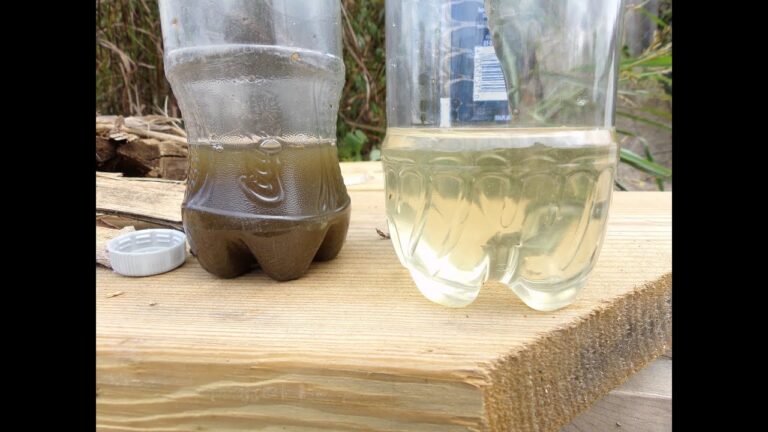
- Water Quality: This is the big one. If your municipal water supply has a high mineral content (hard water), lots of sediment, or a strong chlorine smell, your filter is working overtime. Manufacturer specifications on filtration media, like activated carbon, indicate that these materials have a finite capacity to absorb impurities. Poor quality water will saturate these materials faster.
- Water Usage: How much water do you dispense daily? A single person might use the dispenser a few times a week, while a large family might use it for drinking, cooking, and filling up multiple water bottles daily, plus constant ice production. The more water that passes through the filter, the more it wears down. Aggregate reviews report that households with higher water consumption consistently need to replace filters more frequently than those with lighter use.
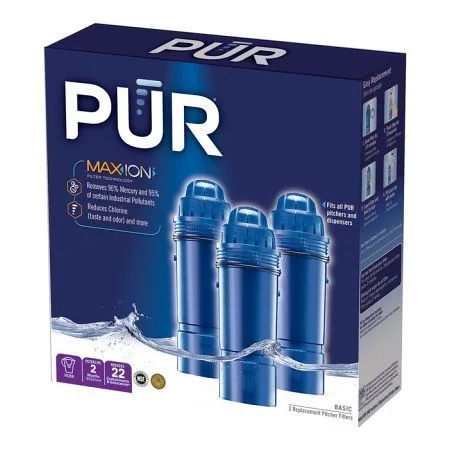
- Filter Type and Capacity: Different filters are designed with varying capabilities. Some focus on basic sediment and chlorine reduction, while others are engineered for more specific contaminants. The rated capacity, often measured in gallons filtered, is a crucial metric, though many users don't track their usage precisely. As of 2026, standard refrigerator filters are often rated for around 300-500 gallons before needing replacement.
Let's Figure Out Your Best Bet
Instead of guessing, we can use a few simple checks to get a clearer idea of when you should plan to swap out your fridge's water filter.
Questions to Guide Your Filter Change Schedule
To nail down the best change frequency for your fridge and your lifestyle, ask yourself these practical questions:
- When was the last filter change? If you can’t recall, or it’s been longer than six months, it’s likely time to consider a replacement.
- Is the water flow from your dispenser noticeably slower than it used to be? This is a primary indicator that the filter is becoming clogged with impurities.
- Has the taste or smell of your dispensed water changed? If it no longer tastes crisp and clean, or if you detect any off-flavors or odors, the filter is likely not working as effectively as it should.
- How many people regularly use the refrigerator's water dispenser and ice maker? A household of four will use significantly more water than a household of one, directly impacting the filter's usage rate.
- Do you know anything about your local water quality? A quick search for your municipal water provider's annual water quality report can provide valuable insights into common local contaminants and treatment methods, helping you gauge the filter's workload.
A General Guideline to Start With
For most households with average water quality and moderate usage, the manufacturer-recommended interval is a sensible starting point. This generally means changing your refrigerator water filter every six months. This timeframe balances consistent filter performance with reasonable maintenance effort.
Adjusting for Your Specific Needs
- If you have heavy usage or poor water quality: This means a large family, frequent dispenser use for cooking or large water bottles, and/or water known to be high in sediment or chlorine. In these cases, you might need to consider changing the filter every three to four months. Think about this if your water flow slows down noticeably well before the six-month mark.
- If you have light usage and excellent water quality: If you’re a one or two-person household, rarely use the dispenser, and live in an area with exceptionally clean, well-treated water, you could potentially stretch the interval. However, even then, staying within eight to ten months is a safer bet to ensure continued performance and avoid potential issues. Six months remains a solid, reliable baseline even for lighter use cases.
Signs It's Definitely Time for a New Filter
Sometimes, your refrigerator or its water system will give you pretty clear signals that the filter needs to be swapped out. Ignoring these signs means you’re likely drinking less-than-ideal water.
Slow Water Flow? That's a Clue.
One of the most common and undeniable signs that your fridge water filter is clogged is a significant reduction in water flow rate. When you press the dispenser lever, the water trickles out instead of flowing steadily. This happens because accumulated sediment, minerals, and other particles are physically blocking the filter's pores.
If you've noticed this slowdown, manufacturer guidelines typically suggest replacing the filter. For instance, specifications for common filter models often indicate a maximum throughput, and a sharp decrease in flow means you’re approaching or have exceeded that capacity.
Taste and Odor Changes: Your First Warning.
Beyond just flow rate, your senses are often the best detectors of a failing filter. If your drinking water starts to develop an off-taste, perhaps metallic, chemical, or simply "stale", it's a strong indicator that the filter's media, often activated carbon, is saturated. Activated carbon works by adsorbing impurities like chlorine, which is responsible for that "swimming pool" smell and taste. Once it's full, it can no longer effectively perform this function.
Similarly, any unusual odors can also point to a compromised filter. The filter is designed to remove various compounds that can cause unpleasant smells. If those compounds are no longer being trapped, they’ll reach your glass. According to consumer feedback analysis, taste and odor issues are the second most frequent reason users report replacing their refrigerator filters, right after slow flow.
Common Mistakes When Changing Your Fridge Filter
Even when you decide it's time to change the filter, there are a couple of common missteps that can cause frustration or reduce the effectiveness of the new filter.
Waiting Too Long: The Biggest Pitfall.
The most prevalent mistake is simply waiting until the water flow is almost nonexistent or the taste is truly awful. As we've discussed, this means the filter has been overloaded for some time. This prolonged overload can potentially push sediment through the system or lead to the filter media becoming less effective overall. It takes a toll on the filter and might mean you’ve been drinking sub-optimally filtered water for weeks, or even months.
Using the Wrong Filter Type.
Not all refrigerator water filters are created equal, and using an incompatible or generic filter can cause problems. Some filters are designed for specific refrigerator models or brands. Using a filter that doesn't have the correct seal or internal specifications can lead to leaks, a poor seal, and ineffective filtration. It might even damage the filter housing, leading to costly repairs.
Always confirm the filter model number recommended by your refrigerator's manufacturer. This precise specification is crucial for optimal performance and safety.
Expert Tips for Filter Longevity and Maintenance
While changing the filter is the main maintenance task, a few simple practices can help you get the most out of your current filter and ensure the new one works flawlessly.
- Follow Manufacturer Recommendations: Your refrigerator's user manual is the definitive source for filter type and recommended replacement intervals. Stick to these guidelines as much as possible.
- Note the Date: When you install a new filter, jot down the date on a piece of tape and stick it inside your refrigerator door, or set a recurring calendar reminder. This simple step prevents you from forgetting and ensures you stay on track with replacements.
- Flush New Filters: After installing a new filter, run a significant amount of water through the dispenser (usually a few gallons, check your manual). This process, known as flushing, removes any air trapped in the system and rinses out any loose carbon fines that might be present in new filters, preventing cloudy water or initial taste issues.
- Clean the Dispenser Area: Regularly wipe down the area around your water dispenser to prevent grime buildup. This is good general hygiene and ensures that when you do change the filter, you're not dealing with sticky residue around the housing.
- Monitor Performance: Pay attention to the water flow and taste. If you notice issues cropping up significantly before your scheduled change date, re-evaluate your usage and local water quality. You may need to adjust your schedule to a more frequent interval.
What Are the Alternatives to Fridge Filters?
If you’re finding the maintenance or cost of a fridge water filter a bit much, or if you're looking for different filtration levels, you're not out of options. There are several other ways to get filtered water in your home.
- Pitcher Water Filters: These are very common and user-friendly. You fill the pitcher with tap water, and it filters through a cartridge into the pitcher reservoir. They're great for small households or for anyone who just wants filtered water for drinking by the glass. They're portable and don't require installation, but they have smaller capacities and often require more frequent filter changes than a fridge filter.
- Faucet-Mounted Water Filters: These attach directly to your existing kitchen faucet. You typically switch them on and off with a lever. They offer filtered water on demand and are relatively easy to install. However, they can sometimes slow down your regular faucet flow and may not fit all faucet types. Their filter cartridges also have varying lifespans, often comparable to fridge filters.
- Under-Sink Water Filtration Systems: These are more robust systems installed beneath your sink, often with a dedicated filtered water faucet. They typically offer higher filtration levels and longer filter life than other methods. They do require professional installation and take up cabinet space, and the initial cost is significantly higher, but they can provide a very high volume of consistently filtered water.