How Often Do You Change a Refrigerator Water Filter: Honest Review 2026
So, how often do you change a refrigerator water filter? It's a question many folks ponder, often wondering if that six-month mark is set in stone or just a suggestion. Keeping your fridge's water dispenser in top shape isn't complicated, but getting the filter replacement schedule right ensures you consistently get clean, good-tasting water.
Manufacturer specifications typically recommend a replacement every six months, a widely adopted standard for maintaining filter effectiveness. However, this timeframe can shift quite a bit based on how you use your fridge and the quality of your tap water. We'll break down exactly what influences this, so you can dial in the perfect schedule for your household.
Why Bother Changing Your Refrigerator Water Filter?
Think of your refrigerator's water filter as a tiny guardian for your drinking water. Its primary job is to trap impurities like sediment, chlorine, and other particles that can affect taste, odor, and clarity. This process ensures the water and ice coming from your dispenser are as pure and fresh as possible.
Understanding the Filter's Job and Why It Clogs
At its core, a refrigerator water filter uses various media, often activated carbon, to adsorb contaminants. Activated carbon has a porous structure with a huge surface area, perfect for trapping dissolved impurities. However, this large surface area can only hold so much before it becomes saturated.
When the filter's media fills up with trapped particles and chemicals, its ability to filter effectively diminishes. This clogging process leads to several noticeable issues. The water flow from your dispenser might slow down significantly, and the water or ice might start to develop an undesirable taste or smell. If left unaddressed, a severely clogged filter can even put unnecessary strain on your refrigerator's water dispensing system, potentially leading to premature wear and tear.
When Should You Replace Your Refrigerator Water Filter?
The most common advice you'll hear is to change your refrigerator water filter every six months. This is a good general guideline that many manufacturers put on their packaging and in their manuals. It's a simple, memorable schedule that works well for a lot of households.
The 6-Month Rule (And Why It's Not Always Enough)
This six-month benchmark is a solid, reliable starting point. It's based on average usage patterns and typical water quality found in many developed areas. By sticking to it, you're generally ensuring that the filter has enough capacity to perform adequately for a substantial period without becoming completely overwhelmed. As of 2026, this remains a widely accepted industry standard recommendation.
However, our research indicates this is a baseline. What works for one home might not be optimal for another. Several factors influence how quickly a filter actually reaches its capacity and needs replacing. Ignoring these can mean you're either replacing it too soon (wasting money) or too late (compromising water quality).
Signs Your Filter Needs Changing (Listen to Your Fridge!)
Your refrigerator is pretty good at letting you know when something's up, and the water filter is no exception. The most obvious indicator is a change in your water or ice. If you notice that the water is dispensing much slower than it used to, it's a strong sign the filter is clogged and struggling to push water through.
You might also detect a difference in taste or smell. If your usually crisp water suddenly has a chlorine taste, or if your ice cubes start to smell a bit 'off,' the filter is likely no longer effectively removing impurities. Some refrigerators also feature an indicator light or a digital message that signals when it's time to replace the filter. Always pay attention to these cues from your appliance; they're your first line of defense against diminished water quality.
Factors That Affect Your Filter's Lifespan
That six-month recommendation is an average, but your reality might be quite different. Two major factors play a huge role in how long a filter can effectively work: how much water you use and the quality of that water in the first place. Understanding these will help you fine-tune your replacement schedule.
How Much Water You Use Matters
If you and your family are constantly filling up water bottles, making pitchers of iced tea, or using the ice dispenser frequently, your filter is working overtime. Every gallon that passes through it uses up some of its filtering capacity. Aggregate user reviews show that households with high water consumption often need to replace their filters more frequently, sometimes as often as every 3 to 4 months.
Conversely, if you're a single person or a small household that only uses the water dispenser occasionally, your filter will naturally last longer. It's not just about calendar time; it's about the volume of water processed. Manufacturer specs confirm that filter lifespan is often rated in gallons, so heavy usage directly correlates to a shorter filter life.
Your Local Water Quality: A Big Influence
Where you live significantly impacts how hard your refrigerator's water filter has to work. If your tap water is known to be hard, meaning it has a high mineral content, or if it contains a lot of sediment, your filter will clog up much faster than in areas with soft, cleaner water.
Think of it like driving your car. If you mostly drive on smooth, clean highways, your car will stay cleaner and parts will wear slower than if you're constantly driving on dusty, unpaved roads. Similarly, filters in areas with high sediment or mineral content will become saturated with these particles sooner, reducing their effectiveness and necessitating more frequent replacements. This is why some areas might see filters lasting only 3 months, while others can comfortably get 6-9 months, even with similar usage.
A Simple Decision Guide for Filter Changes
Deciding precisely when to swap out your refrigerator water filter doesn't need to be a guessing game. By following a few key steps and paying attention to your specific circumstances, you can create a replacement strategy that works best for you. This approach helps you avoid both premature replacements and filters that have long overstayed their welcome.
1. Check Your Refrigerator Manual
Your refrigerator's manufacturer is the ultimate authority on how to care for its specific components, including the water filter. Inside your owner's manual, you'll find detailed instructions unique to your model. This includes the recommended replacement interval, which is often stated as a specific number of months or a maximum number of gallons processed.
Some manuals also provide guidance on how to identify which filter model your refrigerator uses, which is crucial when buying replacements. If you've misplaced your physical manual, most manufacturers have digital versions available on their official websites, easily searchable by your refrigerator's model number. This is the most reliable starting point for determining your filter's baseline replacement schedule.
2. Assess Your Usage and Water Quality
Once you know the manufacturer's recommendation, consider your household's actual water consumption and the quality of your tap water. Are you a high-volume user, constantly filling bottles or making ice? Does your water have a noticeable taste, smell, or visible sediment?
If your usage is high or your water quality is poor (e.g., hard water, high chlorine levels), you'll likely need to replace your filter more frequently than the recommended six months. Many users find that replacing the filter every 3 to 4 months is more appropriate in these conditions. Conversely, if you use the dispenser sparingly and have good quality tap water, you might be able to adhere closely to the six-month guideline or even extend it slightly, though going beyond nine months is generally not advisable.
3. React to Performance Issues
Even if the six-month mark hasn't arrived, or you think you're within your recommended usage, pay attention to your refrigerator's water dispenser performance. The most common and immediate sign that a filter needs changing is a noticeable slowdown in water flow. If it takes significantly longer than usual to fill a glass, the filter's media is likely becoming saturated.
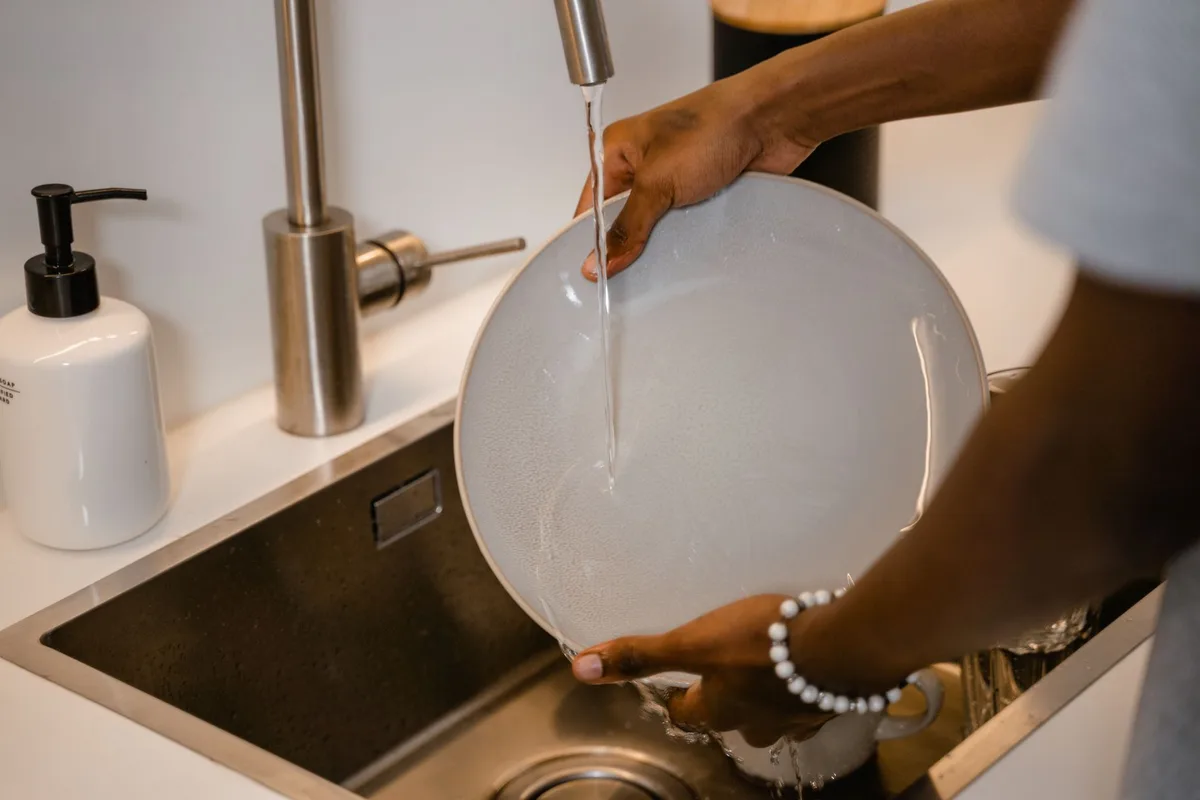
Another critical indicator is any change in taste or odor. If your water or ice suddenly tastes or smells like chlorine, has a metallic tang, or exhibits any other off-flavors, the filter is no longer doing its job and should be replaced immediately. Don't wait for the calendar to catch up; these sensory cues are direct signals that your filter's effectiveness has been compromised.
Common Mistakes People Make with Filter Changes
When it comes to refrigerator water filters, there are a few common traps that can lead to less-than-ideal water quality or unnecessary costs. One of the most frequent mistakes is simply forgetting to change the filter altogether. We all get busy, and if your fridge doesn't have a prominent indicator light, it's easy to let months slip by.
Another common error is using the wrong type of filter. While many filters might look similar, they are designed for specific refrigerator models and water conditions. Using an incompatible filter isn't effective; it can cause leaks or, at best, won't filter your water properly. Always double-check the filter number matching your refrigerator's manual before purchasing a replacement.
Finally, some people wait too long to replace their filters. They might notice the water flow has slowed or the taste is slightly off but decide to "ride it out" until the next scheduled replacement. This compromises the quality of your drinking water and can put unnecessary stress on your refrigerator's water system. It’s better to err on the side of caution and replace it a bit sooner if you notice any of these performance degradations.
Benefits of Keeping Up with Filter Replacement
Staying on top of your refrigerator water filter replacement schedule offers pretty significant perks. First and foremost, it ensures you're consistently drinking the cleanest, best-tasting water possible. That crisp, pure flavor you expect from your dispenser is directly linked to a functional filter that's actively removing chlorine and other contaminants.
Beyond just taste, a well-maintained filter contributes to the overall health of your refrigerator's water system. By effectively trapping sediment and particles, the filter prevents them from circulating and potentially clogging the dispenser lines or ice maker components. This can help extend the lifespan of your appliance and reduce the likelihood of costly repairs down the line. Manufacturer recommendations for timely replacement are key maintenance steps for optimal appliance performance.
Steps to Replacing Your Refrigerator Water Filter
Replacing your refrigerator water filter is a straightforward process, typically designed to be done by the homeowner without needing a professional. While the exact location and mechanism can vary slightly between refrigerator brands and models, the general steps are quite consistent. The most crucial part is ensuring you have the correct replacement filter for your specific refrigerator model.
Where to Find the Filter
First, you need to locate your refrigerator's water filter. In most models, it's found inside the refrigerator compartment, often in the upper right-hand corner. Some models may have it located at the bottom grille of the refrigerator, or even behind the crisper drawers. Consult your owner's manual if you're having trouble finding it.
Removing the Old Filter
Once you've located the filter housing, you'll typically need to twist the old filter counter-clockwise. Some filters might have a push-button release mechanism instead of a twist-and-pull feature. Manufacturer documentation will detail if you need to shut off the water supply, though most modern systems do not require this as the filter housing itself has a built-in shut-off valve. Be prepared for a small amount of water to drain out when you remove the old filter; it's a good idea to have a towel or shallow pan handy.
Installing the New Filter
Before installing the new filter, it's often recommended to rinse it with cool water for a minute or two. This helps flush out any loose carbon fines and primes the filter. Then, align the new filter with the housing and twist it clockwise until it locks into place. You should feel it secure itself.
After the filter is installed, run several gallons of water through the dispenser to flush the new filter. This process is critical for removing any air bubbles and residual carbon dust, ensuring your water is clear and tastes fresh. Your refrigerator's filter indicator light, if applicable, will usually need to be reset according to the instructions in your manual.
Understanding Filter Specifications and Types
Beyond just model compatibility, understanding a filter's specifications can help you choose the best option for your needs. Filters vary in their filtering capabilities, capacity, and the types of contaminants they target. Different filter media offer different levels of purification, so knowing what's important to you is key.
What Those Filter Specs Actually Mean
When you look at filter packaging or product descriptions, you'll often see terms like "micron rating" or "NSF certification." A micron rating tells you the size of the smallest particle the filter can effectively remove. For instance, a filter with a 0.5-micron rating will capture particles down to half a micron in size.
NSF certifications are voluntary standards developed by the National Sanitation Foundation (now NSF International). These certifications indicate that the filter has been tested and verified to effectively reduce specific contaminants, such as lead, chlorine, or certain bacteria. Look for certifications like NSF/ANSI 42 (for aesthetic effects like taste and odor) and NSF/ANSI 53 (for health effects like lead reduction) to ensure your filter performs as advertised.
Common Filter Types
- Activated Carbon Filters: These are the most common type. They excel at reducing chlorine taste and odor, as well as volatile organic compounds (VOCs).
- Sediment Filters: These filters are designed to trap larger particles like sand, dirt, and rust. They are often a pre-filter stage in multi-stage systems.
- Specialty Filters: Some filters are designed to target specific issues, such as lead reduction, cysts, or even pharmaceuticals in the water.
When choosing, consider what you want to achieve. If your main concern is chlorine taste, a good activated carbon filter will do the trick. If you have serious water quality concerns, you might need a filter with a higher micron rating or a specific NSF certification for health contaminants.
Do Filter Indicator Lights Really Matter?
Many modern refrigerators come equipped with a filter status indicator light or a digital message that alerts you when it's time to replace the filter. These indicators are incredibly helpful as they take the guesswork out of remembering your replacement schedule. They often use a simple countdown timer or a more sophisticated flow sensor to estimate when the filter's capacity is nearing its end.
How Those Indicators Work
The most common type of indicator is a simple timer that resets to a default replacement cycle, typically six months. It counts down the days or months regardless of how much water has actually passed through the filter. While convenient, this method isn't always the most accurate reflection of the filter's true saturation level.
Other refrigerators use flow meters that measure the actual volume of water dispensed. This provides a more precise indication of when the filter's rated capacity has been reached. For households with high water usage, this type of indicator is particularly useful, prompting replacement based on actual performance rather than just elapsed time.
Trusting vs. Verifying Your Indicator
While these indicator lights are a fantastic tool, they are not always foolproof. If your refrigerator uses a timed system and you have a low-usage household, the indicator might light up long before the filter is actually exhausted. Conversely, if you have very high usage or poor water quality that clogs the filter rapidly, the indicator might not trigger until the filter is already underperforming.
It's always wise to combine the indicator light with sensory checks. If the light comes on, but your water still tastes and flows perfectly, you might be able to wait a little longer. However, if the light hasn't come on, but you're experiencing slow flow or off-tastes, don't hesitate to replace the filter. Use the indicator as a guide, but your own observations are crucial.
What Happens If I Don't Change My Refrigerator Water Filter?
Ignoring that reminder to change your refrigerator water filter has a few predictable, and not very pleasant, outcomes. The most immediate effect is a decline in the quality of your water and ice. The filter's ability to trap impurities diminishes as it becomes saturated.
This means that the chlorine, sediment, and other particles it was designed to remove will start passing through. You'll likely notice a distinct change in taste and odor. The water might taste flat, metallic, or distinctly 'of the tap' again. Ice cubes could also develop unpleasant smells or tastes, making your drinks less enjoyable.
Beyond Taste: Performance and Potential Risks
The consequences go beyond just taste and smell. A clogged filter restricts water flow. Your dispenser will start dispensing water at a much slower rate, which can be a real annoyance for busy households. This reduced flow can also put added stress on the refrigerator's pump and water lines, potentially shortening their lifespan.
In some cases, extended use of a severely clogged filter can potentially lead to issues with the ice maker. If sediment builds up, it can interfere with the ice-making mechanism. While less common, there's also a theoretical risk of bacteria growth within a saturated filter if conditions are right over a very long period, although this is rare with typical municipal water supplies. Manufacturer specifications for timely replacement are designed to prevent these issues and ensure your appliance functions optimally.