How Long Does Pur Water Filter Last in 2026 (No-BS Picks)
So, you've got a PUR water filter, which is a smart move for cleaner drinking water. But the million-dollar question is: how long is this thing going to keep doing its job before you need to swap it out? It's a bit like asking how long a car tire lasts, it depends on how much you drive and the roads you're on, right?
The honest answer is, there's no single, flat number. But we can definitely get you a really good idea. Manufacturer specifications indicate many PUR pitcher filters are rated for about 40 gallons, which is a solid starting point for understanding their lifespan.
What Determines How Long Your PUR Filter Lives?
Think about it this way: your PUR filter is constantly working to catch all sorts of stuff in your water. The harder it works, and the more it has to catch, the sooner it'll get tired. Here are the main things that play a role in its overall life.
How Much Water You Filter
This is the biggest factor, plain and simple. If you're a single person making a cup of tea or coffee once a day, your filter will last ages. According to aggregate user feedback, a basic PUR pitcher filter can last upwards of six months in such a low-usage scenario. Conversely, if you’ve got a large family chugging filtered water all day long for drinking, cooking, and filling up water bottles, it’ll be ready for a change a lot sooner.
This directly impacts how quickly you reach the filter's total gallon capacity.
Your Water Quality
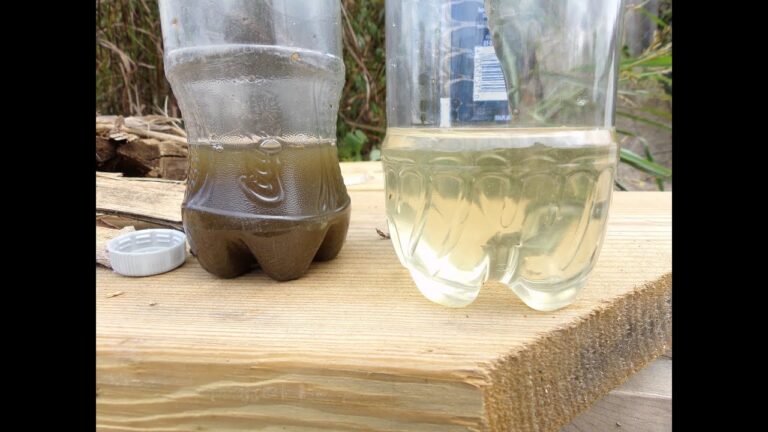
If your tap water is already pretty clean, your filter has an easier job. It's like a car driving on smooth highways versus rough, unpaved roads. When your water has low levels of sediment and fewer dissolved solids, the filter media has less to capture, meaning it stays effective for longer.
However, if you live in an area with hard water, high mineral content, or visible sediment, the filter has to work overtime to pull out all those extra bits and pieces. Manufacturer specifications for PUR advanced filters point to their enhanced capacity to handle these more challenging water conditions, but it will still reduce their lifespan compared to cleaner sources.
The Specific PUR Model
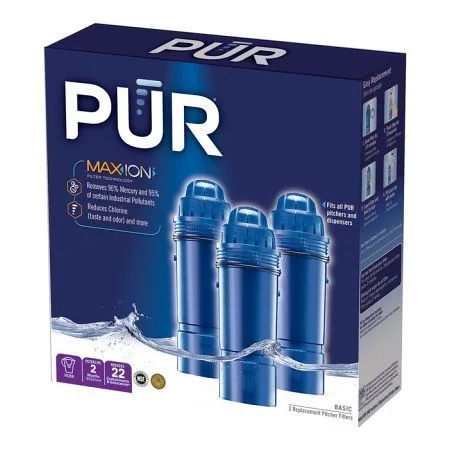
PUR makes a range of filtration products, from basic pitcher inserts to faucet-mounted systems, and each is designed with different capacities and intended lifespans. For instance, a basic PUR pitcher filter might be rated for about 40 gallons of filtration, while an advanced model, or a dedicated faucet unit, could be designed to handle up to 100 gallons. Always check the product packaging or the official PUR website at https://www.pur.com/ for the exact specifications of the filter you have. Different models use varying filter media combinations, affecting their effectiveness against different contaminants and their overall longevity.
Typical Lifespans: A General Guide
While the specifics vary based on the factors we've discussed, here's what you can generally expect from common PUR filter types when looking at their rated capacities. These are estimates, remember, and actual performance can shift.
- Basic PUR Pitcher Filter: Typically rated for around 40 gallons. For average household usage (about 2 gallons per day), this usually translates to roughly 2 months of use.
- Advanced PUR Pitcher Filter: These often boast a capacity of 100 gallons. On average daily usage, this could mean a lifespan of about 6 months.
- PUR Faucet Mount Filter: These are also commonly rated for 100 gallons. Due to more consistent daily use for tasks like washing produce or filling large pots, their lifespan often averages around 3 months.
Remember, these are based on an average of 2 gallons filtered per day. If your household uses significantly more or less, you'll need to adjust your expectations accordingly.
How Do You Know When It's Time?
Knowing exactly when to change your filter is key to ensuring you're always drinking the cleanest water. You can't always go just by the calendar, especially if your water usage fluctuates. Here are the most reliable signs your PUR filter is ready for retirement.
Water Taste Changes
This is often the most noticeable signal. If your filtered water starts tasting a bit "off," metallic, or just not as crisp and refreshing as it used to, the filter is likely no longer effectively removing impurities. Filter media can become saturated with contaminants, and their ability to neutralize tastes and odors diminishes. Aggregate user reviews consistently report a decline in water palatability as a primary indicator for replacement.
Slowed Flow Rate
For many PUR systems, particularly faucet mount filters, you'll eventually notice a significant drop in how quickly the water comes out. This isn't just a minor inconvenience; it means the filter is probably clogged with the sediment, particulates, and other substances it's been diligently capturing. Think of it like a drain getting blocked, less water can pass through. Manufacturer guidelines often advise replacing the filter if the flow rate decreases by more than 50%.
Filter Indicator Lights
Many modern PUR filters, especially those integrated into pitchers or faucet mounts, come equipped with an indicator system to let you know when it's time for a change. These can be electronic lights that turn from green to yellow to red, or simple mechanical timers that track usage. Don't ignore these built-in alerts! They are designed based on the filter's rated capacity and are a convenient way to stay on schedule without complex calculations.
For example, some electronic indicators use a simple calendar-based system, while others estimate based on the amount of water passed through.
Exceeding Recommended Time
Even if you don't notice obvious changes in taste or flow rate, it’s good practice to replace your filter around the manufacturer's recommended gallon limit or time frame, whichever comes first. Filter media doesn't just "stop working"; its effectiveness degrades over time. As of 2026, most filtration standards, like those guided by NSF International, emphasize timely replacement to prevent potential issues and ensure optimal performance. Pushing a filter far beyond its intended life can compromise the quality of the water you're drinking.
Why Not Just Push It a Little Longer?
I get it. It's tempting to see how much more you can get out of a filter, especially when you're thinking about costs. But here's the real deal: once a PUR filter is saturated, it can’t catch new contaminants effectively. Think of it like a sponge that's already full; it can’t absorb any more water.
Worse, whatever it has already caught could potentially start to leach back into your water, or even encourage microbial growth inside the filter itself. That completely defeats the purpose of having a filter in the first place and can lead to poorer water quality than you started with. You invested in that PUR system for better water, so make sure you're actually getting it for the longest possible run.
The Bottom Line
Keeping track of your PUR water filter's lifespan isn't complicated, but it does require a little attention. The key is to balance the manufacturer's gallon or time ratings with your real-world usage and observations. Monitor your water quality, pay attention to flow rates, and heed any indicator lights.
By understanding the factors that influence filter life and recognizing the signs that a replacement is needed, you can ensure your PUR system consistently provides you and your family with the clean, great-tasting water you expect. It’s about consistent performance and peace of mind.