How Do You Filter Salt Out of Water 2026: Worth Your Money
So, you've got salty water and need to figure out how do you filter salt out of water effectively? It’s a common puzzle, especially if you live near the coast, get your water from a well, or face drought conditions. Too much salt, or salinity, isn't just about unpleasant taste; it can corrode pipes, harm plants if used for irrigation, and is generally unsuitable for drinking or many household uses. Luckily, science offers some robust solutions.
Our research confirms that while many filtration methods exist for various impurities, removing dissolved salts typically requires more specialized processes like reverse osmosis or distillation. These aren't your everyday Brita filter jobs; they tackle dissolved solids. For instance, the U.S. Environmental Protection Agency (EPA) sets a secondary drinking water standard for dissolved solids at 500 parts per million (ppm), but many natural saltwater sources far exceed this, with seawater often reaching 35,000 ppm.
Why Does Filtering Salt From Water Matter?
Dealing with water that's too salty presents a few key challenges, touching everything from your plumbing to your garden. Untreated, high-salinity water can cause significant problems over time, making desalination more than just a convenience, it can be a necessity. The core issue revolves around dissolved mineral content, primarily sodium chloride, but also other salts and minerals.
Common Problems with Salty Water
- Corrosion: High salt concentrations are corrosive to metals. Over time, this can damage water pipes, fixtures, and appliances, leading to leaks and costly repairs.
- Plant Damage: For those using water for irrigation, excessive salinity can stunt plant growth, burn leaf edges, and even kill sensitive vegetation. Different plants have different tolerances, but most common garden varieties struggle with even moderately salty water.
- Unpleasant Taste and Odor: The most immediate problem for most people is the taste. Salty water is unpalatable for drinking and can negatively affect the flavor of food cooked with it.
- Appliance Issues: Machines like coffee makers, ice makers, and washing machines can suffer from mineral buildup and corrosion when exposed to high salt levels, reducing their lifespan and efficiency.
- Health Concerns (Long-Term): While short-term consumption of moderately salty water might not be acutely dangerous for healthy adults, consistently high intake can strain the kidneys and is not recommended for individuals with specific health conditions like hypertension.

Quick Answer: What's the Best Way to Filter Salt?
For effectively filtering salt out of water, the most common and reliable methods are Reverse Osmosis (RO) and Distillation. Reverse osmosis uses a semi-permeable membrane to physically block salt and other dissolved solids. Distillation involves heating the water to create steam, leaving the salts behind, and then condensing the pure steam back into water. The best choice between these two usually depends on your budget, the volume of water you need, and the required purity level.
Real-World Filtering: Understanding Your Options
When we talk about filtering salt, we're really talking about desalination, removing salts and minerals introduced through natural sources or contamination. The goal is usually to bring the water down to potable (drinkable) standards or to a level suitable for specific applications like agriculture or industry. The two primary methods, reverse osmosis and distillation, represent different scientific principles to achieve this.
Reverse Osmosis (RO) Systems
Reverse osmosis is a filtration process that uses pressure to push water through a semi-permeable membrane. This membrane has tiny pores that allow water molecules to pass through but are too small for dissolved salts, minerals, bacteria, and other larger contaminants. Think of it like a super-fine sieve specifically designed for dissolved particles.

- How RO Works: In a typical RO system, feedwater is first pre-treated to remove larger particles that could clog the membrane. Then, it's pressurized and forced against the RO membrane. The clean water (permeate) passes through, while the concentrated brine, carrying the removed salts and impurities, is flushed away.
- RO System Components: A standard RO setup includes sediment filters to catch sand and silt, activated carbon filters to remove chlorine and organic compounds, the crucial RO membrane itself, and often a post-carbon filter for final polishing. Many household systems also include a storage tank to hold purified water, as the process is slower than typical water flow.
- RO Pros and Cons:
- Pros: Highly effective at removing a wide range of contaminants, including salts, heavy metals, and microorganisms. Excellent for producing very pure drinking water. Relatively energy-efficient for smaller-scale applications compared to distillation.
- Cons: Requires significant water pressure, often needing a booster pump. Produces wastewater (brine) that needs proper disposal. RO membranes can be sensitive to certain chemicals like chlorine and require regular replacement and maintenance to prevent fouling. It can also strip beneficial minerals, sometimes requiring remineralization for taste.
Distillation: Boiling and Collecting
Distillation is one of the oldest and most fundamental methods of water purification. It mimics the natural water cycle: water is heated until it turns into steam, leaving most impurities, including salts, minerals, and heavy metals, behind. The steam is then cooled, condensing back into pure water that is collected.
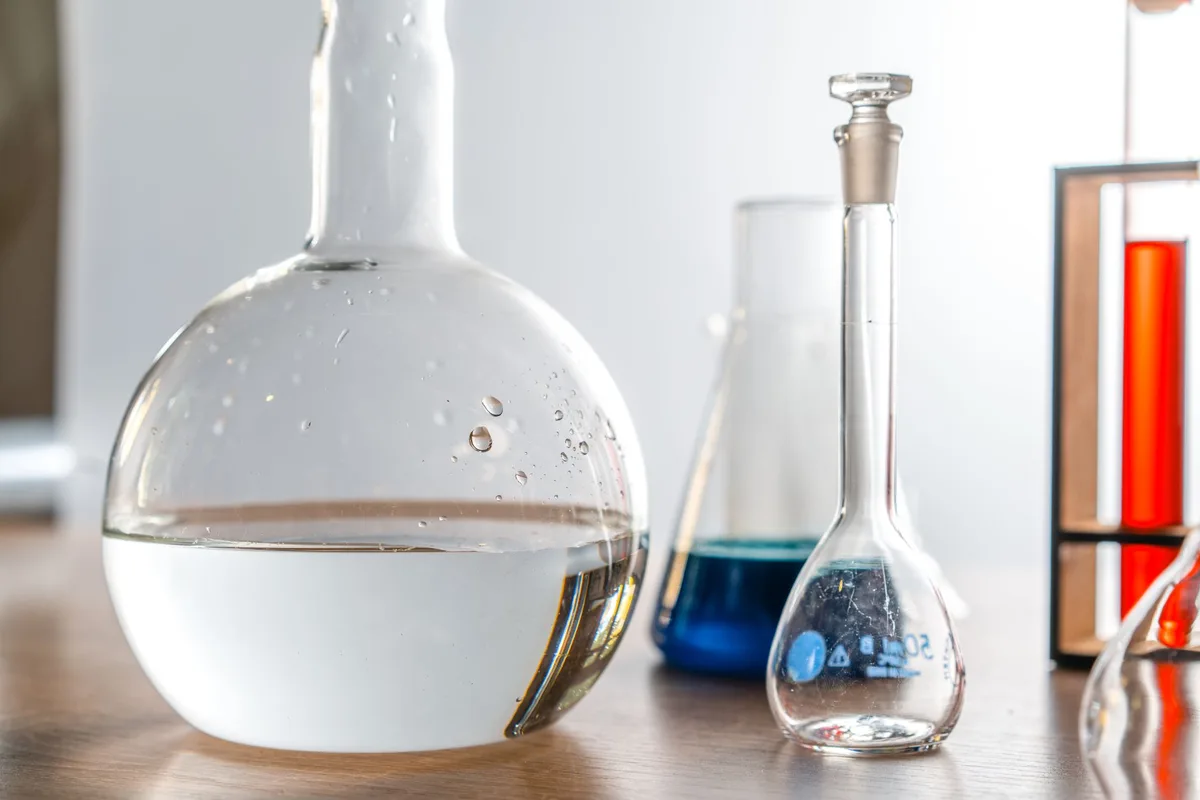
- How Distillation Works: The process involves a boiling chamber where saltwater is heated, often to boiling point. As steam rises, it's directed into a cooling system (a condenser), where it turns back into liquid water. This distilled water is then collected separately from the original brine.
- Distillation System Types: You'll find countertop distillers for home use that can process a few gallons a day, as well as larger industrial units. Some systems aim for greater efficiency by recovering heat.
- Distillation Pros and Cons:
- Pros: Extremely effective at removing virtually all dissolved salts, minerals, bacteria, viruses, and heavy metals. Produces very high-purity water, often preferred for certain laboratory or medical applications. Unlike RO, it doesn't require high pressure, just a heat source.
- Cons: Can be very energy-intensive due to the heating process, making it more expensive to operate, especially for large volumes. The process is slower than RO, usually producing water in batches. Distilled water can taste flat because beneficial minerals are also removed, which might require adding them back for palatability.
Choosing Your Salt Filter: A Decision Guide
Figuring out how to filter salt out of water isn't a one-size-fits-all answer. The best system for you really boils down to a few critical factors. We've laid out the main variables to consider so you can make an informed choice that fits your needs and resources. Think of this as a flowchart to help you pin down the right approach.
What's Your Water's Salt Level (TDS)?
Total Dissolved Solids (TDS) is the key measurement here. It tells you the combined total of all inorganic and organic substances dissolved in your water, with salts being a major component. Water sources vary wildly:
- Freshwater: Typically below 500 ppm TDS. If your water is already pretty fresh, you might not need a heavy-duty desalination system at all.
- Brackish Water: Generally ranges from 1,000 to 10,000 ppm TDS. This is water that's saltier than fresh but less salty than seawater.
- Seawater: Can be as high as 35,000 ppm TDS or more.
Measuring your water's TDS with a simple handheld meter (available online or at home improvement stores) is the first crucial step. The higher the TDS, the more aggressive and efficient your filtration method needs to be. Systems designed for brackish water may struggle with actual seawater, and vice-versa.
How Much Water Do You Need to Filter?
The volume of water you need is a major driver for system choice.
- Household Drinking Water: A small under-sink RO system might suffice, producing a few gallons per day.
- Whole House Systems: If you need to treat all water entering your home, you'll need a larger, more robust system, often RO-based, potentially with a storage tank.
- Agriculture or Industrial Use: These applications demand much higher volumes and usually require commercial-grade desalination plants, often utilizing large-scale RO or other advanced membrane technologies.
A system that’s too small will run constantly and may not keep up with demand, while an oversized system can be unnecessarily expensive to purchase and operate.
What's Your Budget for Equipment and Operation?
Desalination equipment varies significantly in cost.
- Initial Purchase Price: Countertop distillers can range from a few hundred dollars, while whole-house RO systems can cost upwards of $1,000-$3,000, and industrial systems are a much larger investment.
- Operating Costs: This is where distillation often comes out more expensive due to energy consumption for heating. RO systems have costs associated with electricity for pumps and periodic replacement of filters and membranes. Per aggregate manufacturer specifications, RO systems generally have lower operational cost per gallon for typical residential use.
It’s important to look at both the upfront cost and the long-term expenses when making your decision. Many systems sold today offer a five-year warranty on core components, for example.
What's Your Energy Availability?
This links directly to operating costs.
- Reverse Osmosis: Requires sufficient water pressure, which might mean a booster pump run by electricity. The total electricity consumption is generally moderate for residential units.
- Distillation: Relies heavily on electricity or another heat source to boil water. This can be a significant energy draw, so if you have limited or expensive electricity, this might not be the most practical choice. Some advanced distillation systems incorporate heat recovery to improve efficiency.
Consider your local electricity rates and available power sources when evaluating these systems.
Step-by-Step: Setting Up Your Desalination System
Getting a desalination system up and running involves a few key stages. While specific installation will depend on the exact unit you choose, whether it's an under-sink RO, a standalone distiller, or a whole-house system, the general workflow remains consistent. We'll break down the typical process from start to finish.
This guide assumes you've already chosen a system that fits your needs based on the decision guide above. Always refer to the manufacturer's installation manual for your specific unit, as it will contain detailed instructions and safety warnings.
Pre-Treatment: Preparing the Water
This is a critical, often overlooked step, especially for RO systems. Pre-treatment removes larger particles and impurities that could damage or clog the delicate desalination components.
- Sediment Filtration: Install sediment filters to remove sand, silt, rust, and other particulate matter. This prevents these solids from physically abrading or blocking membranes and heating elements. Common options include 5-micron or 1-micron filters.
- Carbon Filtration: For RO systems, a carbon filter is essential to remove chlorine. Chlorine can degrade RO membranes over time, significantly shortening their lifespan. Carbon filters also help remove organic compounds that can affect taste and odor.
- Scale Inhibitors (Optional): In very hard water areas, scale inhibitors might be considered to prevent mineral buildup within the system, particularly in the heating elements of distillers or on RO membranes.
The Main Event: Running Your System
Once pre-treatment is in place, you can connect and start your core desalination unit.
- Connect Water Supply: Hook up your pre-treated water source to the inlet of your RO system or distiller. Ensure all connections are secure and leak-free.
- Install Membranes/Heating Elements: For RO, carefully install the membrane(s) into their housing. For distillers, ensure the heating element is properly seated and the boiling chamber is clean.
- Connect Power/Plumbing: Hook up the electrical supply according to the manufacturer's instructions. For RO systems, connect the drain line for the brine waste.
- Initial Flush and Run: Most systems require an initial flush period to clear out any manufacturing residues. Run the system through a full cycle or flush for the duration recommended by the manufacturer before collecting water for use. Monitor for leaks during this initial run.
Post-Treatment: Making it Drinkable
Depending on the desalination method and your goals, a post-treatment step might be necessary.
- Remineralization (for RO): Reverse osmosis can strip water of beneficial minerals like calcium and magnesium, which contribute to taste and pH balance. Many RO systems include an optional post-filter that adds these minerals back.
- pH Adjustment: In some cases, especially with distilled water, the pH might be very low (acidic). A post-filter can help adjust this to a more neutral or slightly alkaline level.
- Sterilization (Optional): For absolute purity or if the system is for medical use, further UV sterilization might be employed, though this is uncommon for standard residential setups.
Common Mistakes to Avoid When Filtering Saltwater
Even with the best equipment, a few common missteps can dramatically reduce your system's effectiveness and lifespan. Avoiding these pitfalls is key to consistently getting the clean water you need. We see these issues pop up frequently when users are new to desalination.
- Ignoring Pre-Treatment: This is probably the biggest mistake, especially with RO. Many people think they can just connect the system directly to their salty water source. Without proper sediment and carbon pre-filters, your RO membrane will clog quickly, leading to reduced output, poor salt rejection, and premature failure. For distillers, pre-treatment helps keep the heating elements cleaner for longer.
- Incorrect System Sizing: Choosing an RO unit that's too small for your household's daily water needs or a distiller that takes too long to produce enough drinking water leads to frustration. If the system is constantly running at its limit or you're waiting hours for a liter of water, you might have misjudged your requirements. This can also lead to systems being overused, increasing wear and tear beyond expected rates.
- Neglecting Maintenance: Desalination systems, particularly RO, have consumable parts. Filters need regular replacement (typically every 6-12 months for sediment/carbon, depending on water quality and usage), and RO membranes have a lifespan of 2-5 years. Ignoring maintenance schedules means your system won't just stop working; it will gradually become less efficient at removing salt, potentially producing water that's still too salty to drink or use safely. Think of it like not changing the oil in your car, eventually, something serious will go wrong.
Maintaining Your Saltwater Filter for the Long Haul
Keeping your desalination system running smoothly and efficiently over the years isn't complicated, but it does require a consistent routine. Unlike simpler filters, these advanced systems depend on multiple components working in harmony. Regular checks and proactive care will ensure you continue to get pure, salt-free water without unexpected breakdowns.
- Regular Cleaning and Flushing: For RO systems, flushing the membranes regularly according to the manufacturer's guide is crucial. This helps wash away accumulated salts and contaminants from the membrane surface, preventing it from becoming permanently fouled. For distillers, you'll need to periodically clean the boiling chamber to remove scale and mineral deposits. A simple vinegar solution or descaling agent, followed by a thorough rinse, often does the trick.
- Replacing Filters and Membranes: This is non-negotiable for performance.
- Sediment and Carbon Filters: These typically need replacement every 6 to 12 months, depending on the quality of your source water and how much water you process. Your system's output flow rate decreasing is often the first sign these are clogged.
- RO Membranes: These have a longer lifespan, usually 2 to 5 years. If your TDS meter shows an increase in salt content in the purified water, or the water output significantly drops, it's a strong indicator the membranes need changing. Aggregates of manufacturer data suggest membrane life can be significantly shortened by poor pre-treatment.
- Monitoring Performance: Get into the habit of checking your system's output. Is the flow rate slower than it used to be? Are you noticing any unusual noises? Periodically testing the TDS of the purified water with a handheld meter is the best way to confirm the system is still effectively removing salt. Many advanced RO systems include built-in TDS meters, providing a quick visual check. As of 2026, many units also offer app connectivity for performance alerts.
Who Needs to Filter Salt From Water? (Use Cases)
Many people wonder how to filter salt out of water, but the practical applications can vary widely. It's not just for survivalists or remote desert dwellers. From keeping your home's plumbing in good shape to ensuring your garden thrives, desalination is relevant to a surprisingly broad audience. Understanding where it fits into daily life can help you assess if a system is right for you.
- For Your Home: If you live in a coastal area where your tap water has a noticeable salty taste, or if you have a well that’s testing high in salinity, a residential system is invaluable. This not only improves drinking water quality but also protects your appliances (water heaters, dishwashers) and pipes from the corrosive effects of salt. Many homeowners also opt for RO systems to get the purest water possible for cooking, coffee, and ice makers.
- For Businesses and Industry: Restaurants and hotels serving areas with salty municipal water might use desalination to ensure consistent taste and quality for their customers. In agriculture, particularly in arid regions or areas with saline soils, treating irrigation water can be critical for crop yield. Industrial processes that require pure water, such as in manufacturing or laboratories, often rely on large-scale desalination systems to meet stringent purity standards.
- For Emergency Preparedness: In disaster scenarios where municipal water supplies are compromised, having a way to desalinate stored saltwater or even seawater can be a lifesaver. Portable water makers, though typically slower, can provide essential hydration when fresh water sources are unavailable.
Costs and Metrics: What to Expect
When you're looking at how to filter salt out of water, it’s essential to consider both the initial investment and the ongoing operational expenses. Desalination systems are more complex than basic water filters, so their costs reflect that. Understanding the typical price points and key performance metrics will help you budget effectively and choose a system that makes long-term financial sense.
Initial Investment
The upfront cost varies dramatically based on the technology and scale:
- Portable Water Distillers: These compact units, suitable for producing a few gallons of drinking water per day, can range from $200 to $500. They are a good starting point for individuals or small households.
- Under-Sink Reverse Osmosis (RO) Systems: A standard multi-stage RO system for a single faucet typically costs between $300 to $800. This price often includes all necessary filters, the RO membrane, a storage tank, and a faucet.
- Whole-House RO Systems: These are a significant step up and can range from $1,500 to $4,000 or more. The price depends on the system's capacity (gallons per minute or day), the number of stages, and any specialized pre-treatment required for your specific water chemistry.
- Commercial/Industrial Systems: For large-scale applications, costs can run into tens of thousands or even millions of dollars, depending on the required output and technology used.
Ongoing Operational Costs
Beyond the purchase price, consider these recurring expenses:
- Replacement Filters and Membranes: This is the most common ongoing cost.
- Sediment and carbon pre-filters for RO systems typically need replacement every 6-12 months, costing $20-$60 per set.
- RO membranes usually last 2-5 years and can cost $50-$150 each.
- Distiller cleaning supplies and occasional part replacements add to their upkeep, though these are often less predictable than filter changes.
- Energy Consumption:
- RO systems use electricity for pumps. A typical residential system might add $5-$15 per month to your electricity bill, depending on usage and local rates.
- Distillers use considerably more energy due to the heating process. Monthly electricity costs for a distiller can range from $20 to $50+, again depending on usage and rates. As of 2026, energy-efficient models are becoming more common, but they still tend to surpass RO in power draw.
- Water Waste (for RO): RO systems produce brine, a concentrated saltwater byproduct. For every gallon of purified water produced, typically 1 to 4 gallons of brine are sent to drain. This means you’re using more municipal water to get the amount you need, which translates to higher water bills.
System Lifespan and Metrics
- Lifespan: Well-maintained residential RO systems can last 10-15 years, with membranes and filters being replaced periodically. Distillers often have durable stainless steel construction, potentially offering a similar or longer lifespan with proper care.
- Salt Rejection Rate: This is a key performance metric for RO, indicating how effectively the membrane is blocking salt. High-quality membranes achieve 95-98% salt rejection.
- Water Recovery Rate: This spec tells you how much of the input water becomes purified water versus how much becomes brine waste. For RO systems, this can range from 25% (older or less efficient) to 75% or higher (modern, high-efficiency units).
Safety and Compliance When Filtering Water
When you're filtering salt out of water, especially for drinking, safety and compliance are paramount. The goal is to remove harmful contaminants while ensuring the water is safe and palatable. It’s not just about getting rid of salt; it’s about producing water that meets recognized standards for human consumption.
- Drinking Water Standards: In the United States, the Environmental Protection Agency (EPA) sets national standards for drinking water quality. While the EPA has legally enforceable primary standards for contaminants that pose a health risk, it also provides secondary standards and guidelines for contaminants that affect aesthetic qualities like taste, odor, and color. For Total Dissolved Solids (TDS), the EPA's secondary standard is 500 parts per million (ppm). Exceeding this doesn't necessarily mean the water is unsafe, but it may be unappealing. Systems designed to meet these standards are crucial.
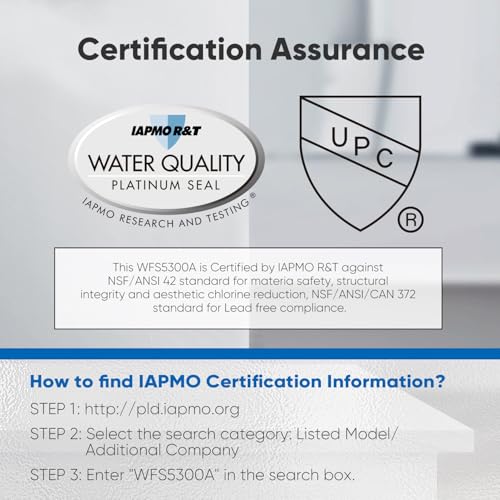
- Certifications: Look for products certified by reputable organizations like NSF International (formerly the National Sanitation Foundation). NSF certifications indicate that a product has been tested and verified to meet specific safety and performance standards. For water treatment systems, common NSF standards include NSF/ANSI 58 for reverse osmosis systems and NSF/ANSI 42 for aesthetic effects (like taste and odor reduction).
- Material Safety: Ensure that all components of your water filtration system that come into contact with the water are made from food-grade or NSF-certified materials. This prevents the system itself from leaching harmful chemicals into the purified water. Stainless steel, certain plastics (like polypropylene), and food-grade rubber are commonly used and are safe when certified.
- Brine Disposal Concerns: While not directly a safety issue for the user, the disposal of brine from RO systems can be an environmental concern. Discharging highly concentrated saltwater directly into freshwater bodies can harm aquatic life. In many areas, regulations exist regarding brine discharge, often requiring it to be sent to a sewer system where it can be diluted or treated. Always check local regulations regarding brine disposal.
Expert Tips: Getting the Most From Your Desalination System
To truly master how to filter salt out of water effectively, consider these seasoned insights. They go beyond the basic setup and maintenance, focusing on optimizing performance and longevity. These are the little things that can make a big difference in the long run, saving you hassle and ensuring the best possible water quality.
- Test Your Water Regularly: Don't just rely on the initial water test. Your water source quality can change seasonally or due to external factors. Regularly testing the Total Dissolved Solids (TDS) of both your input and output water with a handheld meter is the most proactive way to monitor your system’s performance. This helps you catch issues before they lead to poor quality water.
- Understand Your Membrane's Rejection Rate: For RO systems, know the rated salt rejection percentage of your membrane. A rate of 95-98% is typical for high-quality membranes. If your post-treatment water TDS is consistently too high and you've replaced pre-filters, the membrane might be nearing the end of its life or could be damaged.
- Don't Overlook the Drain Line for RO: Ensure the brine (waste) line from your RO system has an air gap. This is a small space between the drain line outlet and the actual drain pipe, preventing any potential wastewater backup from contaminating your purified water. Many kits include this, but it's worth double-checking.
- Consider a Storage Tank: For RO systems particularly, a storage tank is usually essential. The RO process is slow, and a tank allows you to have purified water ready on demand. Ensure the tank is kept clean and sanitized according to manufacturer recommendations to prevent bacterial growth.
- Know Your Pre-Treatment Needs: For very hard or very "dirty" water, you might need specialized pre-treatment beyond standard sediment and carbon filters. This could include water softeners or specific scale inhibitors to protect RO membranes or distiller heating elements. Consult with a water treatment professional if your source water is particularly challenging.
Real Scenarios: When Desalination Saves the Day
To truly appreciate how to filter salt out of water, let's look at a couple of common situations where these systems prove their worth. Seeing how they work in practice can highlight their importance and diverse applications. These aren't hypothetical scenarios; they reflect real challenges people face.
Scenario 1: The Coastal Homeowner
Imagine a family living a mile from the ocean. Their municipal water supply, while treated, has a faint salty undertone. This affects their drinking water, coffee, and even the taste of their cooking. Over time, they notice mineral buildup in their expensive espresso machine and a slightly corroded look inside their dishwasher.
- The Solution: They install an under-sink Reverse Osmosis system with a remineralization filter.
- The Outcome: The RO system effectively removes the salt and other dissolved solids, bringing the TDS down from around 1,500 ppm to under 50 ppm. The remineralization filter adds back just enough beneficial minerals for a pleasant drinking taste. Their espresso machine runs cleaner, their appliances are better protected, and their food and beverages finally taste "right." The cost, including filters and membranes over five years, is offset by reduced appliance repair costs and the peace of mind from having truly pure drinking water.
Scenario 2: The Urban Gardener in an Arid Region
A city dweller in an area prone to drought wants to maintain a small balcony garden. They've noticed their tap water, while potable, has higher than ideal salinity levels for sensitive plants. Their tomato plants are showing leaf burn, and the soil develops a white crust.
- The Solution: They purchase a countertop water distiller.
- The Outcome: While not a high-volume solution, the distiller provides them with about 4 liters of near-zero TDS water per day. They use this purified water exclusively for their plants. Within weeks, the leaf burn subsides, the white crust on the soil disappears, and their plants begin to thrive. The energy cost for the distiller is managed by running it overnight when electricity rates might be lower, and the small batch size is perfectly adequate for their gardening needs. This allows them to continue their hobby despite challenging water conditions.
FAQs About Filtering Salt From Water
Got more questions about how to filter salt out of water? It's a complex topic, and it's smart to clarify any uncertainties before investing in a system, whether it's for your home or a specific application. We've compiled some of the most common queries people have.
How long does setup take?
Setup time varies significantly by system. A simple countertop distiller might be ready to go after a quick rinse, taking less than an hour. A more involved under-sink RO system, including pre-filter installation and drain connection, can take 2-4 hours for a DIY installation. Professional installation for whole-house systems can take a full day or slightly longer, depending on the complexity of your plumbing.
How much water does a typical system produce?
This depends on the system's size and technology.
- Countertop distillers usually produce about 1 gallon (around 3.8 liters) every 4-6 hours.
- Under-sink RO systems typically have a storage tank that holds 2-4 gallons (about 7.5-15 liters) of purified water. The system then replenishes this tank at a rate of about 1 gallon every 1-2 hours, meaning you have around 10-20 gallons available per day from the tank.
- Whole-house systems are sized for flow rate (gallons per minute, or GPM) rather than a fixed daily output, designed to provide sufficient purified water for all household needs as they arise.
Can I filter out other contaminants besides salt?
Yes, absolutely. Both reverse osmosis and distillation are highly effective at removing a broad spectrum of contaminants.
- Reverse Osmosis removes not only salts but also heavy metals (like lead and arsenic), bacteria, viruses, pesticides, and other dissolved solids. Pre-filters also target chlorine and sediment.
- Distillation is even more comprehensive, leaving behind virtually all dissolved solids, heavy metals, microorganisms, and most chemical contaminants.
What if my water is only slightly salty?
If your water has only a mild salty taste (e.g., TDS below 750 ppm) and you're primarily concerned with taste and not aggressive corrosion, a less intensive approach might suffice, though these methods don't typically remove dissolved salts as effectively as RO or distillation. Standard activated carbon filters are designed to improve taste and odor by removing chlorine and some organic compounds, but they do not remove dissolved salts. Some specialized ion exchange resins can target specific minerals but aren't a general solution for bulk salt removal from significantly saline water. For true salt removal, RO or distillation remains the most reliable choice.
How do I dispose of the brine from an RO system?
The brine or concentrate from an RO system is essentially a highly concentrated saltwater solution. The best disposal method depends on your location and local regulations. Often, it can be sent directly to your household drain, where it mixes with other wastewater. In some areas, rules may require it to be discharged into a municipal sewer system or, if you're in a very remote location without sewer access, an evaporation pond might be an option.
Always check with your local water authority or environmental agency for specific guidelines to ensure compliance.
Final Recommendation: What's Your Best Path Forward?
When you're deciding how to filter salt out of water, the choice really comes down to your specific situation and priorities. After looking at the technologies, costs, and applications, we can offer a clear breakdown to help you make your final decision. Think of this as the last step in your decision tree.
- For the Best Drinking Water Purity at Home: If your goal is to achieve the highest quality drinking water, remove a wide range of contaminants, and you're comfortable with the ongoing filter replacements and water waste, Reverse Osmosis (RO) is typically the most practical and cost-effective solution for residential use. Ensure you factor in the cost of pre-filters and membranes over the system's lifespan.
- For Maximum Purity and Simplicity of Operation (if energy isn't a primary concern): If you need the absolute purest water possible and are less worried about energy consumption or slightly slower production, Distillation is an excellent choice. It's straightforward to operate, highly effective against nearly all contaminants, and doesn't have the brine waste issue of RO.
- For Mild Salinity Issues or Taste Improvement Only: If your water is only slightly salty and you're not experiencing significant corrosion or plant damage, and your primary goal is just better taste, you might explore advanced activated carbon filters, though these won't tackle significant salt levels. However, for actual salt removal, proceed to RO or distillation.
Ultimately, the "best" system is the one that best fits your water quality, your needs, your budget, and your commitment to maintenance. By understanding the differences between RO and distillation, and considering the factors we've discussed, you can confidently choose the right path to cleaner, safer water.