Best Filter To Remove Copper From Water: Top Picks
The best filter to remove copper from water is one with certified copper reduction and the right capacity for your home.
You turn on the kitchen tap after a long day, fill a glass, and notice a strange taste. Maybe the water looks fine, but you still wonder what is in it. Copper can enter tap water when water sits in copper pipes or when plumbing starts to corrode. This can matter in older homes across the USA. A good filter can help reduce copper and other unwanted substances. But not every filter works the same way. In this guide, I compare five practical options and explain what each one can and cannot do. My goal is simple: help you choose a filter that fits your water source, budget, and daily routine.
🏆 Top 3 Products

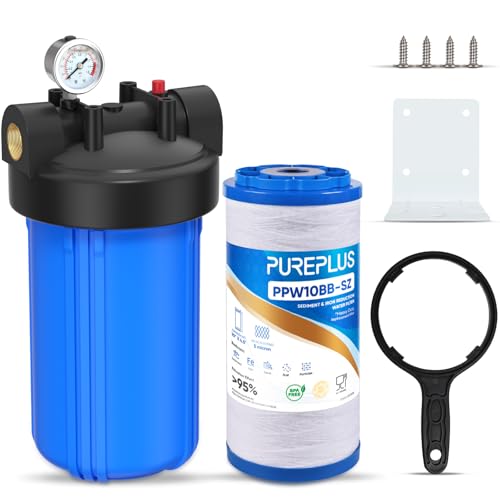
PUREPLUS 1-Stage Whole House Water Filter
It is the most practical choice here for people who want filtration at the main water line.

AQUA CREST 5-Year Inline Water Filter
Its inline design makes it useful for targeted refrigerator and ice-maker filtration.

Waterdrop PT-72W Glass Water Filter Pitcher
It offers a simple pitcher format for people who want filtered drinking water without plumbing work.
PUREPLUS Whole House Water Filter
The PUREPLUS 1-Stage Whole House Water Filter is made for people who want to filter water before it moves through the home. Its whole-house format can be useful for homes that rely on well water or have water quality concerns at more than one tap. Instead of treating only drinking water, a main-line filter can treat water used for showers, sinks, laundry, and other needs. That makes this type of system worth considering when your water concern goes beyond one faucet.
For anyone searching for the best filter to remove copper from water, the key point is to check the exact filter media and its tested reduction claims before buying. A whole-house housing does not automatically mean that it removes copper. I would also check your water report or test your water first. If copper is the main concern, look for a product that specifically lists copper reduction or has suitable third-party certification.
✅ Pros
- ✔ Treats water at the main entry point when installed as a whole-house system.
- ✔ Useful for homes that depend on well water.
- ✔ Can reduce the need for separate filters at several taps.
- ✔ Fits people who want broader water treatment than a pitcher can provide.
- ✔ A practical option for households with several water users.
- ✔ Can help address sediment and other water concerns when the selected cartridge supports them.
⚠️ Cons
- ✖ A one-stage filter may not address every water problem.
- ✖ Copper reduction depends on the cartridge and its tested performance.
- ✖ Whole-house installation may require basic plumbing work.
My Recommendation
I would consider the PUREPLUS first when the goal is to treat water throughout a home rather than only one drinking tap. It is especially relevant for a well-water household. Still, I would not buy any whole-house filter based only on the words heavy metals. For copper, I would confirm that the exact cartridge has a stated copper reduction claim. This is an important step when choosing the best filter to remove copper from water.
| Best For | Why |
|---|---|
| Well-water homes | The product is positioned for whole-house use with well water. |
| Large households | A main-line system can serve several taps instead of one pitcher. |
| Whole-home filtration | It is designed around filtration at the home water line. |
AQUA CREST Inline Refrigerator Water Filter
The AQUA CREST INL inline filter is aimed at a very specific job: filtering water that feeds a refrigerator or ice maker. This makes it a different choice from a whole-house filter or a countertop pitcher. Its inline format can work well when you mainly care about the water used for drinking, ice, and chilled water from your refrigerator. It also avoids the need to filter every tap in the house.
The listed product name highlights a long service life, but I would still follow the actual replacement guidance for your water use and condition. If you are looking for the best filter to remove copper from water, do not assume that an inline refrigerator filter removes copper unless the exact model provides a copper reduction claim. The filter should match your refrigerator setup, water pressure, tubing, and connection needs.
✅ Pros
- ✔ Designed for refrigerator and ice-maker water lines.
- ✔ Inline format keeps the setup focused on one water source.
- ✔ Useful for people who do not need whole-house filtration.
- ✔ Can provide a dedicated filtration step for drinking and ice water.
- ✔ A good fit for kitchens with limited counter space.
- ✔ Long-life positioning can reduce how often some users need to replace the filter.
⚠️ Cons
- ✖ It does not filter water from every tap in the home.
- ✖ Copper reduction should be confirmed for the exact model.
- ✖ Compatibility depends on the refrigerator and water-line setup.
My Recommendation
I like this type of filter for a household that mainly wants cleaner water and ice from the refrigerator. It is less useful if copper is a concern across the whole home. Before buying, I would check the product specifications for copper reduction and confirm the connection size. For a focused kitchen setup, this can be a simple option. For a whole-home copper issue, I would look at a more complete treatment system.
| Best For | Why |
|---|---|
| Refrigerator water | It is made for an inline refrigerator water connection. |
| Ice makers | The product is designed for refrigerator and ice-maker lines. |
| Small kitchens | The inline format does not take up pitcher or counter space. |
Garden Hose Filter For Pools And Spas
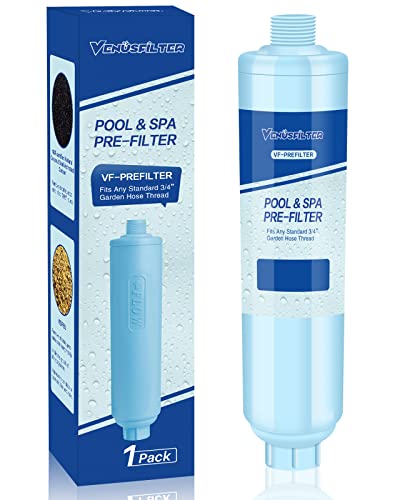
This garden hose filter targets outdoor water use. The product is designed for tasks such as filling a hot tub, pool, or spa. Its listed benefits include reducing sediment, chlorine, heavy metals, and odors. That makes it useful when hose water looks cloudy or has an unwanted smell before it enters an outdoor water system.
However, outdoor filtration is not the same as drinking-water treatment. If your goal is the best filter to remove copper from water for drinking, I would not choose a hose filter without checking its exact copper reduction data and certification. This type of filter makes more sense when your main need is cleaner water for a pool, spa, or similar outdoor task.
✅ Pros
- ✔ Made for standard garden hose connections.
- ✔ Useful for filling pools, spas, and hot tubs.
- ✔ Targets sediment and odors as well as some other unwanted substances.
- ✔ Can provide filtration before hose water enters an outdoor system.
- ✔ Does not require a permanent whole-house installation.
- ✔ Useful for seasonal outdoor water tasks.
⚠️ Cons
- ✖ It is not a direct substitute for a certified drinking-water filter.
- ✖ Copper reduction should be verified before relying on it for copper control.
- ✖ Outdoor filters can have limited capacity when used with large volumes of water.
My Recommendation
I would choose this type of filter for outdoor water use rather than as my main drinking-water solution. It can make sense for a homeowner who fills a hot tub or pool with hose water and wants a filtration step first. If copper is your specific concern, test the water and compare the result with the filter’s rated reduction. That is more reliable than choosing a filter based only on a broad heavy-metals claim.
| Best For | Why |
|---|---|
| Hot tub owners | It is designed for hose-fed hot tub filling. |
| Pool filling | The hose format makes it easy to place before outdoor filling. |
| Outdoor water use | It targets common hose-water concerns such as sediment and odor. |
Waterdrop PT-72W Glass Filter Pitcher
The Waterdrop PT-72W is a glass water filter pitcher with a listed seven-cup capacity. A pitcher is one of the easiest ways to add filtered water to a kitchen without changing plumbing. I like this format for renters, students, small households, and anyone who wants a simple setup. You fill the pitcher, let the filter work, and keep the filtered water ready in the refrigerator.
For people searching for the best filter to remove copper from water, a pitcher can be a practical choice when its cartridge has a tested copper reduction claim. The glass design may also appeal to people who prefer a reusable container over disposable plastic bottles. Still, filter performance depends on the cartridge. I would check the exact model’s reduction claims before using it as a copper-control solution.
✅ Pros
- ✔ Simple setup with no plumbing work.
- ✔ Glass construction can appeal to users who prefer glass storage.
- ✔ Seven-cup capacity suits daily household drinking needs.
- ✔ Easy to keep in a refrigerator.
- ✔ Useful for renters and apartment residents.
- ✔ Can provide a convenient filtered-water source at the kitchen level.
⚠️ Cons
- ✖ It only treats the water placed in the pitcher.
- ✖ It cannot solve a whole-house copper problem.
- ✖ Glass can be heavier and easier to break than plastic.
My Recommendation
This is a strong format for people who want a simple drinking-water solution without installation. I would consider it when the water concern is limited to what my family drinks and when the filter cartridge has the right tested claim. It is especially convenient for apartments and rental homes. If testing shows a serious copper issue at several taps, I would move beyond a pitcher and consider treatment at the point of entry.
| Best For | Why |
|---|---|
| Apartment residents | A pitcher needs no permanent plumbing change. |
| Small households | The seven-cup format can suit regular daily use. |
| Refrigerated drinking water | The pitcher can keep filtered water ready in the refrigerator. |
Brita Small 6-Cup Water Filter Pitcher
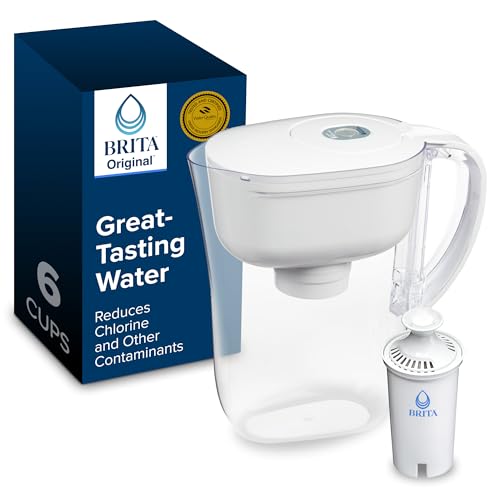
The Brita Small 6-Cup Water Filter Pitcher is built around a familiar idea: keep filtered water ready in the refrigerator. Its small size can work well in apartments, offices, dorms, and kitchens where fridge space matters. The product includes one filter, so it offers a simple way to start using a pitcher without a separate installation step. For many households, that ease is the main appeal.
If copper is the reason you are shopping, I would check the exact filter cartridge used with this pitcher. Brand familiarity alone does not prove copper removal. The best filter to remove copper from water should have a clear, relevant reduction claim for copper. I would also replace the cartridge on schedule and avoid treating an ordinary pitcher as a solution for a known high copper level unless its specifications support that use.
✅ Pros
- ✔ Compact six-cup size suits smaller refrigerators.
- ✔ Easy to use without plumbing work.
- ✔ Includes one filter to get started.
- ✔ Useful for renters and office kitchens.
- ✔ Simple way to keep chilled filtered water available.
- ✔ Small format can be easier to handle and refill.
⚠️ Cons
- ✖ The pitcher treats only the water you put into it.
- ✖ Copper reduction depends on the exact cartridge and its claims.
- ✖ Small capacity means more frequent refilling for larger families.
My Recommendation
I would choose this pitcher when simplicity and compact size matter most. It can be a convenient daily filter for drinking water, especially in a small home or apartment. But if copper is your main concern, I would first confirm that the compatible cartridge is tested for copper reduction. A pitcher is convenient, yet it cannot replace whole-house treatment when the problem affects many water outlets.
| Best For | Why |
|---|---|
| Small kitchens | The six-cup format is designed for compact daily use. |
| Renters | It needs no permanent plumbing installation. |
| Single users | The smaller capacity can reduce wasted fridge space. |
Final Verdict: Which Should You Buy?
After comparing these five choices, my overall pick for broad household use is the PUREPLUS 1-Stage Whole House Water Filter because its format targets water at the home level. For refrigerator-only use, the AQUA CREST inline filter is more focused. For simple drinking water, the Waterdrop glass pitcher offers an easy setup, while the Brita pitcher suits people who want a smaller format. The garden hose filter is aimed at outdoor jobs. Most important, I would confirm copper reduction for the exact cartridge before calling any product the best filter to remove copper from water.
The best copper water filter is the one that matches your water test, flow needs, and point of use. Test first, check copper reduction claims, and replace filters on time. With the right match, you can build a simple water treatment plan for your home.
FAQs Of best filter to remove copper from water
Q What is the best filter to remove copper from water?
Q Can a Brita pitcher remove copper from water?
Q Does a whole-house water filter remove copper?
Q How can I know if my water has too much copper?
Q Can a filter remove copper from old pipes?